


Antique Sterling Sweetmeat
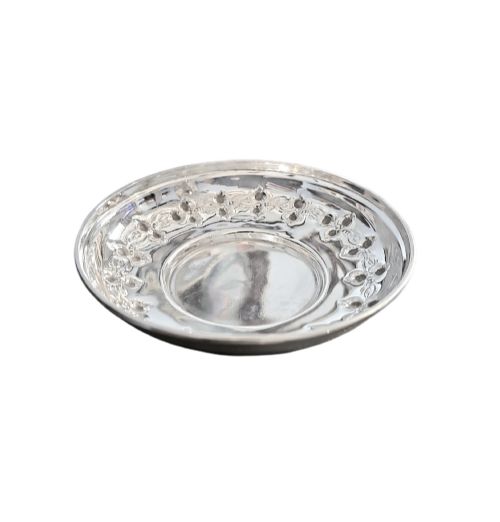
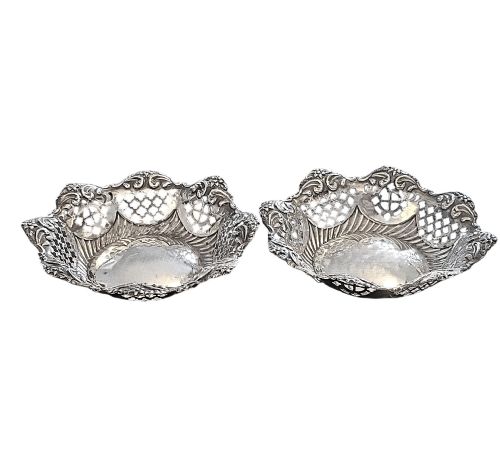
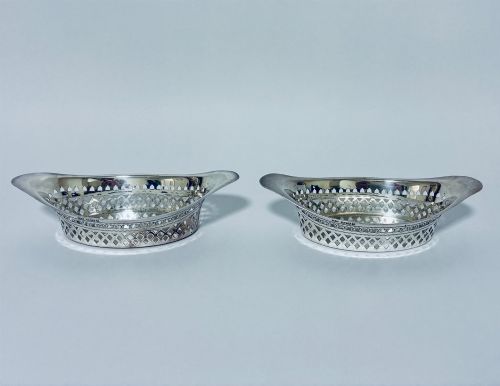
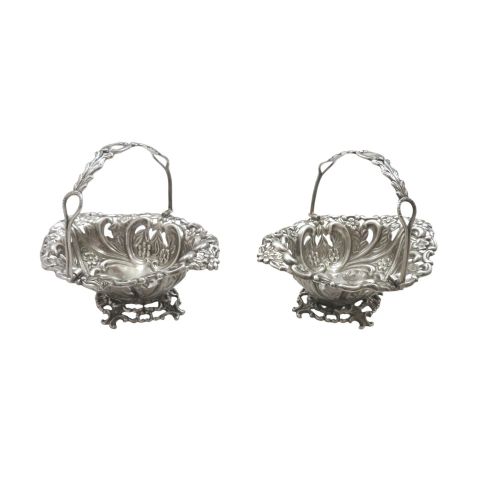
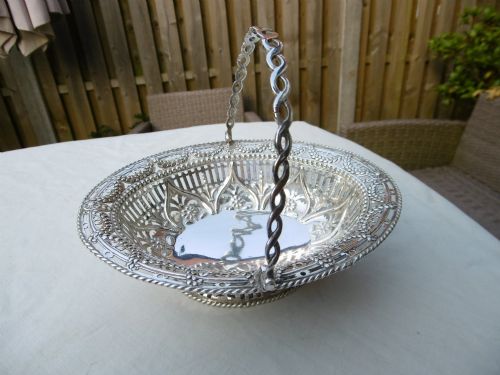
These pieces of antique sterling sweetmeat range from small bonbon dishes to swing-handled sugar baskets designed to hold confectionery at the table.
Antique Sterling Sweetmeat
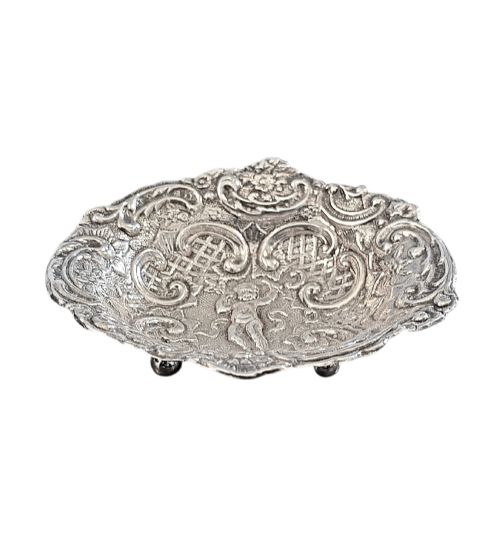
An antique sterling sweetmeat encompasses table vessels designed for confectionery, sugar, and small sweet items during formal dining and tea service. Collectors encounter forms spanning Georgian cream pails, Victorian cast bonbon dishes, and Edwardian swing-handled baskets.
The material record shows a high proportion of sterling silver tableware alongside glass liners in ruby, cranberry, and cobalt hues. Pieces emerge from periods including the eighteenth century, the Victorian era, and the Edwardian years up through Art Deco designs.
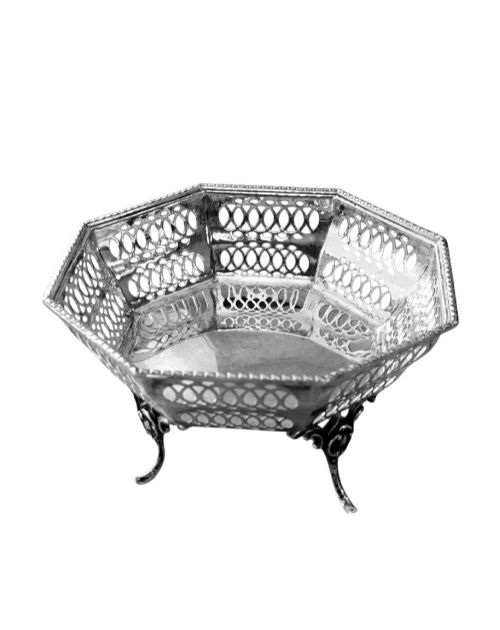
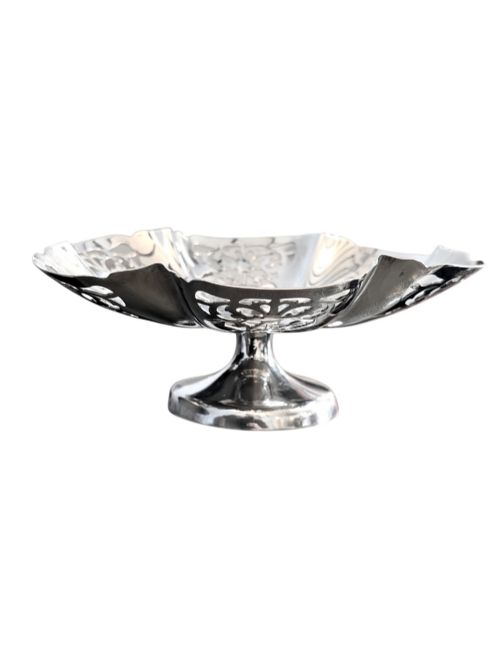
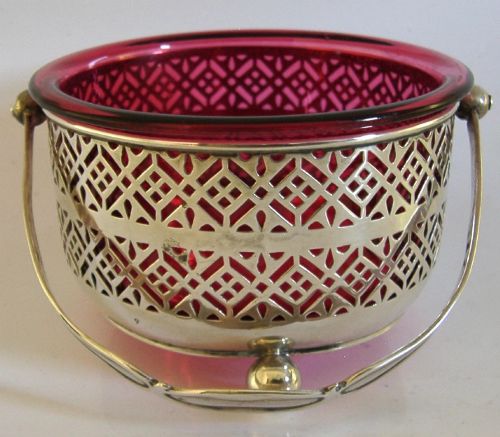
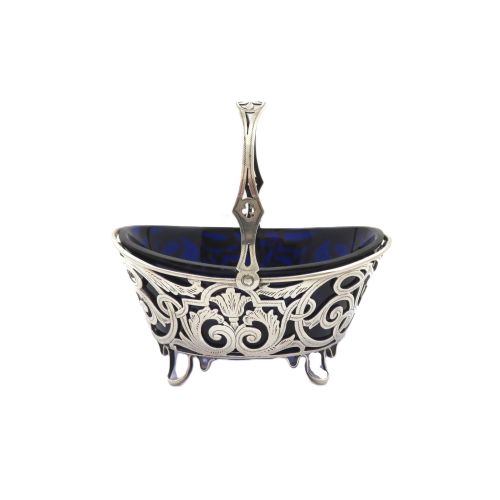
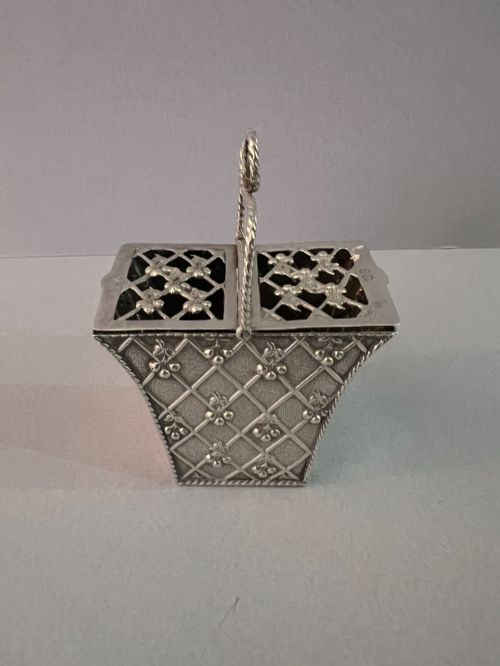
Makers working in Birmingham, Sheffield, and London produced these items using piercing, embossing, and casting techniques. Baskets often feature swing handles, pedestal feet, and pierced lattice patterns intended to showcase the coloured glass inserts within.
How they were made
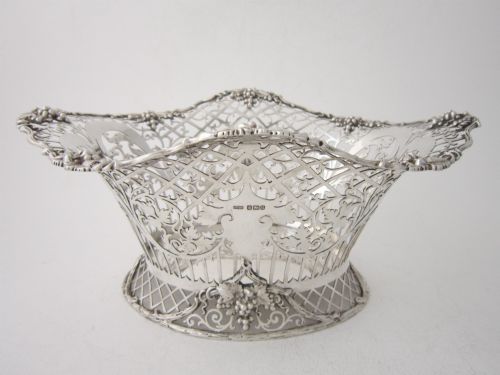
Silversmiths shaped sterling silver into vessels using hammering, piercing, and casting methods. Piercing created intricate lattice and openwork patterns across the body of bowls and baskets, while cast details formed floral handles and decorative rims.
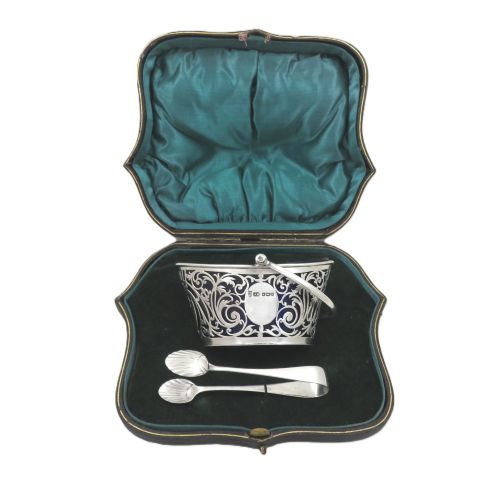
Many baskets and bowls incorporated fitted glass liners in cranberry, ruby, or cobalt glass, held securely within the silver framework. Gilt interiors frequently appeared on Georgian pedestal dishes, providing a contrasting gold wash over the silver surface.
Antique Sterling Sweetmeat Retail Price Guide 2026
Typical asking prices for sterling sweetmeat among the pieces listed under this phrase on Sellingantiques today, from the lower quarter to the upper quarter. They describe what is for sale here now, not the wider market.
Listings feature sterling silver sweetmeat pieces from the eighteenth century to the Art Deco period, incorporating ruby and cranberry glass liners.
What varies in quality
The distinction between ordinary and exceptional pieces rests on the complexity of the silversmith's labour, particularly in pierced work and cast ornamentation. Hand-pierced lattice patterns executed with precision demand greater skill than machine-pressed designs.
The presence of original coloured glass liners and fitted presentation cases elevates the completeness of a piece. Maker attribution to known workshops such as William Comyns or Thomas Bradbury also distinguishes standard production from notable output.
William Aitken·Mitchell Bosley And Co·Thomas Bradbury And Sons·Aldridge And Green·Henry Chawner·Charles Boyton·William Comyns·Fenton Brothers·Viners·James Deakin And Sons·William Bond·James Dixon And Sons Ltd
The Antique Sterling Sweetmeat Glossary
- Sweetmeat
- A small confection or sweet item served during dessert courses. These vessels were specifically proportioned to hold such delicacies.
- Pierced work
- A technique where metal is cut through to create openwork decorative patterns. Silversmiths used this method to form intricate lattice designs on baskets and bowls.
- Swing handle
- A movable handle attached to the rim of a basket via pivots. This feature allowed the handle to drop flat for easy access to the contents.
- Quaich
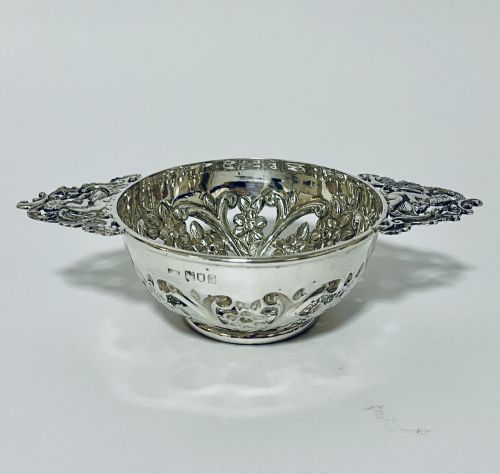
- A traditional two-handled drinking vessel of Scottish origin. Examples appear in silver table formats within Edwardian collections.
- Tazza
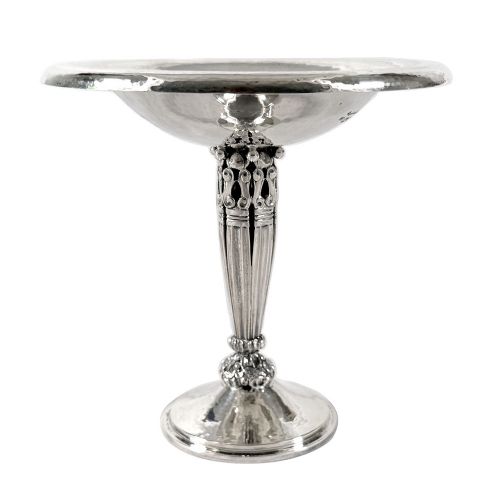
- A shallow bowl or plate mounted on a pedestal foot. These items functioned as elevated display dishes for small foods.
Antique Sterling Sweetmeat: Frequently Asked Questions
How were these silver baskets used?
These vessels served a practical and decorative function during dessert courses and tea service. They held small confectioneries, sugar lumps, or sweetmeats for guests to take at the table.
Over time, changing dining customs shifted their use from active table service to decorative display pieces in domestic interiors.
How do I identify the period of a piece?
Dating relies heavily on the hallmarks stamped into the sterling silver surface, which indicate the assay office, year letter, and maker's mark. Stylistic clues such as Georgian piercing, Victorian cast floral handles, or Art Deco geometric lines also point to specific eras.
Consulting standard hallmark registers helps pinpoint the exact year of manufacture for pieces bearing British assay marks.
How do I care for silver with glass liners?
Caring for these items involves removing glass liners before cleaning the silver with appropriate polishes. Liners should be washed separately in warm soapy water to avoid thermal shock or damage.
Storing silver in dry environments away from direct sunlight helps preserve both the metal finish and any original fitted cases.