


Antique Sterling Silver Sewing
Antique sterling silver sewing pieces span whimsical novelty pin cushions and utilitarian needlework tools from the Victorian and Edwardian eras.
Antique Sterling Silver Sewing
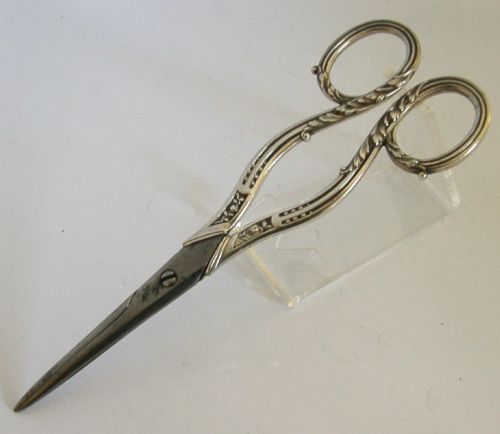
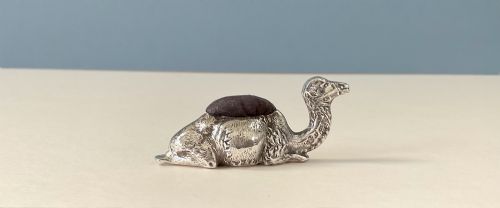
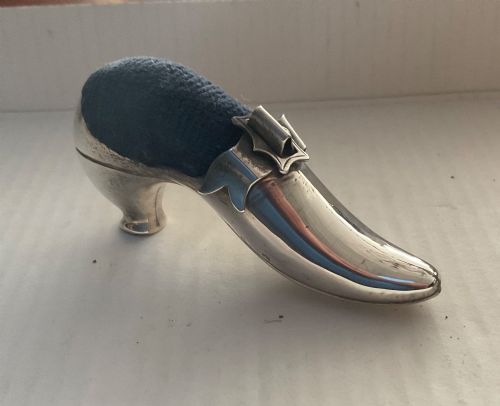
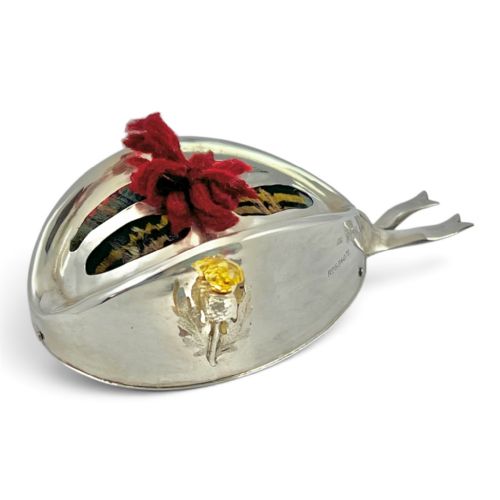
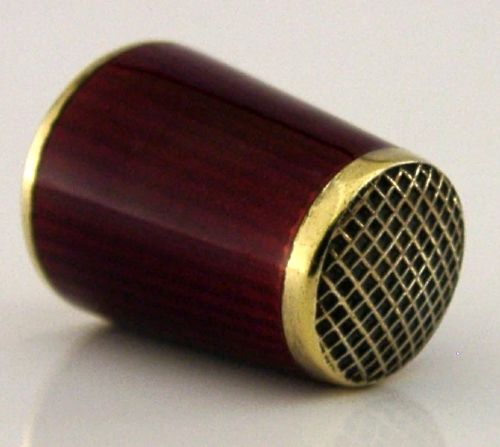
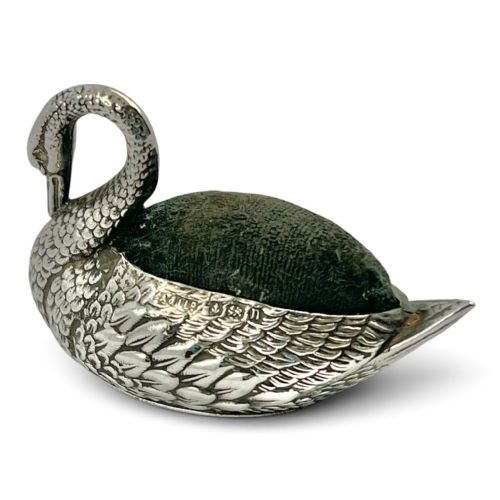
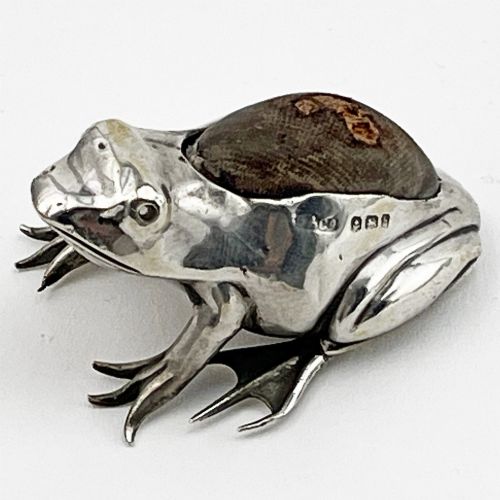
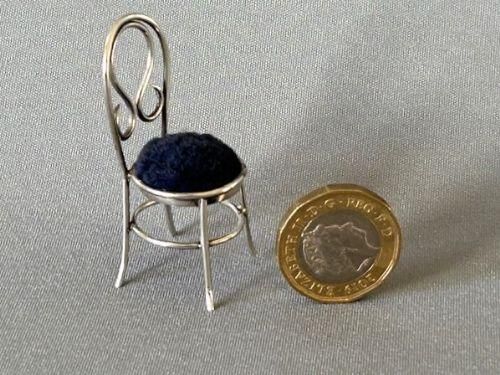
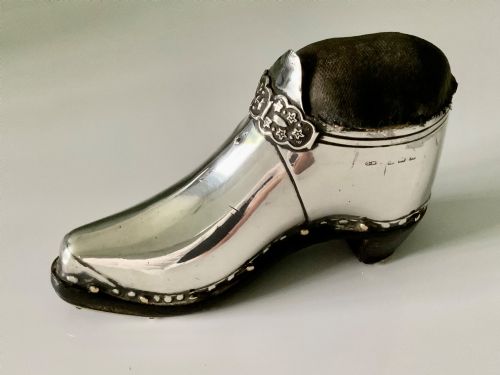
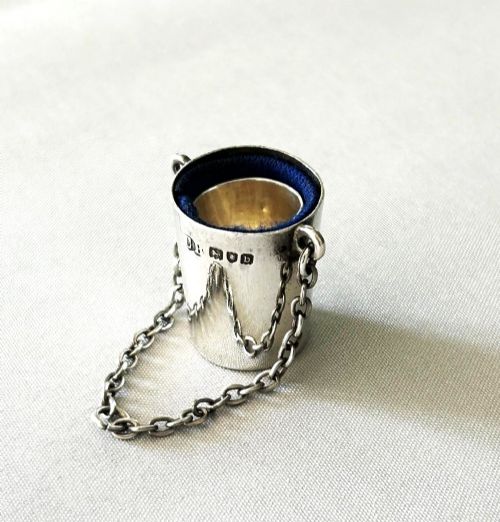
When you search for antique sterling silver sewing items, you encounter a specialised collection of needlework tools and novelty display pieces. The selections primarily feature pin cushions shaped as animals, footwear, and household objects, alongside thimbles, scissors, and chatelaine accessories.
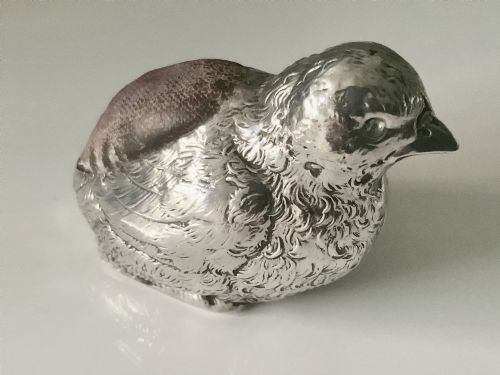
The objects stem predominantly from the Victorian and Edwardian periods, stretching into the early twentieth century. Common forms include figural pin cushions modelled as pigs, birds, and shoes, often paired with fitted velvet or fabric inserts.
How They Were Made
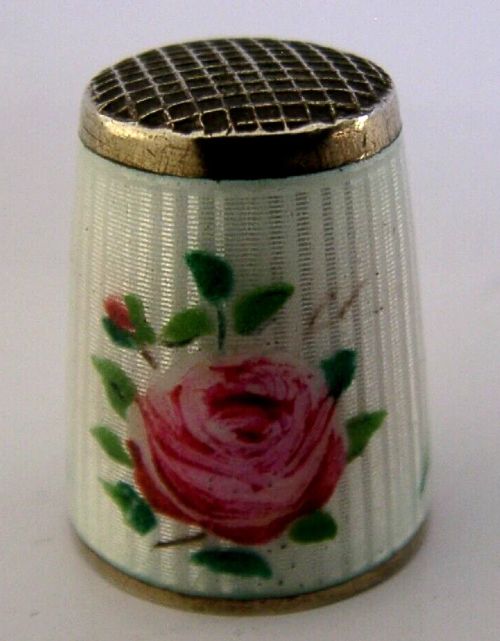
Makers integrated functional elements by combining silver frames with steel blades for scissors and leather or enamel for specialised cases. Enamel decoration appears on specific thimbles and sewing instruments, applied through heat-fostered glazing processes.
Silver frogs, pigs, and railway lamps hold pins.
What Varies in Quality
Quality rests upon the crispness of the silver casting and the complexity of the novelty form. Highly detailed animal models and figural pieces display finer hand-chased markings and superior definition compared to simpler geometric shapes.
The preservation of original internal materials, such as the fabric and velvet pads within pin cushions, dictates the desirability of the piece. Makers' marks and clear assay stamps for specific towns add historical weight to individual items.
Adie And Lovekin·David Andersen·Walter And George Myers·Charles Horner·Sampson Mordan
The Antique Sterling Silver Sewing Glossary
- Pin Cushion
- A small stuffed pad designed to hold pins and needles during sewing. These objects often take elaborate novelty forms in silver housings.
- Chatelaine
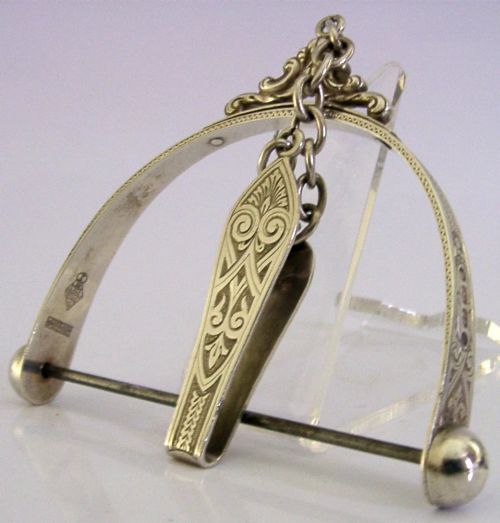
- A decorative belt hook worn to suspend everyday household tools. Sewing chatelaines carried items like scissors, thimbles, and tape measures.
- Etui
- A small ornamental case used to hold needles, small scissors, and other sewing implements. Georgian examples frequently house fitted interior tools.
- Assay
- The testing of precious metals to verify purity. British silver carries hallmarks indicating the testing office, date, and maker.
- Novelty Silver
- Silver objects fashioned into humorous or unexpected shapes. Animal and inanimate object pin cushions represent this decorative category.
Antique Sterling Silver Sewing: Frequently Asked Questions
What are novelty silver pin cushions?
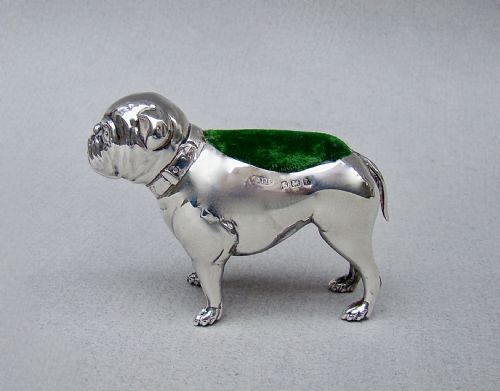
Novelty silver pin cushions are small decorative items cast in amusing shapes like animals, railway lamps, and shoes. They combine functional textile pads with ornamental silver casing.
Craftsmen produced these primarily during the Victorian and Edwardian periods as desk accessories or dressing table items.
How do I identify a Victorian sewing piece?
Victorian sewing pieces often feature hallmarks corresponding to nineteenth-century assay offices and specific reigns. Stylistic cues include ornate Victorian and Georgian decorative motifs.
Materials commonly associated with this era include sterling silver, velvet inserts, and steel components.
Were chatelaine accessories used daily?
Chatelaine accessories were practical items suspended from waist belts for immediate access during needlework and household tasks. Sewing chatelaines held essentials like tape measures, scissors, and string dispensers.
These functional holders allowed women to keep working tools close at hand throughout the day.
What is an etui used for?
An etui is a compact protective case designed to store small sewing tools such as needles and tiny scissors. Georgian versions frequently contain multiple fitted compartments.
These portable containers protected delicate implements while travelling or moving between rooms.