
Antique Sterling Silver Dining
Antique sterling silver dining pieces bring weight and polish to the table through centuries of craftsmanship, from Victorian canteens to Edwardian menu holders.
Antique Sterling Silver Dining
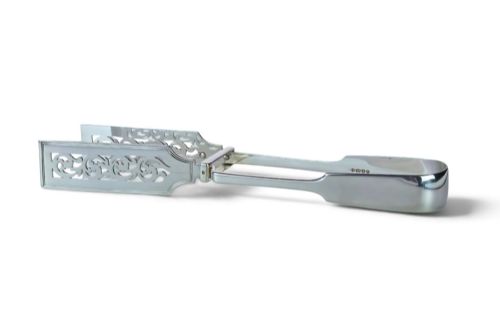
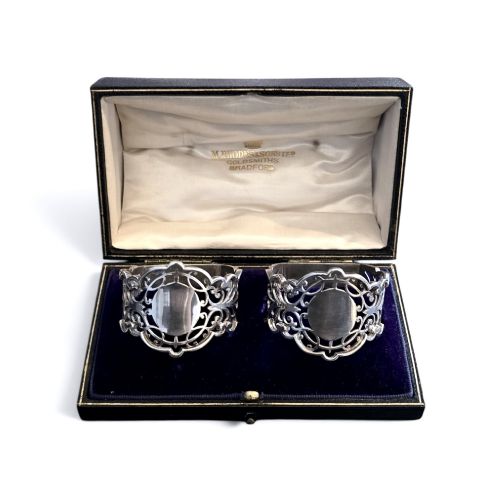
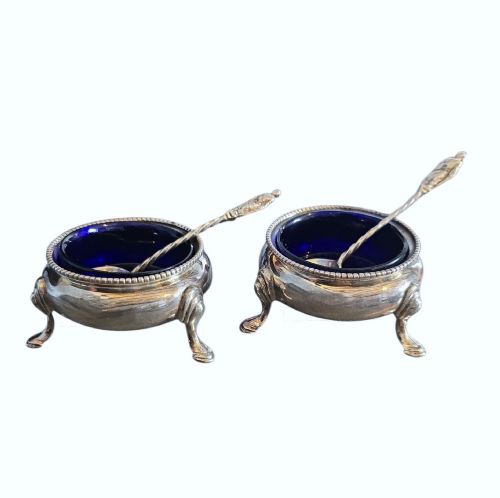
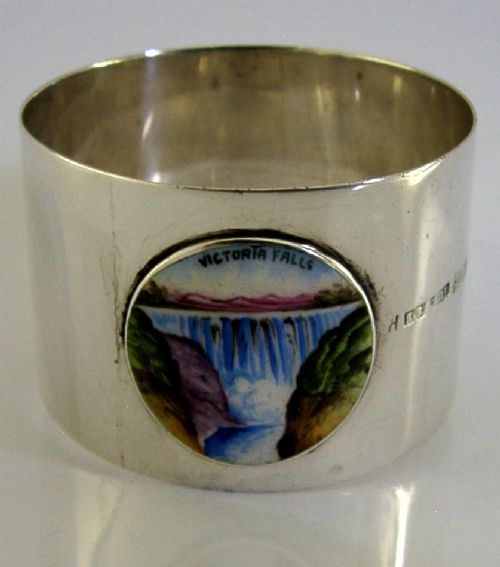
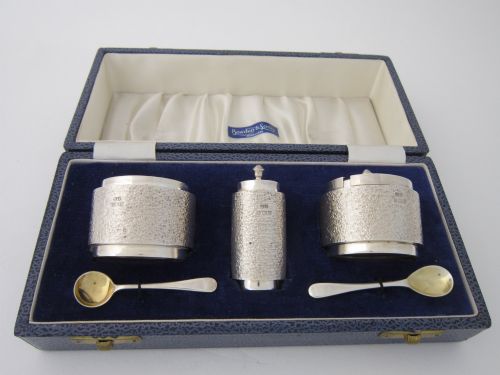
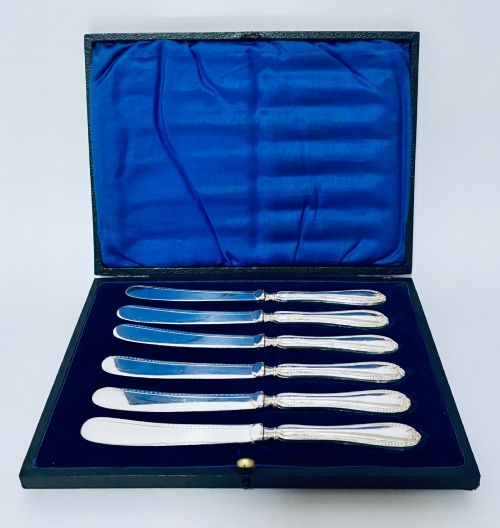
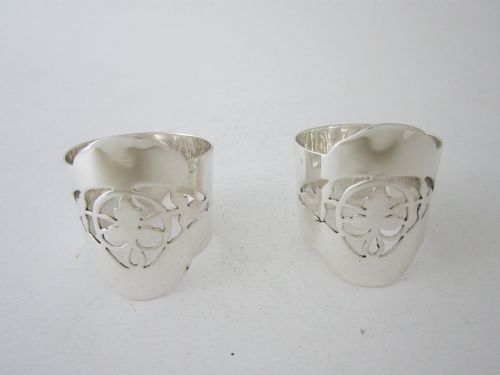
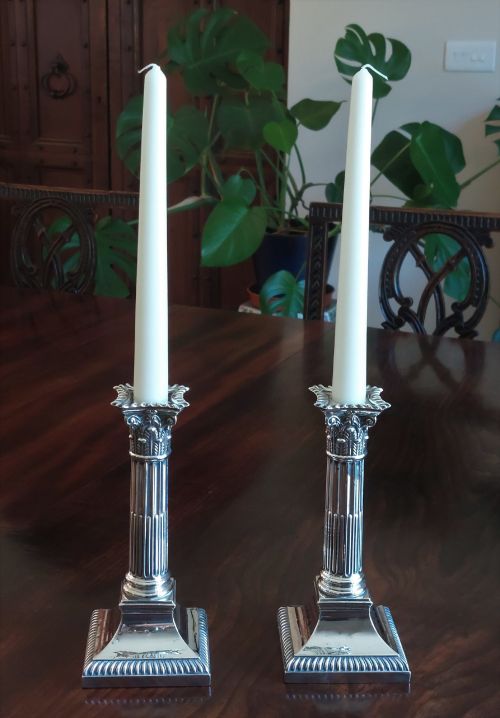
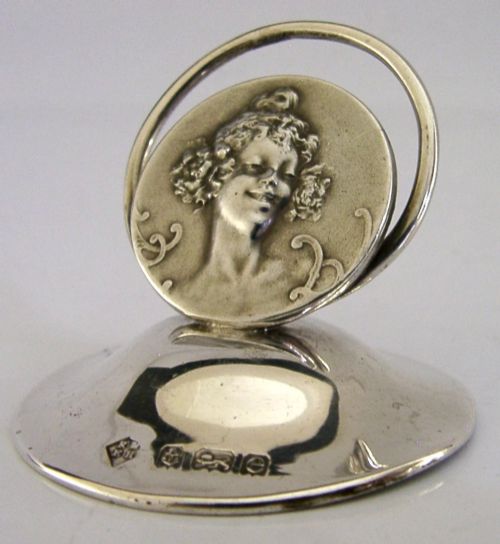
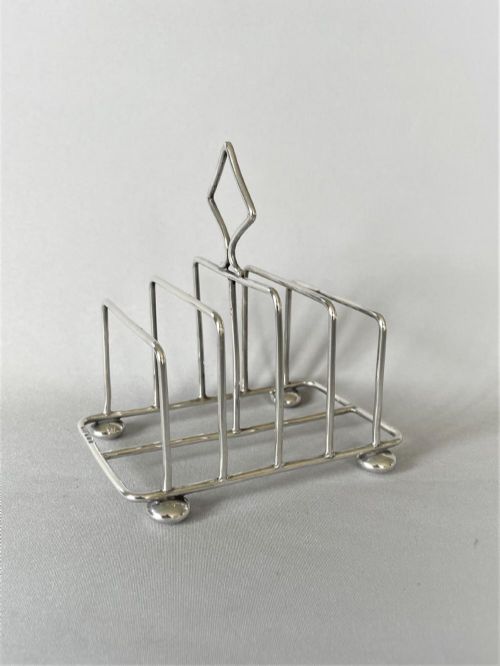
When you search for antique sterling silver dining items, you encounter a wide array of objects designed for the formal table, including napkin rings, candlesticks, menu holders, and cutlery. These pieces span multiple eras, with Victorian and Edwardian examples appearing frequently alongside George V and Art Deco designs.
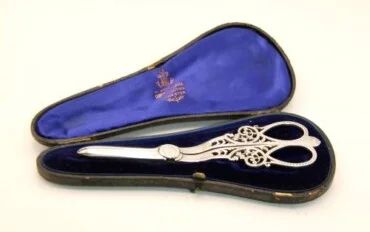
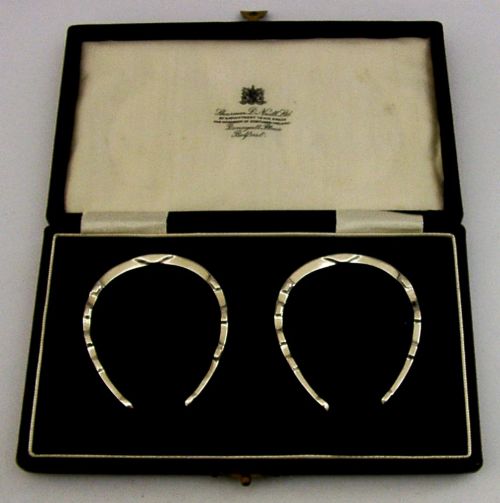
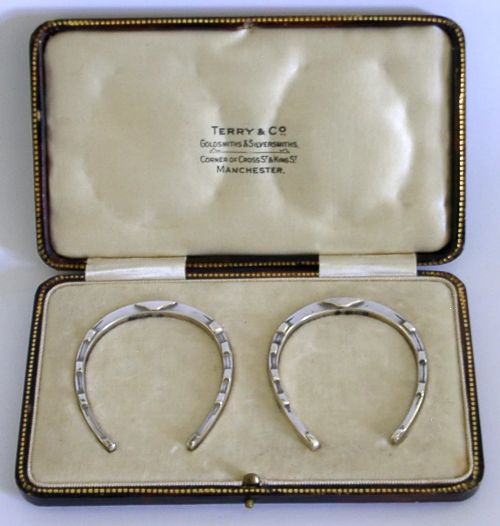
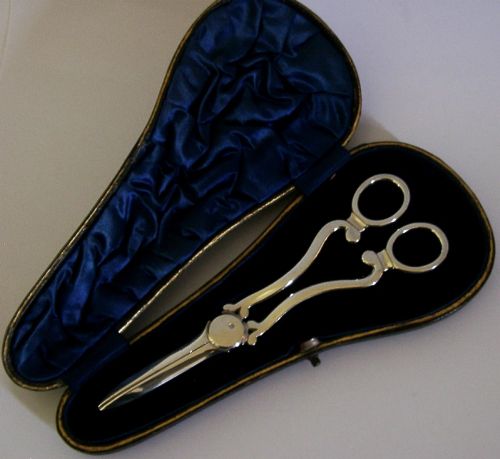
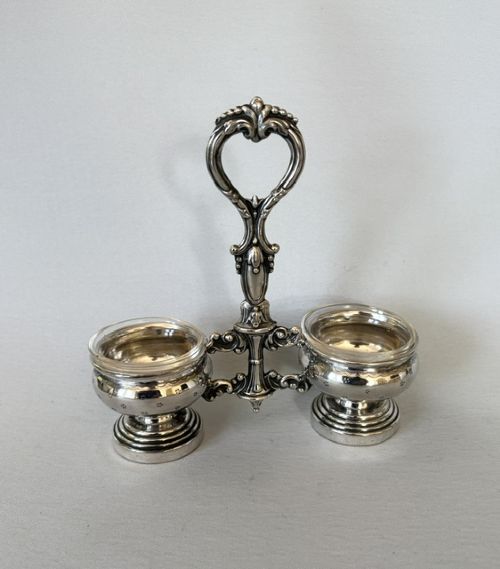
The selection ranges from small accessories like knife rests and place card holders to substantial serving pieces such as grape shears, pepper mills, and large centrepiece bowls. Cased sets, particularly of napkin rings and cutlery, also feature prominently across the collection.
Materials and construction
The primary material across these objects is sterling silver, frequently paired with glass in items such as claret jugs and pepper grinders, as well as steel for cutlery blades. Cased presentation sets incorporate fitted interiors lined with velvet, silk, or leatherette.
Manufacturing methods rely on traditional silversmithing techniques, combining solid silver casting with hand-hammered details, engraving, and applied ornamentation. Structural elements utilise standard metalworking processes to join components securely, particularly in multi-branch candelabra and heavy serving implements.
Listings feature periods spanning from the early nineteenth century through the mid-twentieth century, alongside diverse materials including leather, steel, and glass.
Distinctions in quality
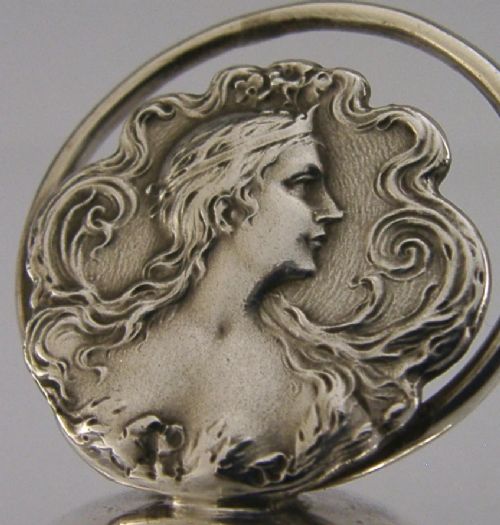
Quality in these dining pieces rests primarily on gauge and weight, where heavier gauge silver provides a more substantial feel in the hand and greater durability during use. Finer items demonstrate crispness in cast or chased details, such as crests, botanical motifs, and figural work.
The integrity of the construction also distinguishes higher tier examples, evident in secure joints, well-fitted cases, and clearly struck hallmarks that confirm the maker and date of origin without obscuring the design.
Levi & Salaman·R. E. Stone·Garrard
The Antique Sterling Silver Dining Glossary
- Sterling silver
- An alloy containing 92.5 percent silver and 7.5 percent other metals, usually copper, chosen for strength while maintaining purity standards. It serves as the standard medium for high-quality antique tableware.
- Hallmark
- A system of official marks stamped on precious metals in the United Kingdom to guarantee the purity of the silver, the maker, and the year of assay. These stamps provide definitive dating for dining pieces.
- Canteen
- A fitted box or chest containing a complete, matched set of cutlery for dining. These sets often include specialised serving pieces alongside standard forks and spoons.
- Menu holder
- A small desk-like or figural stand placed on a dining table to display the menu for the meal. Edwardian versions frequently feature cast animal or bird figures.
- Grape shears
- Specialised scissors designed for cutting clusters of grapes at the dining table without bruising the fruit. They often feature decorative cast handles in sterling silver.
Antique Sterling Silver Dining: Frequently Asked Questions
Are these items safe for daily use?
Most solid sterling silver items withstand regular use if handled with reasonable care. Cutlery, napkin rings, and candlesticks function well in contemporary dining settings.
Delicate items containing glass liners, silk-lined cases, or hollowware require more mindful handling to prevent accidental dents or structural damage.
How do I read silver hallmarks?
British hallmarks typically consist of a maker's mark, a standard mark indicating sterling quality, an assay office mark, and a date letter. These symbols provide a reliable record of where and when an item was made.
Reference books and online registry guides help match specific date letters and punch shapes to exact years of production.
What is the difference between silver and sterling silver?
Fine silver is pure metal, which is too soft for practical use in dining implements and tableware. Sterling silver introduces a small proportion of alloy to increase durability while retaining the appearance and value of the precious metal.
All items meeting the strict British sterling standard bear the lion passant hallmark to confirm their composition.