

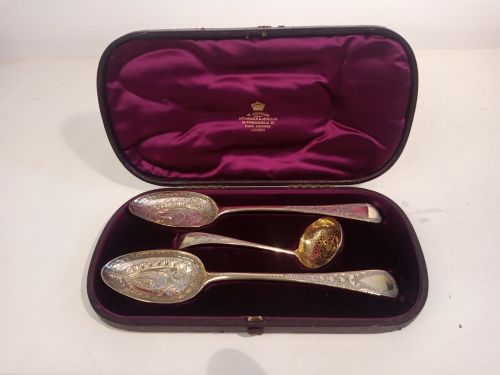
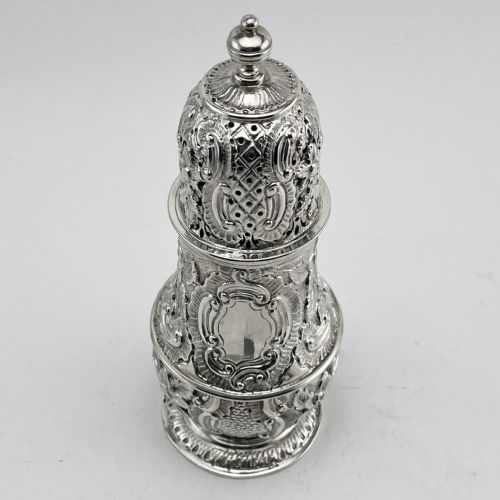


Antique Sterling Sifter
An antique sterling sifter brings refined silver and cut glass to the table, designed to dust fine sugar over desserts or spices onto food.
Antique Sterling Sifter
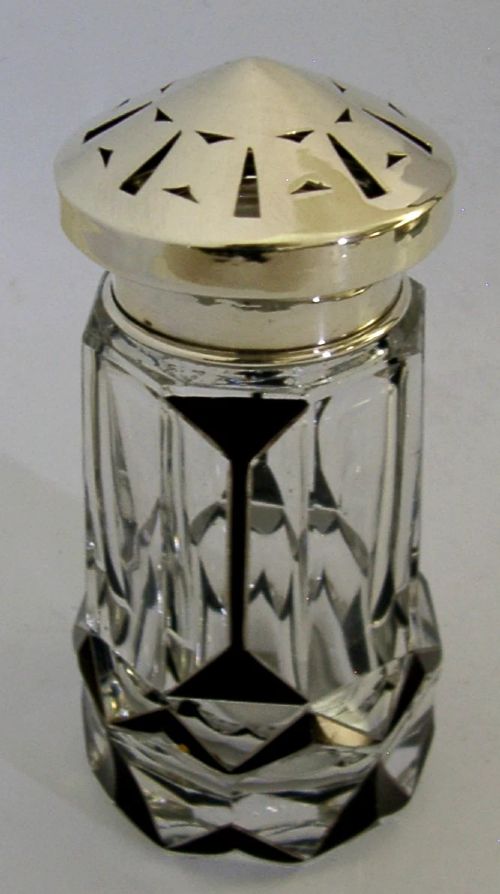
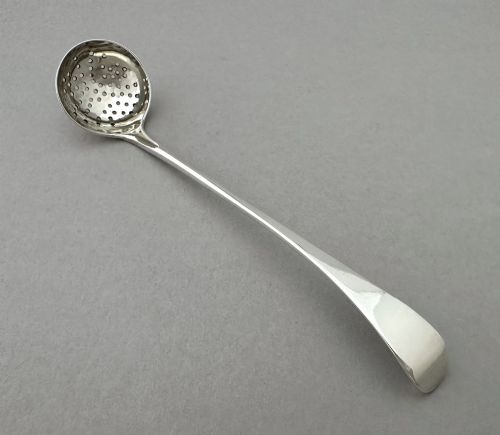
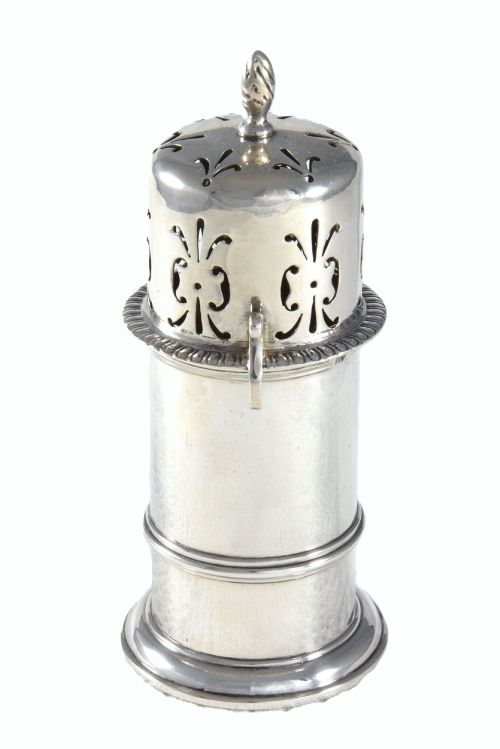
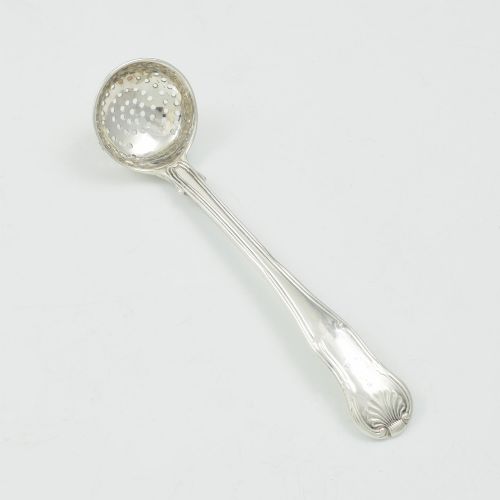
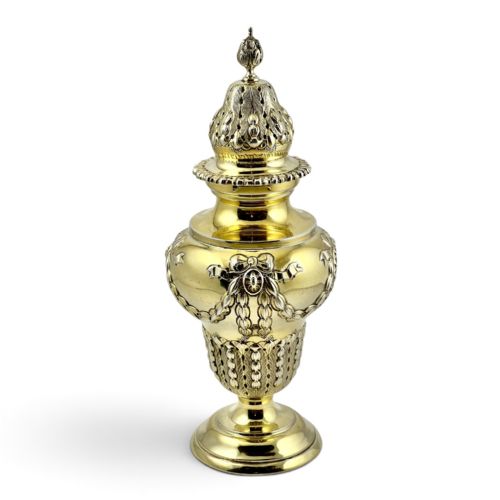
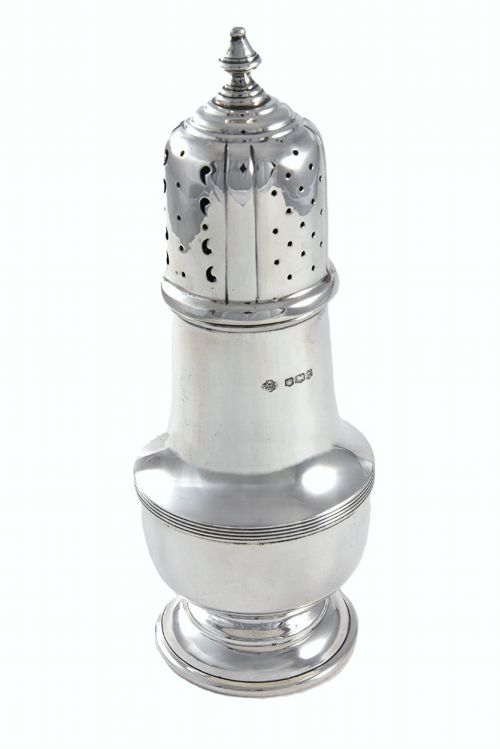
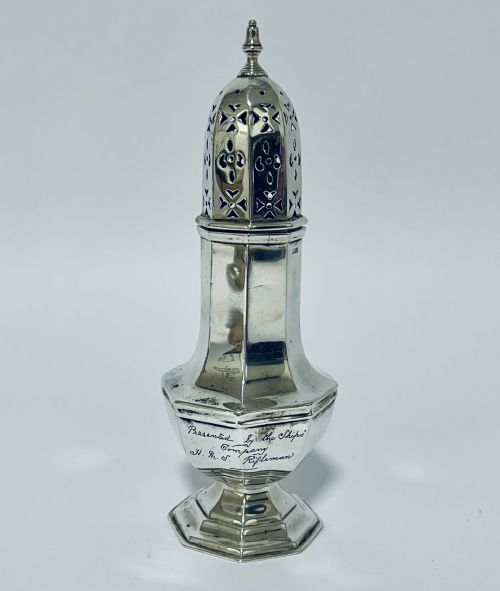
When you search for an antique sterling sifter, you encounter two distinct forms: tall hollowware castors for shaking sugar and pierced flatware spoons for lifting and draining it. These pieces span the Georgian, Victorian, Edwardian and Art Deco periods, reaching from the late eighteenth century into the twentieth.
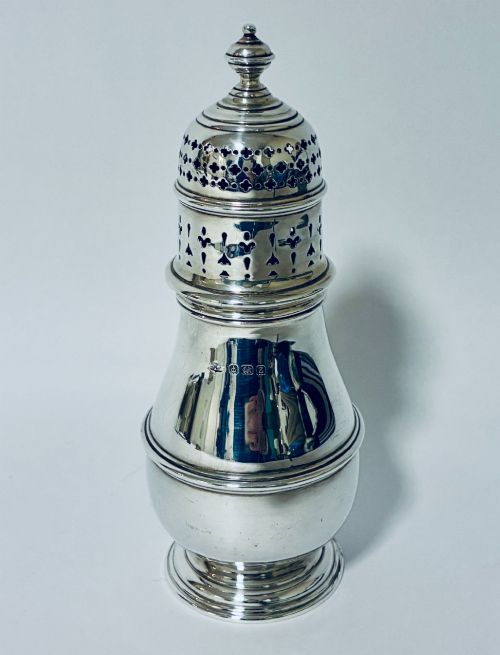
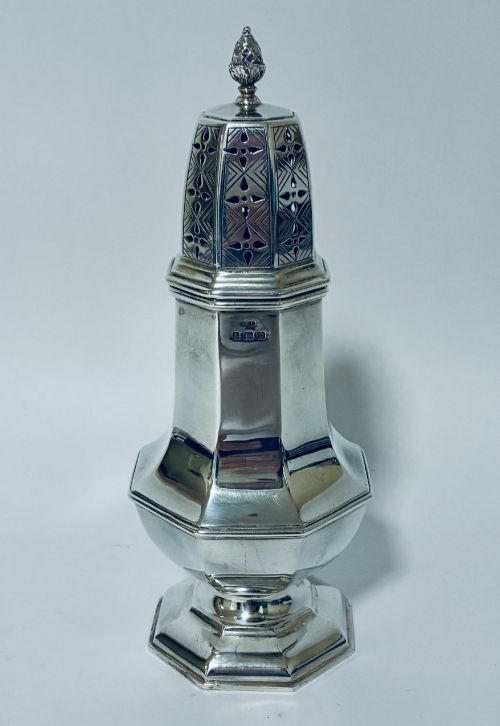
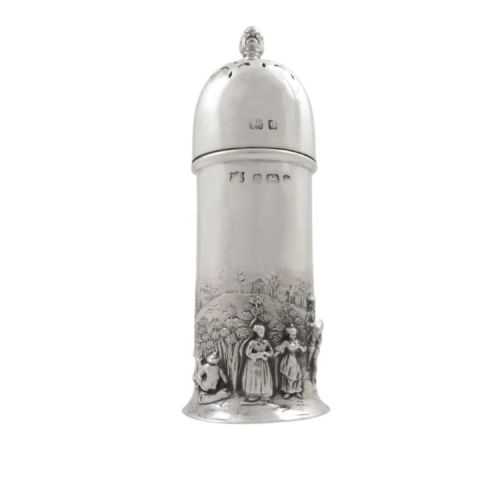
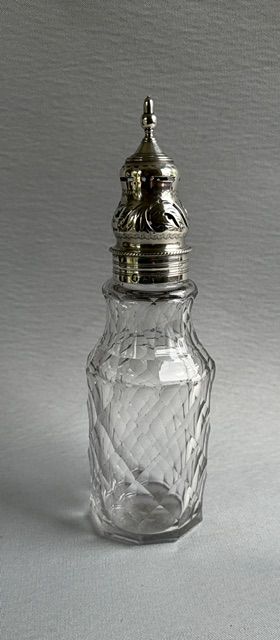
The hollowware pieces appear as pear-shaped muffineers, cylindrical casters, lighthouse forms and faceted polygon shapes in solid sterling silver or cut glass mounted with silver tops. Sifter spoons emerge either individually or paired with sugar bowls, often nestled inside fitted velvet or silk cases.
The listings on this page show origins running from early George III table silver to mid-century British hallmarks, alongside continental French items and revival styles. A buyer meets everything from plain classical muffineers to richly decorated Victorian rococo revival casters.
How they were made
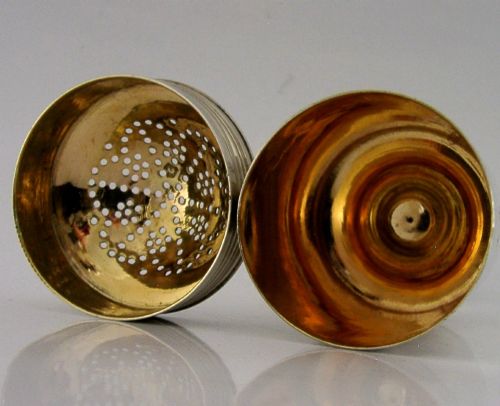
Makers shaped sterling silver through hand-raising, spinning or casting, piercing the lids and bowls with intricate dot, slot or star patterns to let powder pass. Cut glass bodies provided heavy transparent contrast to the polished silver mounts and screw-on pierced caps.
Silversmiths utilised specialised tools to form Onslow patterns, King's Hourglass handles and feather edge borders on spoons, often applying silver-gilt or vermeil washes to the interior bowls for a rich contrasting finish. Engraved crests, monograms and repoussé fruit motifs were added by hand before hallmarking.
Antique Sterling Sifter Retail Price Guide 2026
Typical asking prices for sterling sifter among the pieces listed under this phrase on Sellingantiques today, from the lower quarter to the upper quarter. They describe what is for sale here now, not the wider market.
Listings feature items from the Georgian, Victorian, Edwardian, and Art Deco eras, combining sterling silver, cut glass, and vermeil.
What varies in quality
Quality rests in the weight of the metal, the crispness of the pierced lid decoration and the balance of the piece in the hand. Substantial gauge silver provides a reassuring heft, whereas lighter items yield too easily to touch.
Artisanal execution separates standard production from exceptional work, seen in sharply cast finials, tightly fitting threaded caps and clear, deep punch marks from makers such as Stephen Adams or Horace Woodward.
Stephen Adams·The Barker Brothers·James Dixon & Sons Ltd·Horace Woodward & Co Ltd·Roberts & Belk
The Antique Sterling Sifter Glossary
- Muffineer
- A small caster designed for sprinkling sugar or salt over muffins and tea cakes. These pear-shaped vessels date predominantly from the Georgian era.
- Pounce pot
- A small shaker used to sprinkle sand or gum resin over wet ink to dry it before blotting paper became common. They share the pierced top format with sugar casters.
- Silver-gilt
- Sterling silver that has been coated with a thin layer of gold through electrolysis or fire gilding. This technique protects the silver and adds a warm interior glow.
- Vermeil
- Sterling silver plated with gold, offering a rich yellow hue. The term appears frequently in descriptions of decorative sifter spoons and gilt casters.
- Onslow pattern
- A distinctive eighteenth-century spoon handle style featuring a scrolled, downward-curling terminal. It is frequently found on early Georgian spice sifter spoons.
Antique Sterling Sifter: Frequently Asked Questions
What is the difference between a caster and a sifter spoon?
A caster is a vertical vessel with a pierced lid designed to shake sugar or spices onto food from above. A sifter spoon is a flatware utensil featuring a perforated bowl used to lift damp sugar or berries while leaving excess syrup behind.
Both items served dining and tea rituals, though they were used at different moments during a meal. Casters sat on the table for general seasoning, while spoons worked alongside specialised bowls.
How do I identify a Georgian sifter?
Georgian pieces display hallmarks specific to the late eighteenth and early nineteenth centuries, including king's heads and maker's marks struck prior to Victorian tax stamps. Look for classical proportions, feather edge borders, and Onslow pattern handles.
Later Victorian and Edwardian items often incorporate heavier rococo revival ornamentation or cleaner Edwardian lines, distinguishing them from the simpler forms of the Georgian period.
Can I use an antique silver sifter for daily dining?
Solid silver and cut glass are durable enough for regular use, provided they receive gentle hand washing without harsh abrasives. Many collectors enjoy utilising these items for modern tea tables and dessert service.
Items paired with silk or velvet fitted cases benefit from careful storage away from moisture when not actively in use on the dining table.
What periods do these silver items cover?
The listings span from the early Georgian reign of George III through Victorian, Edwardian, and Art Deco eras up to the mid-twentieth century. Each decade brought distinct aesthetic shifts, from classical urn shapes to geometric polygon sides.
Hallmarks stamped directly onto the silver or mounts allow buyers to date individual pieces precisely to specific London, Sheffield, or Birmingham assay years.