




Antique Sterling Sewing Tools
These antique sterling sewing tools comprise miniature figural pin cushions, fitted etuis, and delicate thimbles fashioned for domestic needlework across Victorian and Edwardian decades.
Antique Sterling Sewing Tools
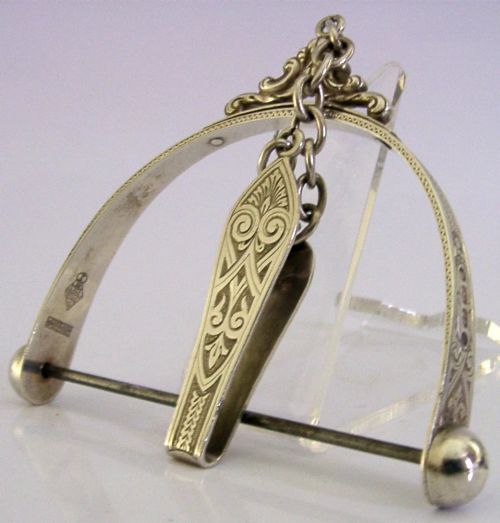
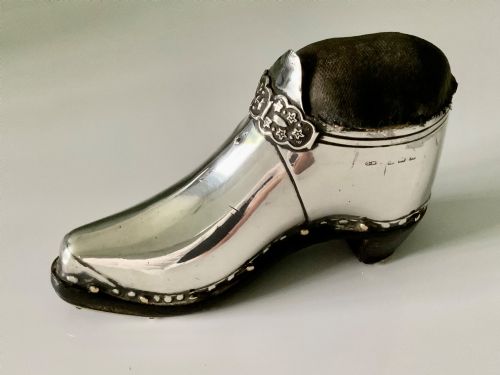
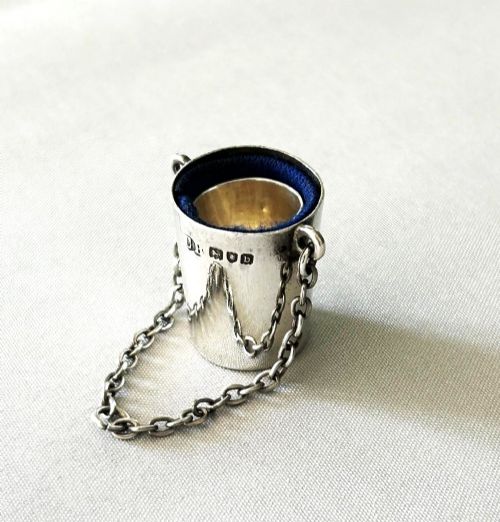
When you search for antique sterling sewing tools, you encounter functional implements and vanity accessories designed for nineteenth and twentieth-century needlecraft. The selection on this page centres heavily on figural pin cushions shaped as animals, birds, and transport forms alongside individual thimbles, scissors, and thread holders.
Victorian and Edwardian versions dominate the current inventory, spanning simpler domestic accessories to elaborate novelty pieces intended for display on sewing tables or suspension from chatelaines. Makers utilised sterling silver alongside velvet and enamel to render these small-scale items both decorative and utilitarian.
How they were made
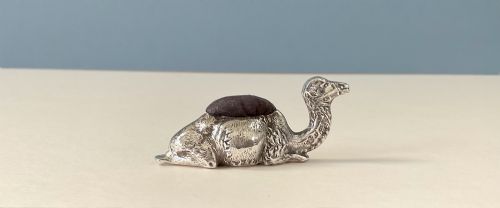
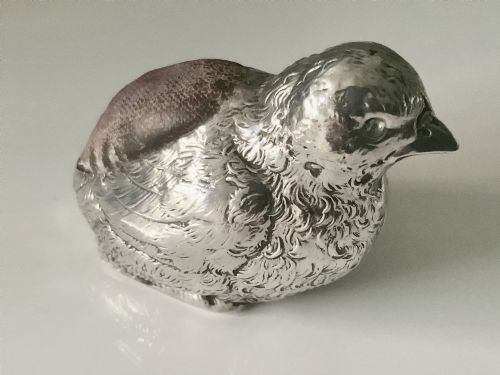
Silversmiths constructed these sewing implements primarily from sterling silver, employing techniques such as pressing, casting, and piercing to achieve intricate floral scrollwork and detailed figural shapes. Many pin cushions incorporate velvet inserts to secure needles and pins safely within the silver framework.
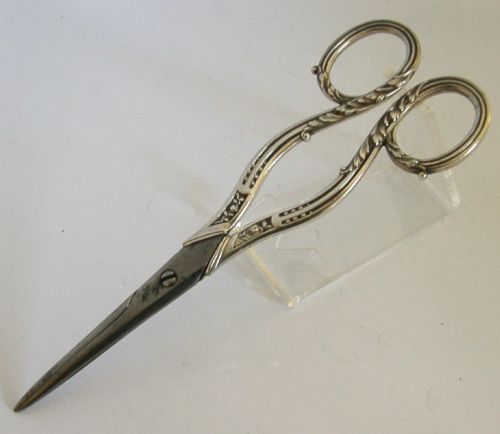
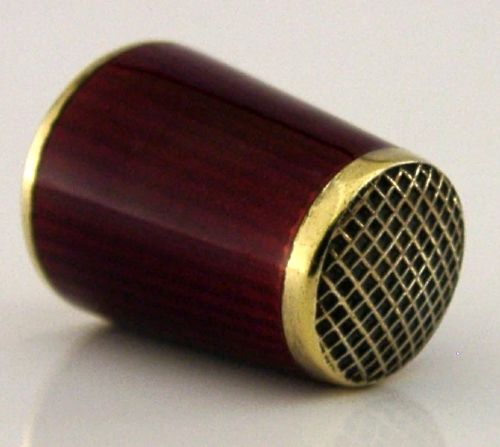
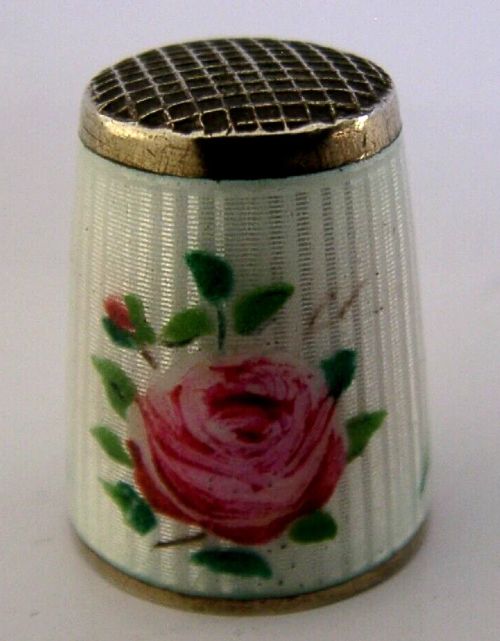
Enamel work and gold vermeil surface treatments appear on select pieces like Norwegian thimbles, adding vibrant colour highlights to the metallic body. Steel components feature in cutting tools such as scissors, paired with sterling handles.
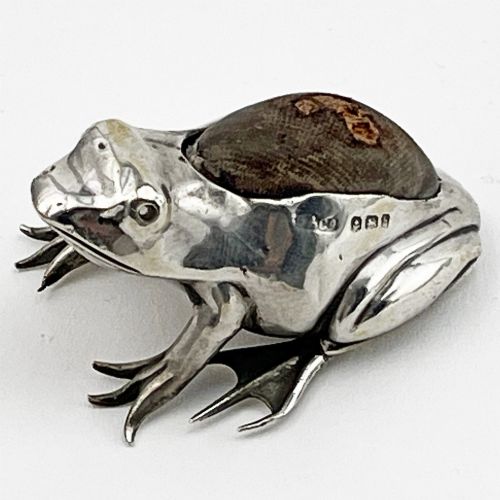
Among the menagerie of silver creatures guarding pins, a tiny metal frog stands ready to leap straight into your sewing basket.
What varies in quality
Quality in these sewing accessories depends largely on the crispness of the silversmith's casting and the complexity of the subject matter. Novelty figural pin cushions depicting realistic animal anatomy or unusual objects like railway lamps and wheelbarrows demonstrate greater craftsmanship than standard shapes.
The integration of secondary materials such as polychrome enamel or fitted leather and fabric cases elevates the standard of a piece. Preservation of the original velvet cushion pad and clear hallmarks also distinguish superior examples.
Adie & Lovekin·David Andersen·Walter & George Myers·Charles Horner·George W Shiebler
The Antique Sterling Sewing Tools Glossary
- Etui
- A small decorative case used for holding needles, scissors, and other sewing implements. These portable containers often date from the Georgian period.
- Chatelaine
- A decorative belt hook suspended with chains carrying small domestic utilities such as thread holders and scissors. Victorian ladies wore these functional items at the waist.
- Pin Cushion
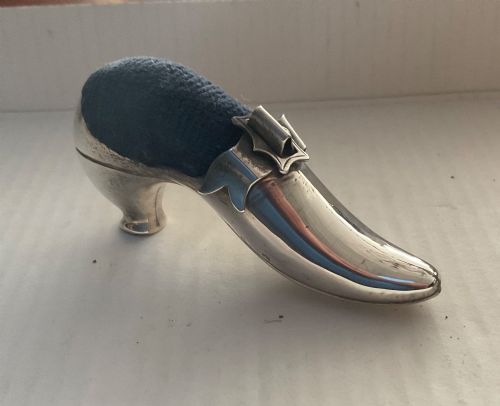
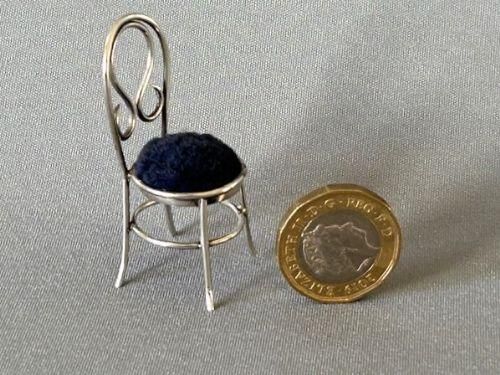
- A stuffed base enclosed by a sterling silver frame designed to hold pins safely. The listings display diverse forms including shoes, animals, and furniture.
- Gold Vermeil
- Sterling silver plated with a thin layer of fine gold. This finish frequently enhances thimbles and interior fittings.
Antique Sterling Sewing Tools: Frequently Asked Questions
What were sterling sewing tools used for?
These implements served practical functions in household needlework, embroidery, and dressmaking during the Victorian and Edwardian eras. Women utilised thimbles for finger protection, scissors for cutting thread, and pin cushions for keeping pins organised during garment construction.
Beyond pure utility, many of these silver accessories acted as status symbols and decorative vanity items displayed within the home or worn suspended from chatelaines.
How do I date an Edwardian pin cushion?
Dating an Edwardian piece relies heavily on the official silver hallmarks stamped into the metal, which indicate the assay office and exact year of manufacture. Stylistic markers such as naturalistic animal figural designs also point firmly to the early twentieth century.
Examining the construction of the velvet insert and the depth of the silver stamping helps confirm the manufacturing period when hallmarks are faint.
How should I clean silver sewing tools?
Cleaning antique sterling silver requires gentle methods to preserve delicate details like engraved scrollwork and original velvet pads. Avoid harsh chemical dips that can damage fabric inserts or strip away desirable aged patination.
Use a soft microfibre cloth and mild silver polish specifically formulated for antiques, taking care to keep moisture away from the interior cushions.
Are novelty pin cushions rare?
Novelty pin cushions formed as animals, birds, and everyday objects appear less frequently than standard domestic sewing tools. Their whimsical nature made them popular collector items during the Edwardian period, leading to diverse surviving forms today.
Rarity increases significantly when the silver depicts unusual subjects like machinery or specific wildlife executed with detailed casting.