
Antique Sterling Centrepiece
When you search for an antique sterling centrepiece, you are looking at substantial table ornaments, decorative bowls, and epergnes crafted to anchor a dining table.
Antique Sterling Centrepiece
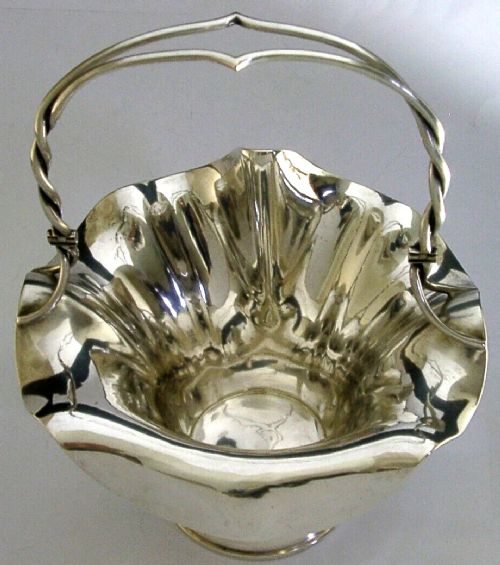
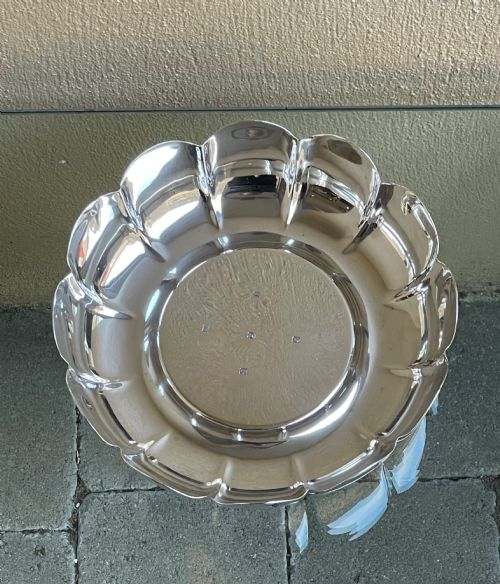
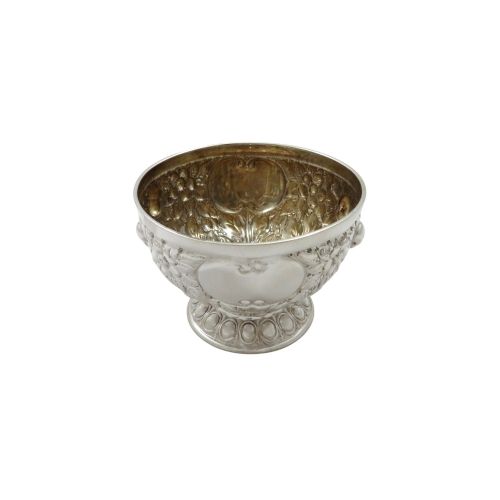
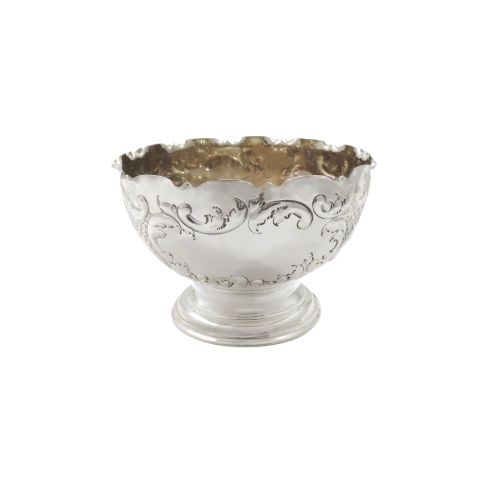
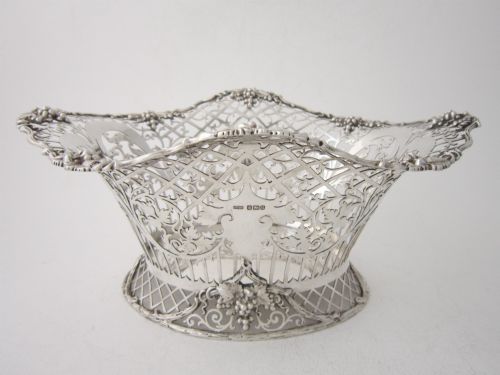
An antique sterling centrepiece is a significant table ornament designed to command attention in the middle of a dining or display table. These pieces take many forms, appearing as large pedestal bowls, elaborate epergnes with multiple arms, swing-handled baskets, and tall standing cups.
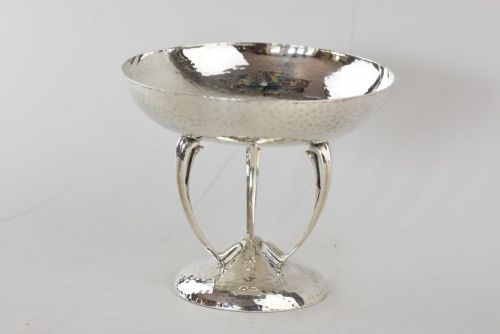
The pieces available trace through the Victorian, Edwardian, and George V periods, extending into the Art Nouveau and Arts & Crafts styles of the early twentieth century. You will frequently encounter Edwardian and Victorian footed bowls alongside substantial George V baskets and epergnes.
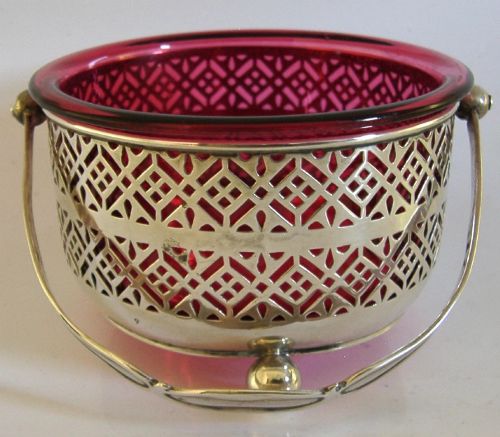
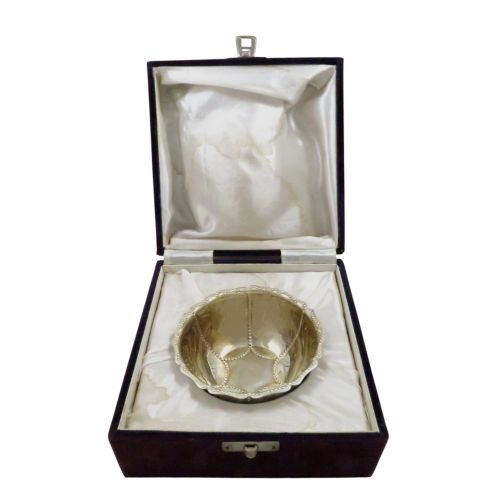
Makers utilised these forms for formal dining and presentation purposes, often marking significant occasions with engraved inscriptions or fitted presentation cases. While some function purely as decorative bowls, others incorporate removable glass liners, cranberry glass inserts, or crystal bodies.
How they were made
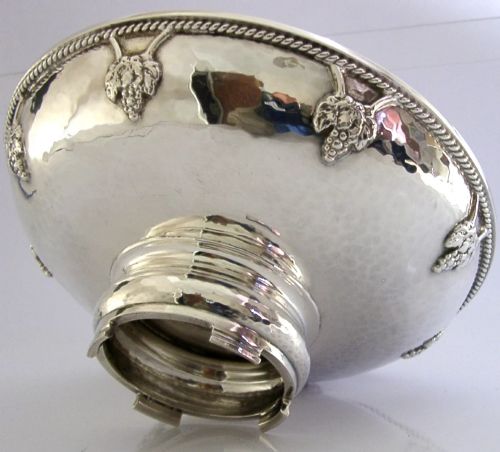
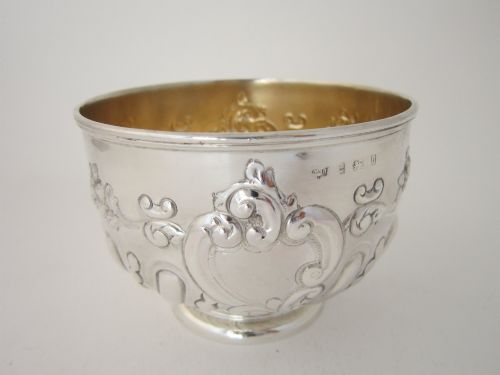
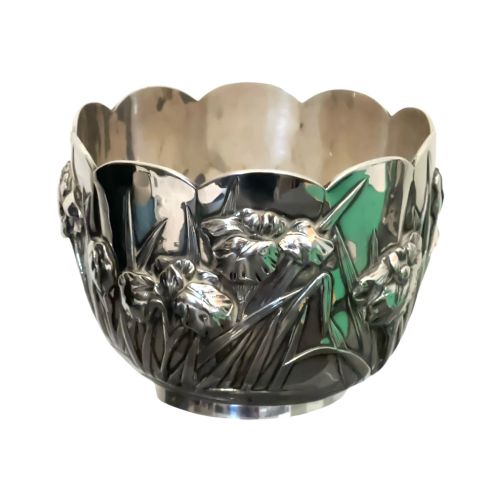
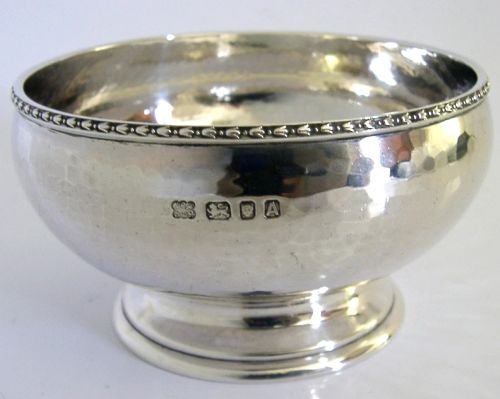
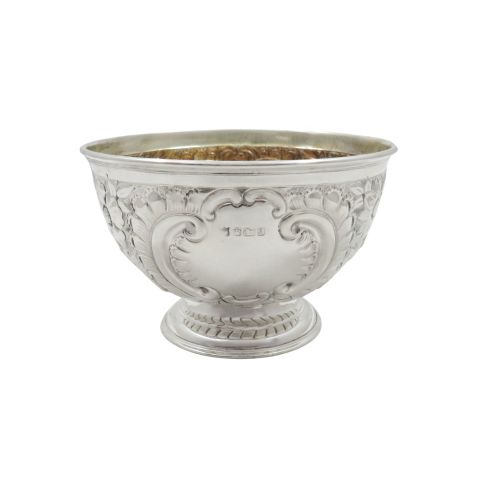
Silversmiths shaped these heavy vessels from solid sterling silver, frequently employing repoussé and chasing techniques to raise intricate floral, rococo, or figural motifs from the metal. Arts & Crafts examples display distinct planished and hammered surfaces produced by hand-working the metal with specialist hammers.
Many centrepieces combine sterling silver with contrasting materials such as cut glass, crystal, and satin-finished cranberry glass, particularly in basket and epergne forms. Certain bowls and dishes feature internal silver gilt finishes, providing a bright gold-toned layer against the polished exterior.
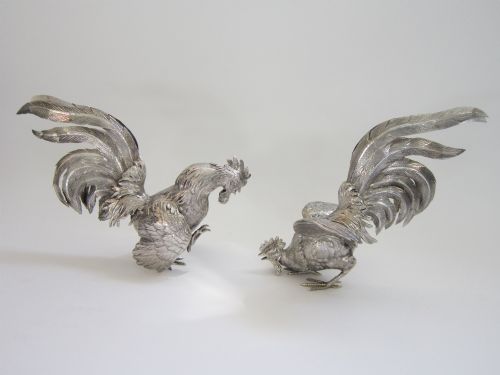
Several pieces depict solid silver fighting cockerels frozen mid-battle, bringing an unexpected farmyard dispute directly onto the dining table.
What varies in quality
The gauge of the sterling silver dictates the structural integrity of the piece, with heavier centrepieces maintaining stability under the weight of glass inserts or fruit. Substantial weight prevents distortion in large bowls and tall multi-armed epergnes.
Hand-executed craftsmanship distinguishes high-end pieces, visible in the depth of repoussé relief work and the crispness of chased detailing by named makers. The integration of quality materials, such as heavy-cut crystal liners or matched glass components, elevates the standard of the construction.
Tom Mackie·Goldsmiths and Silversmiths Company·Charles Boyton·Nathan and Hayes·John Hunt·Joseph Rodgers·Walker & Hall·Mappin & Webb
The Antique Sterling Centrepiece Glossary
- Epergne
- A large table centrepiece featuring a central bowl or basket surrounded by multiple detachable arms, branches, or trumpets for holding flowers or sweetmeats.
- Repoussé
- A metalworking technique where the silversmith hammers the design from the reverse side to form a raised relief on the front.
- Tazza
- A shallow ornamental bowl or dish mounted upon a stem and foot, commonly produced in silver during the nineteenth and twentieth centuries.
- Planished
- A hammered surface finish showing the controlled, overlapping marks of a small-headed hammer, characteristic of Arts & Crafts silverwork.
- Animalier
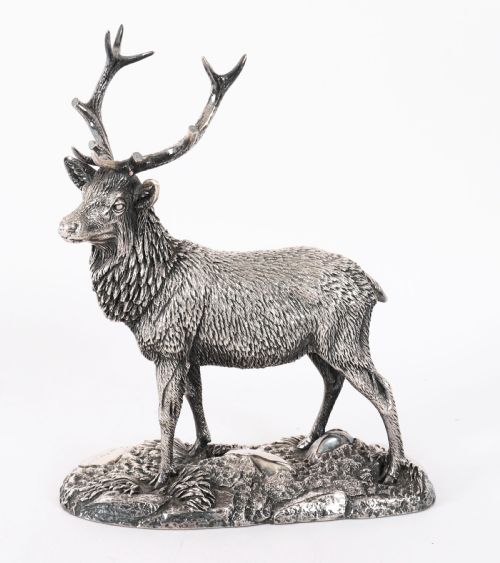
- A style of sculpture that realistically portrays animals, seen on silver models and figural centrepieces.
Antique Sterling Centrepiece: Frequently Asked Questions
What is an epergne centrepiece?
An epergne is a branched table centrepiece designed to hold multiple small dishes, baskets, or trumpet vases simultaneously. They were traditionally used to serve fruit, sweetmeats, or floral arrangements at formal dinners.
These elaborate silver structures often feature a central vessel supported by matching arms radiating outwards. The smaller baskets or trumpets can usually be detached for cleaning or individual use.
How were centrepieces used on Victorian tables?
Victorians used large sterling centrepieces as the visual anchor for elaborate dining table settings. They frequently filled the bowls with fresh fruit, flowers, or decorative glass inserts to catch the candlelight.
Presentation centrepieces were also given as retirement or commemorative gifts, often accompanied by engraved inscriptions detailing the occasion. These pieces moved from the dining table to sideboards and display cabinets when not in active use.
How do I identify an Edwardian centrepiece?
Edwardian centrepieces often reflect lighter, more decorative revival styles such as Rococo floral repoussé and neoclassical garlands. Hallmarks stamped on the silver will indicate the specific year of assay during the Edwardian period.
Makers working in this era combined traditional sterling silver frames with delicate cranberry glass liners or cut crystal bowls. The forms tend toward elegant pedestal dishes and swing-handled baskets.
Can I use an antique silver bowl for food?
Solid sterling silver is generally safe for serving dry foods, fruits, or baked goods. Many period bowls also feature glass or silver-gilt linings designed to protect the metal from acidic foods.
Hand washing with mild soap is essential to preserve the antique finish and any delicate chasing. Avoid leaving moist or acidic items in contact with the silver for extended periods.