

Antique Steel Weapon
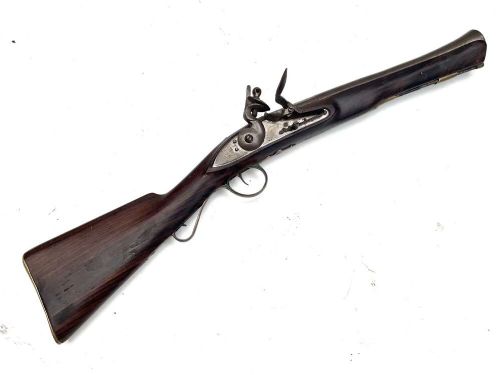
When you search for an antique steel weapon, you are looking at edged blades, concealed sticks, and firearms forged across centuries.
Antique Steel Weapon
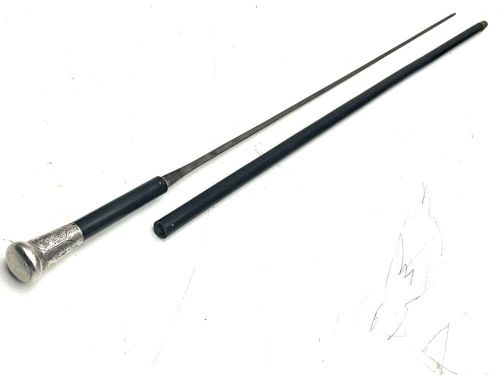
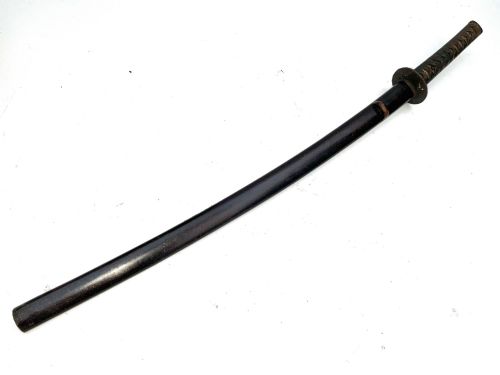
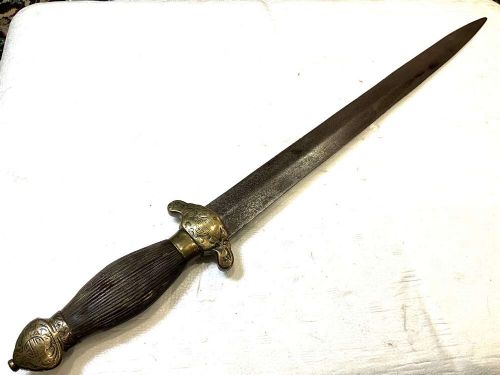
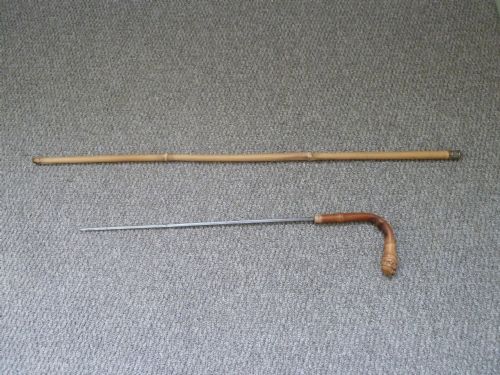
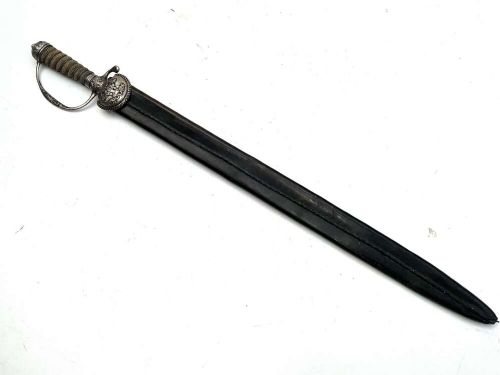
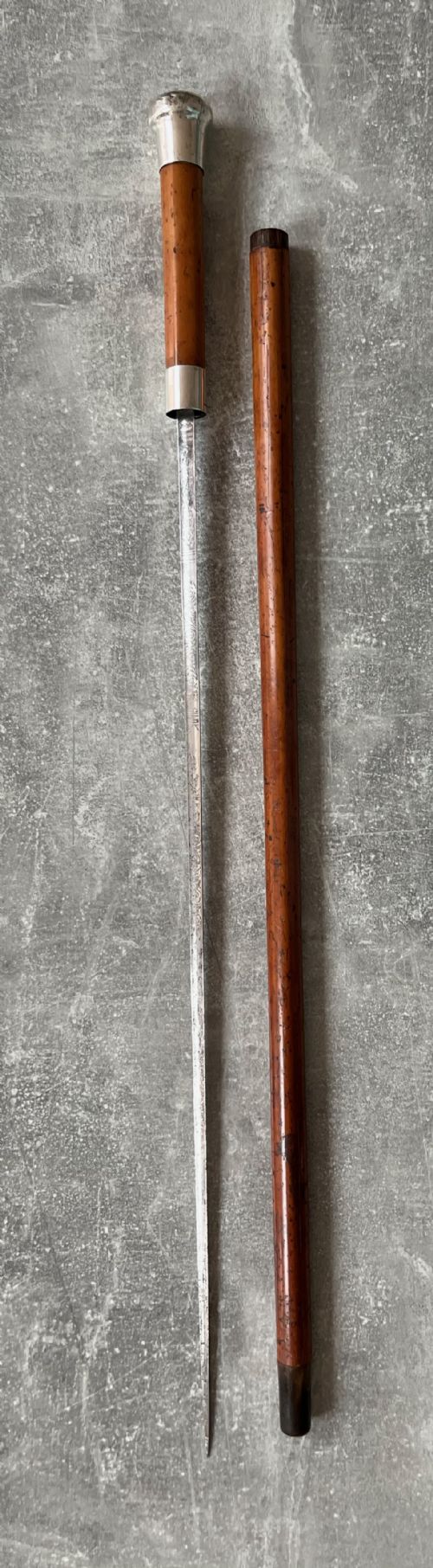
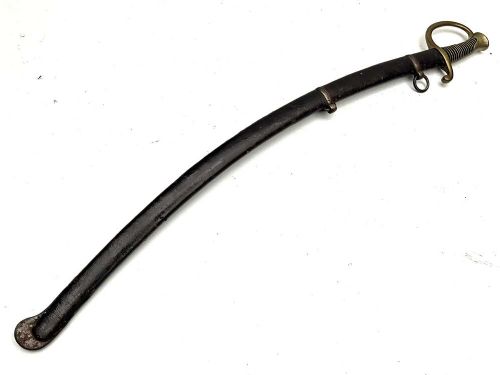
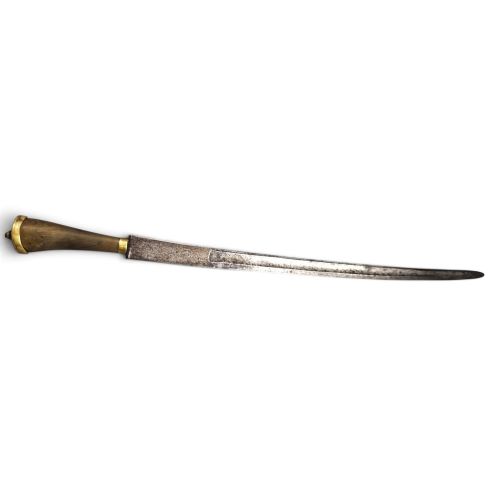
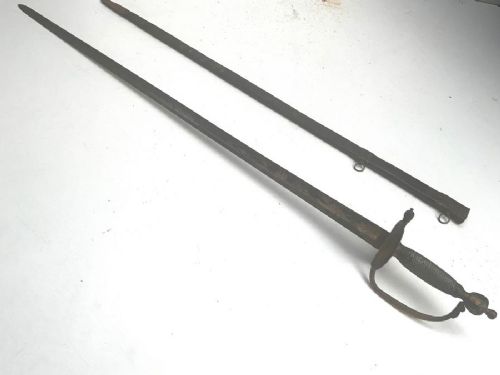
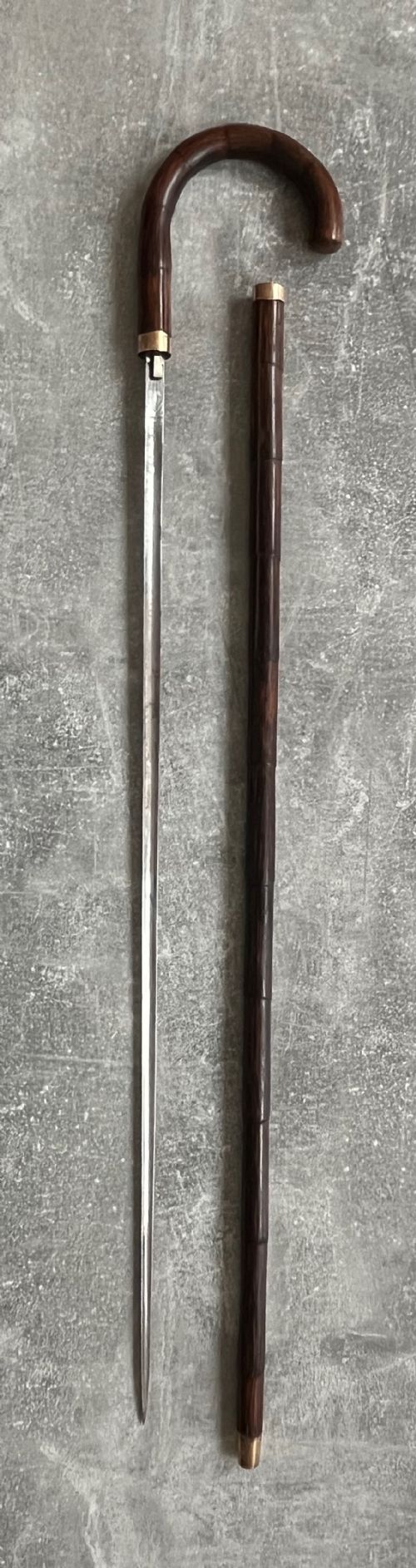
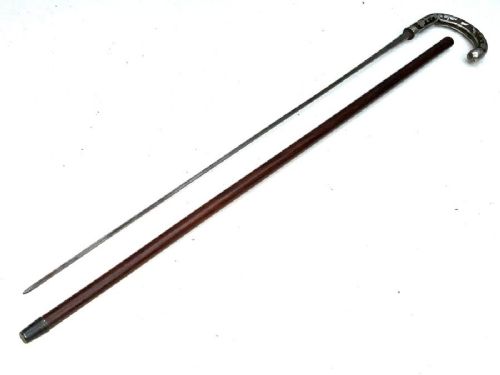
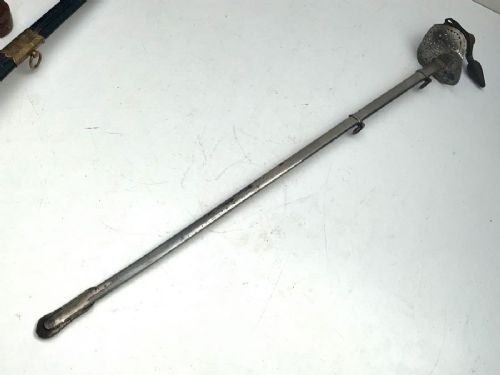
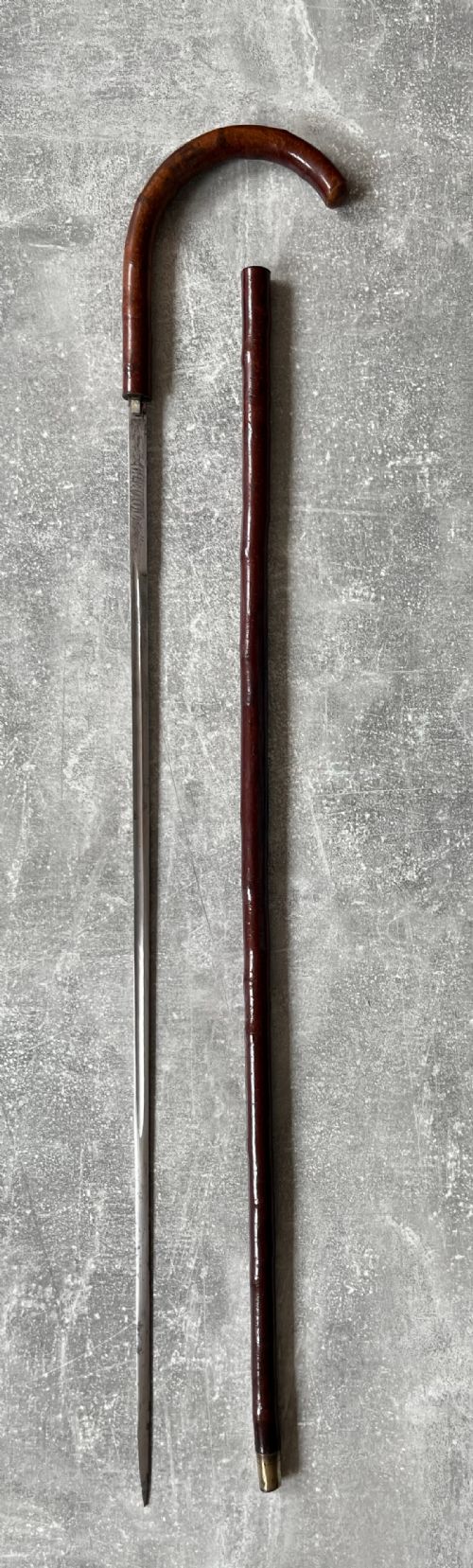
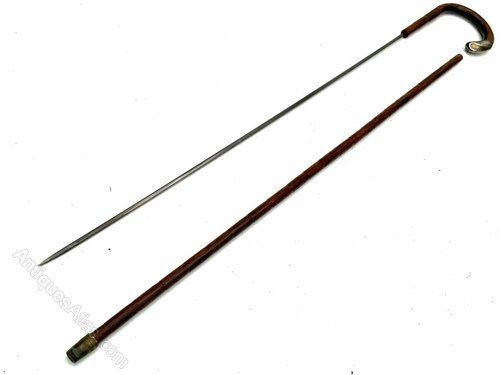
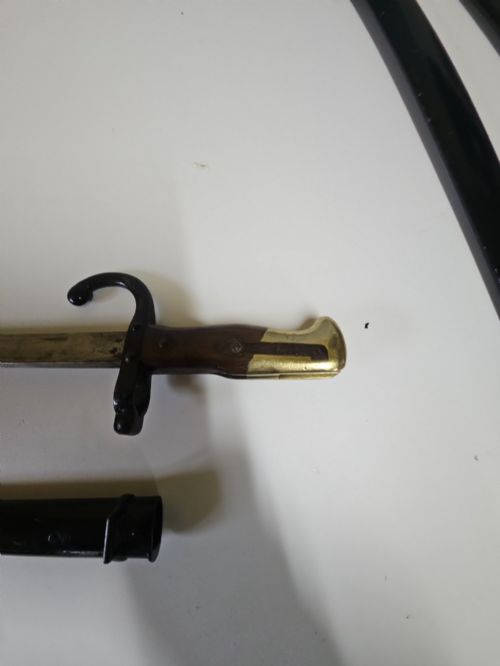
An antique steel weapon covers everything from heavy cavalry sabres and bayonets to concealed sword sticks housed in malacca, partridge wood, or cherrywood. You will also encounter regional edged forms like Indian katars, Afghan daggers, and Japanese wakizashi swords alongside percussion pistols.
The pieces span the eighteenth, nineteenth, and early twentieth centuries, reflecting military service, civilian self-defence, and traditional craftsmanship. Victorian examples dominate the selection, particularly British and French military patterns and gentlemanly walking aids.
Makers such as Wilkinson of London appear alongside regional works from India, Japan, and the Ottoman Empire. Forms range from functional trench and field equipment to decorative officer sidearms and court dress swords.
Materials and construction
Forged steel forms the primary blade and barrel material, often paired with brass fittings, iron guards, and silver mounts. Handles utilise natural timbers like walnut, holly, and malacca, sometimes finished with horn, leather, or bone.
Blades receive blue and gilt treatments, intricate etching, or traditional folding techniques as seen in Japanese and Toledo works. Scabbards combine leather, wood, and metal components to protect the active edges.
Antique Steel Weapon Retail Price Guide 2026
Typical asking prices for steel weapon among the pieces listed under this phrase on Sellingantiques today, from the lower quarter to the upper quarter. They describe what is for sale here now, not the wider market.
Some nineteenth-century gentlemen walked the London streets armed with holly wood and faux bamboo sticks hiding Toledo steel.
Judging the standard
Quality rests upon the integrity of the steel forging, the crispness of blade etching, and the balance of the weapon in the hand. Maker signatures, such as a verified Wilkinson stamp, elevate a piece through documented provenance.
The joinery of concealed walking sticks and the preservation of original leather scabbards, wooden mounts, and companion knives dictate the desirability of the piece.
Wilkinson·Joseph Egg
The Antique Steel Weapon Glossary
- Spadroon
- A lightweight nineteenth-century cutting and thrusting sword with a straight single or double-edged blade.
- Katar
- An Indian push dagger characterised by an H-shaped horizontal handgrip that holds the blade away from the knuckles.
- Wakizashi
- A traditional Japanese short sword worn alongside a katana by the samurai class.
- Matchlock
- An early type of firearm ignition mechanism that uses a burning match to ignite the gunpowder charge.
- Percussion cap
- A small metal cup containing priming compound placed on a nipple to fire a muzzle-loading gun.
Antique Steel Weapon: Frequently Asked Questions
How do I identify a sword stick?
A sword stick conceals a steel blade inside a wooden shaft, typically released by a button or a pull mechanism. The exterior appears to be a standard walking cane made from malacca or bamboo.
Closer inspection reveals a collar where the handle meets the shaft and a heavier weight distribution than a normal walking stick.
Were these weapons used in combat?
Many items in this category saw active military service, including British and French cavalry sabres and standard-issue bayonets. Other pieces served as civilian self-defence tools or officer dress items.
Service weapons often bear regimental stamps or inspection marks from their period of use.
How should I care for antique steel?
Keep steel blades clean and lightly oiled to prevent active rust from forming in storage. Avoid abrasive cleaners that can remove original blue and gilt finishes or maker signatures.
Store wooden hafts and leather scabbards in stable room temperatures away from direct heat sources to prevent timber splitting.
What is a percussion pistol?
A percussion pistol is a muzzle-loading firearm that uses a hammer to strike a primer cap, creating a spark to fire the main powder charge. This nineteenth-century mechanism replaced older flintlock systems.
Target pistols from this era often feature heavy saw-handled grips for improved stability during shooting.