


Antique Steel Sidearm
An antique steel sidearm brings you face to face with the tactical engineering of past centuries, spanning swords, pistols, and daggers.
Antique Steel Sidearm
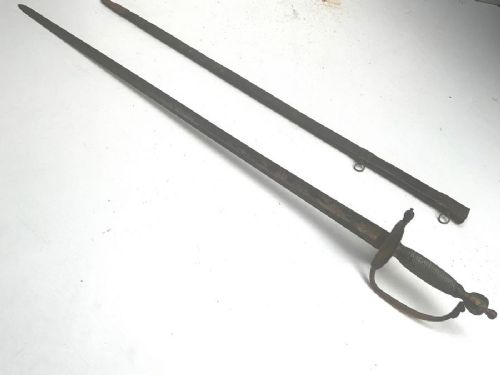
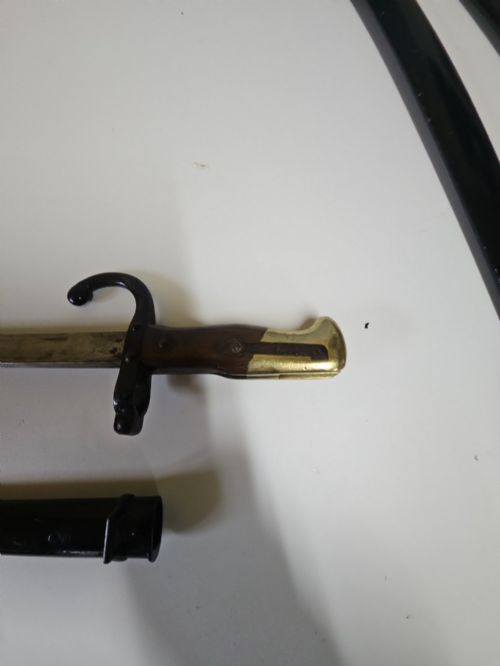
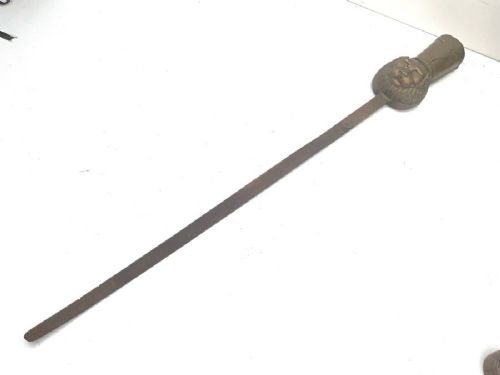
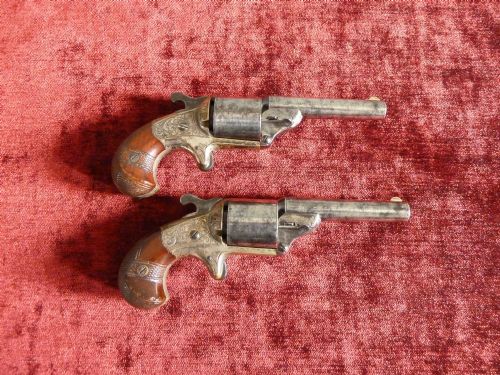
When you search for an antique steel sidearm, you encounter military and civilian personal weaponry primarily forged during the eighteenth and nineteenth centuries. These objects include British spandroons, French bayonets, Indian katars, and various percussion or flintlock pistols.
The pieces appearing on this page stretch from Georgian military equipment through Victorian militaria and Indo-Persian weaponry. You will find items issued to British, French, and American forces alongside private officers' pieces and duelling arms.
Forms range from long-bladed swords and Naval daggers to multi-shot revolvers and heavy cavalry pistols. Each surviving artefact preserves the functional design required for personal defence or active service in historical conflicts.
Materials and construction methods
Makers relied principally upon forged steel for blades, barrels, and internal lock mechanisms, often pairing the metal with brass mounts and iron frames. Stocks and grips were typically carved from dense timber such as walnut and other hardwoods.
Leather frequently appears on accompanying scabbards and holster gear, whilst select high-status pieces incorporate silver enrichments and blued or gilt blade finishes. Engineering combined hand-forging with precision filing to achieve working percussion and flintlock actions.
Object types span antique firearms, bayonets, swords, daggers, and general militaria originating from British, French, American, and Indo-Persian sources.
Distinctions in execution and survival
Quality separates mass military contracts from bespoke civilian commissions by master London makers or regional gunsmiths. Superior examples display crisp martial inspection stamps, matching serial numbers, and refined metalwork finishes that endure on the best preserved pieces.
The integrity of the mechanical action and the crispness of engraved details on steel and brass dictate the standing of an item. Untouched surface patination and complete matching components elevate an artefact above heavily restored or mismatched examples.
Deane, Adams And Deane·Meyer And Mortimer·Barber Of Newark
The Antique Steel Sidearm Glossary
- Flintlock
- An ignition mechanism that uses a piece of flint struck against a steel frizzen to create sparks for gunpowder ignition. This system dominated military and civilian sidearms throughout the eighteenth and early nineteenth centuries.
- Percussion cap
- A small metallic cup containing detonating compound placed on a nipple to ignite the powder charge via hammer strike. This innovation largely replaced flintlocks during the nineteenth century.
- Spadroon
- A lightweight, straight-bladed military sword designed for both cutting and thrusting used by officers. It became standard sidearm equipment for British infantry and cavalry during the Georgian era.
- Katar
- A traditional Indian push dagger characterised by an H-shaped horizontal grip that aligns the blade with the user's arm. These often feature reinforced steel construction and pierced protective sheaths.
- Smoothbore
- A firearm barrel lacking internal rifling grooves, designed to fire lead balls without imparting spin. Many military sidearms retained this bore type well into the nineteenth century.
Antique Steel Sidearm: Frequently Asked Questions
Were these sidearms used in combat?
Many pieces on this page carry martial issue marks, indicating active service in conflicts such as the American Civil War or Napoleonic campaigns. Officers and cavalrymen routinely carried private purchase or regulation sidearms into the field.
Other items, such as duelling pistols and silver-mounted pocket arms, served civilian purposes for personal defence or gentlemanly disputes.
How do I date a percussion pistol?
Dating relies upon proof marks, patent dates, and stylistic shifts from flintlock to percussion systems occurring around the mid-nineteenth century. Maker signatures and military acceptance stamps often point to specific contract years.
Comparing lock plate geometry and barrel lengths against documented military patterns narrows the production window.
Can I fire an antique sidearm?
Firing historical sidearms is generally discouraged due to degraded metal fatigue and potential vulnerabilities in antique steel and wood. Modern propellants can easily exceed the pressure tolerances designed for nineteenth-century black powder.
Evaluation by a qualified gunsmith is mandatory before any attempt at functional testing, though most collectors treat them strictly as historical artefacts.