


Antique Steel Companion Set
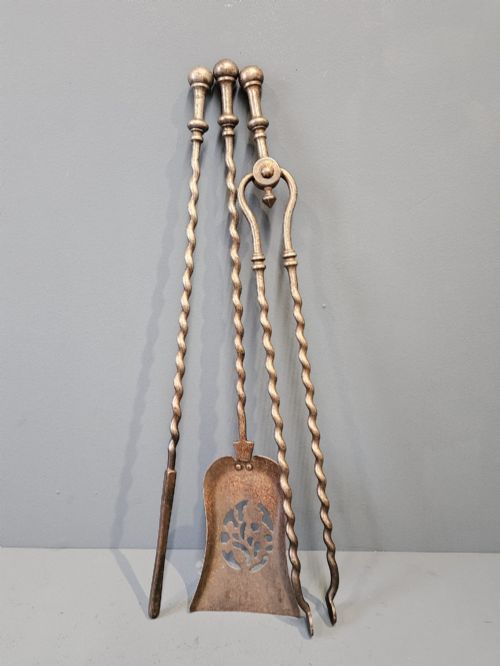
An antique steel companion set brings together the essential hearth tools of tongs, poker, and shovel with enduring period craftsmanship.
Antique Steel Companion Set
An antique steel companion set comprises matched groupings of fireplace tools designed to tend an open hearth efficiently. Buyers searching this phrase meet sets dating from the eighteenth, nineteenth, and early twentieth centuries, spanning Georgian, Regency, and Victorian periods.
The configurations typically include combinations of fire irons such as pokers, tongs, and shovels, often accompanied by a dedicated stand or fender. Pieces originating from the Georgian and Regency eras frequently display refined turning, whilst Victorian examples introduce heavier proportions and distinct stylistic revivals.
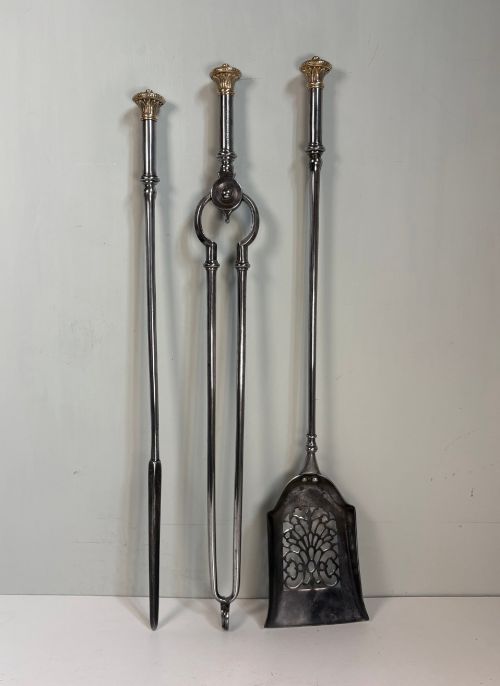
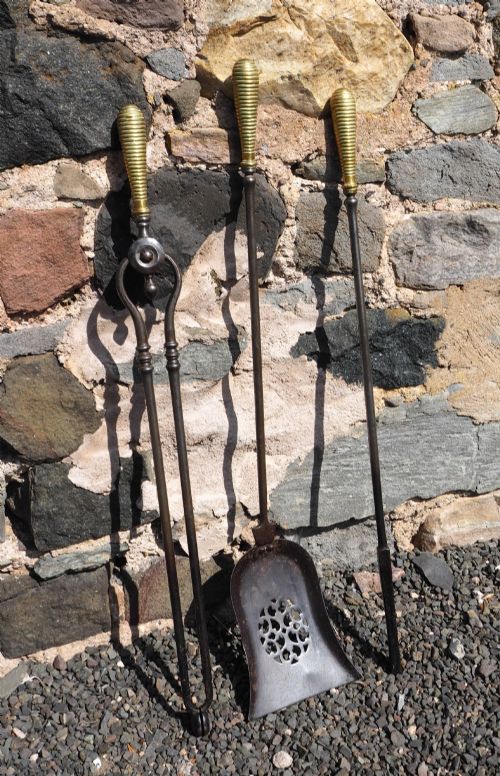
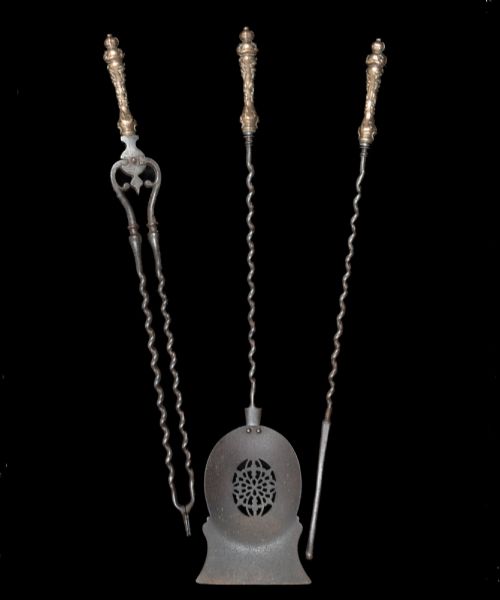
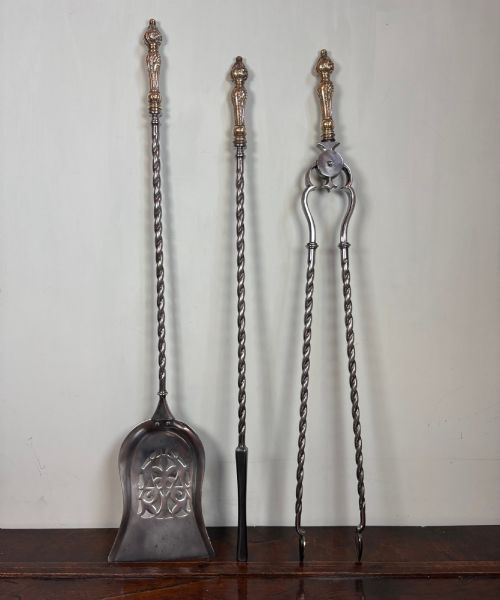
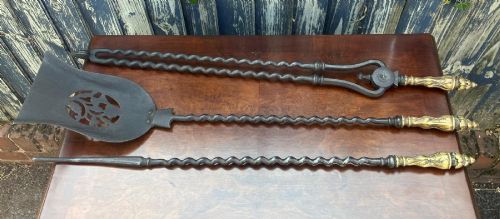
Most entries combine steel shafts with contrasting elements such as brass handles or gilt mounts, creating a dual-metal aesthetic characteristic of British hearth furniture. These sets serve both a functional role in managing coal or wood fires and a decorative purpose within period interiors.
Materials and construction methods
The primary material across the listings is steel, frequently finished as polished steel, burnished steel, or gunmetal to provide a reflective surface. Blacksmiths and metalworkers shaped these shafts through forging and turning, ensuring structural rigidity for heavy daily use at the hearth.
Brass and gilt brass components frequently appear alongside the steel, forming decorative handles, finials, and stands. These mixed-metal assemblies combine the strength of iron and steel with the warmth of copper-alloy accents.
Antique Steel Companion Set Retail Price Guide 2026
Typical asking prices for steel companion set among the pieces listed under this phrase on Sellingantiques today, from the lower quarter to the upper quarter. They describe what is for sale here now, not the wider market.
Listings feature steel companion sets spanning from the eighteenth century through the Edwardian era, incorporating brass, iron, and gunmetal elements.
Assessing quality in period hearth tools
Quality reveals itself in the weight and balance of each individual tool, where heavier gauges of steel and solid brass mounts indicate superior manufacture. Finer sets display crisp turning on the shafts and handles, with precise joints connecting the working ends to the stems.
The grade of finishing distinguishes standard utility items from higher-status pieces, particularly in the depth of the burnishing and the execution of decorative details on the handles. Complete matching sets that retain their original companion stands or coordinated fenders represent a higher tier of historic survival.
The Antique Steel Companion Set Glossary
- Companion set
- A coordinated group of fireplace tools, usually comprising a poker, tongs, and shovel, designed to be displayed together. These sets often include a matching stand or rest.
- Fire irons
- Individual metal implements used for tending a fire, encompassing pokers, tongs, and shovels. They form the core components of any hearth tool collection.
- Burnished steel
- Steel that has been mechanically polished to a high, reflective shine using abrasive materials. This finish was especially popular during the Georgian and Regency periods.
- Gunmetal
- A type of bronze composed of copper, tin, and zinc, utilised for dark, durable handles and mounts on nineteenth-century tool sets.
- Gilt brass
- Brass that has been coated with a thin layer of gold or gold-coloured alloy to enhance its decorative appearance. It provides a bright contrast against dark steel.
Antique Steel Companion Set: Frequently Asked Questions
What tools belong in a set?
A standard period set generally includes a poker for adjusting fuel, a pair of tongs for placing logs or coal, and a shovel for clearing ash.
Additional pieces might involve a brush or a dedicated metal stand to hold the implements upright beside the fireplace.
How do I date a set?
Dating relies on stylistic clues such as the profile of the handles, the method of metal finishing, and prevailing decorative movements.
Georgian and Regency items often show slender, elegant turning, whereas Victorian examples tend to be heavier and more ornate.
Can these tools be used?
Most historic steel and brass tools remain structurally robust enough for regular service on an open fire or wood burner.
Careful handling and appropriate metal maintenance will preserve the finish without compromising their historic integrity.
Why mix steel and brass?
Combining steel and brass was a popular decorative choice among British metalworkers to create visual contrast at the hearth.
The dark or polished grey of the steel complements the warm, golden tones of the brass mounts and handles.