



Antique Stationery Post Box
These antique stationery post boxes are handsome desk accessories designed to hold your daily correspondence, bringing period charm and practical utility to any study.
Antique Stationery Post Box
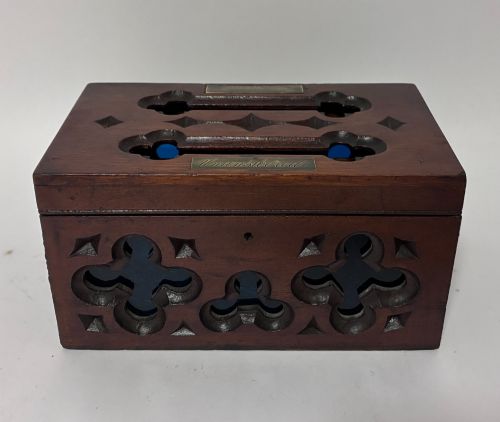
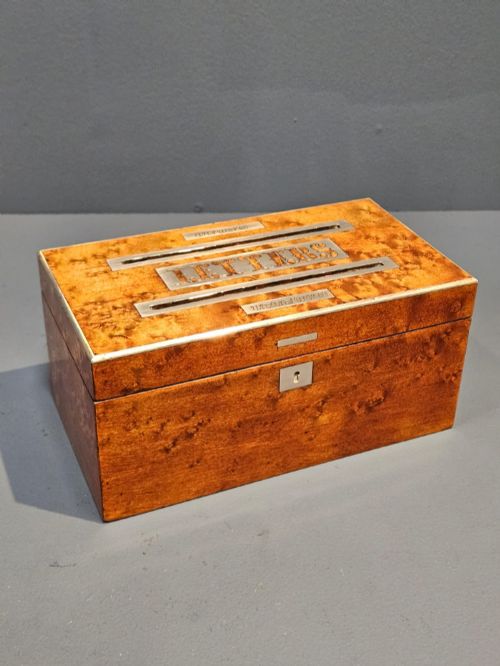
When you search for an antique stationery post box, you encounter practical desk furniture made to manage correspondence in country houses, hotels, and domestic studies during the nineteenth and early twentieth centuries. These pieces typically take the form of tabletop boxes or cabinets designed to receive incoming and outgoing letters.
The versions you are most likely to meet on this page hail from the Victorian and Edwardian eras, spanning the mid nineteenth century up to 1900. They range from robust country house oak models to refined satinwood specimens and novelty piano desk accessories.
Makers of the period constructed these letter boxes to sit upon large desks or hall tables, often featuring designated slots for answered and unanswered mail. Their primary purpose was to keep domestic or commercial paperwork orderly before the modern postal system rendered desk-top collection boxes obsolete.
How they were made
Makers utilised solid timbers such as oak and mahogany as the structural foundation for these post boxes, frequently applying burr satinwood veneers to finer desk cabinets. Woodworkers carved decorative details by hand, producing robust panels for country house models and Gothic Revival architectural fronts.
Brass mountings, hinges, and designated letter plates provide the functional hardware across these pieces, often paired with glass inspection panels or bone label inserts. Interior partitions and fabric linings organise the stationery compartments, while specialised locking mechanisms secure the contents.
Antique Stationery Post Box Retail Price Guide 2026
Typical asking prices for stationery post box among the pieces listed under this phrase on Sellingantiques today, from the lower quarter to the upper quarter. They describe what is for sale here now, not the wider market.
Recorded styles include Victorian, Edwardian, Gothic Revival, and Arts and Crafts.
What varies in quality
The distinction between standard utility boxes and superior examples rests in the choice of cabinet timbers and the refinement of the decorative carving. Dense golden oak and finely figured burr satinwood elevate the presence of a piece far beyond plain, utilitarian softwoodcarcasses.
Hardware execution and interior complexity also separate grades of manufacture, as seen in heavy brass mountings, fitted bone indicators, and integrated desk organisers. Superior items demonstrate careful joinery and thoughtful architectural proportions that reflect the aesthetic movements of their day.
The Antique Stationery Post Box Glossary
- Correspondence box
- A desk accessory designed specifically to hold writing paper, envelopes, and incoming or outgoing letters.
- Gothic Revival
- An architectural and decorative style popular in the nineteenth century, characterised by pointed arches, heavy mouldings, and medieval motifs.
- Burr satinwood
- A highly figured timber prized for its mottled grain pattern, utilised on luxury veneer surfaces during the Victorian period.
- Arts and Crafts
- A design movement valuing traditional craftsmanship, simple forms, and honest construction, often visible in hand-carved oak pieces.
- Stationery cabinet
- A larger desk-top container featuring internal divisions, pigeonholes, and compartments for organising writing materials.
Antique Stationery Post Box: Frequently Asked Questions
What is an antique stationery post box?
It is a tabletop container or miniature cabinet built to hold letters and writing paper in nineteenth and early twentieth-century homes and hotels.
These boxes typically feature slotted lids or front posting apertures alongside internal partitions for organising mail.
How were these letter boxes used?
They served as domestic or commercial collection points for daily correspondence before it was taken to the main post office.
Households used them to keep incoming letters private and outgoing mail ready for collection by postal workers.
How do I date an oak post box?
Dating relies upon stylistic markers such as Gothic Revival mouldings, Arts and Crafts hand-carved details, or Edwardian domestic proportions.
Construction methods and timber selection also help place a piece within the nineteenth or early twentieth century.
Where did country house post boxes sit?
They sat prominently upon hall tables, studies, or hotel reception desks where guests and family members could deposit their daily letters.
Their solid construction allowed them to withstand heavy daily use in busy domestic environments.