

Antique Statement Dress Ring
When you search for an antique statement dress ring, you are looking for a striking piece of hand jewellery designed to draw the eye with substantial stones and distinct period character.
Antique Statement Dress Ring
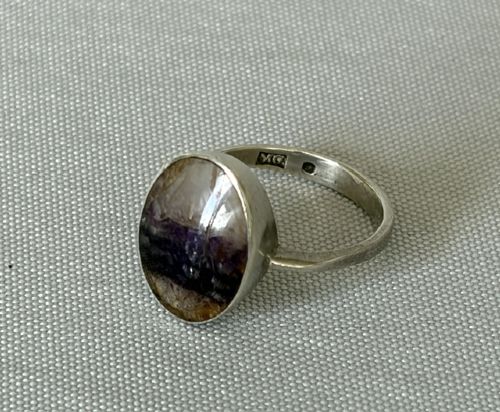
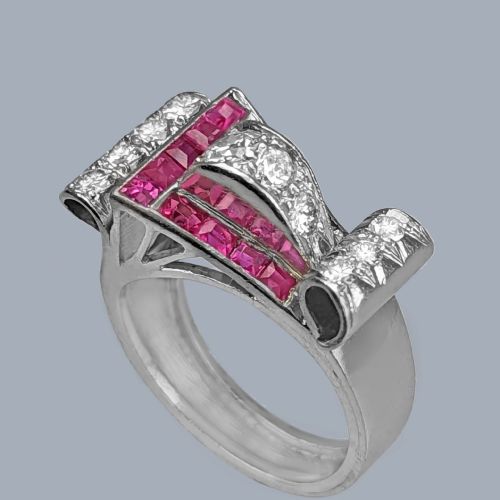
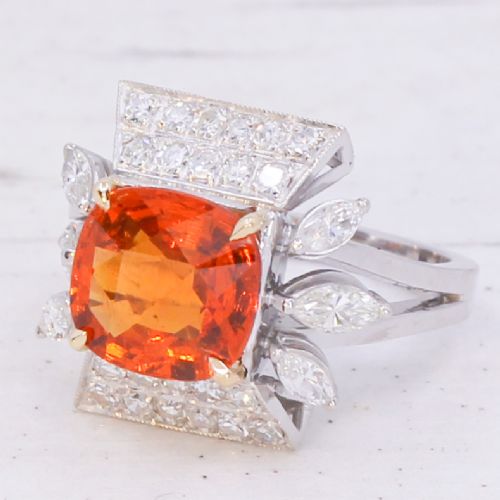
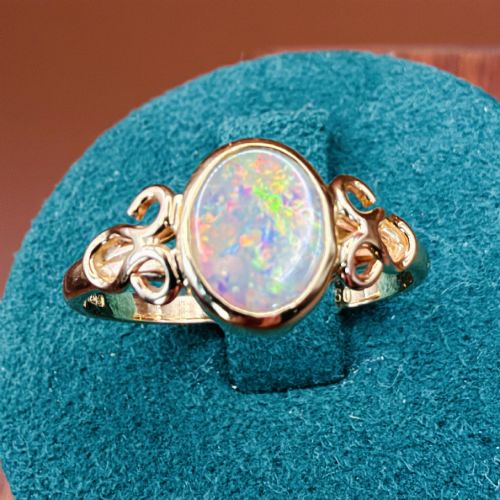
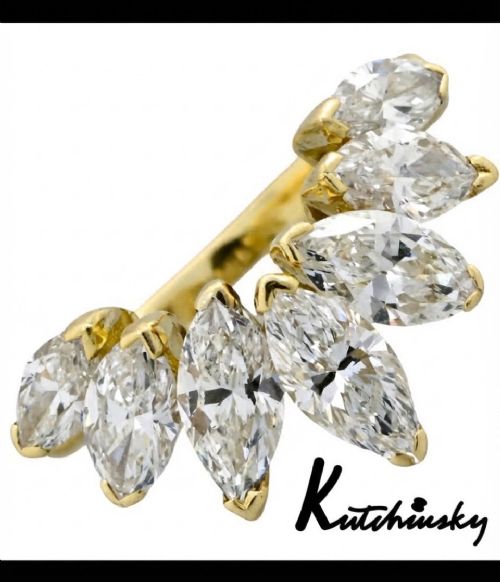
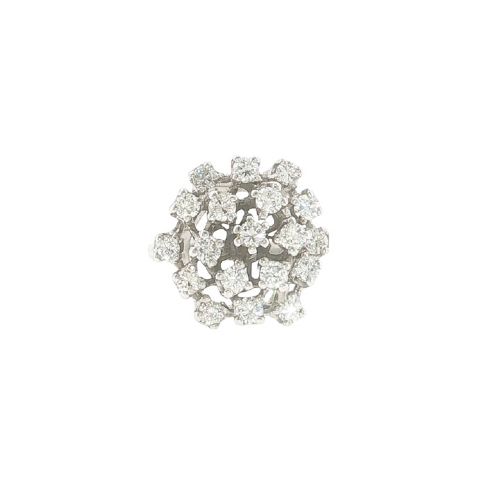
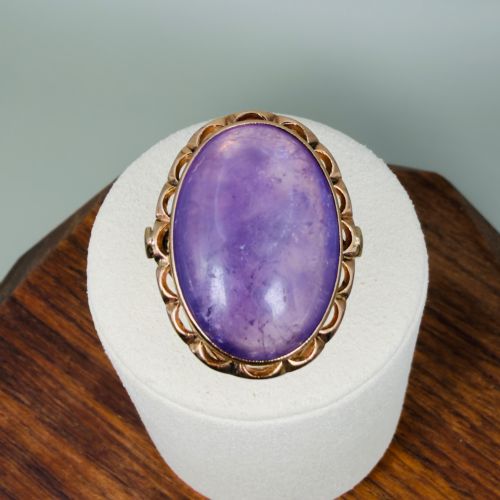
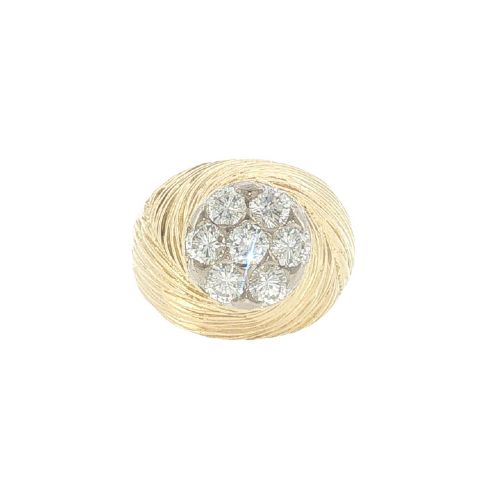
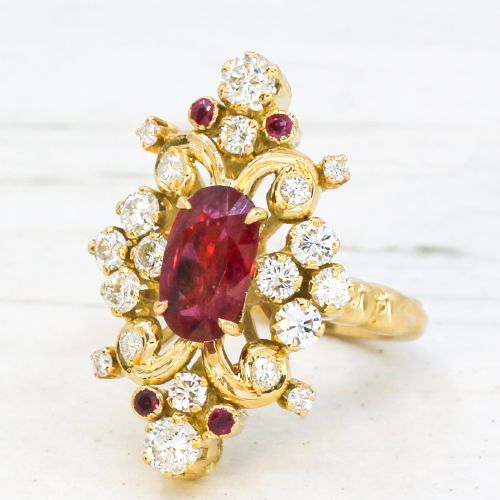
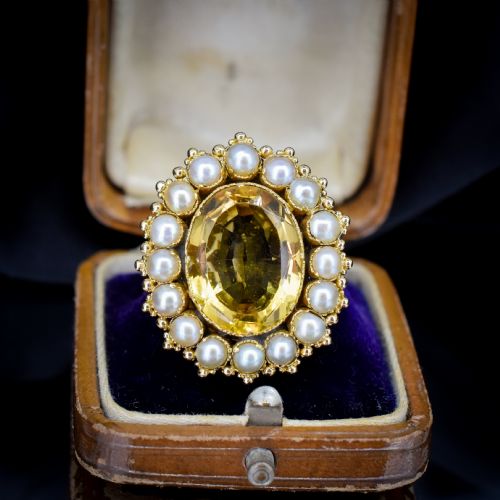
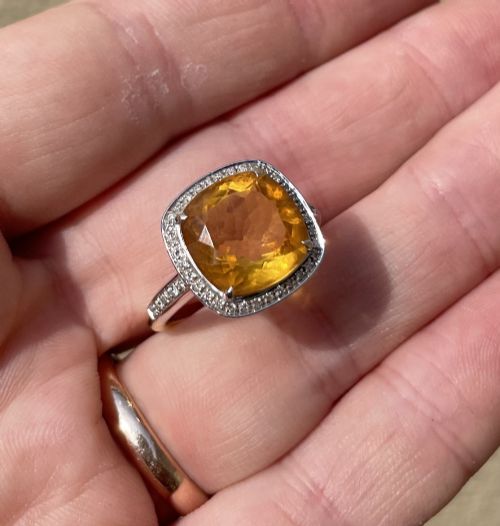
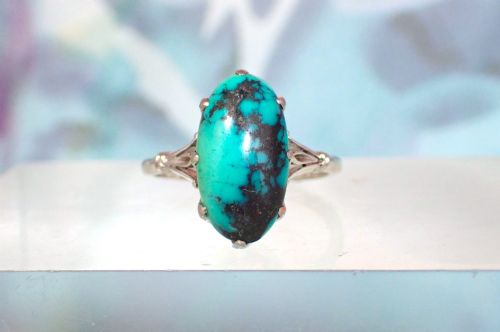
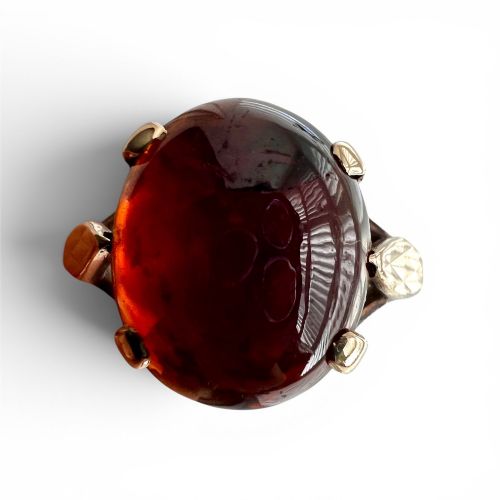
An antique statement dress ring is a prominent hand ornament created to command attention through bold scale, colourful gems, or sculptural metalwork. When exploring this category, you will encounter diverse forms ranging from large gemstone clusters and geometric cocktail designs to carved minerals set upon the finger.
The selections span the late nineteenth century through to the mid-twentieth century, encompassing Victorian, Edwardian, Art Deco, Retro, and mid-century aesthetics. Art Deco and mid-century examples heavily populate the available pieces, bringing architectural lines or substantial cabochon gems to the forefront.
Makers utilised significant central stones such as aquamarine, amethyst, opal, ruby, and sapphire, frequently bordered by diamonds or structured within heavy gold and platinum mountings. These rings served as fashionable adornments for social occasions rather than traditional tokens of betrothal.
How they were made
Goldsmiths and platinum smiths shaped these rings using precious metals including platinum, 18ct white gold, 18ct yellow gold, and rose gold. Heavier mountings provided the structural integrity required to securely hold large carat weight stones and intricate multi-gem clusters.
Craftsmen employed techniques such as bezel settings, claw settings, and panel construction to mount both faceted stones and smooth cabochons. Elements like calibrated onyx, enamel work, and carved jade or chalcedony integrated directly into the metal frameworks to create depth and contrast.
Materials appearing across the current selection include platinum, sterling silver, yellow gold, white gold, and rose gold.
What varies in quality
The distinction between tiers rests upon the choice of materials and the ambition of the design. Prominent, untreated centre stones and heavy platinum or high-carat gold mountings separate exceptional items from simpler configurations.
Execution of detail also dictates standard, where hand-carved elements, precise millegrain or geometric stone arrangements, and substantial gemstone carat weights demonstrate superior craftsmanship from periods like the Art Deco era or Victorian epoch.
The Antique Statement Dress Ring Glossary
- Cabochon
- A gemstone shaped and polished with a smooth, rounded surface rather than faceted facets. This style highlights the natural pattern or optical phenomenon of stones like opal and jade.
- Cluster ring
- A ring featuring a central gemstone surrounded by a group of smaller stones, typically diamonds or pearls. This arrangement maximises visual impact and perceived size upon the hand.
- Old cut diamond
- A diamond cut with hand-faceted geometry typical of the nineteenth and early twentieth centuries, featuring a small table and high crown. These stones exhibit a softer, deeper candlelit sparkle compared to modern cuts.
- Cocktail ring
- A large, ostentatious ring designed during the twentieth century to be worn at evening parties. They often incorporate oversized centre gems and dramatic geometric mountings.
- Millegrain
- A decorative technique involving a line of tiny metal beads along the edges of a setting. It imparts a delicate, textural border popular in Edwardian and Art Deco jewellery.
Antique Statement Dress Ring: Frequently Asked Questions
What defines a statement dress ring?
A statement dress ring is characterised by its generous scale and visual prominence, intended primarily for fashion and social wear. These pieces typically feature large central gemstones, complex multi-gem clusters, or bold architectural metalwork.
Unlike everyday bands, they are created to stand out and catch the eye, drawing upon distinct historical styles from the Victorian period through to the mid-century.
How do I identify an Art Deco ring?
Art Deco rings are recognised by their geometric symmetry, straight lines, and stylised motifs that reflect the design ethos of the 1920s and 1930s. They frequently pair platinum or white gold with contrasting dark stones like onyx or bright gems such as emerald, ruby, and diamond.
Settings often utilise stepped tiers and calibrated stones to build sharp, architectural silhouettes on the finger.
Are these rings suitable for daily wear?
Wearing an antique ring daily requires consideration of its age, setting style, and the hardness of the central stones. Robust designs in platinum or 18ct gold with secure bezel or low-profile settings handle regular wear better than delicate or high-set multi-gem clusters.
Softer gems like opal, pearl, and turquoise demand particular care to avoid knocks and exposure to harsh chemicals.
What is a cabochon gemstone?
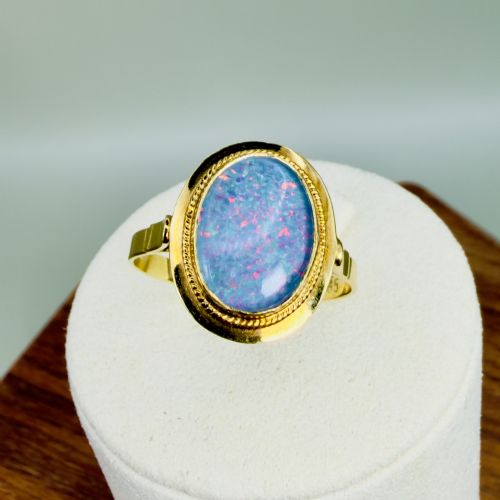
A cabochon is a gemstone that has been shaped and polished into a smooth, rounded dome rather than cut with flat facets. This traditional method is commonly applied to opaque or translucent stones to display internal phenomena, such as the play of colour in opal or the sheen of moonstone.
In period jewellery, large cabochons contribute significant tactile presence to cocktail and dress rings.
How are different periods told apart?
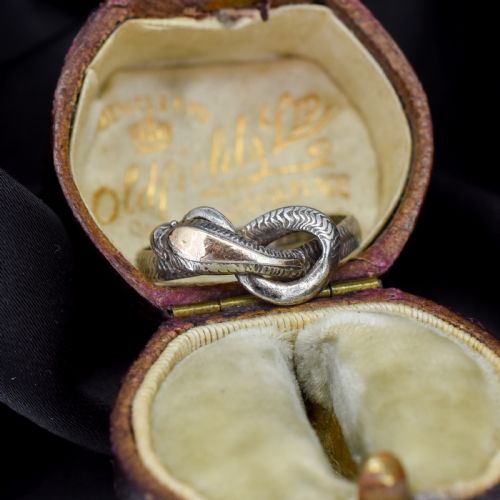
Different historical periods reveal themselves through distinct stylistic signatures, metal choices, and gemstone cuts. Victorian pieces often showcase warm rose gold, natural pearls, and romantic motifs like serpents or flower clusters.
Later Edwardian work leans into delicate platinum lace, while Art Deco introduces rigid geometry and mid-century designs favour bold yellow gold with substantial cocktail stones.