


Antique Standing Press
An antique standing press brings monumental timber storage and heavy mechanical capability into a room, serving as both furniture and functional apparatus.
Antique Standing Press
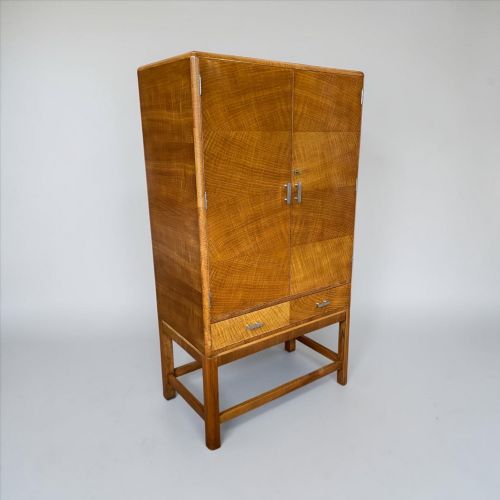
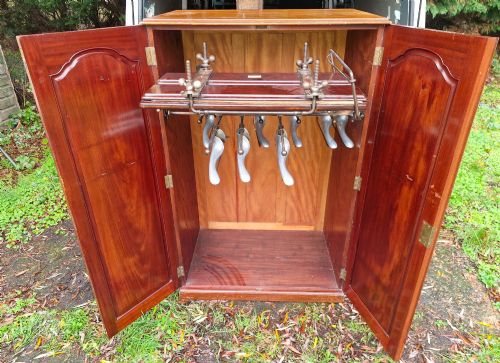
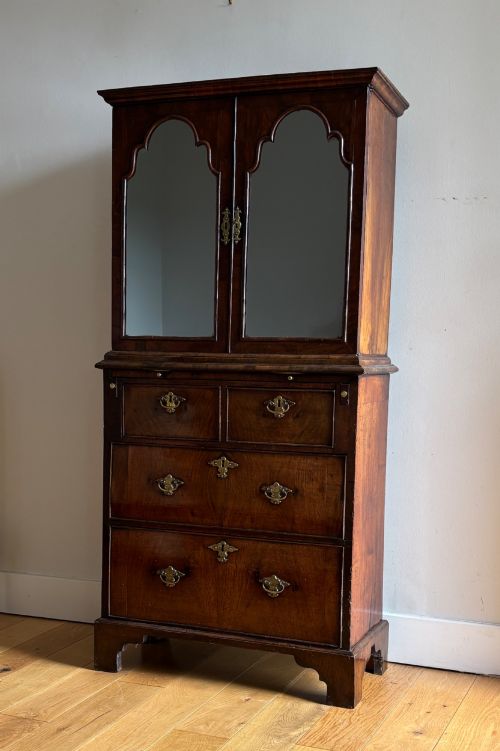
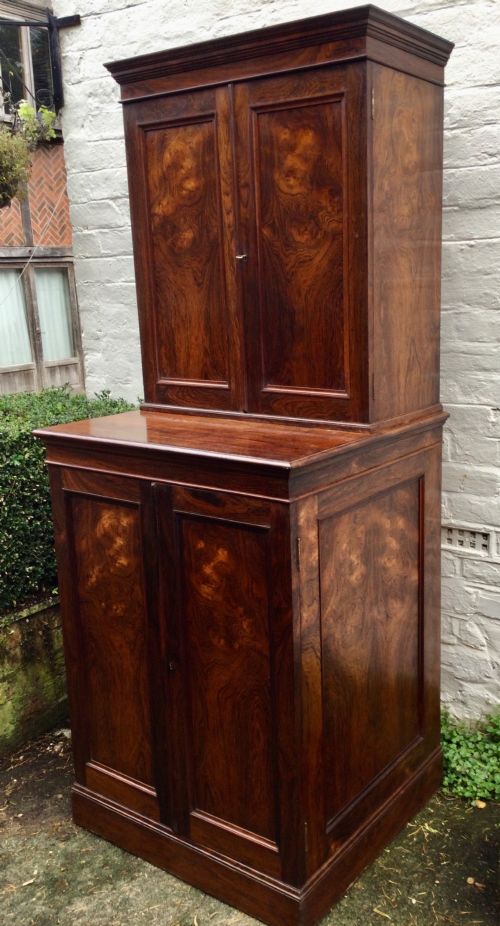
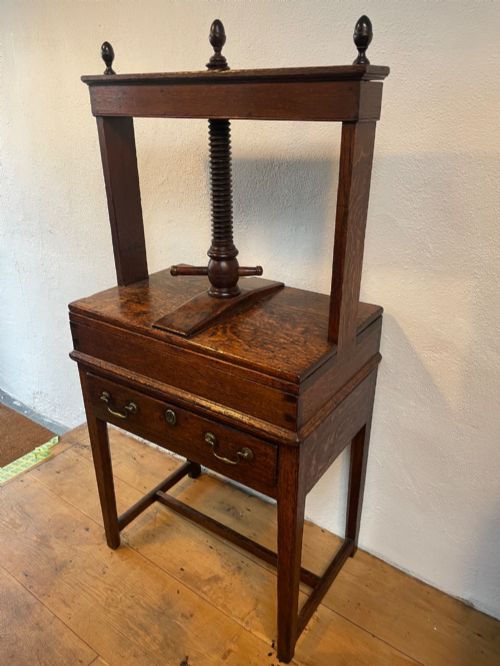
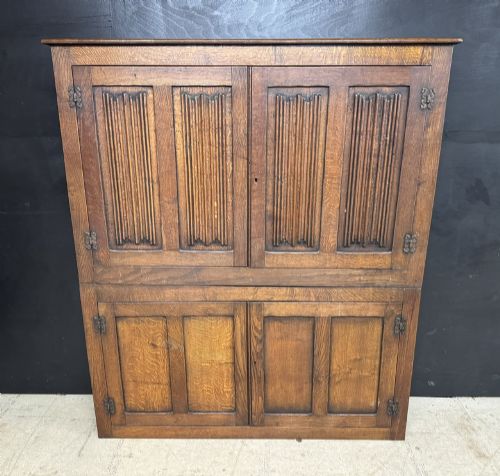
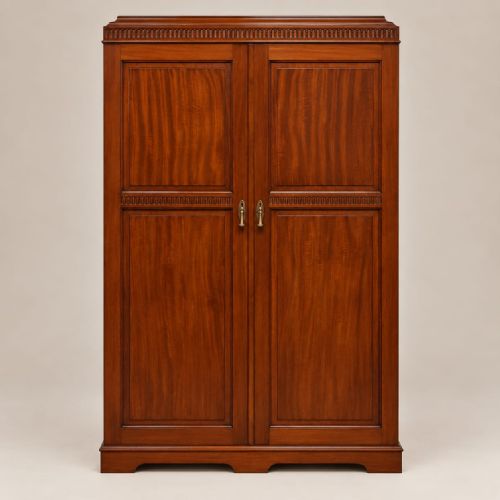
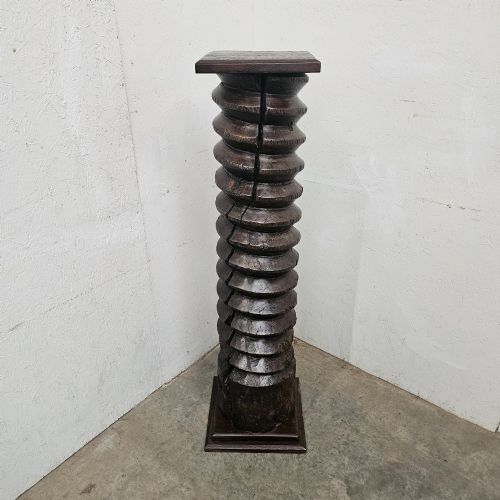
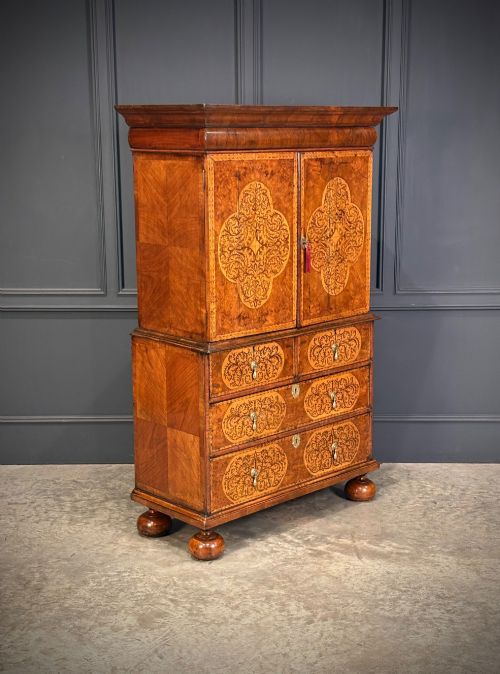
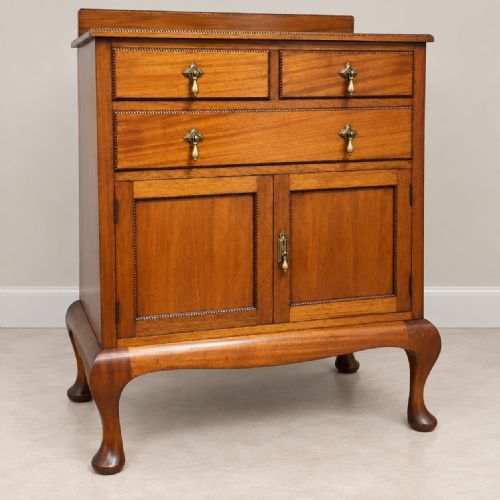
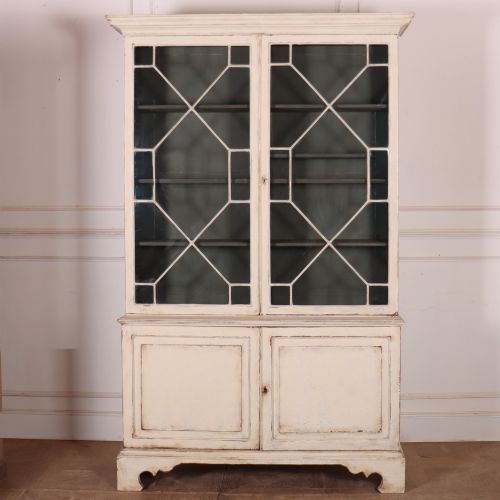
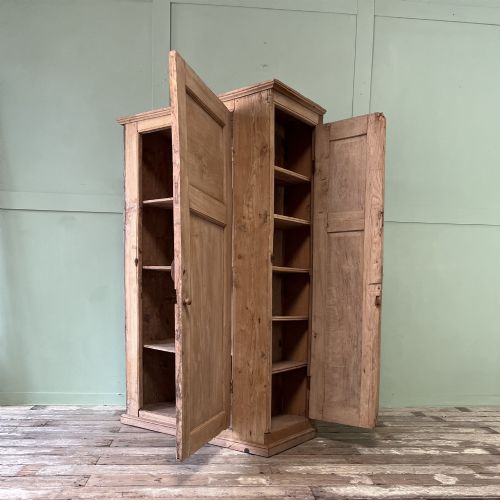
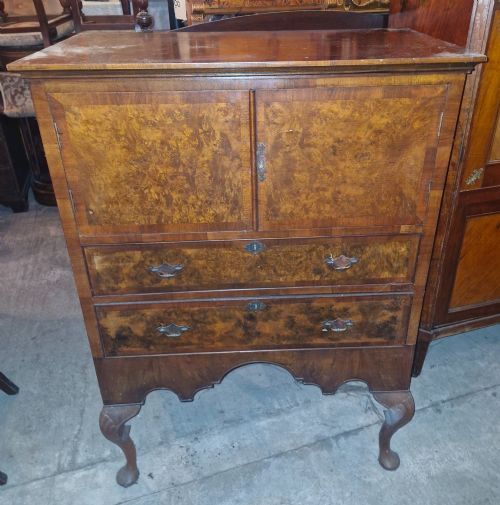
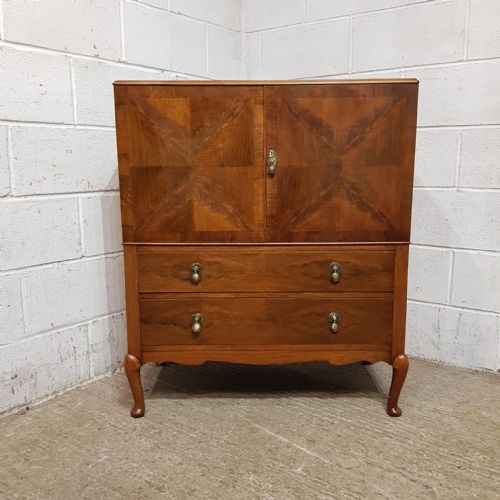
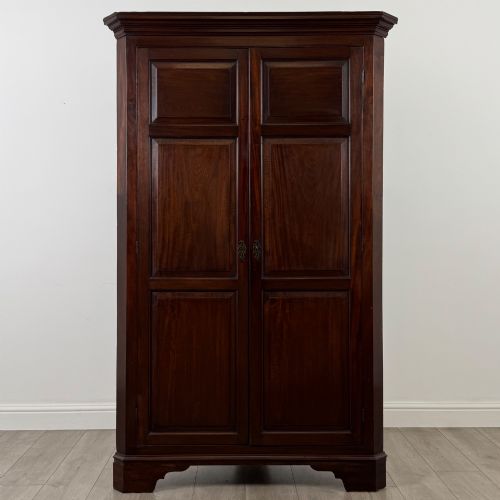
When you search for an antique standing press, you encounter large storage forms and heavy mechanical apparatus designed for linen, books, or wine. The selection spans robust oak court cupboards and Georgian linen presses alongside heavy screw-threaded presses and cabinets.
Most examples originate from the seventeenth, eighteenth, and nineteenth centuries, reflecting domestic and commercial utility. Oak and mahogany dominate the construction, often appearing in regional vernacular styles or formal revival periods.
Materials and construction methods
Cabinetmakers utilised heavy native timbers like oak, elm, and pine for early vernacular pieces, later turning to imported mahogany and walnut for refined wardrobes and tallboys. Joinery relied on traditional pegged framing, paneling, and dense dovetailing to support the immense weight of internal shelving and hanging space.
Mechanical elements incorporate iron and brass screw threads, original blacksmith-made locks, and forged hinges. Presses feature wooden or cast iron screws designed to apply heavy downward pressure for linen or bookbinding.
Antique Standing Press Retail Price Guide 2026
Typical asking prices for standing press among the pieces listed under this phrase on Sellingantiques today, from the lower quarter to the upper quarter. They describe what is for sale here now, not the wider market.
Listings feature heavy timber forms in oak, mahogany, walnut, and pine spanning the seventeenth through to the early twentieth century.
Assessing quality and integrity
Quality rests in the retention of original surfaces, timber patination, and unaltered internal configurations such as sliding trays or clothes pegs. Pieces retaining original blacksmith hardware and untouched timber finishes command greater integrity.
Proportion and execution separate provincial vernacular work from sophisticated urban cabinetmaking. Superior items display careful timber selection, such as burr walnut veneers or figured mahogany, balanced against robust structural joinery.
The Antique Standing Press Glossary
- Linen press
- A large tall cupboard with upper sliding trays for storing folded linens and lower drawers. The form often incorporates a screw mechanism inside the upper section.
- Court cupboard
- An antique enclosed cupboard originating in the seventeenth century, typically featuring carved tiers and heavy oak construction. These pieces served to display plate or store provisions in great houses.
- Book press
- A heavy mechanical device utilising a wooden or iron screw to flatten or bind paper. Examples frequently combine a solid timber table base with a metal screw thread.
- Crossbanded
- A method of applying narrow strips of veneer across the grain of the primary wood to form a decorative border. This technique appears on refined Georgian and Edwardian cabinetwork.
- Oyster veneer
- Circular slices cut horizontally across small branches of walnut or olive wood to create an intricate oyster-shell pattern across a surface. It is characteristic of late seventeenth-century cabinetwork.
Antique Standing Press: Frequently Asked Questions
What is an antique standing press used for?
These pieces served practical domestic and workshop functions ranging from storing household linen and garments to applying heavy vertical pressure for binding books or pressing textiles.
Today, large cabinets adapt well to modern wardrobes and storage cupboards, while mechanical presses function as distinctive architectural focal points in a room.
How do I date an oak court cupboard?
Dating relies on construction methods, timber choice, and decorative carving styles. Seventeenth-century examples typically feature pegged oak joinery, channel moulding, and stolid proportions.
Later revival pieces often display machine-cut elements or softer secondary timbers behind the primary oak facade.
How do I care for antique timber furniture?
Maintain stable humidity and temperature away from direct heat sources to prevent timber splitting and veneer shrinkage. Feed the dry wood periodically with appropriate wax rather than modern silicone polishes.
Ensure mechanical screw threads receive light lubrication if operational, protecting the historic iron and brass components from binding.