

Antique Standing Figure
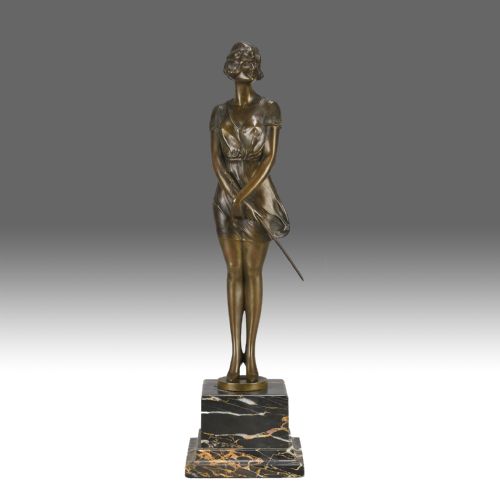
An antique standing figure brings the concentrated power of bronze, wood, and porcelain portraiture straight into a room.
Antique Standing Figure
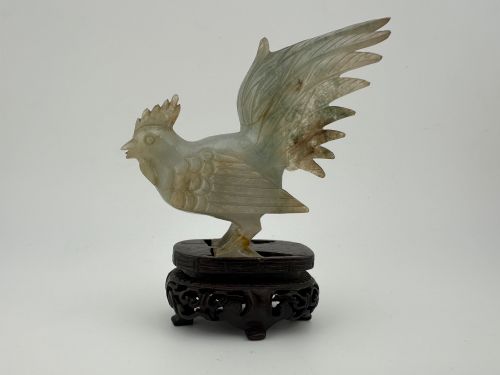
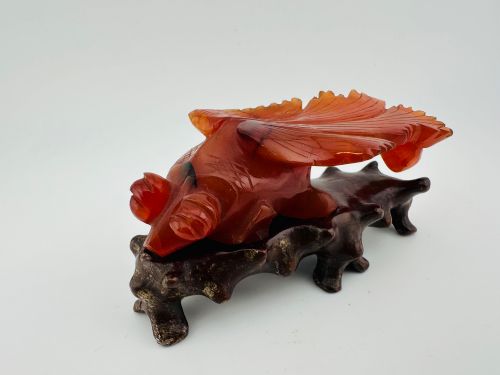
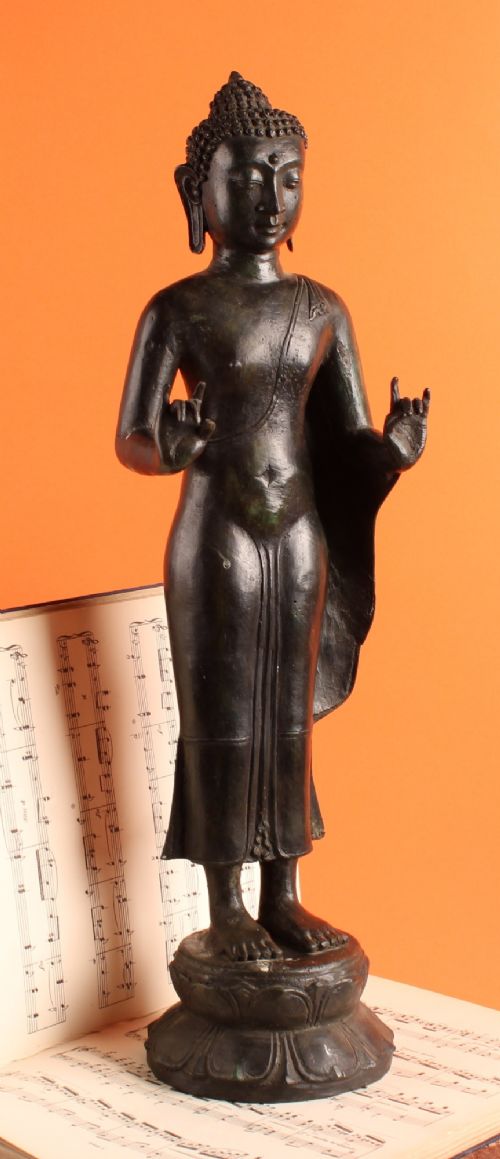
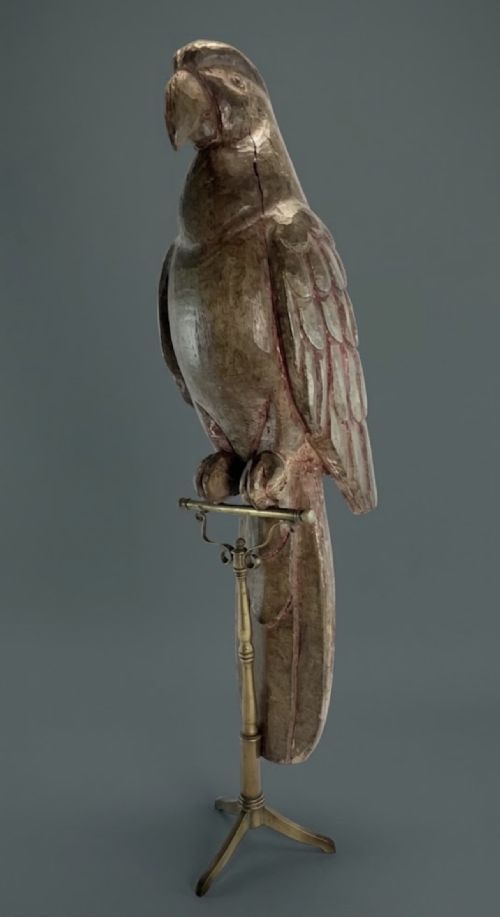
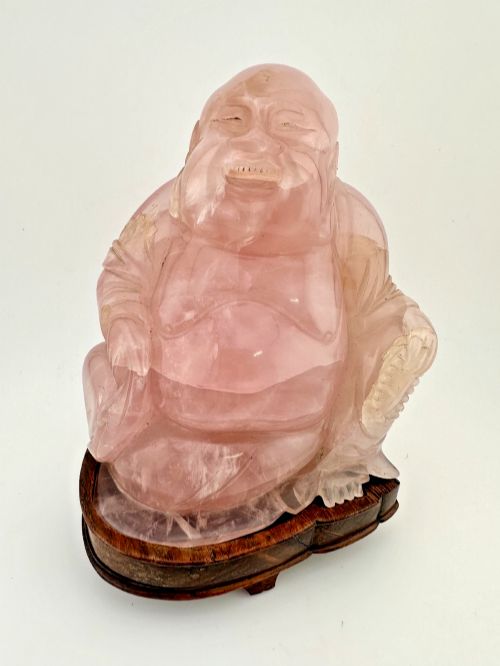
When searching for an antique standing figure, buyers encounter a diverse array of sculptural forms ranging from cast metal animals and human personifications to porcelain putti and carved wooden gnomes.
The selections span multiple centuries, with particular strength in nineteenth-century foundry works, early twentieth-century decorative studies, and eighteenth-century porcelain allegories.
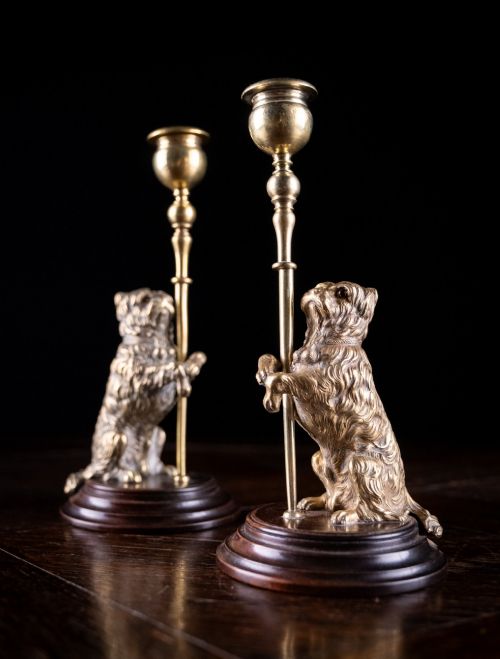
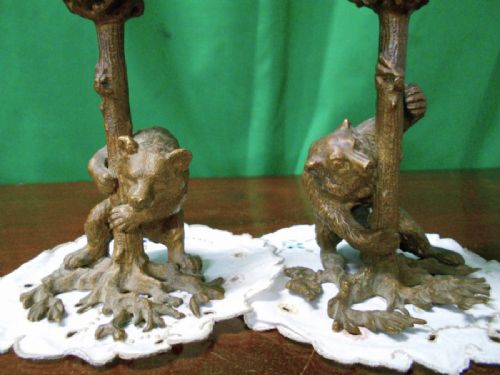
Most pieces meet the criteria either as standalone bronze or terracotta sculptures, or integrated directly into functional objects such as candlesticks, candelabras, and desk accessories.
Materials and casting methods
Foundries utilised traditional bronze casting methods, frequently applying patination, ormolu gilding, or silver-plating to accentuate the contours of the figures.
Carvers worked in dense timbers like walnut and limewood, or specialised in the characteristic deep-relief techniques associated with Black Forest workshops.
Ceramic pieces combined hard paste porcelain and terracotta, often finished with polychrome pigments or delicate blanc de chine glazes.
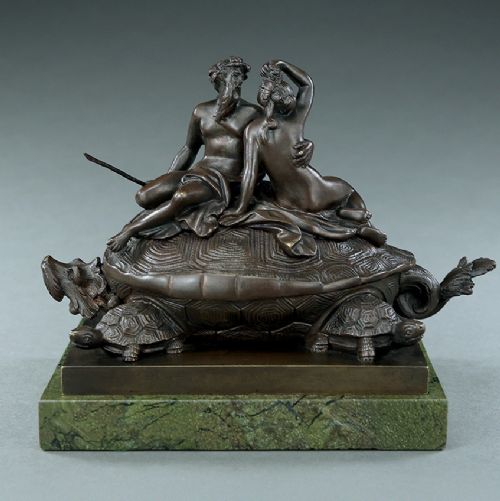
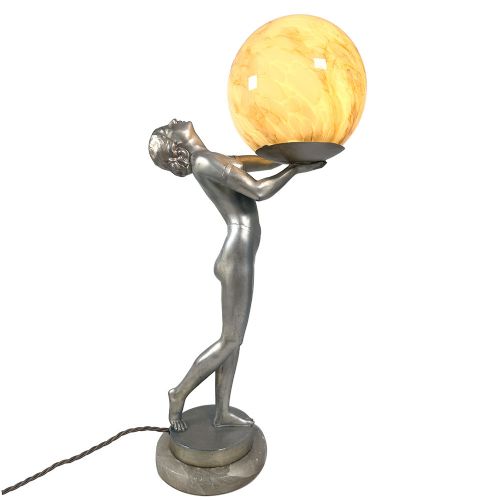
Listings feature standing figures cast in bronze, carved in walnut, and modelled in porcelain across Victorian, Edwardian, and Art Deco periods.
Assessing the craftsmanship
Quality rests heavily on the sharpness of the chisel work in carved wooden examples and the crispness of the chased detail in cast bronzes.
The fidelity of the proportions and the expressive nuance of the subject separate standard decorative objects from superior studio works.
Original mounts, bases of matching marble or wood, and legible signatures or foundry marks elevate the standing figure above unsigned general production.
Bruno Zach·Pierre Philippe Thomire·Kunio Itô·Georges Van Der Straeten
The Antique Standing Figure Glossary
- Patina
- The surface sheen and colour developed by metal or wood through age and handling. This natural wear protects the underlying material and confirms historical depth.
- Ormolu
- Gilded bronze popular in French decorative arts and lighting mounts. The technique involves applying a finely ground gold-mercury amalgam to cast bronze.
- Blanc de chine
- A pure white Chinese porcelain glaze widely replicated by European factories. It highlights the smooth contours of figural and allegorical subjects.
- Torchere
- A tall ornamental stand or floor lamp designed to elevate a light source or sculptural figure. These architectural supports frequently incorporate figural motifs.
- Putto
- A plump, winged child figure common in allegorical and classical art. They appear frequently in eighteenth-century porcelain sets representing the seasons.
Antique Standing Figure: Frequently Asked Questions
What materials were used?
Sculptors and artisans worked in cast bronze, brass, terracotta, hard paste porcelain, and carved woods like walnut and limewood. Many pieces incorporate marble plinths or gilt metal mounts to enhance their visual weight.
Surface treatments range from dark patination and polychrome paint to bright ormolu gilding and silver-plating.
How were they displayed?
Smaller standing figures typically functioned as desk accessories, inkwells, menu holders, or figural supports for candlesticks and candelabras. Larger bronzes and terracotta statues were designed to stand independently on tables, consoles, or dedicated pedestals.
Many incorporated architectural elements like marble plinths or wooden stands to elevate them within a room.
How do I identify periods?
Stylistic cues point directly to the era of manufacture, from the ornate classical grandeur of eighteenth-century porcelain to the distinct naturalism of nineteenth-century animalier bronzes. Early twentieth-century pieces often display streamlined Art Deco geometries or precise orientalist detailing.
Signatures, foundry stamps, and material composition provide additional chronological markers.
Are signed pieces common?
Signatures and foundry marks appear on select bronzes, terracottas, and carved wood items, identifying specific artists and workshops. These inscriptions help attribute the work to known sculptors active during the nineteenth and early twentieth centuries.
Unsigned pieces remain common, relying entirely on stylistic execution and material quality for attribution.