
Antique Standing China Cabinet
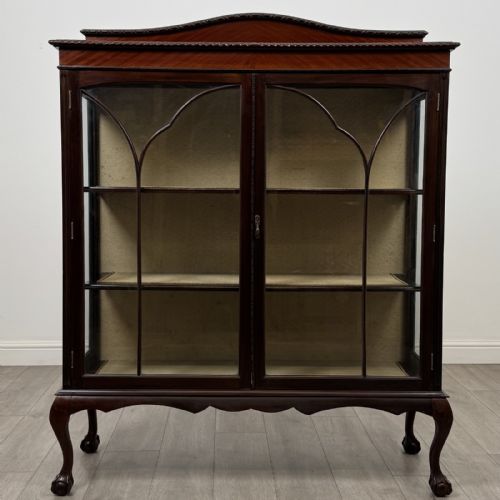
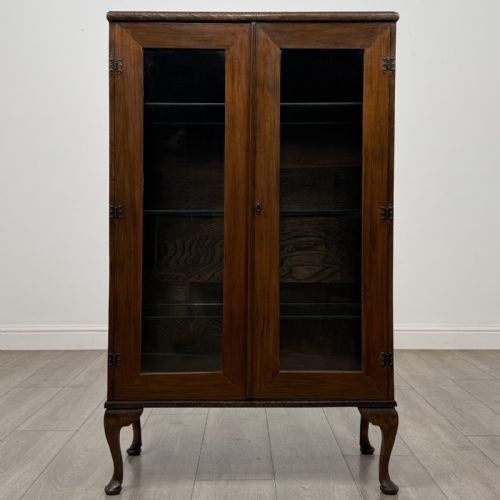
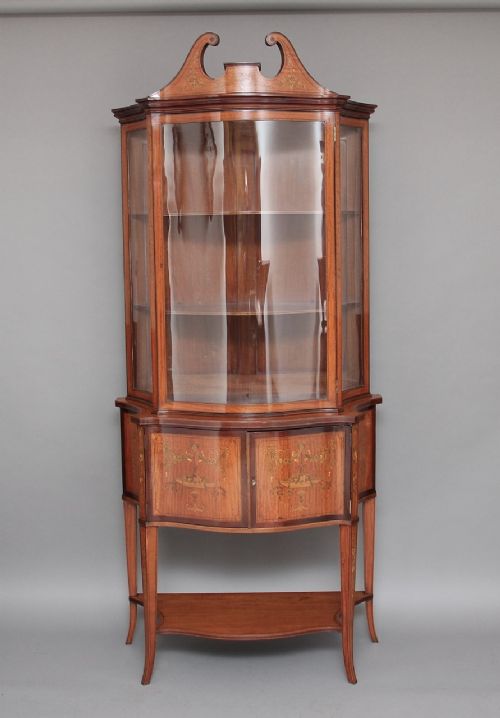
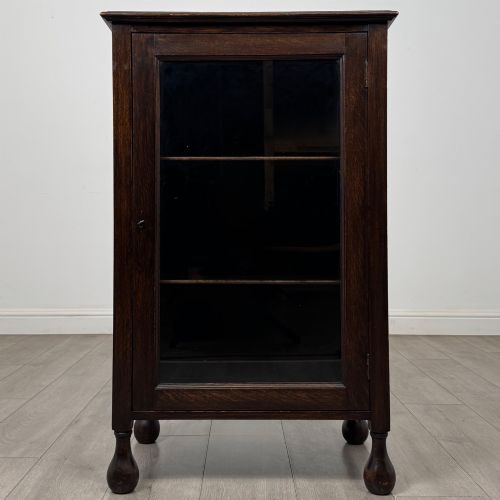
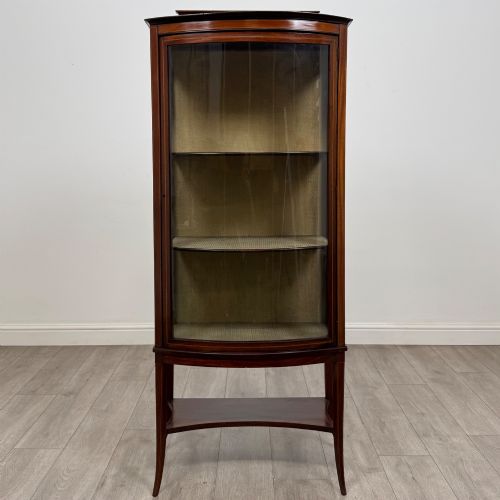
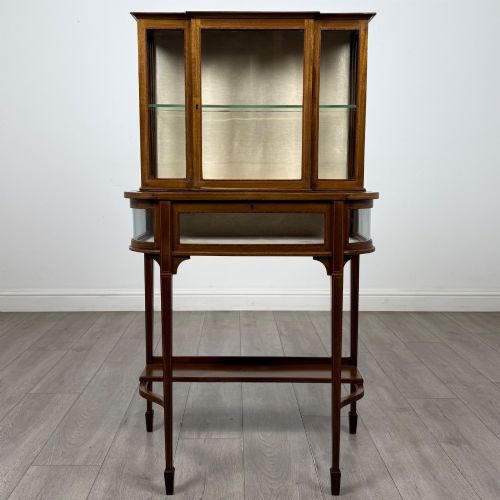
An antique standing china cabinet holds porcelain and glassware behind glazed doors, bringing vertical presence and clear sightlines to a room.
Antique Standing China Cabinet
When you search for an antique standing china cabinet, you encounter pieces designed to exhibit prized ceramics and collections while protecting them from dust. The selection spans the eighteenth, nineteenth, and early twentieth centuries, with Edwardian and Victorian examples forming the majority of the current offerings.
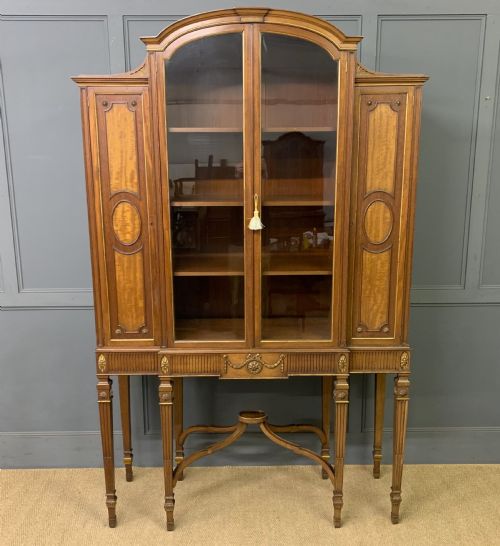
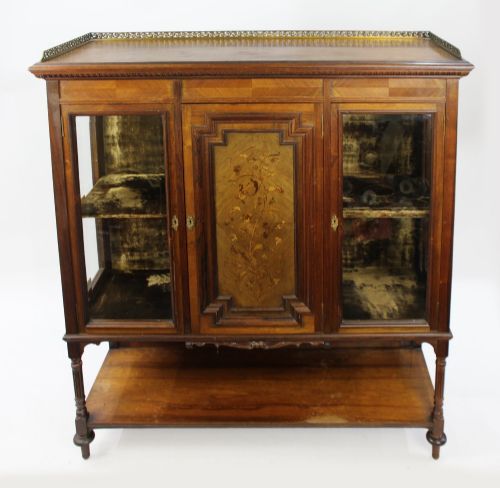
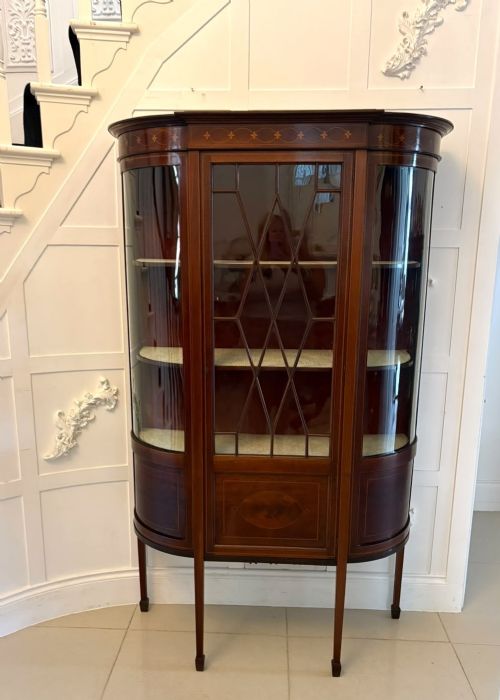
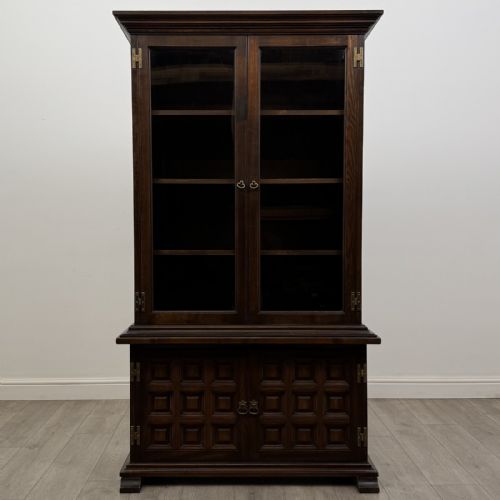
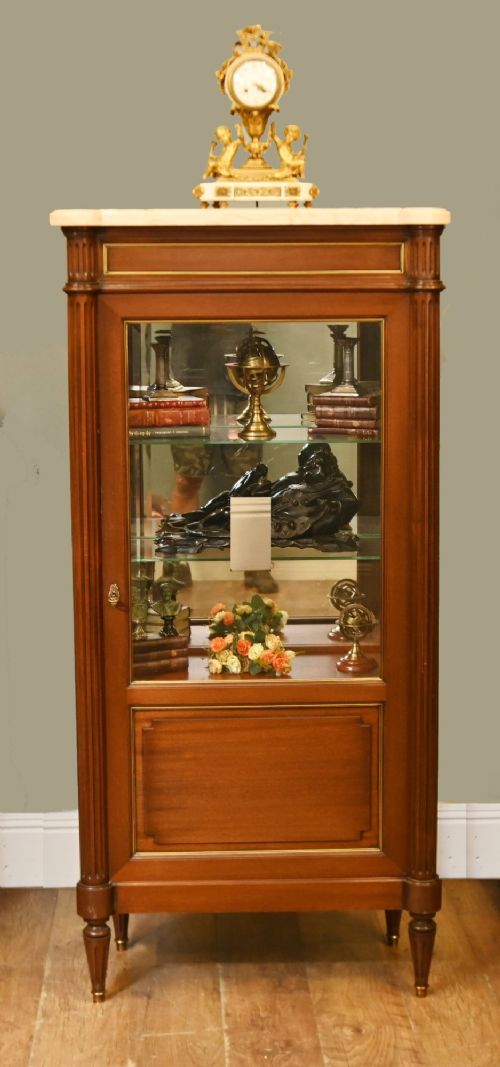
Forms range from bow-ended and bow front freestanding cabinets to breakfronts, corner cupboards, and vitrines. Makers utilised mahogany, oak, walnut, and satinwood, frequently incorporating glazed doors to showcase the interior contents.
Materials and Construction
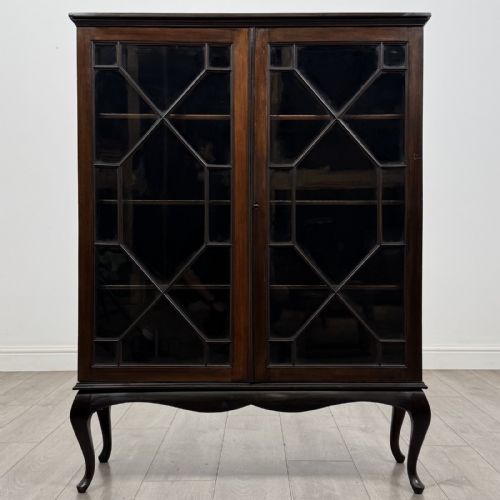
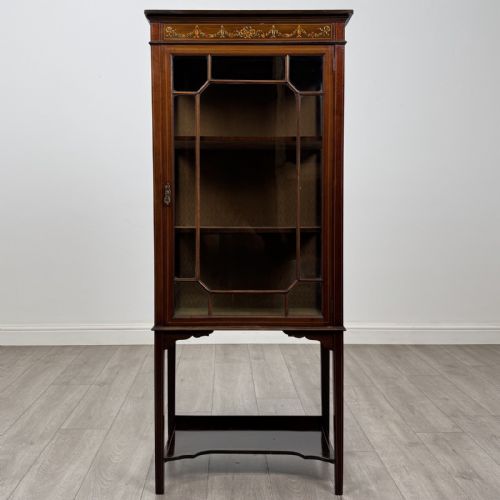
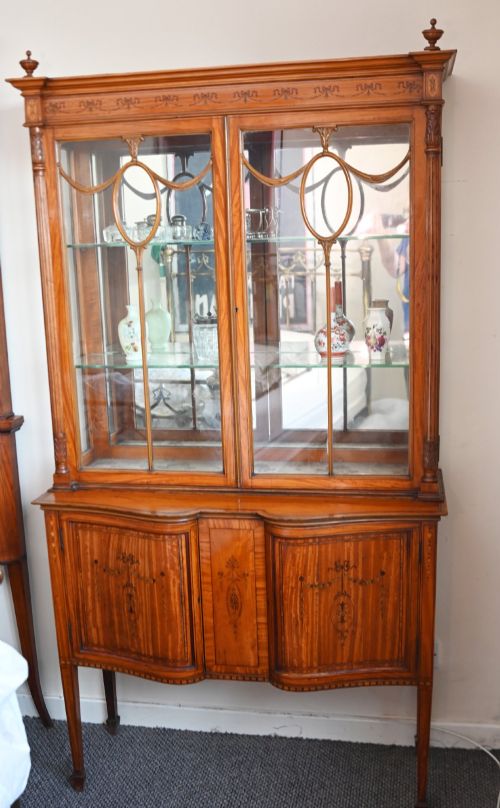
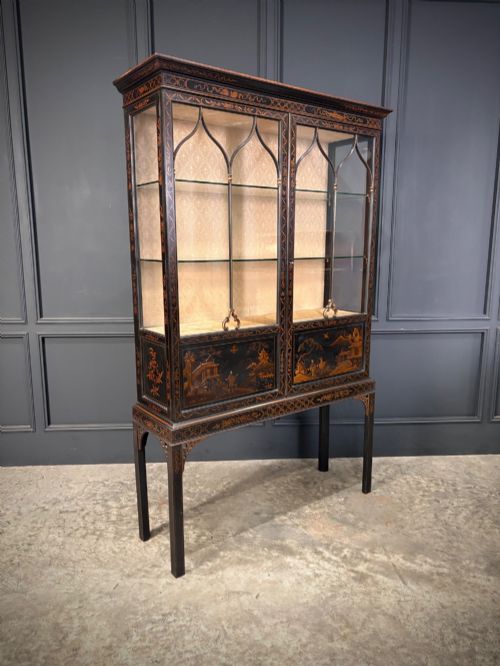
Cabinet makers built these pieces using solid timbers and veneers of mahogany, oak, walnut, and satinwood, often applying satinwood inlay, brass fittings, and painted decoration. Glazing bars divide the glass panels into geometric patterns, supporting the large transparent windows necessary for display.
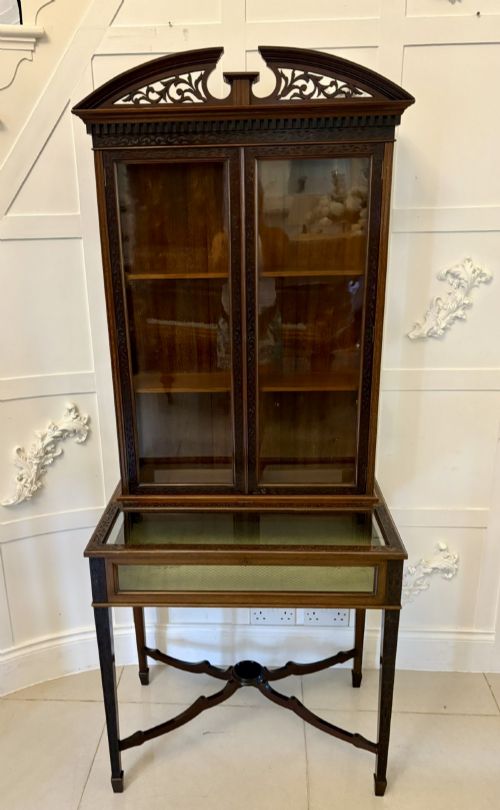
Structural integrity relies on traditional joinery, with timber frames housing shelves designed to bear the weight of heavy porcelain china. Carved panels and spade feet appear across Victorian and Edwardian iterations, grounding the tall carcasses.
Several cabinets rely on old pine awaiting a fresh coat of paint or wax to join the parlour.
Judging Quality
Quality rests upon the choice of timber figures and the precision of the cabinet work, particularly in the execution of satinwood inlay and carved mouldings. Superior examples demonstrate harmonious proportions, balanced grain patterns, and refined glazing bar arrangements.
The sophistication of the stylistic revival - whether Sheraton Revival, Chinese Chippendale, or Directoire - distinguishes standard utility furniture from pieces produced by notable workshops.
Maple & Co.·James Winter & Sons
The Antique Standing China Cabinet Glossary
- Vitrine
- A glass-fronted cabinet designed specifically for displaying fine porcelain, curiosities, and objects of art. These pieces typically feature extensive glazing to maximise light penetration.
- Astral glazing
- A framework of slender wooden bars dividing a glass door into smaller panes. This technique creates a lighter visual appearance than a single solid sheet of glass.
- Breakfront
- A large cabinet whose central section projects forward from the flanking wings. This architectural arrangement creates depth and shadow across the frontal elevation.
- Bow front
- A convex, outwardly curved front elevation that softens the linear geometry of a room. It requires skilled timber bending or shaping during construction.
- Spade foot
- A tapered furniture foot that swells slightly near the bottom before terminating in a flat, rectangular base. This foot style appears frequently on late eighteenth and Edwardian revival pieces.
Antique Standing China Cabinet: Frequently Asked Questions
What is an antique standing china cabinet?
An antique standing china cabinet is a tall, floor-bound piece of furniture featuring glazed doors and internal shelving. It serves to exhibit dinner services, ceramics, and glassware while keeping them enclosed.
These pieces emerged in various stylistic revivals through the eighteenth, nineteenth, and early twentieth centuries, adapting to changing interior fashions by incorporating mahogany, oak, and walnut.
How do I date an antique cabinet?
Dating relies on examining the timber species, construction methods, hardware, and stylistic indicators such as inlay motifs or carved details. Edwardian and Victorian pieces often display lighter satinwood decoration or revival styling.
Earlier examples from the eighteenth century or early nineteenth century utilise denser timbers and simpler, structural joinery without the mass-produced uniformity seen in later decades.
Where should I place a china cabinet?
These tall cabinets require stable, level flooring and benefit from placement away from direct sunlight to protect timber finishes and interior contents. Dining rooms and reception spaces provide traditional settings where glassware and porcelain remain accessible.
Corner cabinets fit neatly into unused angles of a room, while breakfronts and bow-ended models require a dedicated flat wall to accommodate their expansive proportions.
How do I maintain the glass and wood?
Maintenance involves dusting timber surfaces with a soft cloth and occasionally applying appropriate wax feeds to nourish the grain. Glass panels require standard non-abrasive cleaners applied to a cloth rather than sprayed directly near the wooden frame.
Avoiding extreme fluctuations in temperature and humidity prevents timber warping and protects antique joinery over time.