

Antique Square Lamp Table
An antique square lamp table brings proportion and utility to a seating group, holding light and books within easy reach.
Antique Square Lamp Table
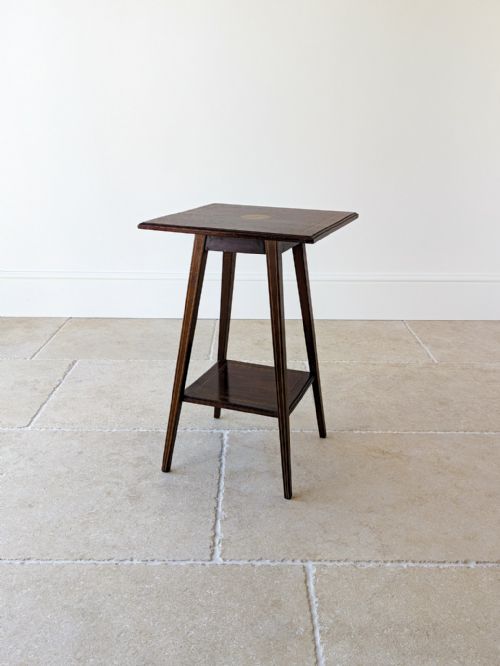
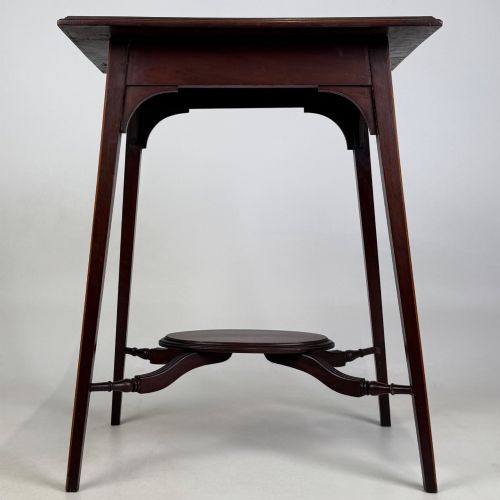
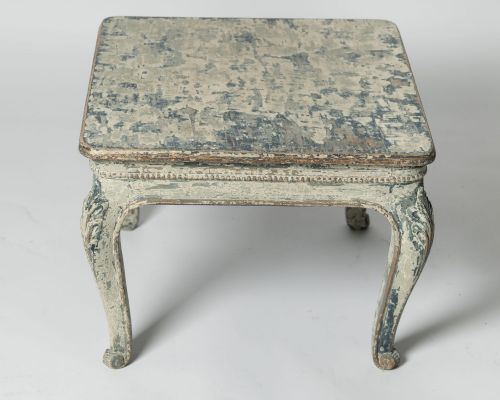
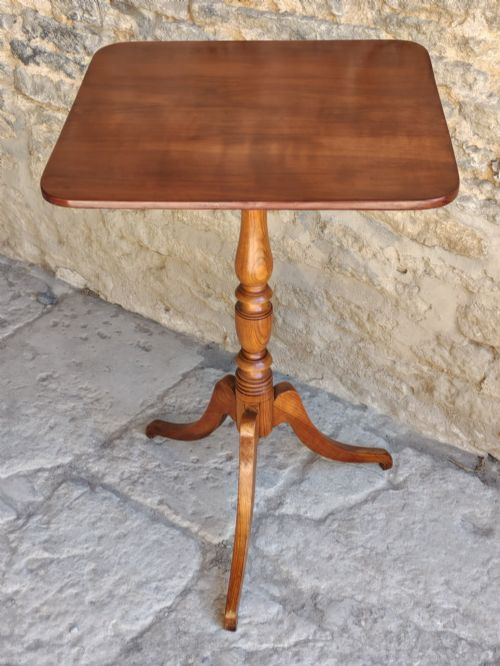
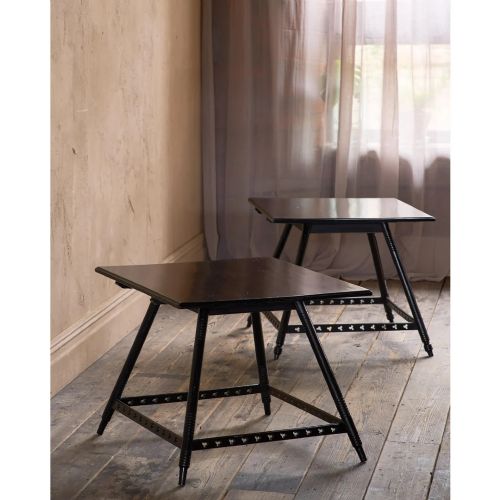
An antique square lamp table serves as a compact surface designed to sit beside a sofa or armchair. These pieces cross paths with side tables, occasional tables, and bedside tables in the record.
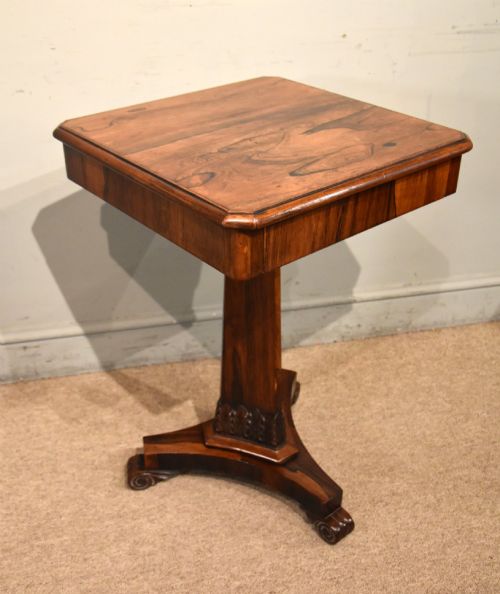
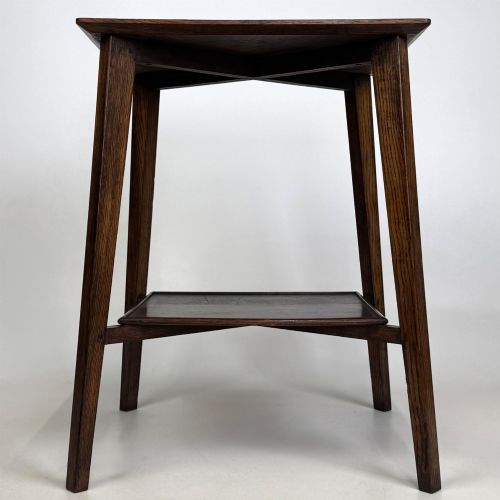
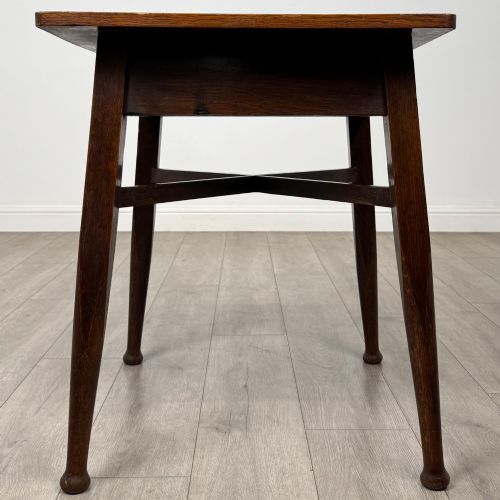
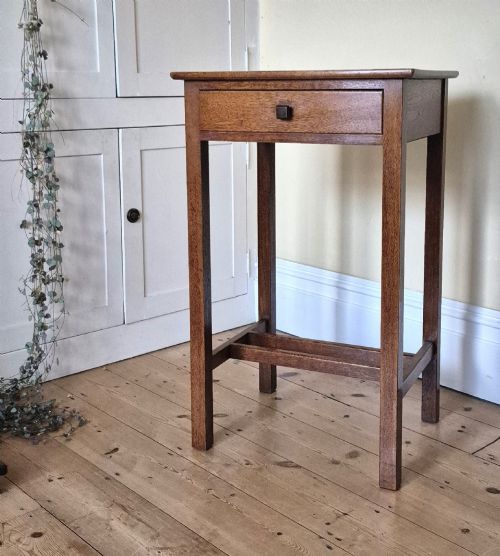
The Edwardian period supplies a large share of the examples seen here, often rendered in oak or inlaid mahogany. Buyers also encounter earlier nineteenth-century iterations alongside later pieces from the nineteen-thirties.
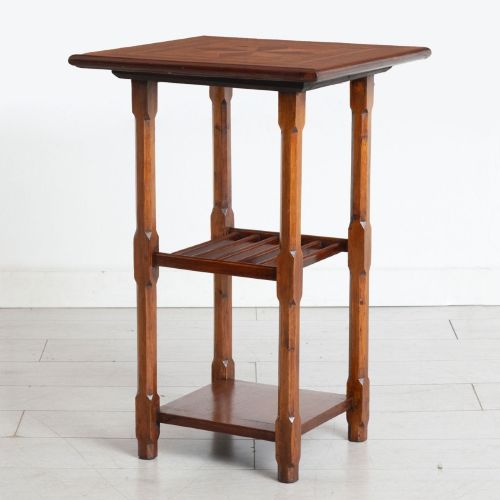
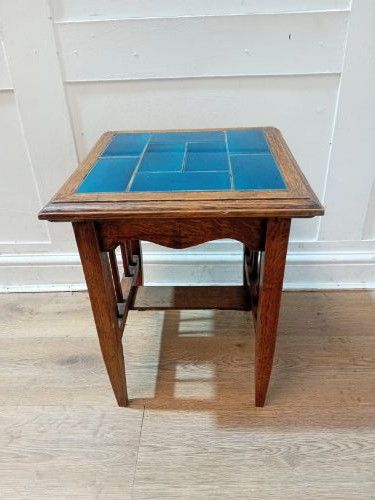
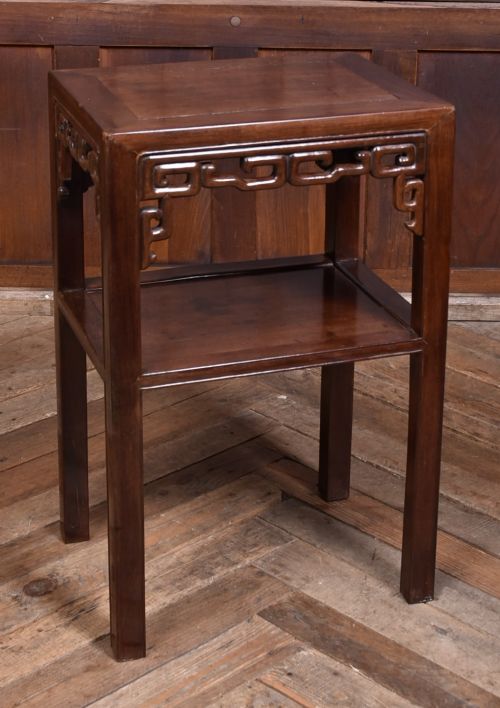
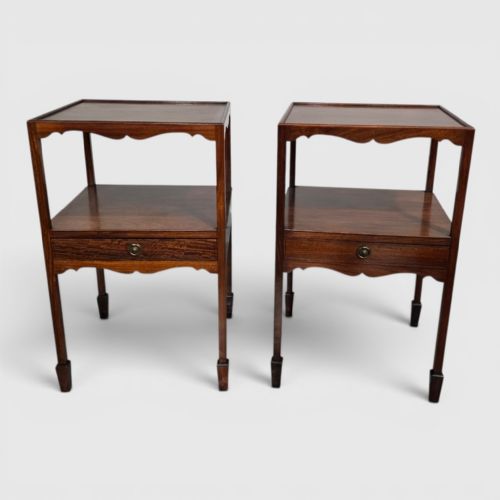
Forms range from simple four-legged frames to specialised designs incorporating tile tops, tier structures, or lift-up lids. This variety allows the table to function equally well in a hallway or a drawing room.
Materials and construction
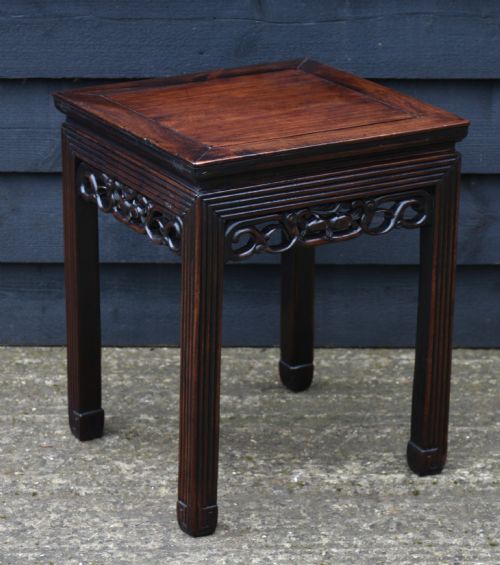
Cabinetmakers relied heavily on hardwoods such as mahogany, oak, and walnut, often selecting figured veneers like burr elm or burr yew for decorative impact. Satinwood, rosewood, and fruitwood appear alongside boxwood stringing and brass mounts.
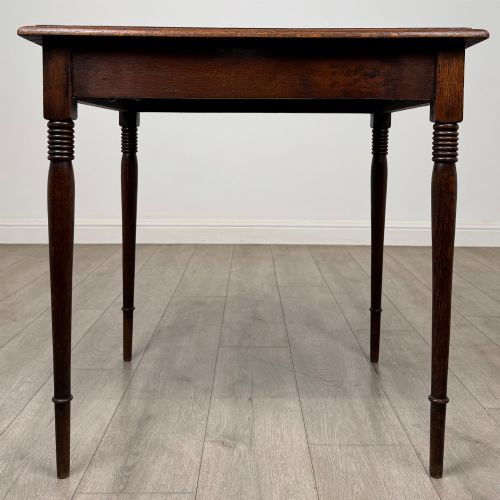
Construction methods reflect the period of origin, from hand-carved Edwardian details to barley twist legs and marquetry inlay. Specialised pieces integrate ceramic tiles or leather panels into the timber top.
Listings span periods from the Georgian era through the nineteen-thirties, featuring materials like mahogany, oak, satinwood, brass, and walnut.
Distinguishing quality
The standard of timber selection and veneer matching defines the upper tier of these tables. Highly figured grains and precise marquetry or satinwood inlay indicate a higher level of workshop attention.
Structural integrity and the crispness of carved or turned elements separate standard production items from finer output. Details such as balanced proportions and clean joinery govern the overall merit of a piece.
Liberty of London·Baillie Scott
The Antique Square Lamp Table Glossary
- Marquetry
- The art of forming decorative patterns using fitted pieces of wood veneer. This technique creates intricate floral or geometric motifs across the table top.
- Barley twist
- A turned wooden furniture leg resembling the shape of a twisted rope. This detail is frequently found on oak pieces from the late nineteenth and early twentieth centuries.
- Satinwood
- A pale, lustrous hardwood native to India and Ceylon. It was commonly utilised for fine stringing, inlay work, and complete table tops during the Georgian and Edwardian eras.
- Occasional table
- A versatile small table intended for light, movable use around a room. The term covers many formats that double as lamp or side tables.
- Arts and Crafts
- A design movement emphasising handcraftsmanship and simple materials. Tables from this tradition often display exposed construction and honest use of solid oak.
Antique Square Lamp Table: Frequently Asked Questions
Where should I place a square lamp table?
These tables fit naturally beside an armchair, sofa, or at the end of a hallway. Their compact footprint allows them to occupy corners or tight spaces without crowding the room.
They provide a stable platform for lighting and reading materials while maintaining clear walking paths through the interior.
How do I identify an Edwardian lamp table?
Edwardian examples often feature light timbers, satinwood inlay, or straightforward oak construction. They reflect the domestic interior styles prevalent during the early twentieth century.
Cabinetmakers of this era frequently combined traditional Georgian revival forms with practical, lighter proportions suited for modern homes.
What is the difference between a side table and a lamp table?
While the terms frequently overlap in historical records, lamp tables are typically proportioned specifically to hold a light source beside seating. Side tables often encompass a broader range of heights and surface areas.
Both types share similar construction methods and timber choices across the recorded periods.
How do I care for antique wood surfaces?
Maintain timber surfaces by dusting regularly with a soft cloth and avoiding placement near direct heat sources. Natural waxes help nourish older polishes without building up residue.
Protect the top from moisture by using coasters beneath lamps, cups, or decorative objects.