

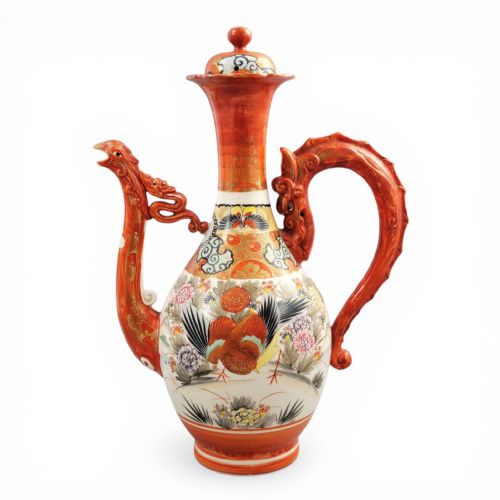


Antique Spouted Pitcher
An antique spouted pitcher brings functional pouring vessels into daily interiors, offering centuries of regional metalwork, ceramics and glass.
Antique Spouted Pitcher
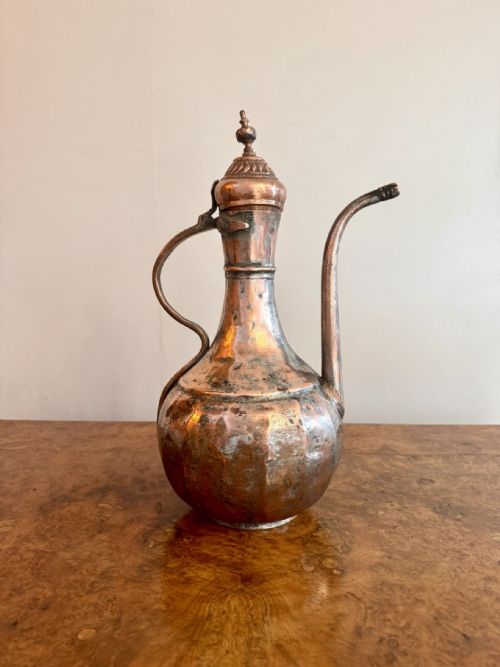
The search for an antique spouted pitcher reveals a diverse category encompassing practical pouring vessels, ceremonial ewers, wine jugs and cocktail shakers from various global traditions. Buyers will encounter forms ranging from Georgian sterling silver lidded tankards and Victorian claret jugs to Middle Eastern copper coffee pots and Japanese Kutani porcelain ewers.
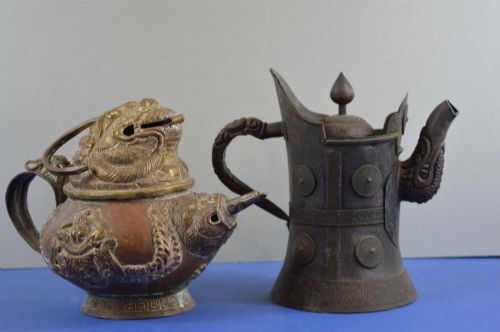
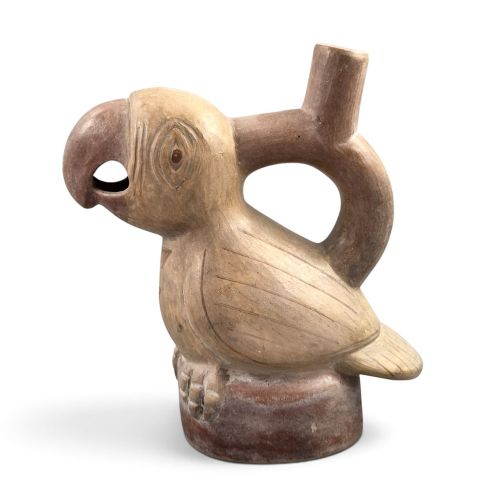
The selection on this page demonstrates remarkable breadth across centuries and materials, spanning Pre-Columbian terracotta vessels, 18th-century European faience and majolica, and 19th-century metalwork. Domestic tableware sits alongside ritual objects such as Tibetan ceremonial monks ewers and Indian bronze aftabas.
Ceramic examples often feature distinct pouring configurations, including mask spouts and trefoil mouths, while metal versions utilise hinged lids and cast handles. These vessels served dining rooms, apothecaries, and ceremonial spaces alike, functioning as water ewers, wine containers, and tea pots.
Materials and methods of manufacture
Metal vessels in this collection utilise copper, brass, bronze, pewter, and sterling silver alongside silver-plated items. Smiths shaped these metals through hammering, casting, and repousse work, frequently incorporating structural mounts and articulated spouts.
Ceramic and glass pieces combine throwing, moulding, and glazing techniques across earthenware, stoneware, porcelain, and cut crystal. Salt glazing, cobalt blue pigment application, tin glazing in faience and majolica, and polychrome enamel painting define the decorated ceramic surface treatments.
Antique Spouted Pitcher Retail Price Guide 2026
Typical asking prices for spouted pitcher among the pieces listed under this phrase on Sellingantiques today, from the lower quarter to the upper quarter. They describe what is for sale here now, not the wider market.
Materials range from Pre-Columbian terracotta and cut crystal to sterling silver, copper, and salt-glazed stoneware.
Distinguishing quality across the range
Quality in these vessels rests on the precision of the maker's hand, whether in the crispness of a cast bronze makara handle, the detailed painting of a porcelain dragon, or the balance of a silver-plated cocktail shaker. Superior pieces maintain structural integrity alongside fine decorative execution, showing careful integration of the spout with the body.
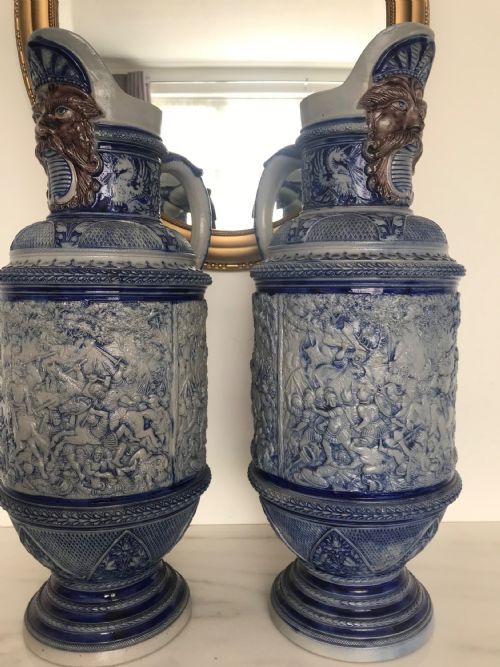
The provenance and material grade also determine the standing of a piece, separating utilitarian wares from workshop-attributed ceramics and precious metal table service. Intricate surface ornamentation, such as cobalt blue historical scenes on stoneware or finely engraved metalwork, elevates the artistic merit of individual examples.
Simon Peter Gerz·James Dixon & Sons·Mappin & Webb·Keith Murray
The Antique Spouted Pitcher Glossary
- Ewer
- A large pitcher or jug with a wide spout and handle, traditionally used for pouring water for hand washing or serving wine.
- Claret jug
- A table vessel designed for holding and pouring red wine, typically combining a cut glass or crystal body with a silver or silver-plated mount and hinged lid.
- Majolica
- Tin-glazed earthenware produced in Italy and other European centres, known for colourful opaque glazes and painted decoration.
- Westerwald
- A German region renowned for salt-glazed stoneware production, characterised by grey bodies and incised cobalt blue designs.
- Aftaba
- A traditional long-spouted metal ewer originating from Islamic and South Asian metalwork traditions, used for ritual ablutions or water service.
Antique Spouted Pitcher: Frequently Asked Questions
How were ceramic spouted pitchers decorated?
Potters applied various decorative techniques depending on the period and regional tradition, including hand-painted cobalt blue pigments under salt glazes and tin glazes. Elaborate examples feature moulded mask spouts, ornithomorphic bird shapes, and intricate transitional blue and white patterns.
Other traditions employed polychrome enamels and detailed overglaze painting, as seen on Japanese porcelain ewers. The decoration often integrated directly with the vessel form, highlighting the spout and handle.
Where were metal spouted pitchers typically used?
Metal spouted vessels served diverse functions across domestic, ceremonial, and social settings worldwide. Middle Eastern copper coffee pots and European silver lidded tankards functioned primarily within hospitality and dining routines.
Ritual and ceremonial pieces, such as Tibetan brass teapots and Indian bronze aftabas, fulfilled specific religious and cultural duties. Their robust metal construction allowed them to withstand heavy daily use or ceremonial handling.
How do you identify the period of a spouted pitcher?
Dating relies on examining the material composition, manufacturing marks, stylistic traits, and glazing methods characteristic of specific eras. Georgian and Victorian silver pieces often carry hallmark stamps indicating exact assay years and maker identities.
Ceramics require analysis of the clay body, glaze chemistry, and painted motifs, such as the distinct styles of 18th-century European faience or 19th-century stoneware. Comparing form and decorative vocabulary against documented historical examples confirms the likely period of origin.