

Antique Sport Art
Antique sport art captures the energy and heritage of past pastimes through enduring paintings, prints, and carved wooden decoys.
Antique Sport Art
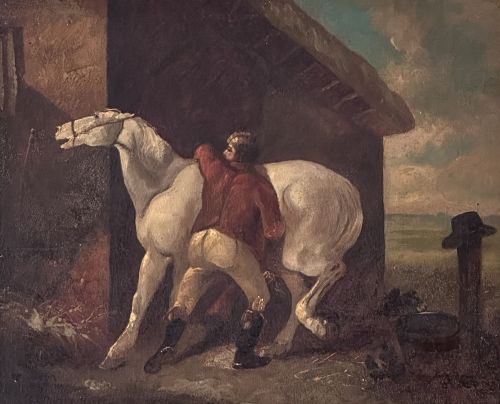
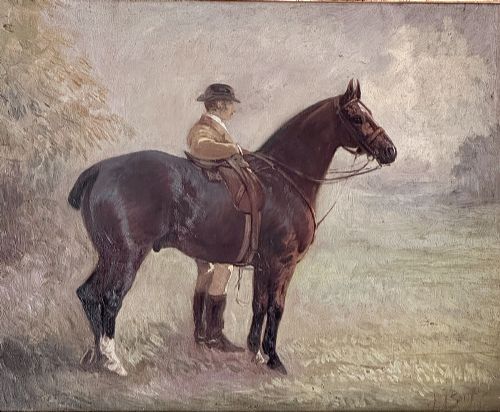
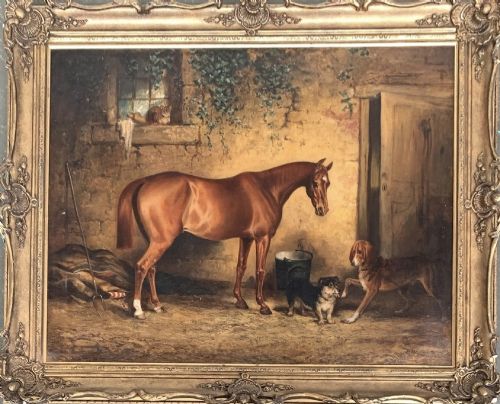
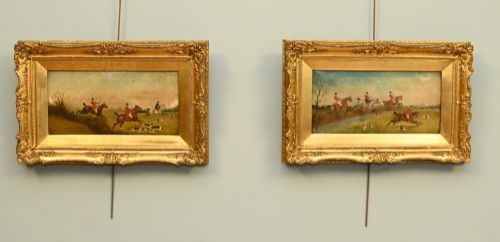
Antique sport art encompasses oil paintings, watercolours, framed prints, and decorative objects that celebrate traditional pastimes such as horse racing, hunting, tennis, and fishing. These works document the deep cultural footprint of sport across the Victorian, Edwardian, and Georgian periods.
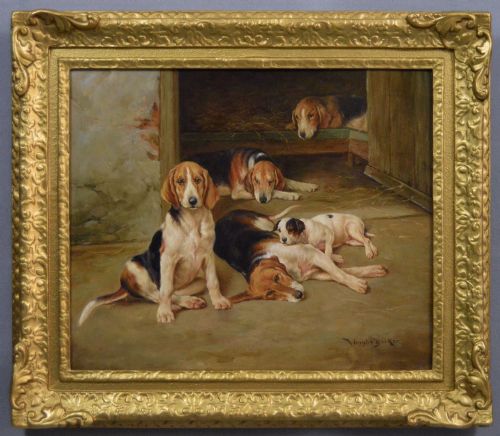
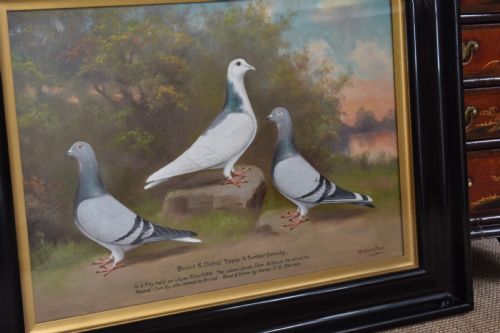
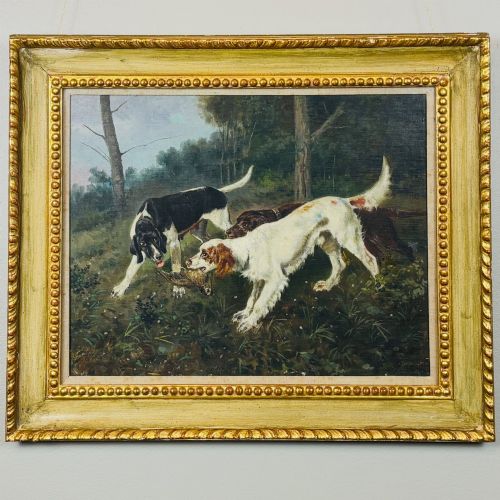
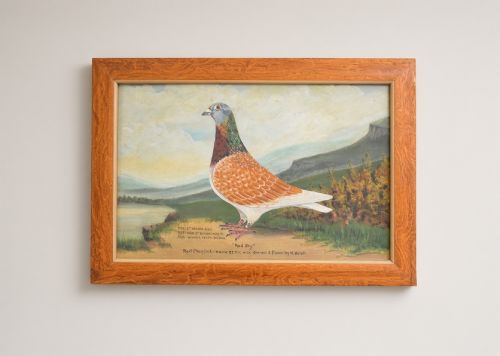
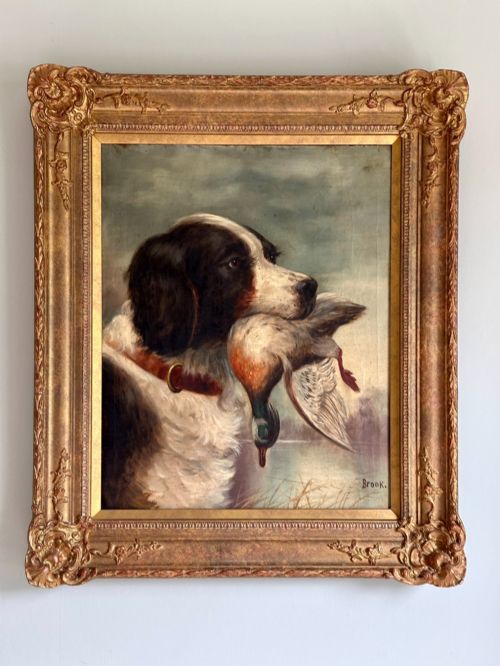
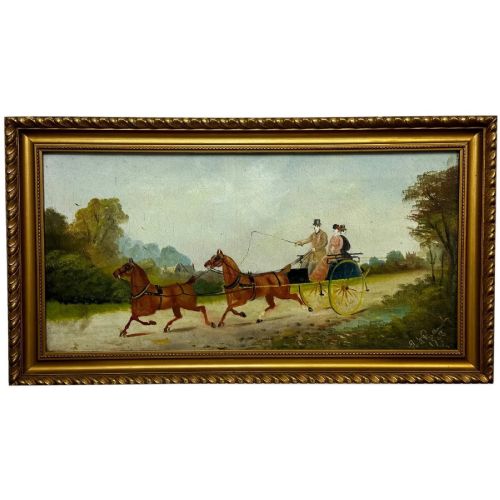
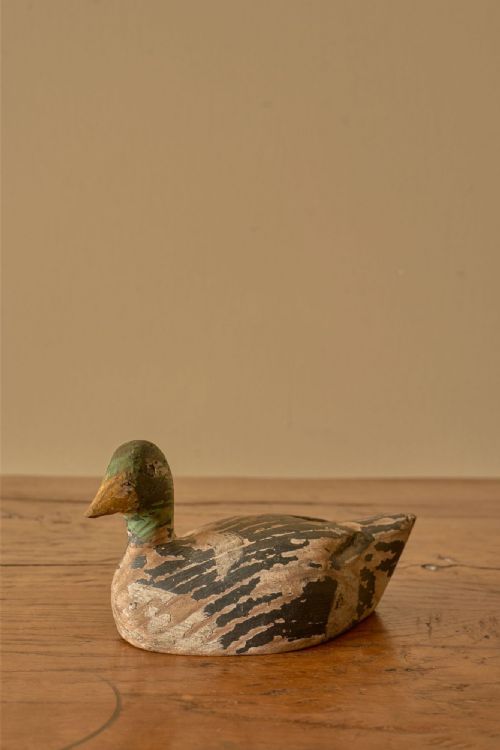
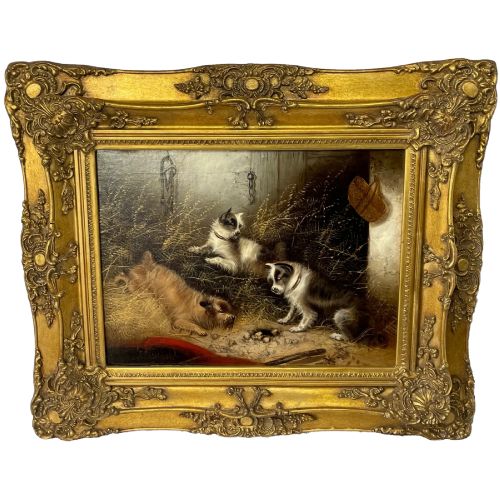
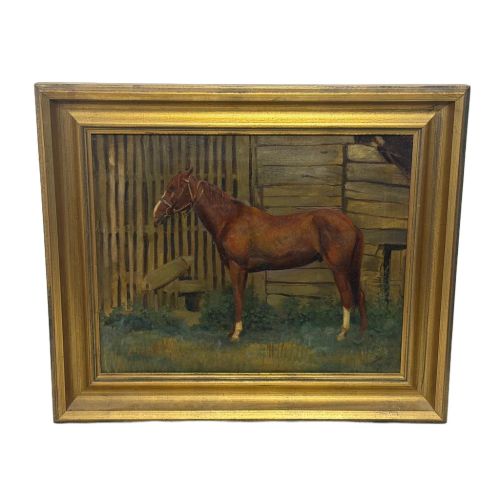
Oil on canvas paintings depicting horses, hounds, and gundogs dominate the selection, often rendered by skilled British and French artists. Alongside canvases, buyers frequently encounter painted wood decoy ducks and pigeons that served practical uses before transitioning into decorative items.
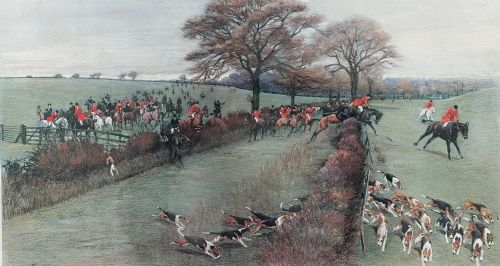
Prints and posters complete the range, offering affordable representations of polo matches, cycling tours, and equestrian scenes from the nineteenth and early twentieth centuries. Each piece reflects the specific leisure interests and artistic tastes of its era.
Materials and Techniques
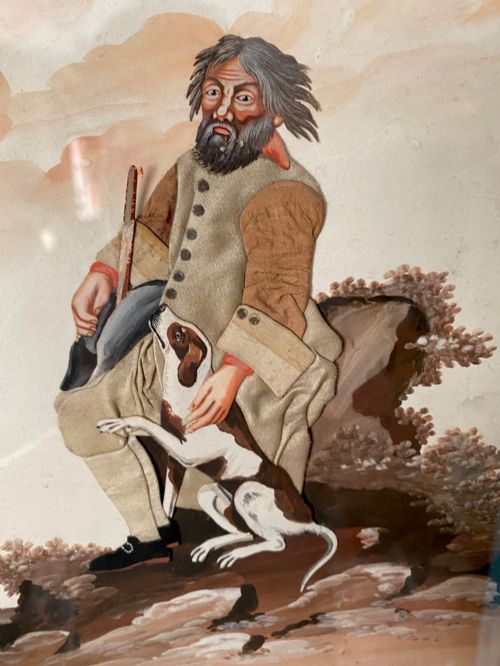
Artists utilised oil paint on canvas or panel to achieve depth and texture in animal and landscape portraits, often housed in original giltwood frames. Watercolours and bodycolour on paper offered a lighter medium for detailed depictions of wildlife and sporting events.
Decoy ducks and pigeons were fashioned from solid wood, carved and hand-painted to replicate living birds with striking accuracy. Engravings, lithographs, and aquatints provided a mechanical means of reproducing popular sporting scenes for wider distribution.
Antique Sport Art Retail Price Guide 2026
Typical asking prices for sport art among the pieces listed under this phrase on Sellingantiques today, from the lower quarter to the upper quarter. They describe what is for sale here now, not the wider market.
Several working terriers and decoy pigeons keep a watchful glass eye on proceedings across the centuries.
Factors of Quality
Anatomical accuracy and vitality in the rendering of horses, dogs, and human participants distinguish superior works from standard decorative pieces. Master painters captured muscle tension and movement with precise brushwork that brings the subject to life.
The condition of the canvas, the preservation of original pigments, and the presence of period framing contribute significantly to the standing of a painting. Carved wooden decoys retain more value when their original painted surfaces remain largely uncompromised by later restoration.
Charles Bilger Spalding·Henry Barraud·Philip H Rideout·Edward Armfield·George Wright
The Antique Sport Art Glossary
- Aquatint
- A intaglio printmaking technique that produces tonal effects similar to watercolour washes. It was frequently utilised to reproduce sporting prints.
- Giltwood
- Wood that has been coated with gold leaf or gold paint. This finish appears commonly on nineteenth-century picture frames.
- Decoy
- A carved and painted wooden bird utilised to attract waterfowl or game during shooting expeditions. These objects now function as folk art sculptures.
- Bodycolour
- Watercolour mixed with a white pigment to make it opaque. This technique adds solid highlights to works on paper.
- Lithography
- A planographic printing process utilising stone or metal plates. It enabled the mass production of colourful sporting posters.
Antique Sport Art: Frequently Asked Questions
What periods do these pieces date from?
The pieces span from the Georgian era through the Victorian and Edwardian periods into the early twentieth century. Most works cluster around the nineteenth century.
Specific dates depend on the medium, with oil paintings and engravings often bearing mid-nineteenth-century provenances, while decoys and cycling posters typically date around nineteen-hundred.
How were wooden decoys originally used?
Decoys were placed on water or shorelines by hunters to lure ducks, geese, and pigeons within range during shoots. Their painted wooden bodies mimicked the size and posture of real birds.
Over time, weathering and practical wear gave way to display purposes as collectors recognised their folk art appeal.
Are sporting prints original works?
Prints and engravings are multiple-edition works produced from plates or stones created by artists. While not unique like an oil painting, period impressions hold distinct historical value.
Techniques like aquatint and lithography allowed artists to disseminate popular hunting and racing scenes to a broader audience.
How do I care for antique oil paintings?
Oil paintings on canvas require stable indoor humidity and protection from direct sunlight to prevent pigment degradation and canvas warping. Dusting should be undertaken gently with a soft, dry brush.
Original giltwood frames benefit from minimal moisture and careful handling to preserve the integrity of the gold leaf.