
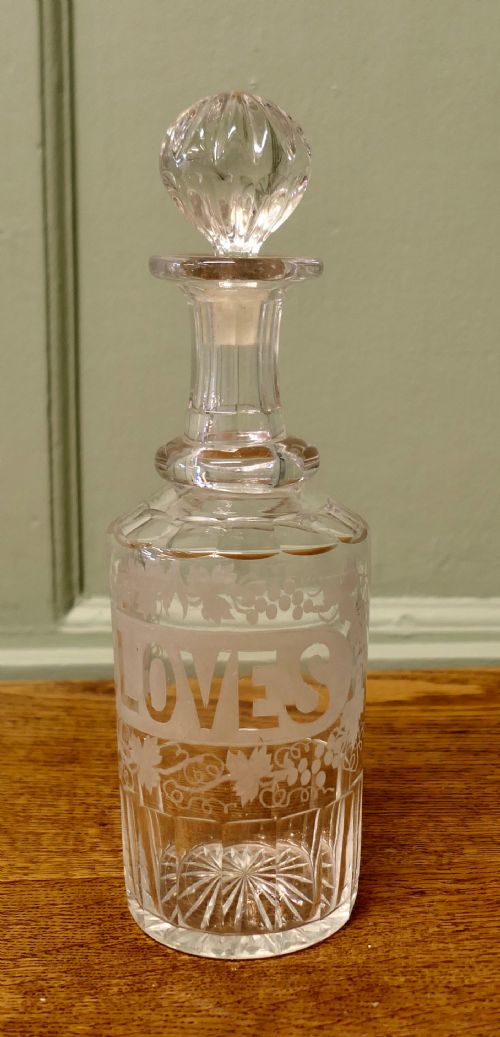
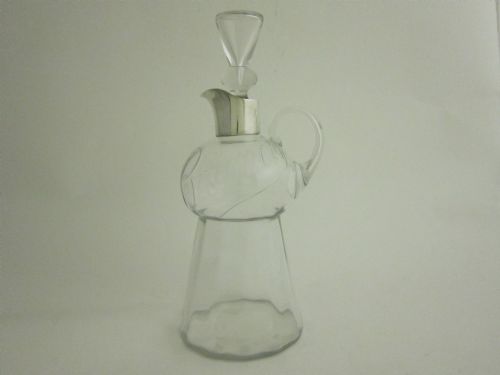
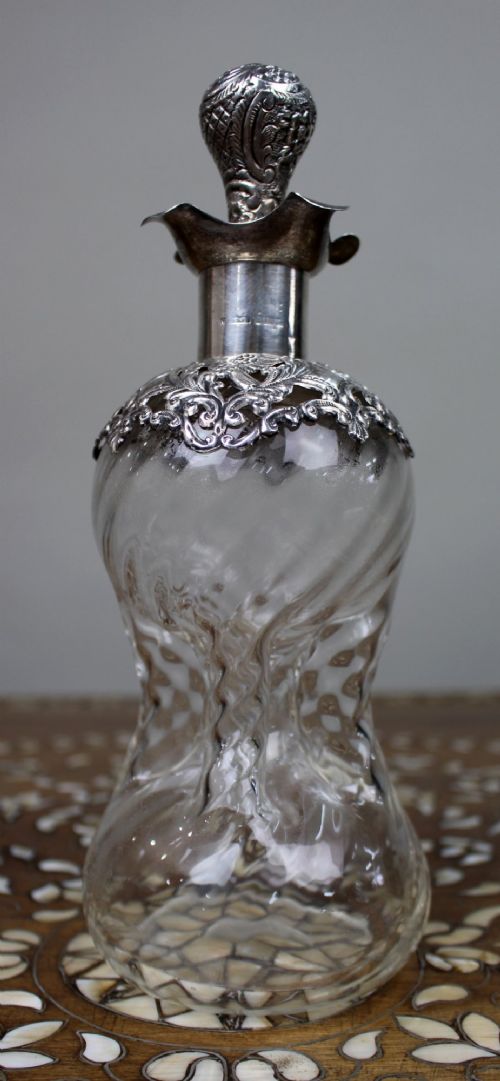
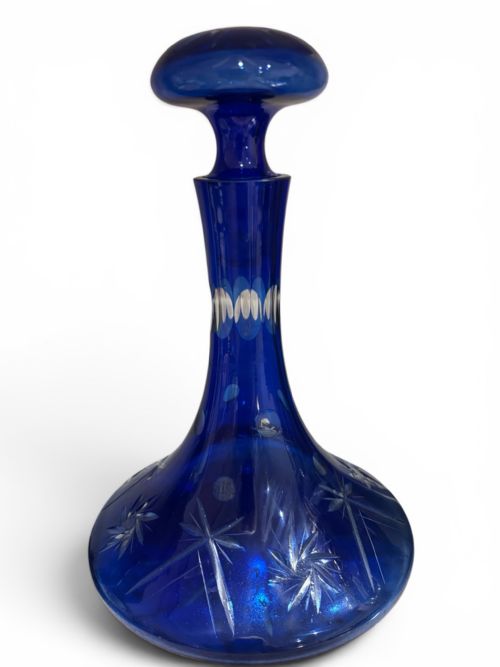



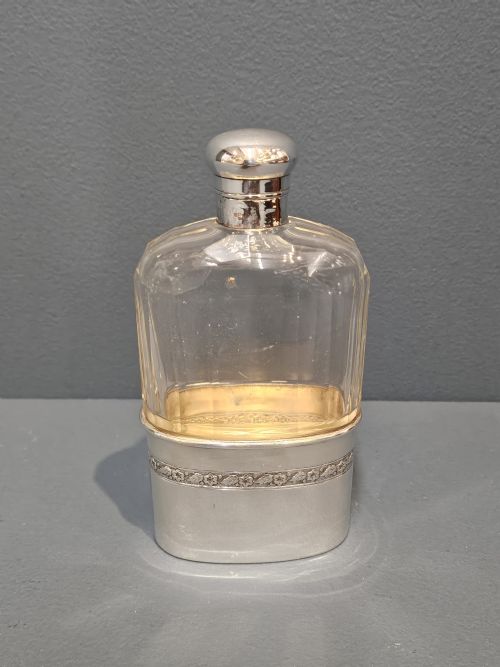


Antique Spirit Flask Decanter
An antique spirit flask decanter brings tactile historical charm to your home bar, offering portable and table-top glass vessels mounted in sterling silver or leather.
Antique Spirit Flask Decanter
An antique spirit flask decanter sits at the intersection of portable barware and table service, encompassing pocket hip flasks, cased sets, and larger serving bottles. When you search for this phrase, you encounter vessels designed to hold brandy, whisky, sherry, and schnapps across several centuries of social ritual.
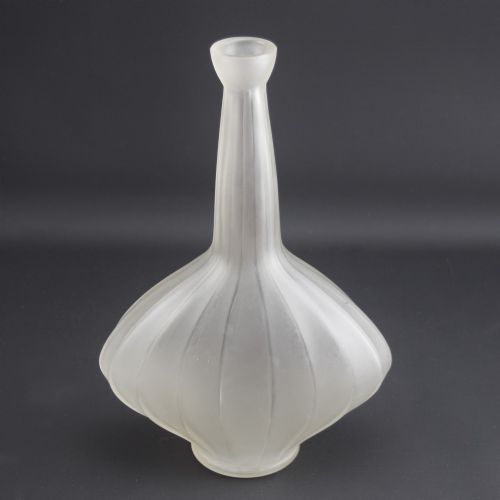
The pieces appearing on this page span the Victorian and Edwardian eras down to earlier Georgian and 18th-century examples. You will frequently meet clear and cut glass bodies fitted with sterling silver mounts, alongside enamelled and coloured glass variations used for specific liquors.
How they were made
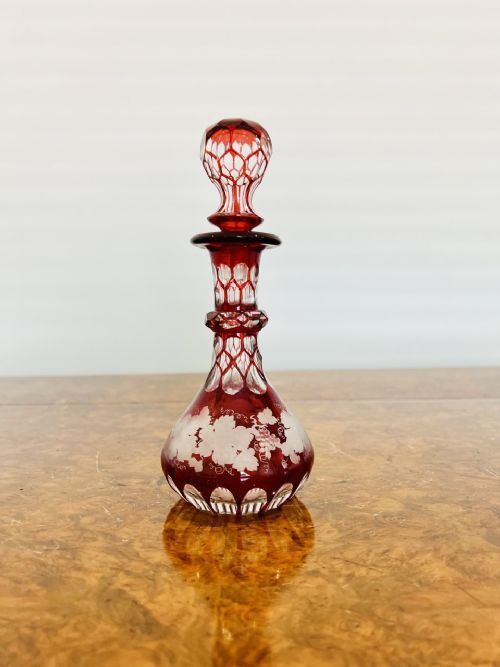
Glass bodies were formed by blowing and cutting, utilising lead crystal or soda glass that was sometimes etched or enamelled with motifs like sporting scenes and botanical details. Metal components relied on sterling silver or silver plate, often hallmarked to record the assay office and year of creation.
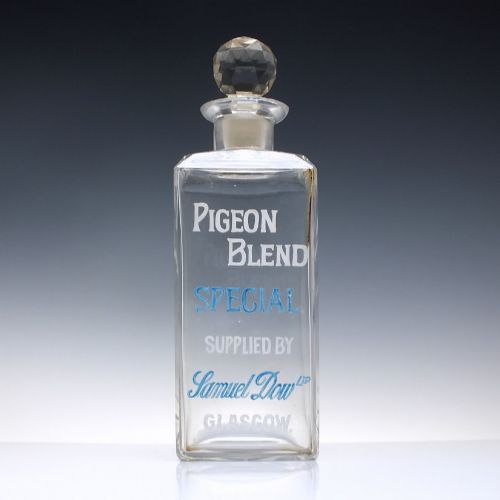
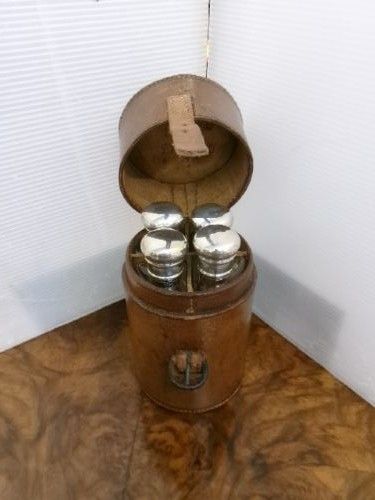
Leather cases were hand-stitched to encase glass bottles tightly, protecting portable spirit flasks intended for travel or outdoor pursuits. Artisans applied polychrome enamels and glazes directly onto the glass or ceramic surfaces, creating decorative bottles and Kingsware flasks.
Some Victorian travellers required four silver-topped flasks neatly marshalled inside a single custom leather case.
What varies in quality
Quality rests in the crispness of the glass cutting, the weight of the sterling silver mounts, and the integration of any leather housing. Finer examples display detailed hand-etching, unrubbed hallmarks on solid silver, and intact enamelling without loss to the painted surface.
The distinction between standard commercial production and superior workmanship appears in the thickness of the crystal, the secure fit of hinged silver caps, and the artistry of specialised motifs like golf scenes or regional spirit titles.
The Antique Spirit Flask Decanter Glossary
- Decanter
- A vessel used for holding and serving spirits or wine. These objects range from table carafes to portable pocket flasks.
- Hallmark
- An official stamp applied to precious metals, indicating the maker, assay office, and year of testing. Sterling silver mounts on these bottles frequently bear these valuable marks.
- Kingsware
- A type of brown-glazed pottery produced with moulded relief decoration. Examples include themed whisky flasks featuring sporting motifs.
- Mary Gregory glass
- Glassware decorated with white enamel silhouettes depicting Victorian children in pastoral settings. This technique appears on decorative liquor bottles.
- Tot
- A small drinking measure or cup, often accompanied by a silver label in Edwardian barware sets.
Antique Spirit Flask Decanter: Frequently Asked Questions
What is the difference between a decanter and a flask?
Decanters generally remain stationary on a dining table or sideboard, holding larger volumes of wine or spirits for serving in glasses.
Flasks are designed for portability, often featuring secure screw caps and leather cases for travel or outdoor use.
How do I clean an antique glass spirit bottle?
Internal residue is best removed using warm water and specialised cleaning beads, avoiding harsh chemicals that might damage old glass.
Silver mounts require careful polishing with a soft cloth to prevent abrasive contact with the surrounding glass body.
Can I use these antique flasks for modern spirits?
Many solid glass and silver-mounted pieces remain fully functional for holding and pouring spirits during gatherings.
Care should be taken with leather-covered items and antique cork stoppers to ensure the materials stay dry and intact.
How do I date an antique silver-mounted decanter?
Dating relies heavily on the silver hallmarks stamped onto the mounts, which indicate the exact year and assay office of production.
Stylistic markers such as cut crystal patterns and enamel colours also help place pieces within the Victorian or Edwardian periods.