
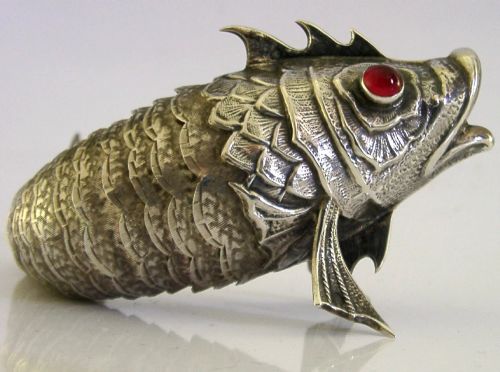


Antique Spanish Box
These antique Spanish box examples range from rugged iron-studded leather coffers to carved walnut chests built for centuries of storage.
Antique Spanish Box
An antique spanish box brings centuries of Iberian craftsmanship into the modern home, spanning heavy storage chests and delicate tabletop caskets. Buyers encounter robust oak and walnut coffers alongside smaller leather-clad trunks and religious home altars.
The material evidence on this page demonstrates remarkable variety, moving from early sixteenth-century ecclesiastical metalwork to mid-century silver novelties. Larger domestic forms like blanket chests and campaign trunks sit beside intimate silver pill boxes.
Regional styles draw heavily on Spanish Gothic, Renaissance, Baroque, and Moorish traditions. Many pieces feature intricate surface treatments, ranging from polychrome paint to geometric nailhead patterns on supple hide.
How They Were Made
Joinery relies on solid timber construction in oak and walnut, often reinforced with heavy wrought iron hinges, straps, and corner brackets. Woodworkers utilised traditional framing and panel techniques designed to withstand heavy domestic use.
Leather-clad coffers and trunks make extensive use of vegetable-tanned hides secured with brass or iron nailhead details. Artisans applied these skins directly over wooden carcases to provide both structural protection and decorative texture.
Metal components involve forged ironwork, cast silver, and engraved copper. Guilds of silversmiths and metalworkers shaped these materials through hammering, chasing, and gilding, particularly visible in liturgical objects and small containers.
The archive includes items spanning from sixteenth-century ecclesiastical metalwork to mid-century silver animals.
What Varies in Quality
Quality rests upon the integrity of the original construction and the preservation of surface decoration. Pieces retaining untouched polychrome paint, early ironwork, or original locking mechanisms command greater attention from collectors.
The sophistication of the joinery and metal ornamentation distinguishes standard utility vessels from high-status commissions. Finer works display meticulous hand-chasing on silver elements and precise geometric layouts in leather studwork.
The Antique Spanish Box Glossary
- Coffer
- A heavy wooden box used for storing valuables, often reinforced with metal bands. These sturdy receptacles typically feature hinged lids and secure locking systems.
- Pyx
- A small round container used in ecclesiastical contexts to hold sacramental bread. Examples often display fine engraving and gilt surfaces.
- Polychromed
- Decorated in several colours of paint. This surface finish appears frequently on folk art altars and decorative panels.
- Nailhead details
- Decorative brass or iron studs driven into leather-clad trunks in repeating patterns. They secure the hide while creating distinct surface decoration.
- Humidor
- A specialised box designed to keep cigars at the correct humidity. These wooden containers often incorporate internal humidifying elements.
Antique Spanish Box: Frequently Asked Questions
How do I date a leather chest?
Dating relies heavily on the style of the ironwork, the tanning method of the hide, and the construction of the underlying wooden carcase. Early examples often feature hand-forged strap hinges and irregular hand-wrought iron nails.
Later Victorian and twentieth-century reproductions frequently utilise machine-made fasteners and modern adhesives. Examining the interior timber and the wear patterns on the base provides further clues to age.
What were Spanish marriage chests used for?
Large wooden coffers served as dowry chests to transport household linens, clothing, and valuables to a newlywed couple's home. Their robust construction ensured they doubled as seating and heavy storage.
Over generations, these trunks adapted to store dry goods, documents, and seasonal garments. Today they function primarily as coffee tables or statement storage pieces.
How do I care for antique leather boxes?
Leather surfaces require stable humidity levels and protection from direct sunlight to prevent drying and cracking. Gentle dusting with a dry, soft cloth is usually sufficient for routine maintenance.
Avoid applying modern commercial leather dressings or oils without professional advice, as historic hides react unpredictably to chemical treatments. Maintaining a stable indoor climate is the best preservation method.
What is a home altar box?
A home altar is a small devotional cabinet designed for private prayer within a domestic setting. These pieces often feature opening doors that reveal painted panels, carved figures, or sacred iconography.
They reflect the deep religious traditions of Spanish domestic life, particularly during the folk art periods of the nineteenth and early twentieth centuries. Their compact size allowed them to sit upon tables or hang securely on walls.
Are walnut and oak equally common?
Walnut and oak appear frequently across different centuries, though their usage reflects regional woodworking traditions and the status of the commission. Oak tends to dominate earlier Gothic and Renaissance ecclesiastical pieces.
Walnut gained popularity for domestic boxes and cabinets during the eighteenth century due to its fine grain and stability. Both timbers were valued for their durability against warping.