


Antique Sofa Table Castors
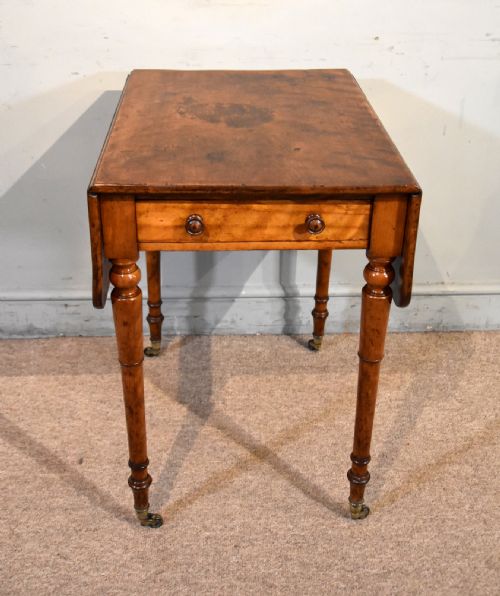
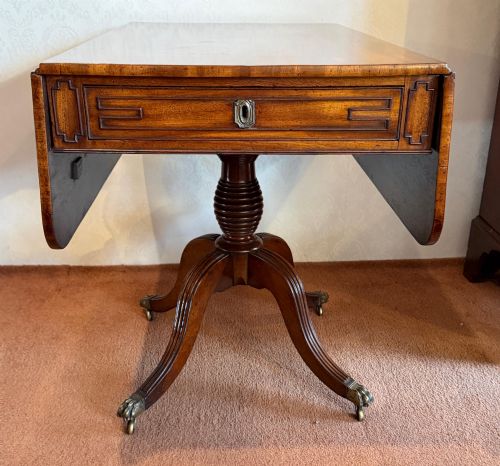
Antique sofa table castors are the small brass and ceramic wheels fitted beneath the legs of nineteenth-century drop-leaf tables to allow smooth movement across carpets and floors.
Antique Sofa Table Castors
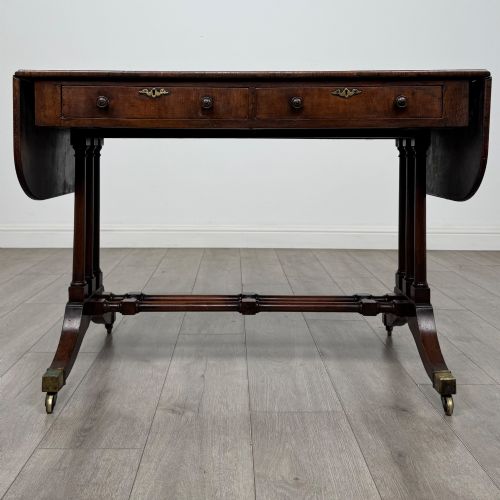
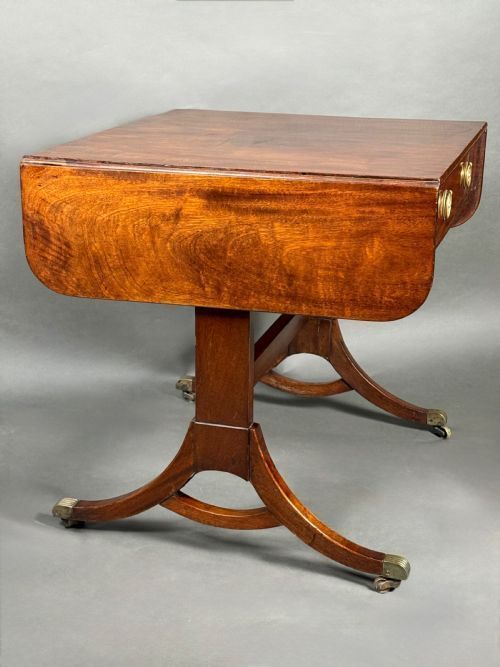
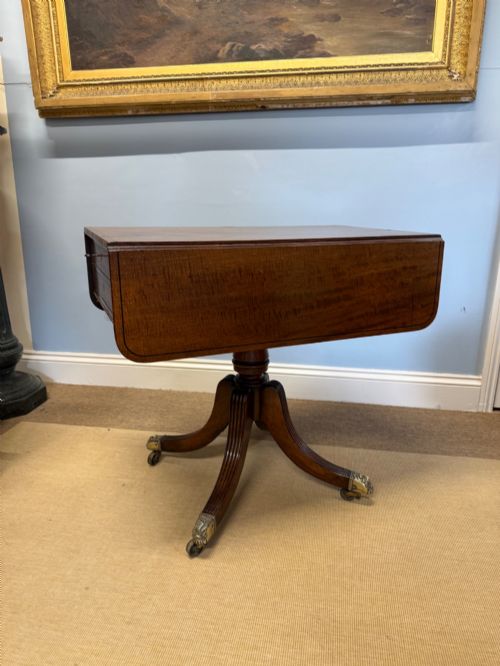
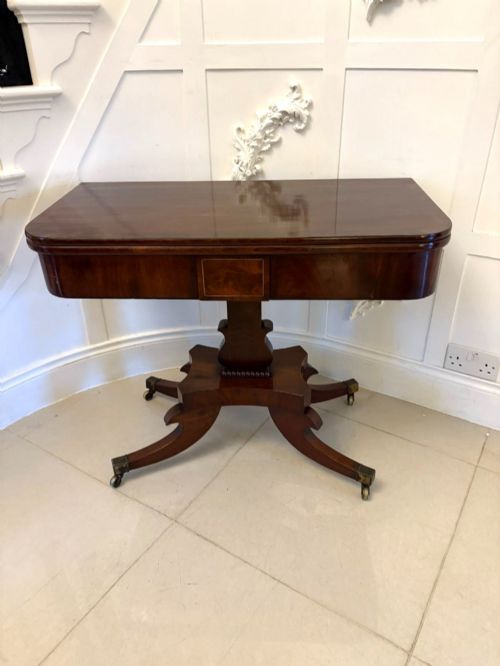
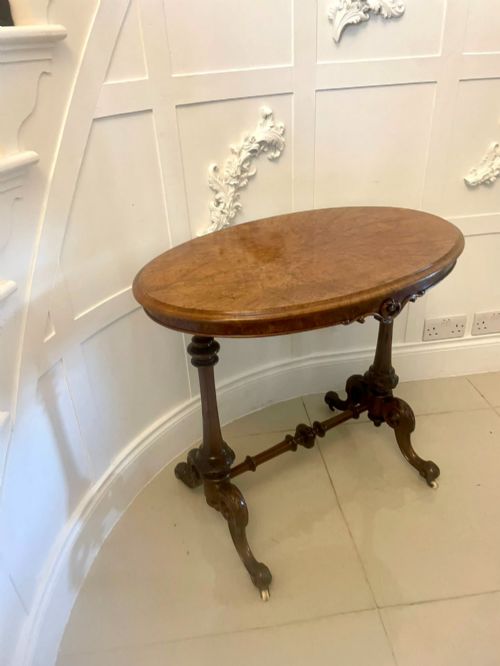
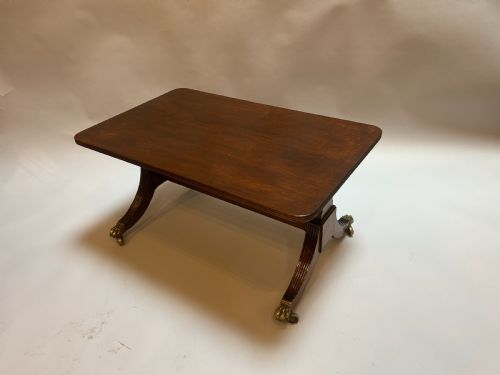
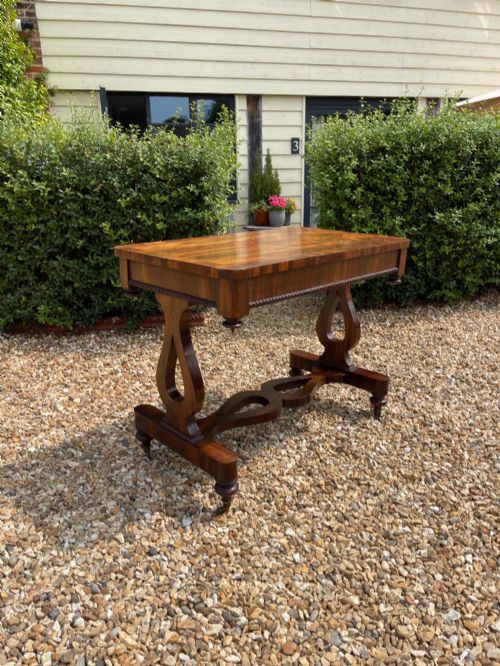
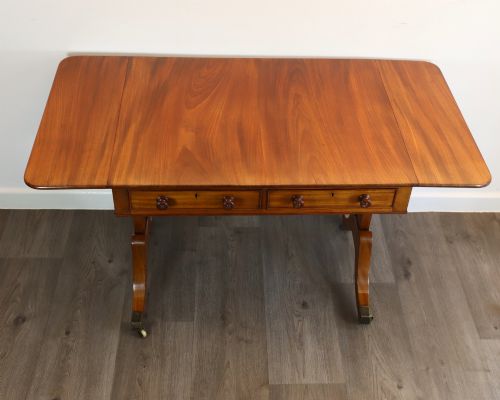
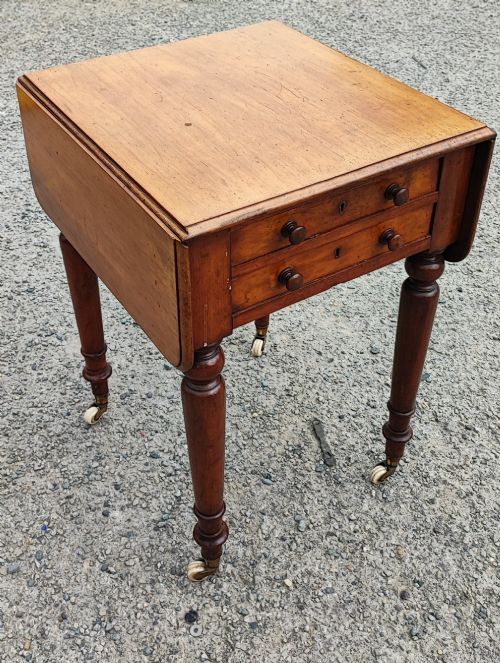
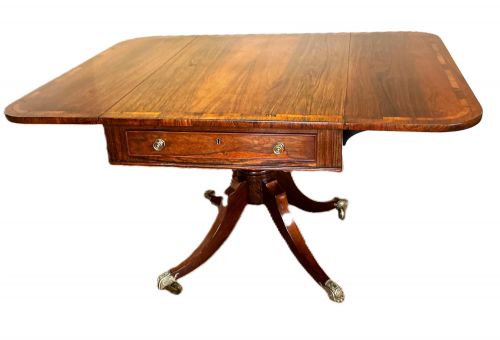
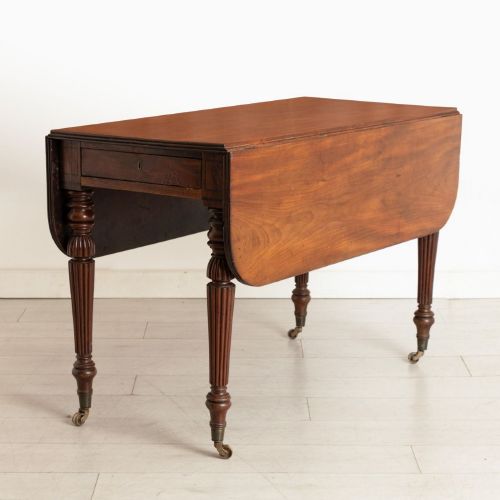
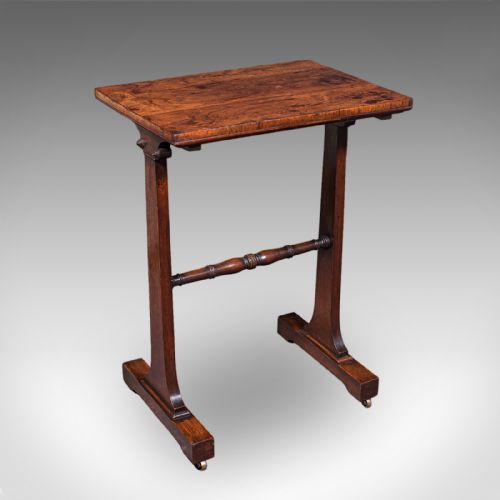
When you search for antique sofa table castors, you encounter hardware designed to support heavier library, centre, and sofa tables during the Regency, William IV, and Victorian periods. These pieces include drop-leaf Pembroke designs, twin-pillar tables in mahogany and rosewood, and occasional tables intended for mobility around a drawing room.
The hardware itself forms an integral part of freestanding tables from the 18th century through to the early 20th century. While listings frequently present complete tables rather than loose wheels, the quality of the brass fittings and ceramic sockets dictates the historical integrity of the piece.
How they were made
Makers cast the fittings from solid brass, occasionally incorporating turned ceramic wheels or mounting them into brass collars secured directly into the timber legs. Timbers such as mahogany, rosewood, and satinwood provide the structural weight that necessitated these smooth-running wheels.
Joinery involved turning the wood to receive the stem of the castor or recessing brass sockets flush into the foot of the table. Metal components were cast, hand-finished, and pinned to ensure the heavy drop-leaf tables moved without straining the joints.
Listings feature mahogany, rosewood, satinwood, and burr walnut across periods spanning the Georgian era to the early twentieth century.
What varies in quality
The distinction between ordinary and superior examples lies in the weight of the brass and the crispness of the turning on the wooden mounts. Better tables feature heavy cast brass sockets that match the period of the frame precisely.
Subtle differences appear in the integration of ceramic elements and the smoothness of the swivel action. Fine tables retain their original matching castors, whereas lesser examples often show replacements or mismatched hardware from later repairs.
Johnstone and Jeanes·Andrew Thomson and Sons
The Antique Sofa Table Castors Glossary
- Castor
- A small wheel fitted to the foot of a piece of furniture to allow easy rolling. These metal or ceramic assemblies were essential for moving heavy mahogany and rosewood tables across carpeted rooms.
- Sofa Table
- A freestanding drop-leaf table popular during the Regency period, usually fitted with two small drawers and supported on pillar ends. They frequently require sturdy brass castors to manage their weight when moved.
- Pembroke Table
- A small rectangular table featuring two hinged drop leaves on opposing sides. They often incorporate a single drawer and rest on slender legs fitted with castors.
- Regency
- A British design period spanning the early nineteenth century defined by classical restraint and rich cabinet woods. Furniture from this era often utilises gilt brass mounts and sophisticated castor fixings.
- Drop Leaf
- A table top configuration featuring hinged flaps that lower or raise to alter the surface area. This mechanism created flexible furniture for nineteenth-century entertaining.
Antique Sofa Table Castors: Frequently Asked Questions
Are original castors important?
Original castors maintain the correct height and proportion of a table, preserving the stance intended by the cabinet maker. Matching brass or ceramic wheels also indicate that the piece has survived with minimal alteration.
Substitutions are common because these components endured heavy friction and weight during daily use. Inspecting the fixing points reveals whether the current hardware has been present since the table's construction.
How do I identify Regency castors?
Regency castors typically feature heavy cast brass frames, sometimes housing turned wooden or ceramic rollers. They fit snugly into recessed sockets carved directly into the base of the table leg.
Later Victorian versions tend to employ simpler stem designs or cup fittings made from pressed rather than cast brass. Comparing the patina of the metal to the surrounding timber helps confirm the period.
What timbers were used for these tables?
Makers relied heavily on figured mahogany, rosewood, and satinwood for tables that required sturdy castor support. These dense hardwoods provided the structural strength needed to hold hinged leaves and drawers.
Secondary timbers like oak or pine appear in the interior framing and drawer linings. The choice of primary wood usually corresponds to the specific stylistic period of the piece.
How should I care for table castors?
Keeping the wheels clean and free from dust ensures they roll smoothly across modern flooring without dragging. Avoid harsh metal polishes that can wear away the aged surface of the brass.
Lifting the table slightly rather than pushing it across rough surfaces protects both the wooden leg and the internal brass pin from bending.