

Antique Sofa and Chairs
These antique sofa and chairs are matched seating arrangements and individual daybeds built to furnish formal reception rooms across the nineteenth and early twentieth centuries.
Antique Sofa and Chairs
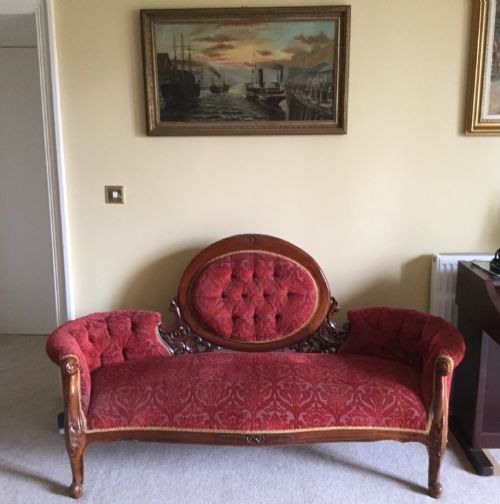
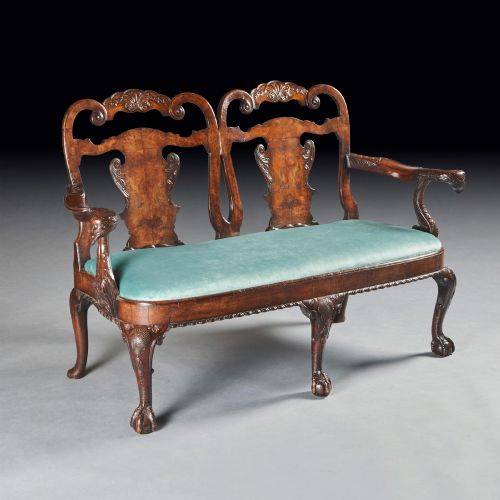
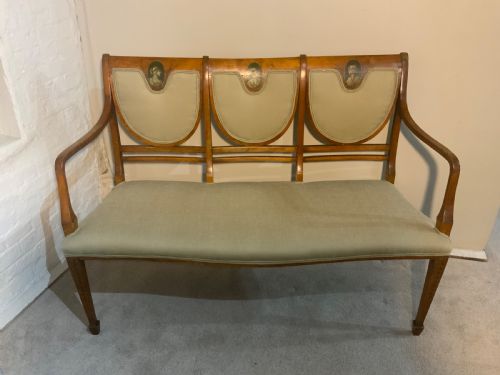
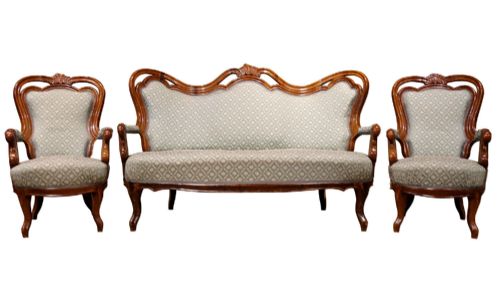
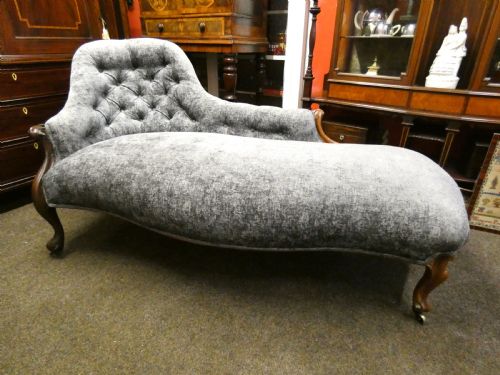
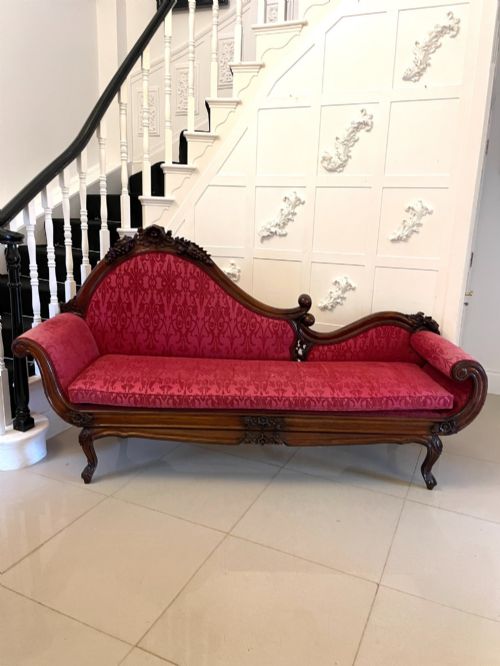
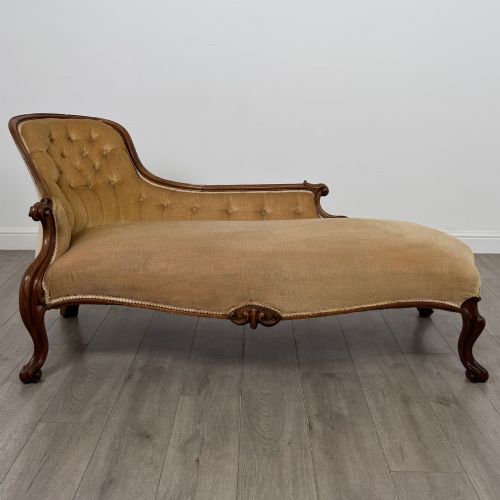
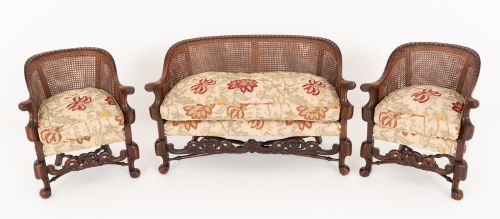
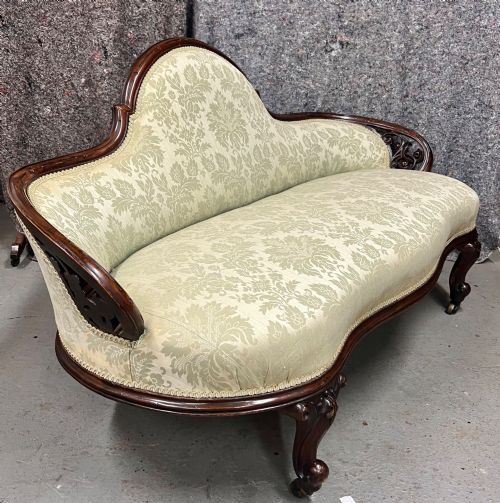
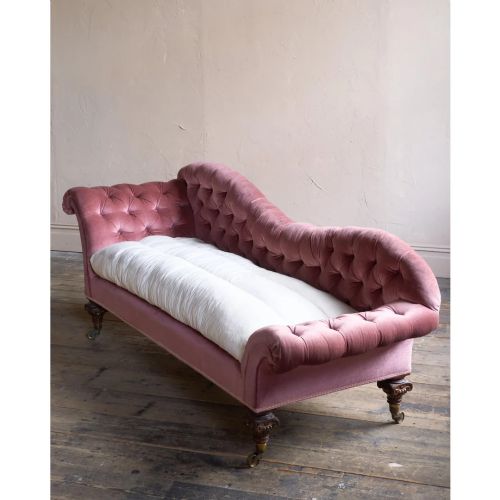
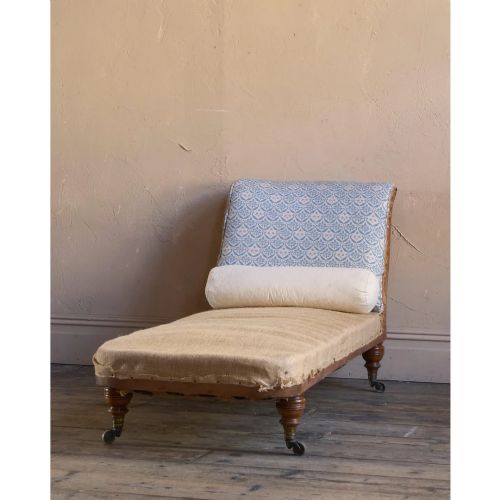
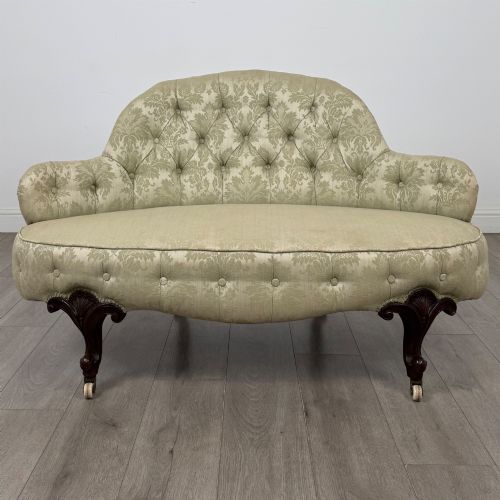
When searching for antique sofa and chairs, buyers encounter everything from single chaise longues and twin chair-back settees to expansive salon suites comprising multiple armchairs and matching couches. The nineteenth century yields the highest volume of Victorian walnut and mahogany examples, often heavily carved or deep-buttoned.
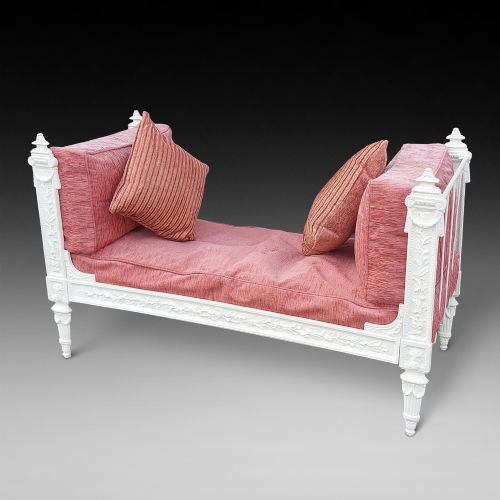
The selection ranges across distinct historical revivals, including Rococo, Louis XV, and Georgian styles alongside Edwardian and Art Deco suites. Forms vary from double-ended settees and conversation seats to daybeds supported by cast iron or turned timber frames.
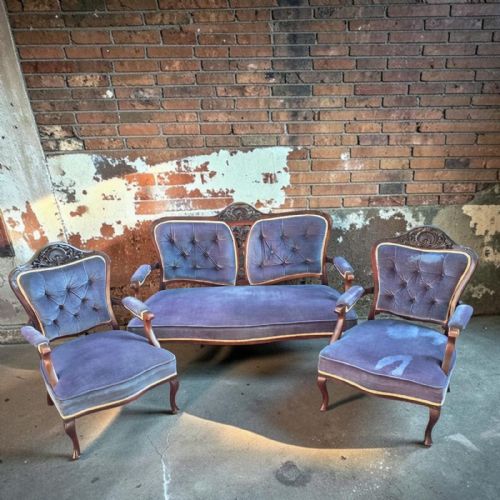
Origin and period dictate the character of each suite, with continental walnut salon groupings appearing alongside British mahogany and rosewood pieces. Matching sets of seven, nine, or eleven pieces represent the grander end of domestic seating arrangements from the era.
Materials and construction methods
Frames rely on dense hardwoods such as mahogany, walnut, rosewood, and satinwood, often shaped with elaborate hand-carved ornamentation or delicate inlaid detailing. Cast iron frames also appear in functional daybeds from the later Victorian period.
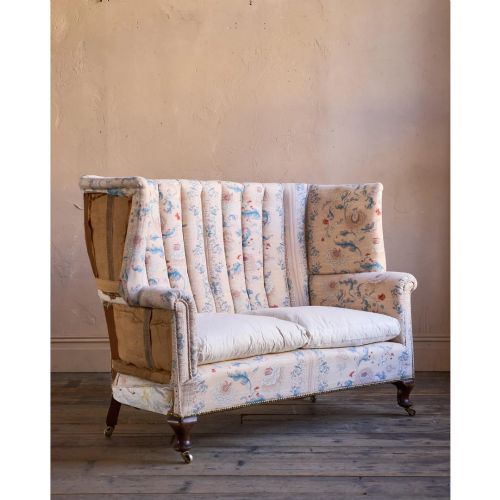
Upholstery relies on traditional sprung bases layered with horsehair and padding, finished in contemporary fabrics like velvet, damask, brocade, or deep-buttoned leather. Structural stability depends on traditional joinery reinforced with brass castors and turned or fluted legs.
The listings encompass nineteenth-century and early twentieth-century seating, spanning Victorian, Edwardian, and Art Deco periods across multiple timber types.
Distinctions in craftsmanship and design
Quality reveals itself in the crispness of the timber carving and the architectural proportions of the frame, where revival pieces draw directly from earlier George II or Louis XV designs. Exhibition-grade suites demonstrate exceptional woodwork paired with extensive, uniform matching across every chair and sofa in the set.
The integrity of the original frame construction and the ambition of the form separate standard daily seating from substantial salon suites and attribution pieces. Richer timbers like figured walnut and rosewood elevate the stature of a settee well beyond basic mahogany or painted softwood frames.
Howard and Sons·Holland and Sons·Epstein
The Antique Sofa and Chairs Glossary
- Chaise longue
- An upholstered daybed or couch featuring a single raised headrest, designed for reclining in domestic reception rooms.
- Salon suite
- A matching group of seating comprising a central sofa or settee accompanied by a coordinated set of armchairs and side chairs.
- Settee
- A long wooden or upholstered seat with a back and arms, built to accommodate multiple sitters comfortably.
- Bergere
- An enclosed upholstered armchair or sofa with exposed wooden framing and woven cane panels along the sides and back.
- Double ended sofa
- A couch featuring symmetrically scrolled or raised ends of equal height, allowing a sitter to recline against either side.
Antique Sofa and Chairs: Frequently Asked Questions
How do I distinguish a Victorian salon suite from an Edwardian one?
Victorian suites lean heavily towards dark carved walnut or mahogany with deep buttoned upholstery and exuberant revival styling. Edwardian suites often introduce lighter satinwood, inlaid decorative motifs, and influences from the Arts and Crafts movement or Chinoiserie.
Examining the underlying timber and the treatment of the carved details usually clarifies the decade of manufacture. Earlier Victorian pieces prioritise heavy presence, whereas Edwardian arrangements favour lighter domestic interiors.
What is the difference between a settee and a sofa in antique seating?
Historically, a settee denotes a wooden or partially upholstered bench with a rigid back, while a sofa implies a fully upholstered piece designed for relaxation. Over time these definitions overlap considerably within nineteenth-century furniture catalogues.
Today the terms are used interchangeably by makers and dealers to describe multi-person seats. Inspecting the degree of upholstery and frame exposure provides a clearer guide to the specific form.
Can I mix antique chairs with a non-matching sofa?
Mixing individual chairs with a separate sofa reflects historical domestic practices where drawing room seating accumulated over generations rather than arriving as a single factory suite. Matching timber tones and corresponding period styles maintain visual harmony across the room.
Pairing a walnut chaise longue with walnut side chairs creates a cohesive historic display without requiring a complete pre-packaged salon suite.
How were large salon suites arranged in period homes?
Large multi-piece suites featuring sofas, armchairs, and footstools were positioned around the perimeter of formal drawing rooms to encourage conversation. Occasional chairs could be moved toward the centre of the room to accommodate larger gatherings.
Maintaining the grouping together preserves the social function intended by the original cabinetmakers and upholsterers.