





Antique Silverware Tray
These antique silverware tray options bring classic service to the table, offering functional elegance for modern entertaining through historic design.
Antique Silverware Tray
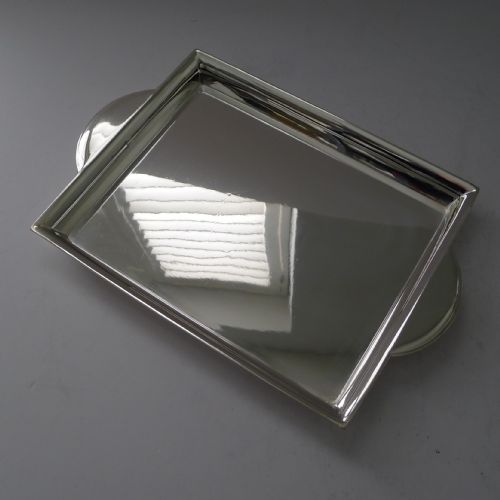
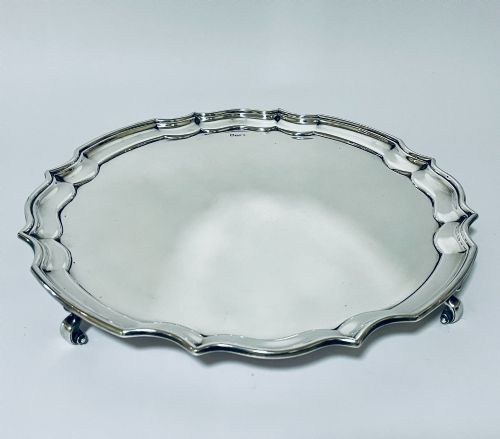
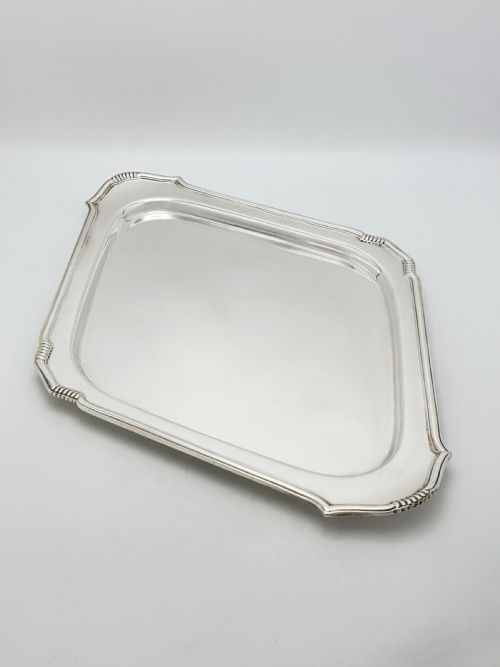
An antique silverware tray encompasses a diverse range of serving pieces from the Georgian, Victorian, and Edwardian eras, spanning into the Art Deco period. You encounter forms such as large salvers, diamond-shaped cocktail trays, chargers, bread dishes, and strawberry dishes.
The materials vary across these pieces, featuring sterling silver, silver plate, metal, porcelain, glass, and mahogany lined with baize. Origin points range from Irish Georgian pieces to English workshops operating under George III, George V, and William IV.
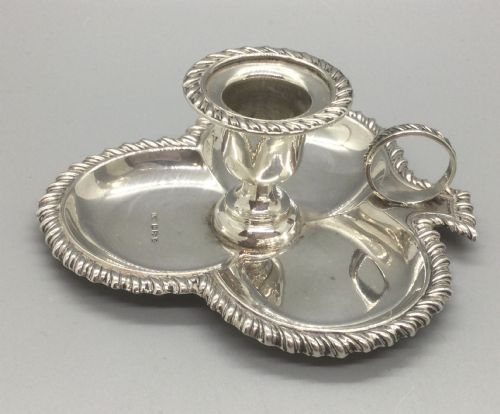
Serving trays and salvers provide both utilitarian purpose and decorative presence in interior settings. The selection includes specialised items like demitasse and liqueur services alongside ashtrays and candleholders.
How they were made
Silversmiths utilised sterling silver and silver plate over base metals, shaping heavy gauge metal into salvers, dishes, and trays with raised borders. Floral chargers and geometric Art Deco cocktail trays demonstrate distinct periods of design execution.
Cabinetmakers constructed wooden pieces like mahogany butler's cutlery trays using traditional joinery, frequently incorporating baize linings to protect silver and cutlery. Skilled artisans applied chased and engraved surface decoration by hand to sterling and plated items alike.
Antique Silverware Tray Retail Price Guide 2026
Typical asking prices for silverware tray among the pieces listed under this phrase on Sellingantiques today, from the lower quarter to the upper quarter. They describe what is for sale here now, not the wider market.
Listings feature sterling silver, silver plate, mahogany, porcelain, and glass across periods from Georgian to Art Deco.
What varies in quality
The weight and thickness of the silver or silver plate dictate the substantive feel of a tray, with heavier gauges offering greater durability and presence. Master silversmiths executed crisper chasing and more balanced proportions than lesser workshops.
Maker marks and hallmarks provide clear indicators of origin and workshop standard, influencing the distinction between standard production items and pieces produced by notable makers. The integration of materials such as mahogany and glass with metal mounts requires precise fitting to achieve lasting structural integrity.
Elkington·John Grinsell And Sons·Tiffany And Co·Paul Storr
The Antique Silverware Tray Glossary
- Salver
- A flat tray, typically made of silver, used for serving food or drinks or for presenting calling cards. These often stand on small feet.
- Charger
- A large decorative plate or tray used underneath other courses or displayed on walls. These pieces feature prominent borders and decorative motifs.
- Sterling silver
- An alloy consisting of 92.5 percent silver and 7.5 percent other metals, usually copper. This standard ensures structural durability for functional tableware.
- Silver plate
- A layer of silver applied to a base metal core such as copper or nickel silver. This technique offered a more accessible alternative to solid silver.
- Baize
- A coarse woolen material resembling felt, commonly used to line the interior of wooden cutlery trays and boxes. It prevents scratching on silver surfaces.
Antique Silverware Tray: Frequently Asked Questions
What is an antique silverware tray used for?
These trays served various domestic functions, from carrying glassware and decanters to presenting bread or dessert at the dining table. Many larger salvers also functioned as display pieces on sideboards when not in active use.
Over time, their roles adapted to changing social customs, encompassing cocktail service during the Art Deco period and formal tea distribution in earlier decades.
How do I clean an antique silver tray?
Maintenance requires specialised silver polish and a soft cloth to remove tarnish without abrading the underlying metal or wearing down silver plating. Harsh chemical dips should be avoided, particularly on pieces with engraved details or inset wooden elements.
Storage in dry environments helps retard tarnish accumulation between uses. For wooden or baize-lined trays, brushing out debris and treating the wood with appropriate oils preserves the materials.
What periods do these trays come from?
The pieces span multiple historical periods, beginning with Georgian and William IV designs from the early nineteenth century. Later examples extend through Victorian and Edwardian eras into 1920s Art Deco production.
Each period imparts distinct stylistic markers, from ornate floral chased borders in the nineteenth century to streamlined geometric angles in the 1920s.
Are silver plated trays collectible?
Silver plated items from established makers or distinct design movements hold significant collector interest alongside solid sterling silver pieces. Quality depends on the maker's reputation and the preservation of the original plating.
Pieces produced by firms like Elkington or featuring specific period aesthetics command attention from collectors who value both form and historical context.