





Antique Silverware Jug
These antique silverware jug pieces bring genuine period weight to the table, offering practical vessels shaped across centuries of British and international silversmithing.
Antique Silverware Jug
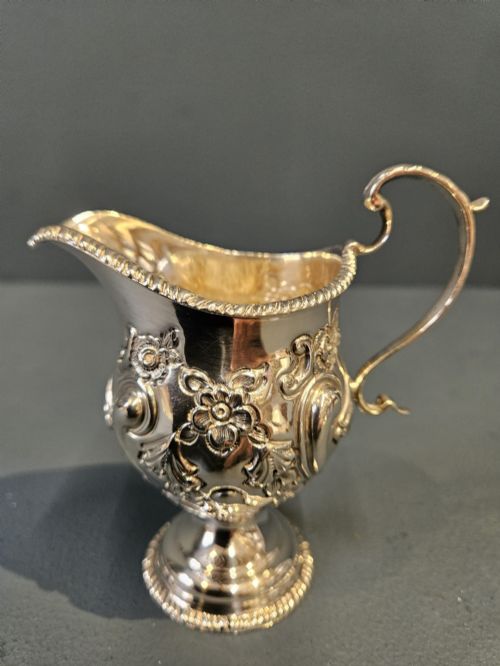
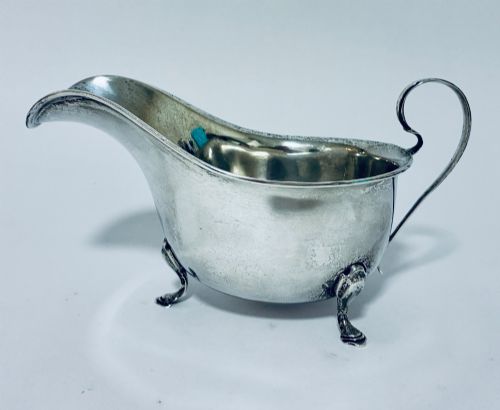
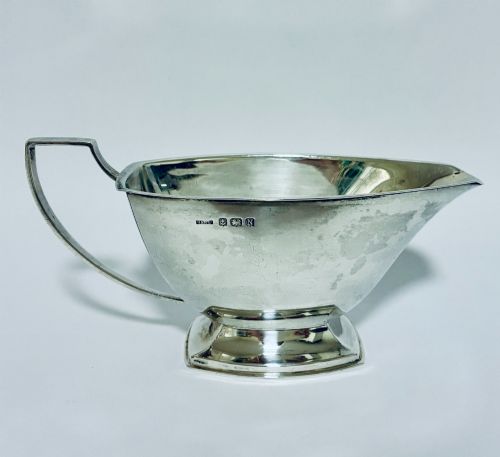
When you search for an antique silverware jug, you are looking at hollowware ranging from small cream and milk jugs to larger sauce boats, coffee pots, and ewers. The forms span multiple periods, touching Georgian, Victorian, Edwardian, and Art Deco eras with distinct regional variations.
You are most likely to meet Edwardian and Georgian examples on this page, often appearing as cream jugs or sauce boats in sterling silver. These pieces served functional roles at tea and dining tables long before becoming decorative objects of interest.
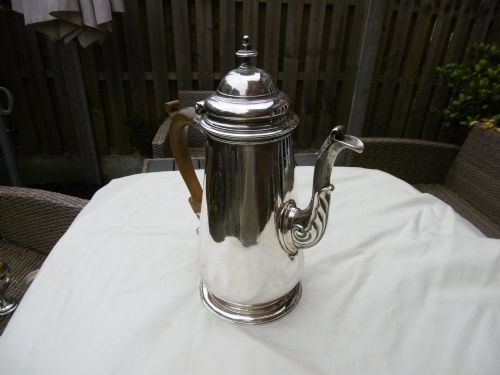
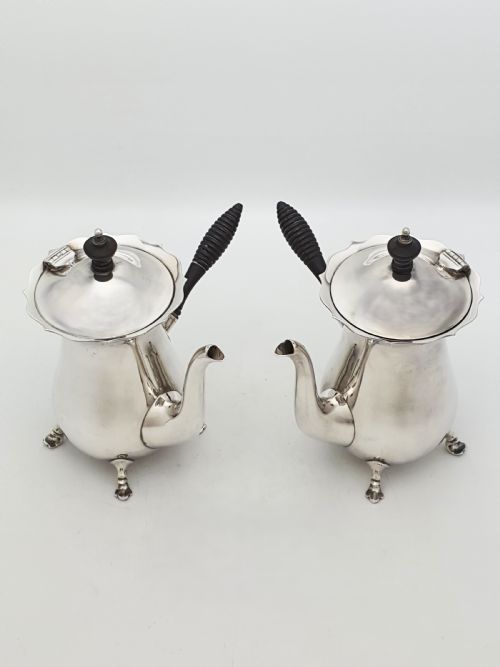
The selection also includes rarer forms like Chinese export dragon jugs with bamboo handles, cafe au lait pots, and elaborate Victorian ewers. Each object reflects the social dining habits and domestic rituals of its specific period of manufacture.
How they were made
Silversmiths constructed these vessels primarily using sterling silver and solid silver, shaping the metal through hammer work and casting. Many domestic pieces incorporate applied handles made of wood or ebony to insulate against heat.
Surface decoration relies on techniques like chasing, embossing, and applied detailing, visible on pieces styled in Victorian Renaissance Revival or Chinese Export taste. Some vessels also feature partial gilding to the interior bowls.
Antique Silverware Jug Retail Price Guide 2026
Typical asking prices for silverware jug among the pieces listed under this phrase on Sellingantiques today, from the lower quarter to the upper quarter. They describe what is for sale here now, not the wider market.
The listings show pieces spanning the 18th Century through the 1940s, utilising sterling silver, wood, ebony, and gilt materials.
What varies in quality
Quality separates through the weight of the silver used and the crispness of the original chasing or maker marks. Substantial gauge silver maintains its structural integrity and resists denting far better than lighter alternatives.
Artisanal execution dictates the finer pieces, where handles fit seamlessly and spouts pour cleanly without dribbling. The integration of secondary materials like ebony or wood also marks the distinction between standard domestic production and superior workshop output.
Richard Gurney·Luen Hing·Harrison Brothers and Howson
The Antique Silverware Jug Glossary
- Sterling silver
- A silver alloy containing 92.5 percent pure silver by mass, standard for quality British tableware.
- Sauce boat
- An open vessel with a lip and handle designed for serving gravies or sauces at the dining table.
- Ewer
- A large jug with a wide spout and elaborate handle, historically used for pouring water or wine.
- Chasing
- A metalworking technique where the silversmith punches and pushes the metal from the front to raise a design in relief.
- Hollowware
- Tableware items such as jugs, pots, and bowls that are hollow in construction rather than flat.
Antique Silverware Jug: Frequently Asked Questions
How do I clean an antique silver jug?
Use a soft microfiber cloth and a mild silver polish specifically formulated for antiques to remove tarnish gently. Avoid abrasive brushes or dips that strip the natural patination built up over decades.
Wash the vessel in warm soapy water immediately afterward and dry it thoroughly with a lint-free cloth to prevent water spots.
Can I still use these jugs for serving milk?
Many solid silver jugs remain structurally sound and food-safe for serving milk or cream during tea service. Sterling silver does not react poorly to dairy, provided the interior is clean.
Inspect the interior first for any old residues or lining wear, and wash the piece by hand rather than placing it in a dishwasher.
How do I date a silver jug?
Look closely at the surface for hallmarks stamped by the assay office, which indicate the exact year of manufacture and the maker's mark. Stylistic cues like Georgian scroll handles or Edwardian proportions also offer strong chronological clues.
Comparing the form to documented designs from periods like Art Deco or Victorian Renaissance Revival helps narrow down the decade.
Why do some jugs have wooden handles?
Makers added wood or ebony handles to coffee pots and hot water jugs to prevent heat from transferring to the user's hand. Silver conducts thermal energy quickly, making insulated grips essential for hot liquids.
These organic elements require careful handling to keep the wood from drying out or shrinking away from the silver sockets.