

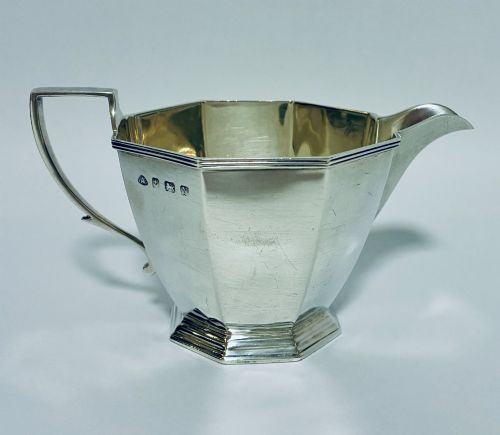


Edwardian Cream Pitcher
An edwardian cream pitcher brings the understated elegance of early twentieth-century hospitality straight to your table.
Edwardian Cream Pitcher
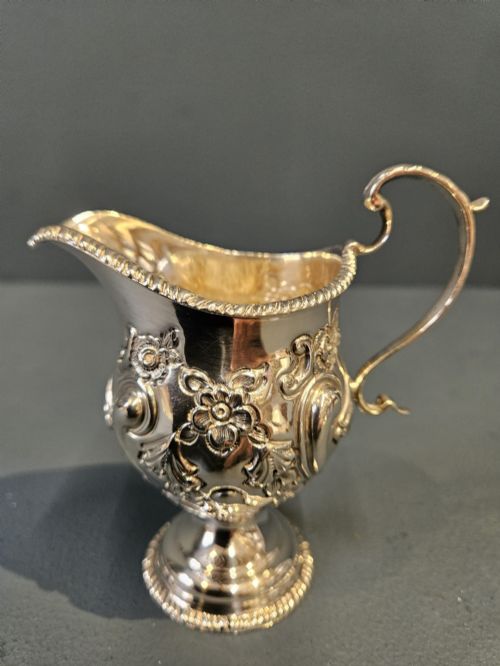
When you search for an edwardian cream pitcher, you encounter domestic vessels designed to serve milk or cream during afternoon tea. These items appear primarily in silver, earthenware, and porcelain forms spanning the late nineteenth and early twentieth centuries.
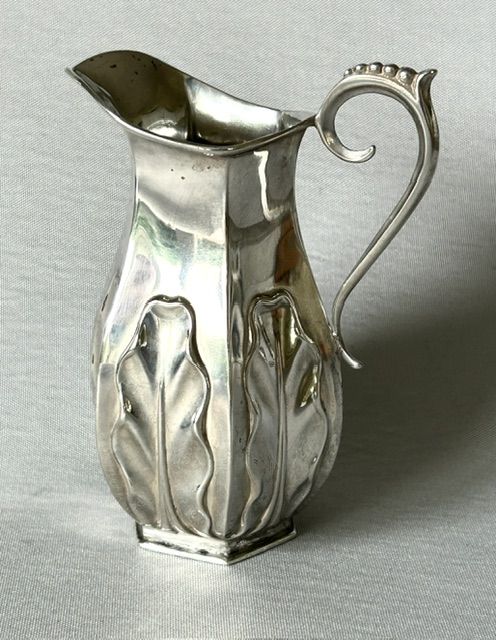
The pieces on this page range from traditional silver cream jugs to larger washstand sets and novelty designs. Alongside standard Edwardian specimens, you will find Victorian antecedents and later pieces reflecting Arts and Crafts and Art Nouveau aesthetics.
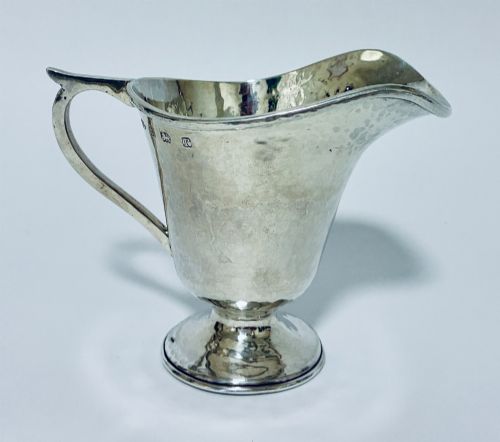
The most typical iteration is a silver cream jug, often bearing hallmarks from the early nineteen-hundreds. Collectors also encounter ceramic ewers, milk jugs, and complete tea sets originating from this same expansive period.
How they were made
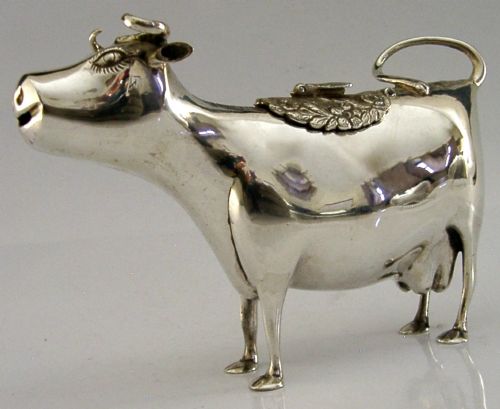
Makers shaped sterling silver and silver plate through traditional smithing techniques, forming hollowware bodies with applied handles and decorative borders. Some examples incorporate gold leaf details or feature cast novelty shapes like the iconic cow creamer.
Ceramic pieces utilise earthenware, porcelain, and stoneware bodies shaped and fired before receiving hand-painted or glazed finishes. Factories such as Royal Worcester and Doulton Lambeth applied complex glaze techniques and blush ivory treatments to their ewers and jugs.
Edwardian Cream Pitcher Retail Price Guide 2026
Typical asking prices for edwardian cream pitcher among the pieces listed under this phrase on Sellingantiques today, from the lower quarter to the upper quarter. They describe what is for sale here now, not the wider market.
The material record spans precious metals, glazed stoneware, and delicate porcelain, reflecting the broad range of domestic tableware.
What varies in quality
The distinction between standard domestic items and superior examples lies in the crispness of the silversmith's chasing or the finesse of the ceramic painting. Maker attribution plays a significant role, with pieces bearing marks from established silversmiths or renowned potteries commanding greater attention.
Material choice and structural integrity also define the upper tier, where heavy sterling silver or flawless porcelain glaze remain intact without compromise. Unusual forms, such as novelty animal creamers or pieces designed by recognised firms, represent the pinnacle of the maker's art.
George Unite·Royal Worcester·Doulton Lambeth·Mark Jones and Sons
The Edwardian Cream Pitcher Glossary
- Sterling silver
- A silver alloy containing 92.5 percent pure silver by mass, standard for quality British tableware. This material provides the durable body seen in traditional cream jugs.
- Blush ivory
- A porcelain finish pioneered by Royal Worcester featuring a soft, creamy pink tint underglaze. It creates a subtle matte background often highlighted with gilt details.
- Hallmark
- A stamp or series of stamps applied to precious metals indicating the standard of purity, the assay office, and the date letter. These marks allow collectors to date silver creamers precisely.
- Ewer
- A large jug with a wide spout and a bulbous body, traditionally used for water or washing. In ceramic forms, it mirrors the graceful handle and pouring lip of smaller cream pitchers.
- Novelty creamer
- A hollowware milk jug fashioned into an amusing shape, such as an animal or character. These whimsical items were popular conversation pieces on tea tables.
Edwardian Cream Pitcher: Frequently Asked Questions
How do I clean an antique silver cream jug?
Clean silver vessels gently using a soft cloth and a reputable silver polish formulated to preserve antique patinas. Avoid harsh scrubbing brushes or abrasive dips that might strip away delicate hallmarks and fine details.
Rinse the piece thoroughly in warm water and dry it immediately with a lint-free cloth to prevent spotting. Regular, gentle maintenance keeps the silver bright without wearing down the original metal surface.
Can I use these pitchers for daily service?
Silver and ceramic creamers function well for modern dining provided you handle them with reasonable care. Solid silver and glazed porcelain hold liquids securely and wash safely by hand.
What is the difference between a milk jug and a cream pitcher?
Milk jugs traditionally held a larger volume for breakfast use, while cream pitchers were smaller vessels intended for richer cream at afternoon tea. In practice, makers used the terms interchangeably across various silver and ceramic services.
Both forms share similar pouring lips and handle configurations, though creamers often display more decorative ornamentation due to their formal setting.
How do I identify an Edwardian silver hallmark?
Examine the base or rim of the jug using a magnifying glass to locate the small stamped punch marks. These typically include a lion passant for sterling silver, an assay office symbol, and a specific date letter.
Reference books or online assay tables match the letter stamp to the exact year of manufacture, confirming the Edwardian period. Maker's marks alongside these stamps reveal the silversmith responsible.