
Antique Silvered Tray
An antique silvered tray brings lasting elegance to any table, offering practical service through refined plating and polished metalwork.
Antique Silvered Tray
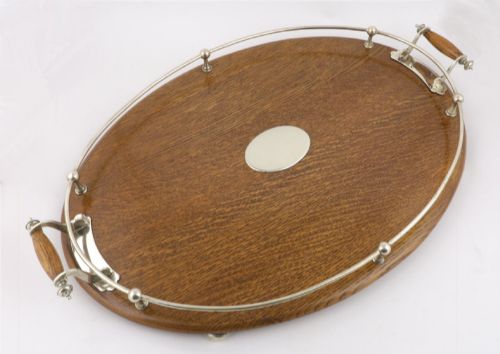
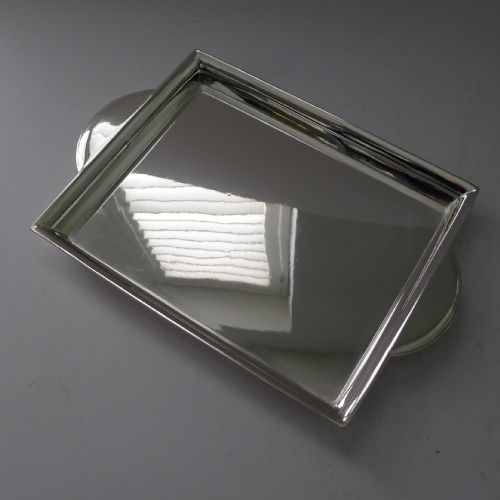
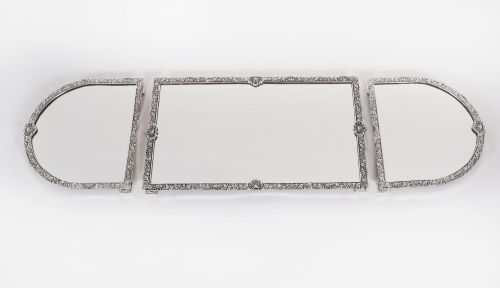
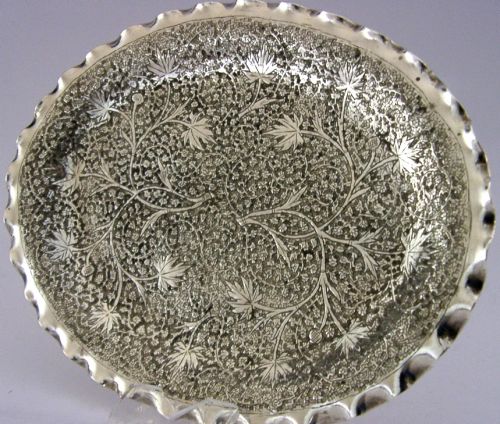
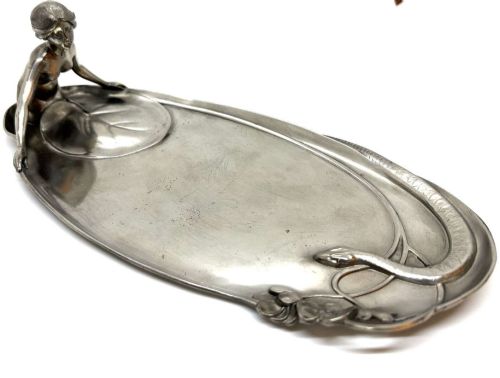
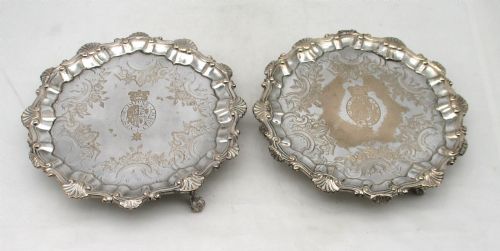
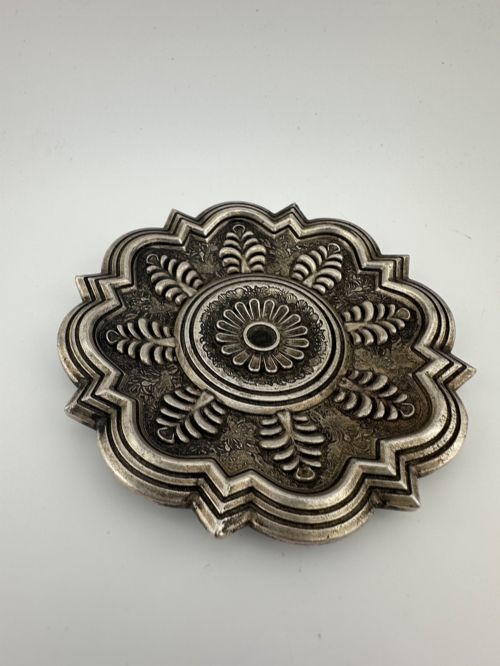
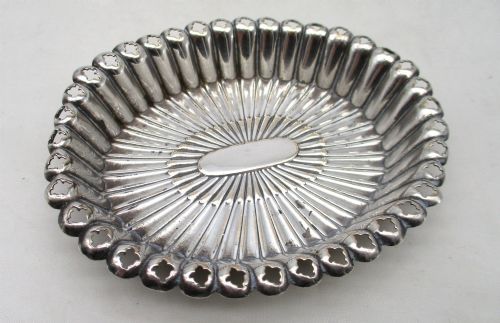
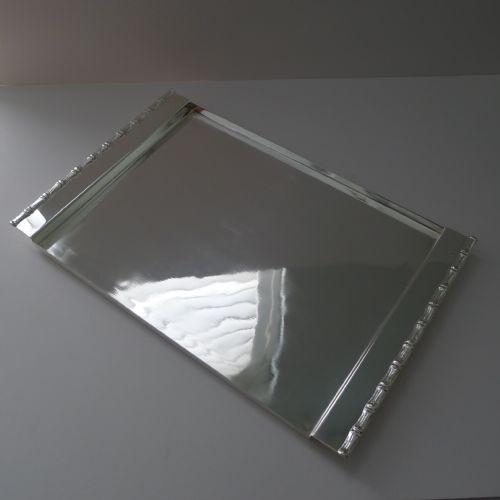
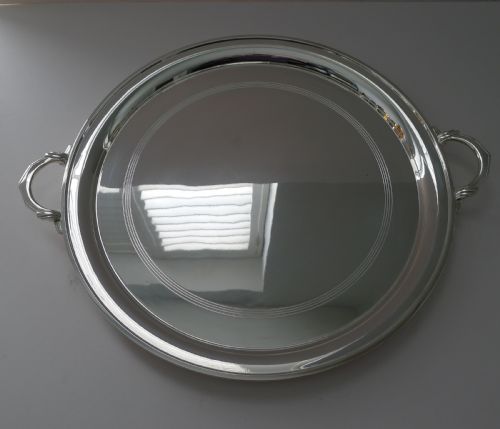
An antique silvered tray encompasses an array of serving vessels, tea trays, salvers, and gallery pieces created for domestic display and entertaining. Buyers seeking these items encounter notable forms from the Victorian and Edwardian eras alongside earlier Georgian designs.
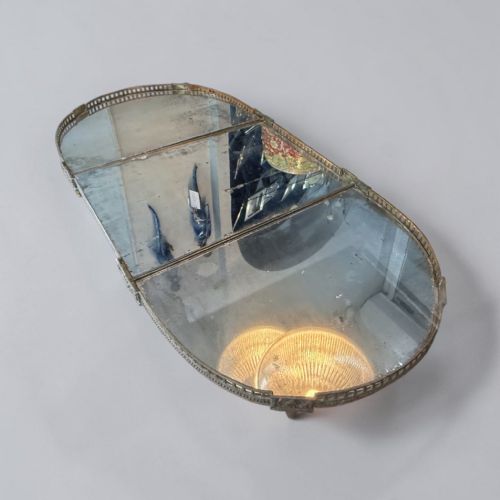
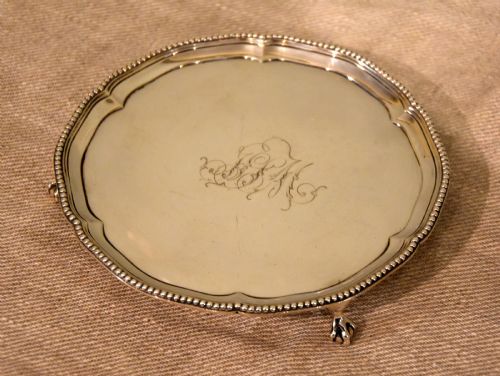
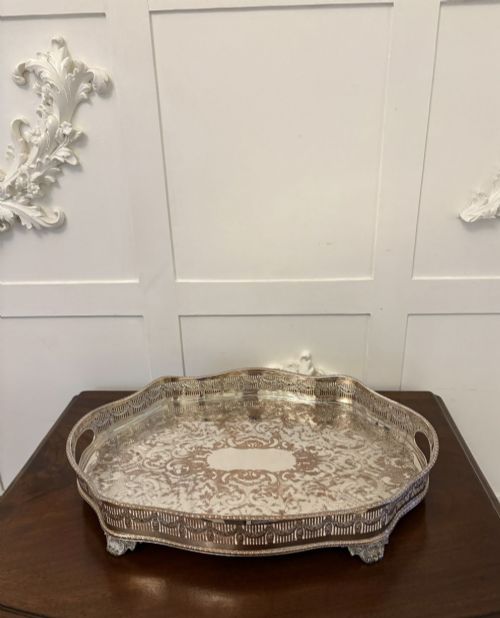
The selection ranges from large octagonal gallery trays with shell inlay to circular engraved salvers and delicate tea serving pieces. Most pieces found here utilise silver plate or electroplated nickel silver, reflecting the manufacturing output of the nineteenth and twentieth centuries.
Makers such as James Deakin, William Hutton & Sons, and Mappin & Webb appear frequently, contributing formal pierced borders, engraved surfaces, and robust handles to the inventory.
Materials and Construction Techniques
Makers shaped these items from copper, nickel silver, and base metals before applying silver plate or electroplated nickel silver to achieve a bright metallic finish. Techniques such as Old Sheffield plating fused silver to copper sheets, while later electroplating methods allowed an even coating over white metal and EPNS substrates.
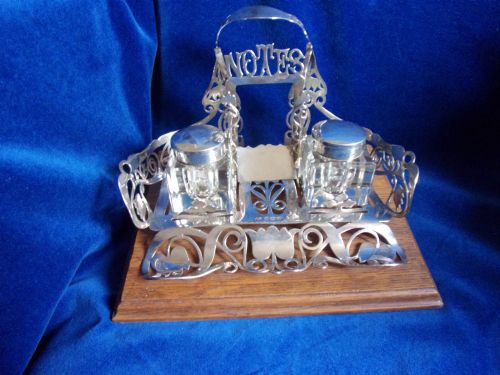
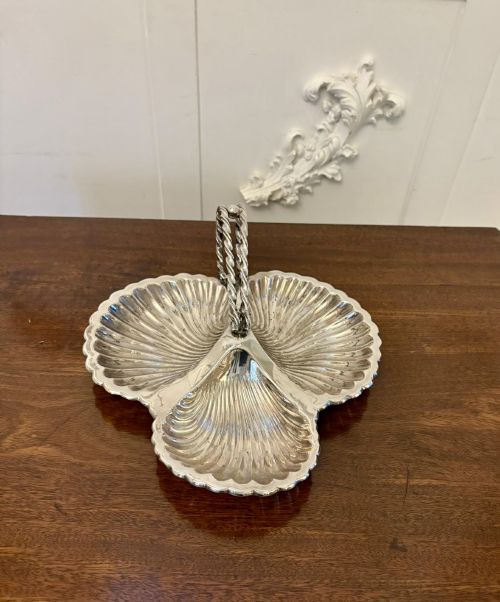
Craftsmen added decorative detail through hand engraving, pierced galleries, applied cast borders with grapevine or shell motifs, and occasional wooden bases or glass liners. These methods combined structural durability with ornamental surface work.
Listings feature items spanning the eighteenth, nineteenth, and twentieth centuries, incorporating sterling silver, silver plate, copper, and cut glass.
Distinctions in Quality and Execution
Quality in an antique silvered tray rests upon the gauge of the underlying metal and the thickness of the silver application. Heavier pieces maintain structural integrity without flexing under a load of heavy decanters or tea services.
The crispness of the engraved decoration and the solidity of applied handles and feet separate standard production items from superior workshop output. Well-executed piercing on galleries and neat chasing demonstrate the skill of the silversmith or plater.
Keith Murray For Mappin & Webb·James Deakin·William Neale·William Hutton & Sons·Elkington·Christofle·Thomas Bradbury & Sons·S.C. Younge & Co.
The Antique Silvered Tray Glossary
- Silver Plate
- A base metal coated with a thin layer of silver. This process provided an affordable alternative to solid sterling silver for domestic serving pieces.
- Gallery Tray
- A tray featuring an upright pierced or solid metal border around the edge. This barrier kept decanters and glasses secure during service.
- Salver
- A flat serving tray, usually circular and raised on feet. Salvers historically served wine and glasses in formal settings.
- EPNS
- Electroplated Nickel Silver. A common base alloy used underneath a silver coating from the mid-nineteenth century onwards.
- Old Sheffield Plated
- An early plating method fusing a sheet of silver to a copper ingot. This technique created durable items with a characteristic sandwich of metals visible at unplated edges.
Antique Silvered Tray: Frequently Asked Questions
How do I clean an antique silvered tray?
Use a soft cloth and a gentle silver cream formulated specifically for plated items to preserve the remaining metal. Avoid harsh abrasive dips that strip the plating from the underlying base metal.
Regular dusting and careful handling prevent unnecessary wear on engraved surfaces and applied borders.
Can I use these trays for serving food?
Many silvered trays served historically for tea, wine, and food presentation in domestic settings. Ensure the surface is clean and free of tarnish before placing items directly upon it.
Plated items handle dry foods and vessels well, though acidic foods should not remain in contact with the metal for extended periods.
How do I tell Old Sheffield plate from later electroplate?
Old Sheffield plate often reveals a thin line of copper showing along cut edges or worn spots where the fused silver layer has thinned. Electroplate displays a uniform base metal underneath, such as nickel silver or white metal, when the plating wears through.
Weight and construction methods also provide clues, as fused plate generally dates from the late eighteenth to the early nineteenth century.