
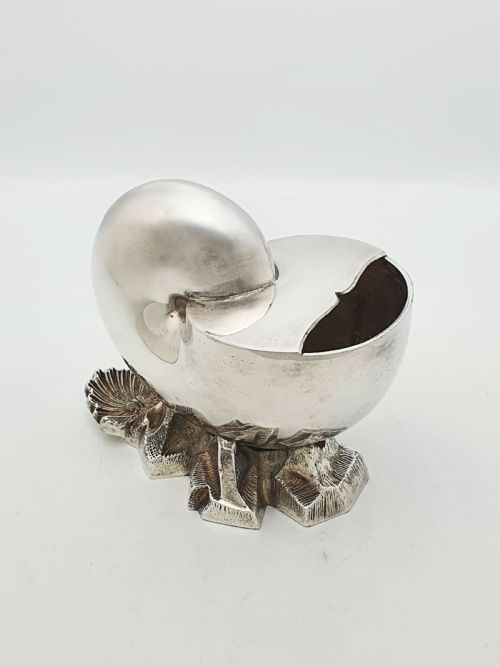


Antique Silver Warmer
When you search for an antique silver warmer, you encounter ingenious dining vessels designed to keep food, gravy, biscuits, or ladles heated at the Victorian and Georgian table.
Antique Silver Warmer
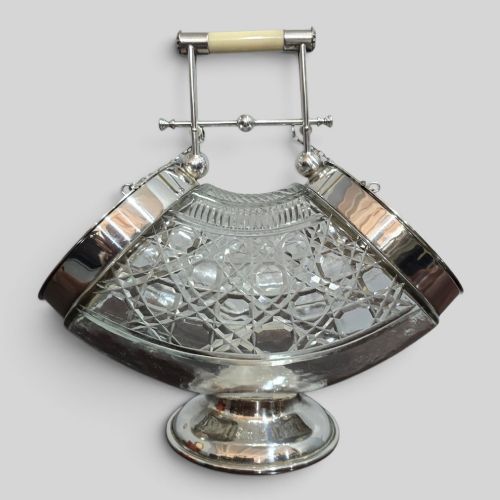
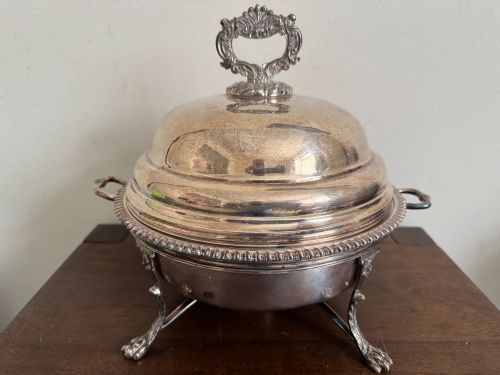
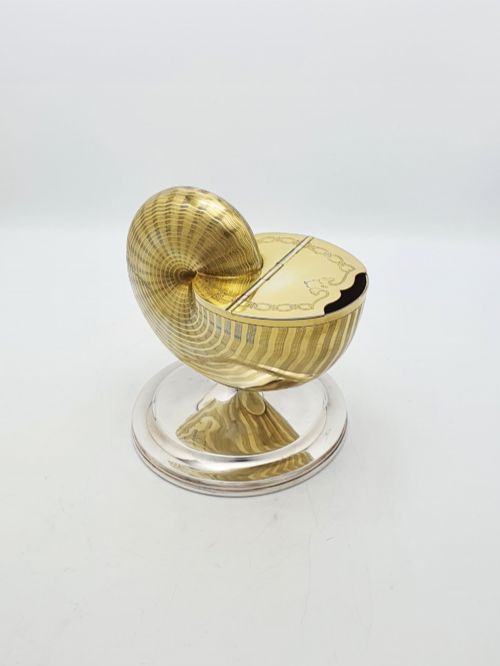
An antique silver warmer encompasses a broad range of specialised dining implements, from dedicated spoon warmers shaped like nautilus shells and marine buoys to gravies kept hot in argyle vessels and supper dishes fitted with lampstands.
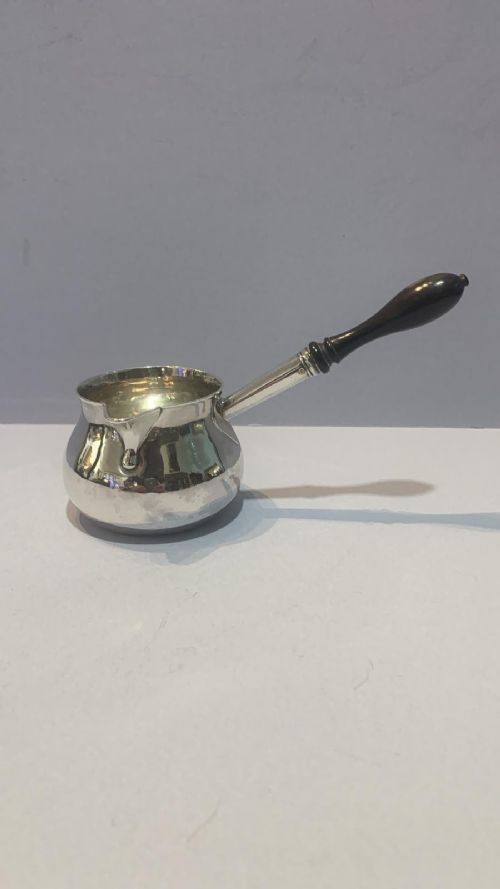
You are most likely to meet silver-plated Victorian novelties and Old Sheffield plate warming dishes on this page, alongside Georgian sterling silver brandy warmers and Edwardian biscuit boxes.
These items served practical functions in maintaining the temperature of liquids and foods during long dining courses, utilising internal water compartments or burners.
Materials and Construction
Makers utilised sterling silver, silver plate, and Old Sheffield plate combined with elements of wood, ceramic, and electroplated nickel silver to construct these serving vessels.
Techniques involved fusing thin sheets of silver to copper bases in older pieces, or electroplating white metal alloys for later Victorian novelties.
Complex items incorporated internal double walls for hot water, hinged mechanisms for folding biscuit boxes, and cast or chased decorative motifs in continental rococo and naturalistic styles.
Listings feature 18th century brandy pans alongside Victorian novelty shell spoon warmers and Edwardian revolving breakfast dishes in silver plate.
Factors of Quality
Quality depends on the crispness of the chasing, the structural integrity of hinged mechanisms, and the survival of the original silver coating over base metals.
Maker marks from prominent silversmiths and electroplaters elevate certain pieces, distinguishing standard production items from workshop outputs with bespoke engraving or crests.
The cleverness of mechanical function, such as smooth revolving breakfast dishes or well-sealed water compartments, separates standard wares from superior examples.
Padley Parkin And Staniforth·Samuel Blatchford·Mappin And Webb·Dan Holy·Fenton Brothers·The Alexander Clark·Thomas Latham And Ernest Morton·Hukin And Heath·William Hutton
The Antique Silver Warmer Glossary
- Argyle
- A vessel designed to keep gravy warm via an internal cylinder filled with hot water. This prevents congealing fats during long meals.
- Old Sheffield Plate
- A composite material made by fusing a thin sheet of silver to a copper ingot. This technique predates modern electroplating.
- EPNS
- Electroplated Nickel Silver. A base metal alloy coated in a layer of silver using an electrical current.
- Brandy Pan
- A small, long-handled saucepan used for heating spirits at the table. They frequently feature spouts for pouring.
- Supper Dish
- A large compartmentalized serving dish fitted with a central heater or lampstand. These kept multiple courses warm simultaneously.
Antique Silver Warmer: Frequently Asked Questions
What was a spoon warmer used for?
Spoon warmers held hot water to keep silver soup or gravy ladles warm before serving. This prevented cold metal utensils from lowering the temperature of hot food.
Victorian hosts placed them on the sideboard or dining table as both practical items and decorative novelties shaped like shells or shoes.
How do argyles work?
Argyles keep gravy warm by channeling boiling water through an internal jacket surrounding the liquid chamber. A separate spout allows you to pour the sauce without cooling the contents.
They solved the problem of gravy cooling down during protracted multi-course meals in Georgian and Victorian dining rooms.
What is Old Sheffield plate?
Old Sheffield plate is an early form of plating where a silver sheet is fused to a copper core under heat and pressure. Examination often reveals thin copper edges where the silver layer has worn.
This material was largely superseded in the mid nineteenth century by electroplated nickel silver.
How do I date a silver warmer?
Dating relies on maker marks, style periods, and manufacturing techniques such as the transition from fused plate to electroplate. Stylistic cues like rococo revival scrolls or aesthetic movement shapes help narrow the decade.
English silver hallmarks provide exact assay years for solid silver pieces, while registration marks on Victorian pieces give precise introduction dates.