




Victorian Dining Silverware
Victorian dining silverware brings substantial nineteenth-century weight and craftsmanship to the table through canteens, candelabra and service pieces.
Victorian Dining Silverware
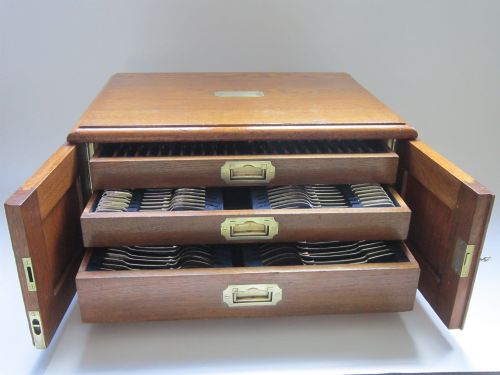
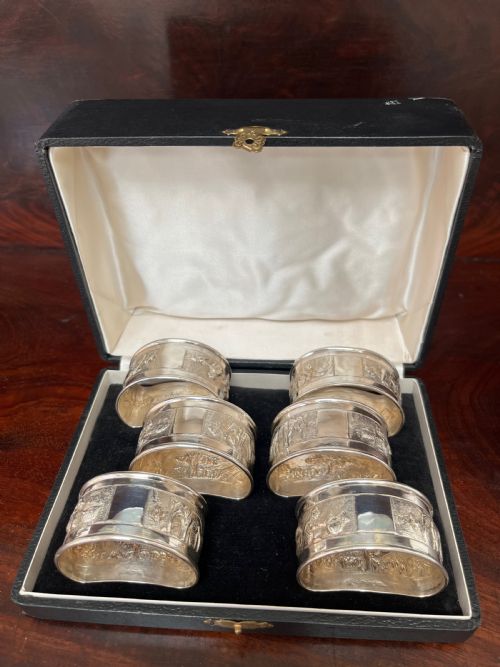
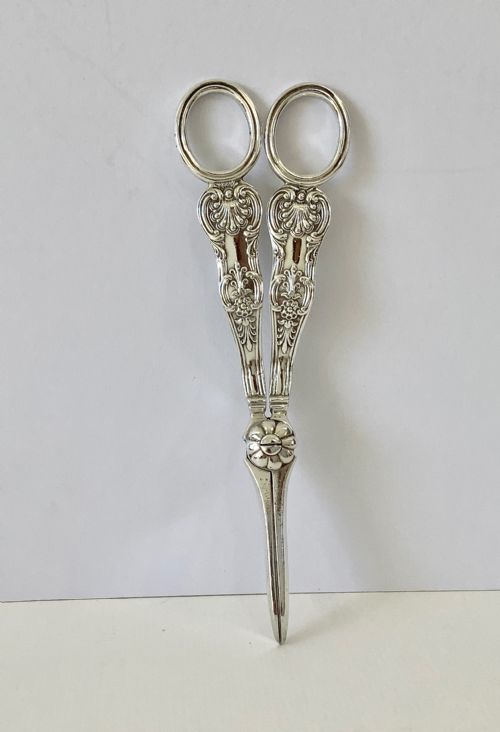
Victorian dining silverware encompasses the formal table accessories and serving implements used during the nineteenth century, including full cutlery canteens, napkin rings, and grape scissors. When exploring victorian dining silverware, buyers encounter objects designed specifically for formal meals, from large silver plate candelabra to modest pepper pots.
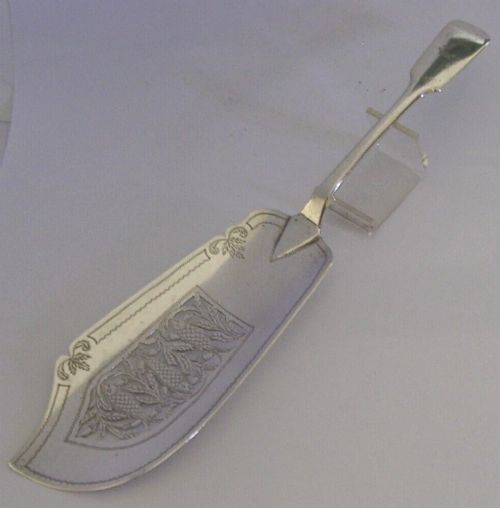
The pieces on this page span the Victorian period alongside related nineteenth-century production, featuring both individual serving pieces and complete boxed sets. Formats range from fish servers and serving tongs to novelty spoon warmers shaped like shoes.
Origins include domestic English workshops and established makers, with sterling silver and silver plate prevailing across the selection. Domestic settings of the period relied on these implements for structured dining courses, creating a demand for durable metals housed in fitted cases lined with silk or velvet.
Materials and construction
Makers utilised sterling silver and silver plate over base metals, shaping them into functional forms like fiddle pattern cutlery and candelabra branches. Oak and brass occasionally reinforced larger items such as candelabra and fitted canteens.
Cases relied on timber frameworks covered in leatherette, then lined with silk or velvet to protect the polished metal within. Silversmiths hammered, cast, and engraved the silver elements, incorporating family crests and intricate handle patterns.
Listings feature sterling silver and silver plate alongside wooden cases lined with silk, velvet, and leatherette.
Factors of quality
Quality rests on the crispness of the chasing and engraving, where sharply defined crests and patterns distinguish superior pieces from worn examples. The thickness of the silver or silver plate determines durability, particularly on items subjected to frequent handling like napkin rings and serving spoons.
The integrity of fitted presentation cases also marks the grade of an item, with intact leatherette, silk, and velvet linings indicating careful preservation. Maker attribution adds distinction, as documented workshops maintained rigorous standards in weight and balance.
Elkington Sheffield·Reilly and Storer·Walter and John Barnard
The Victorian Dining Silverware Glossary
- Sterling silver
- A silver alloy containing 92.5 percent pure silver by mass, standard for quality British tableware. This metal forms the primary material for the better canteens and serving pieces.
- Silver plate
- A layer of silver applied to a base metal core, often utilised for large items like candelabra. Sheffield production methods frequently employed this technique to achieve impressive scale.
- Canteen
- A fitted box or chest designed to hold a complete set of cutlery securely. These wooden containers are usually lined with velvet or silk.
- Fiddle pattern
- A traditional nineteenth-century cutlery handle design featuring a distinctive tapered shape with shoulders. This style dominated formal dining flatware.
- Candelabra
- Branched lighting fixtures placed upon dining tables during evening meals. Victorian examples often reached substantial dimensions in silver plate.
Victorian Dining Silverware: Frequently Asked Questions
What pieces are included in a canteen?
A canteen typically contains a matched set of forks and spoons, often executed in the fiddle pattern and housed in a fitted wooden box.
These collections provided households with coordinated tableware for multi-course meals.
What is a spoon warmer?
A spoon warmer is a Victorian tabletop vessel filled with hot water to keep serving spoons warm before dishes were served.
Novelty forms, such as shoes, reflected the period's taste for imaginative and decorative dining accessories.
How do I care for silver plate?
Silver plate requires gentle cleaning with specialised silver polish to maintain the surface without wearing through the thin silver layer to the base metal below.
Storage in lined boxes or cloth rolls helps prevent tarnish between uses.