

Antique Silver Tobacco
Antique silver tobacco boxes and cases span Georgian heft and Victorian novelty, offering functional pockets of history for daily use.
Antique Silver Tobacco
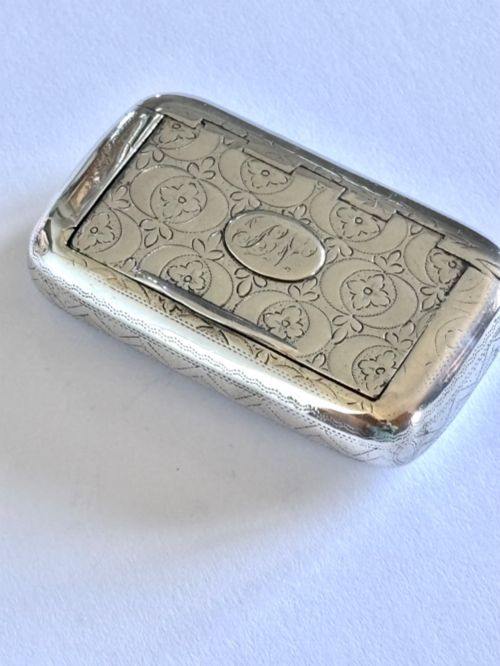
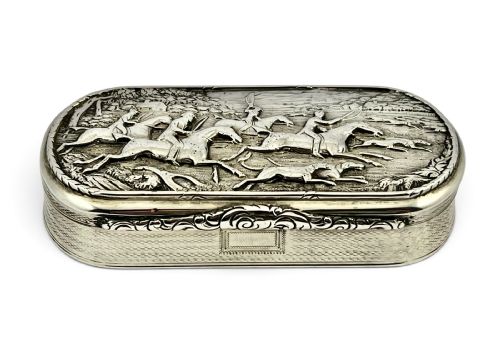
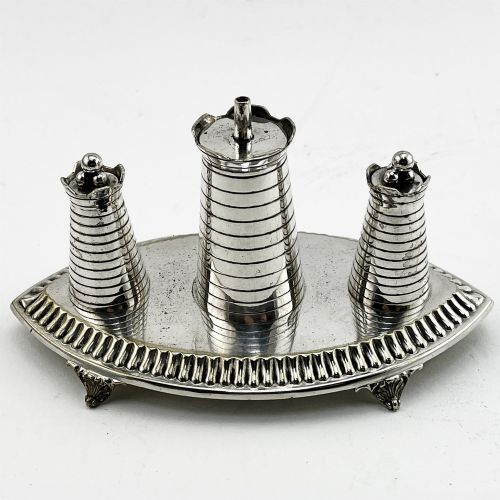
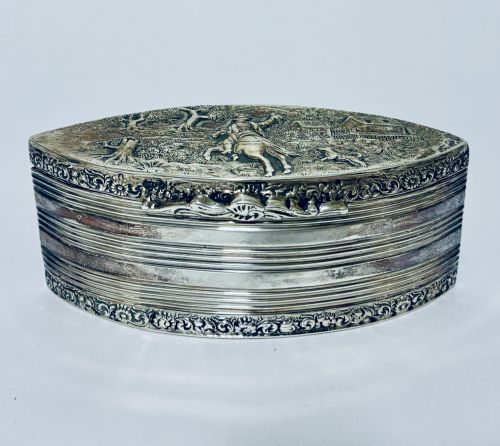
When you search for antique silver tobacco items, you encounter portable containers and desk accessories designed to hold snuff, cigars, cigarettes, and pipe tobacco. These pieces date primarily from the Georgian, Victorian, and Edwardian eras, reflecting changing social habits across the nineteenth and early twentieth centuries.
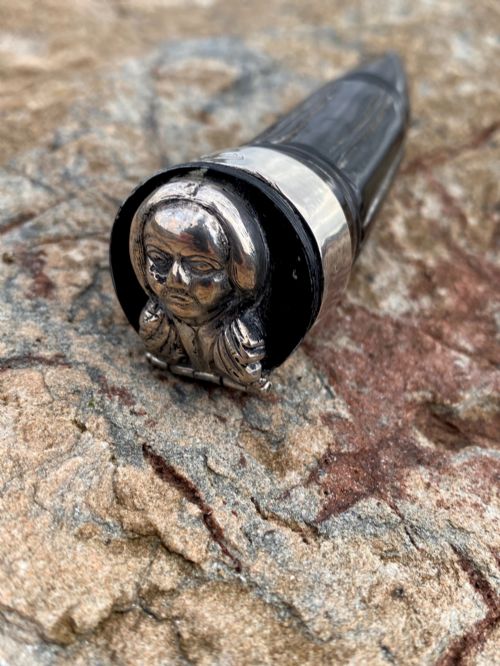
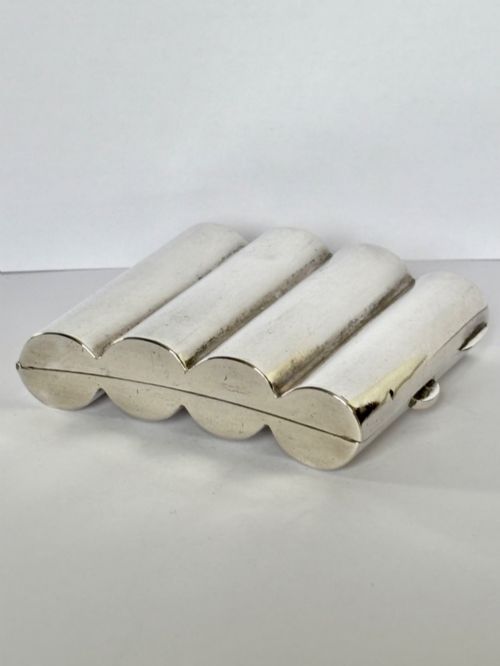
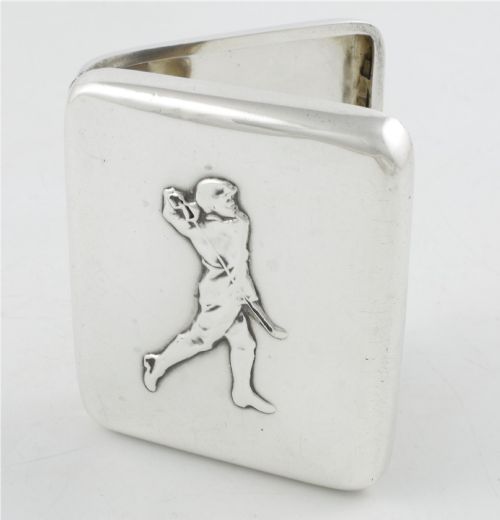
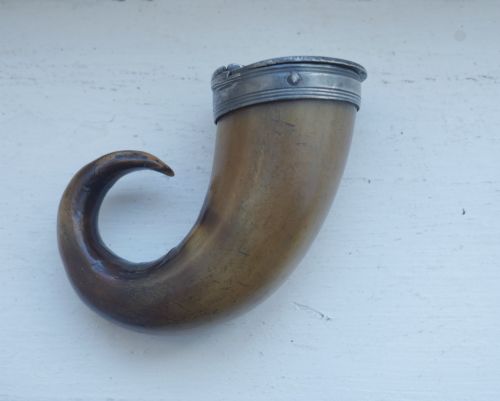
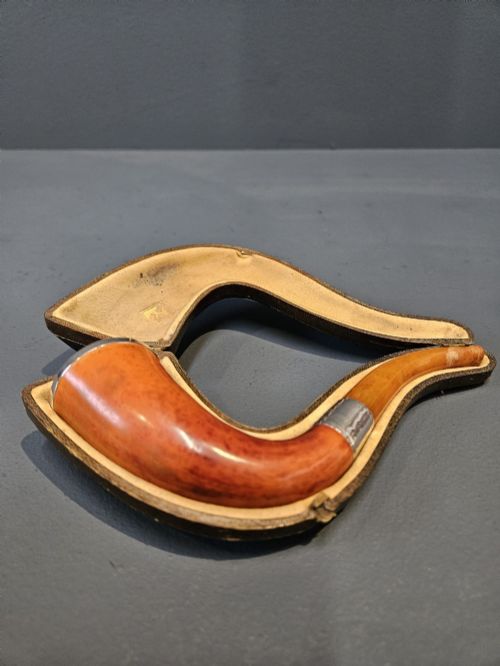
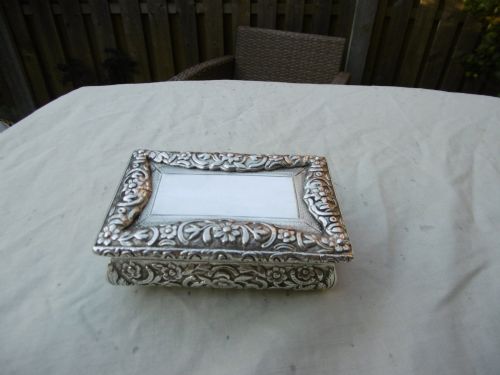
The most common forms on this page include pocket snuff boxes, hinged cigarette cases, cigar cases, and larger table boxes. Alongside solid sterling silver examples, you find pieces paired with organic materials such as horn, tortoiseshell, oak, and crocodile skin leather.
Origins range from London, Birmingham, and Chester assay offices to Scottish workshops and continental makers. Whether intended for a waistcoat pocket or a smoking room desk, each piece represents a tangible relic of historical tobacco culture.
Materials and technique
Silversmiths utilised sterling silver and solid silver as the primary body materials, frequently applying gold gilt to the interiors of snuff boxes to protect the metal from tobacco corrosion. Construction methods combined casting, hand-raising, and precision hinge-fitting to ensure tight closures for perishable contents.
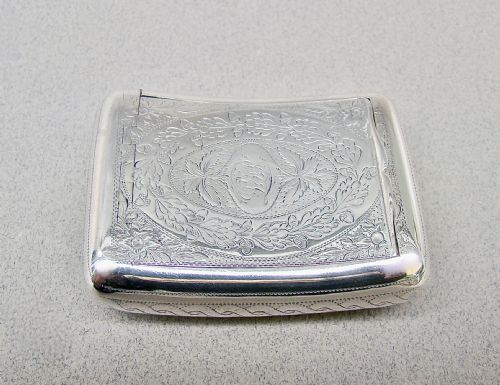
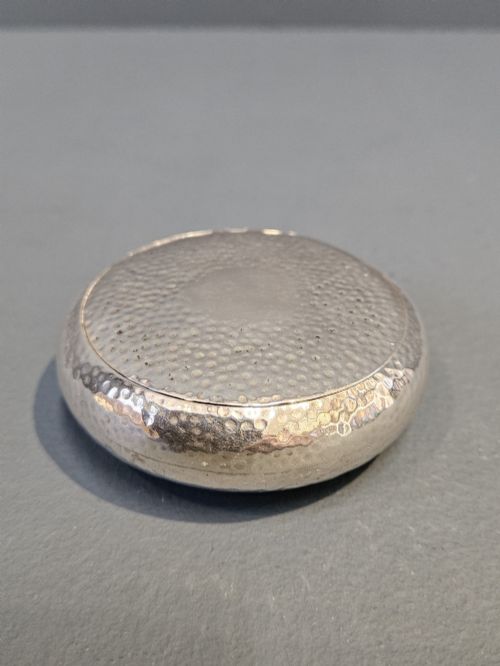
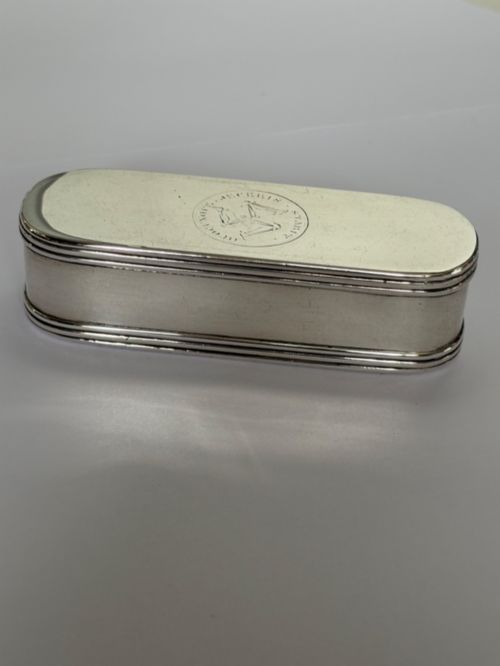
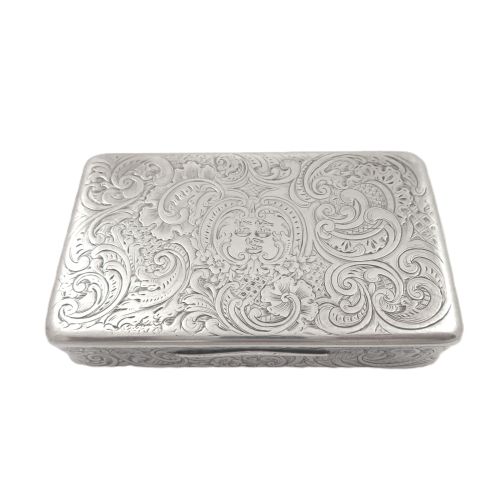
Surface decoration relied heavily on repoussé, embossing, floral chasing, cartouche engraving, and planished finishes, particularly during the Victorian and Edwardian periods. Many items incorporated applied crests, mottoes, or cast figural scenes, while others combined silver mounts with natural wood, horn, or leather.
Antique Silver Tobacco Retail Price Guide 2026
Typical asking prices for silver tobacco among the pieces listed under this phrase on Sellingantiques today, from the lower quarter to the upper quarter. They describe what is for sale here now, not the wider market.
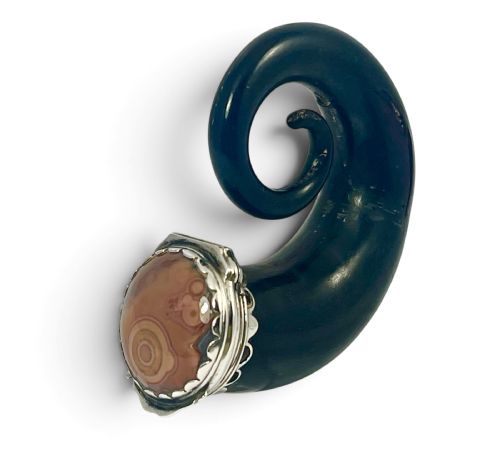
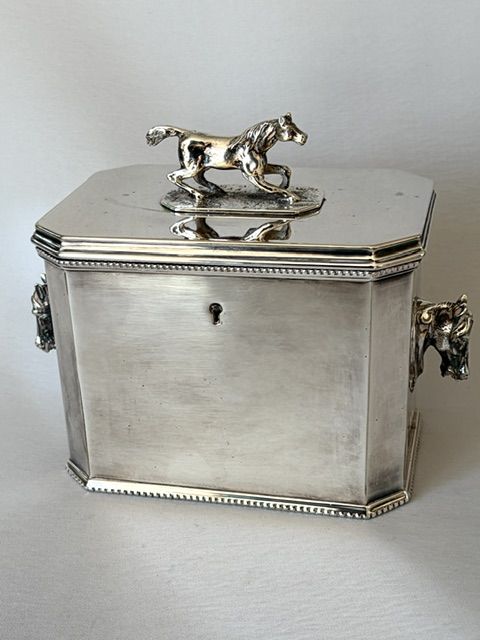
Object forms recorded here range from pocket snuff boxes and cigarette cases to Scottish horn snuff mulls and large oak desk boxes.
What varies in quality
Quality in these pieces rests upon the crispness of the chased or repoussé ornament and the structural integrity of the hinges and lids. A superior box maintains precise closure without gaps, preserving the crisp relief of floral borders or figural scenes without excessive wear from handling.
The distinction between standard commercial production and finer maker-marked pieces lies in the weight of the metal and the precision of the interior gilding. Maker attribution, legible hallmarks, and unusual regional styles or motifs elevate a piece from a utilitarian object to a work of fine miniature sculpture.
Joseph Wilmore·Henry Matthews·Robert Thornton·Thomas Shaw·Edward Smith·Cornelius Bland
The Antique Silver Tobacco Glossary
- Snuff box
- A small pocket container specifically shaped to hold powdered tobacco. These typically feature tightly fitted hinged lids to keep the snuff dry.
- Silver gilt
- Sterling silver that has been coated with a thin layer of gold, often found on the interior surfaces of boxes to prevent tarnishing from tobacco acids.
- Repoussé
- A metalworking technique where the design is hammered into relief from the reverse side. This method creates tactile, three-dimensional decorative surfaces on boxes.
- Cartouche
- An ornamental frame or panel, often oval or scroll-edged, designed to receive engraved initials, crests, or mottoes. It anchors the central decorative scheme of many box lids.
Antique Silver Tobacco: Frequently Asked Questions
How do I date an antique silver box?
Dating relies primarily on the stamped hallmarks found on the metal, which include maker's marks, standard marks, and date letters corresponding to specific assay offices like London or Birmingham.
Stylistic clues such as Rococo Revival motifs or plain Edwardian planished surfaces further help narrow the decade of manufacture.
Can I still use these boxes today?
Many pocket boxes and cigarette cases remain entirely functional for modern use, provided the hinges and clasps maintain their original tension.
Care should be taken with delicate gilding and organic materials like tortoiseshell or horn when storing contemporary contents.
What is the difference between a snuff box and a tobacco box?
Snuff boxes are generally smaller pocket-sized items designed for fine powdered tobacco, often featuring gilded interiors to resist corrosion.
Tobacco and table boxes are larger vessels meant to sit on a desk or table, holding loose leaf tobacco, cigars, or cigarettes.
Why are some silver boxes gold inside?
Silver gilt interiors were intentionally applied to protect the sterling silver from the corrosive chemical properties of tobacco and snuff.
This technique also provided a richer aesthetic contrast when opening the lid of a presentation box.