

Antique Silver Taper
An antique silver taper brings low candle-flame to a desk or dressing-table, offering small-scale light shaped by centuries of changing domestic style.
Antique Silver Taper
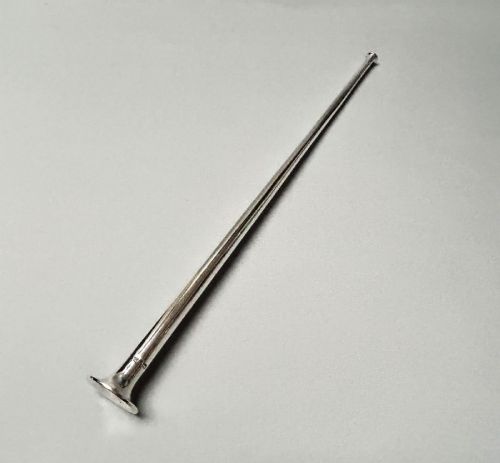
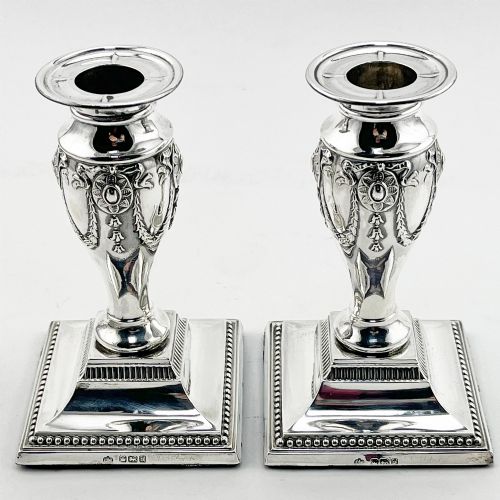
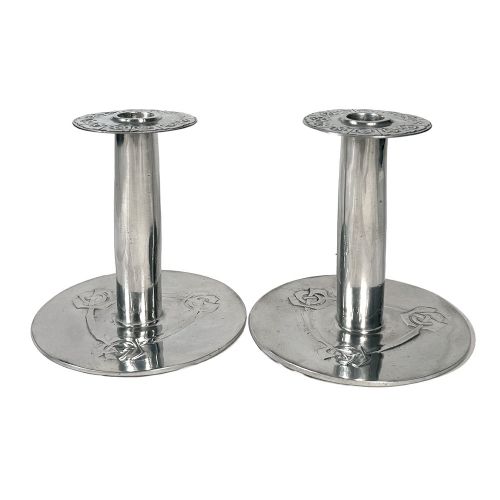
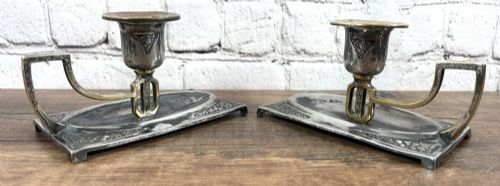
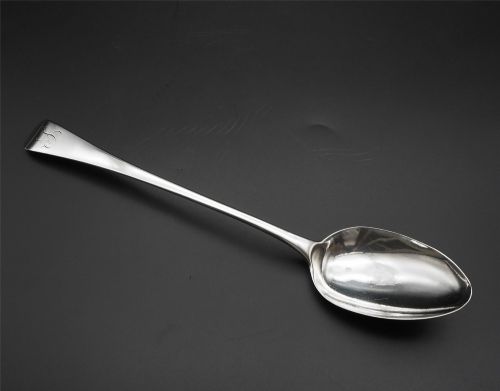
The antique silver taper search leads directly to domestic lighting pieces designed for small wax tapers or candles, including compact chambersticks, desk accessories, and miniature candlesticks. These items served practical lighting needs before electricity, sitting close at hand on writing tables and nightstands.
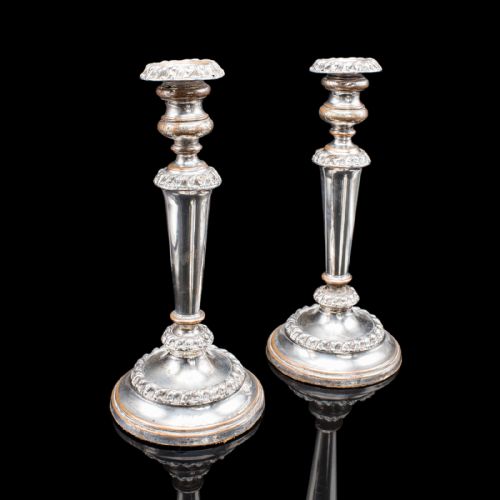
Most examples met on this page date from the Georgian, Victorian, and Edwardian eras, spanning Old Sheffield plate through to sterling silver and various base metals. Buyers will frequently encounter matched pairs alongside individual chambersticks fitted with snuffer cones.
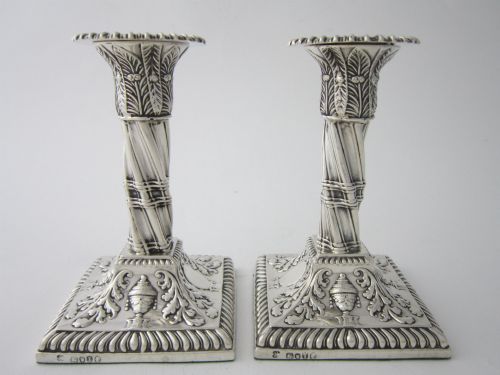
The forms range from restrained classical columns to expressive Art Nouveau leaf designs and sturdy Arts and Crafts pewter. Each piece reflects the lighting customs and metalworking standards of its specific decade.
How they were made
Makers utilised sterling silver and solid pewter, alongside Old Sheffield plate and electroplated nickel silver over copper or base metals. Sheet metal was spun, hammered, or stamped, while decorative elements like Corinthian capitals and rococo scrolls were often cast separately and soldered into place.
Pewter items employed moulds for organic Arts and Crafts motifs, sometimes incorporating enamel accents or tortoiseshell panels into the body. Plated wares relied on fusing silver sheets to copper bases or depositing silver layers via electrolysis.
Antique Silver Taper Retail Price Guide 2026
Typical asking prices for silver taper among the pieces listed under this phrase on Sellingantiques today, from the lower quarter to the upper quarter. They describe what is for sale here now, not the wider market.
Some chambersticks still retain their tiny contemporary snuffer cones tucked neatly into the handle loops.
What varies in quality
Quality rests in the crispness of cast ornamentation and the structural integrity of joints where sockets meet stems and bases. Superior pieces maintain sharp detail in acanthus leaves, fluting, and figural work without smoothing from over-polishing.
Weight and balance distinguish the grade of manufacture, as finer items retain substantial gauge metal rather than thin veneers prone to denting. The retention of original detachable sconces and matching snuffer accessories elevates a piece's integrity.
Elkington and Co·Archibald Knox for Liberty and Co·WMF·Garrard and Co·Mappin and Webb·John Pound and Co
The Antique Silver Taper Glossary
- Chamberstick
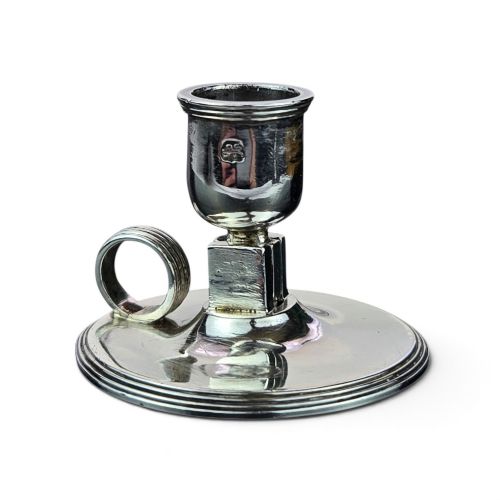
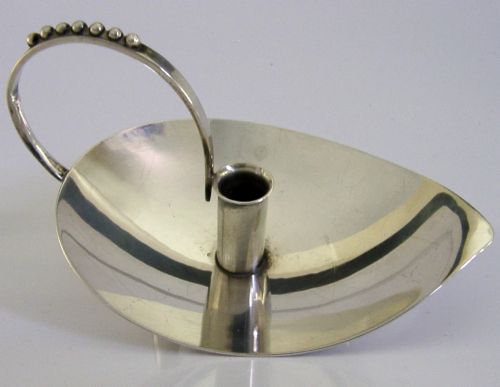
- A short-stemmed candlestick mounted in a wide shallow pan, fitted with a handle and often a cone snuffer for bedroom use. This form allowed safe movement about a house at night before electric lighting.
- Old Sheffield Plate
- An early fusing technique where a thin sheet of silver is melted onto a thicker copper core. Pieces made this way show a thin sliver of copper visible at exposed edges or cut seams.
- Sconce
- The detachable top drip-pan or nozzle fitted into the candle socket to catch melted wax. Collectors look for these original components to remain intact with the main body.
- Corinthian Column
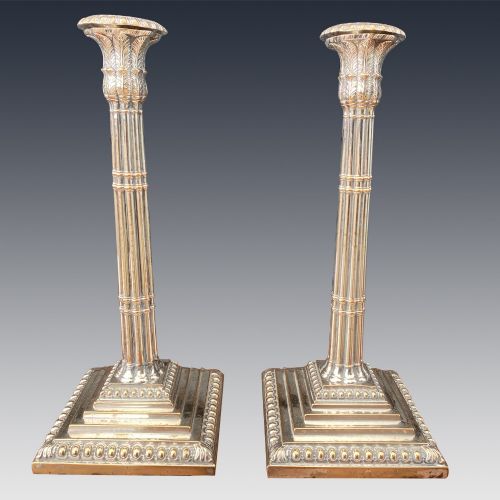
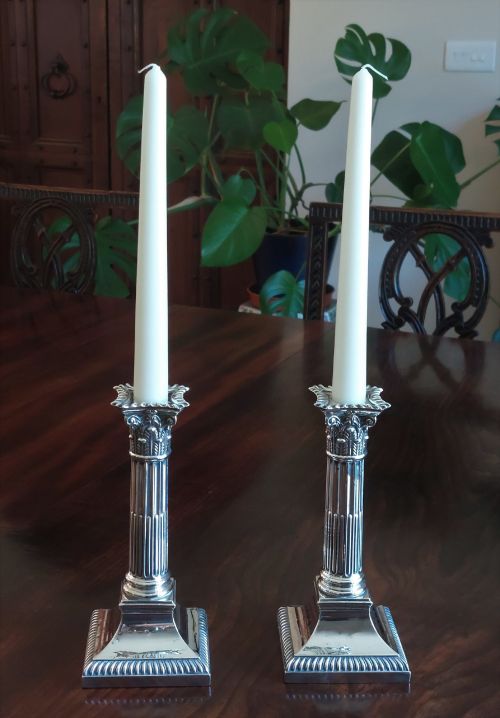
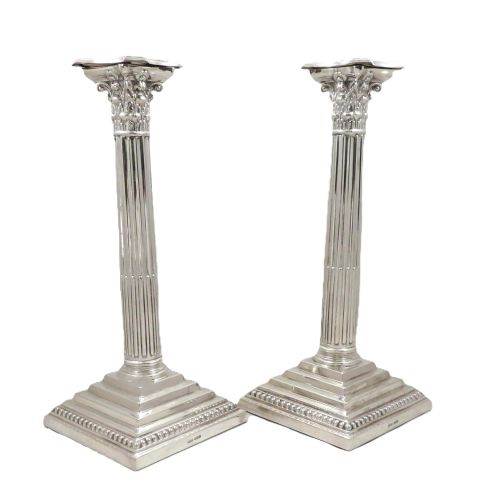
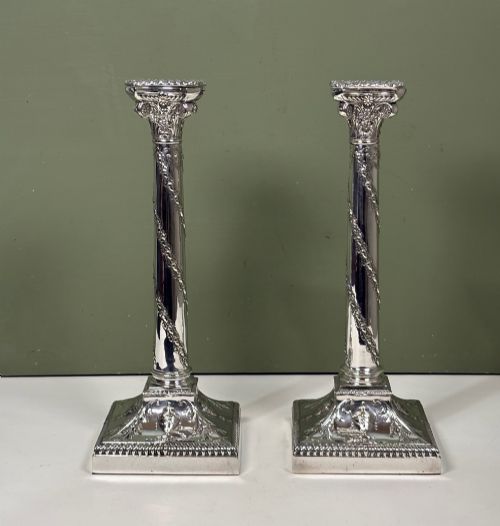
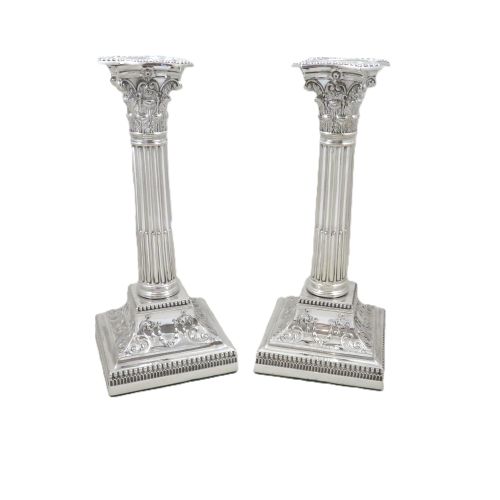
- A classical architectural column style featuring ornate acanthus leaf capitals supporting the candle socket. This design appeared frequently on formal candlesticks throughout the nineteenth and early twentieth centuries.
Antique Silver Taper: Frequently Asked Questions
What is a taper?
A taper is a slender wax candle used primarily for sealing letters, lighting larger lamps, or carrying brief illumination across a room. They required specialised small holders and chambersticks to contain the melting wax.
These small tapers fit securely into the narrow sockets found on desk accessories and miniature chambersticks from the Georgian and Victorian periods.
How do I clean silver plate?
Silver plate requires gentle cleaning with a mild, non-abrasive cream and a soft cloth to avoid wearing through the thin silver layer to the base metal underneath. Regular light dusting prevents heavy tarnish build-up.
Avoid chemical dips entirely, as these strip away residual darkening in recessed details and can damage underlying copper or nickel surfaces.
What is Old Sheffield plate?
Old Sheffield plate is an early nineteenth-century material created by thermally fusing a sheet of sterling silver to a copper ingot before rolling them into sheets together. This method predates modern electroplating.
Items made from this material often reveal a subtle copper line along edges or seams where the base metal shows through beneath the silver.
Are these pieces marked?
Many sterling silver items carry clear hallmarks indicating the assay office, maker's mark, and date letter. Silver plated items usually feature maker's stamps or trade marks rather than official government hallmarks.
Examining the base or underside typically reveals manufacturer stamps, inventory numbers, or plating marks that help identify the workshop.