




Antique Silver Sword
An antique silver sword often conceals itself inside a gentleman's walking stick or appears as a finely wrought desk piece, offering both utility and craftsmanship.
Antique Silver Sword
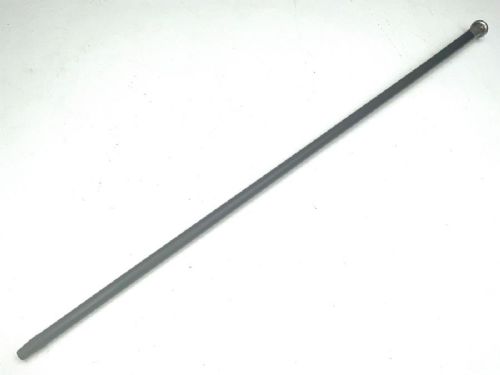
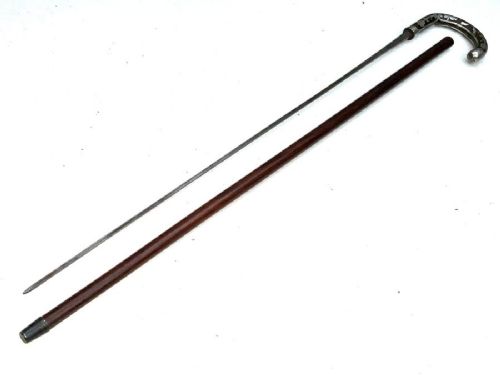
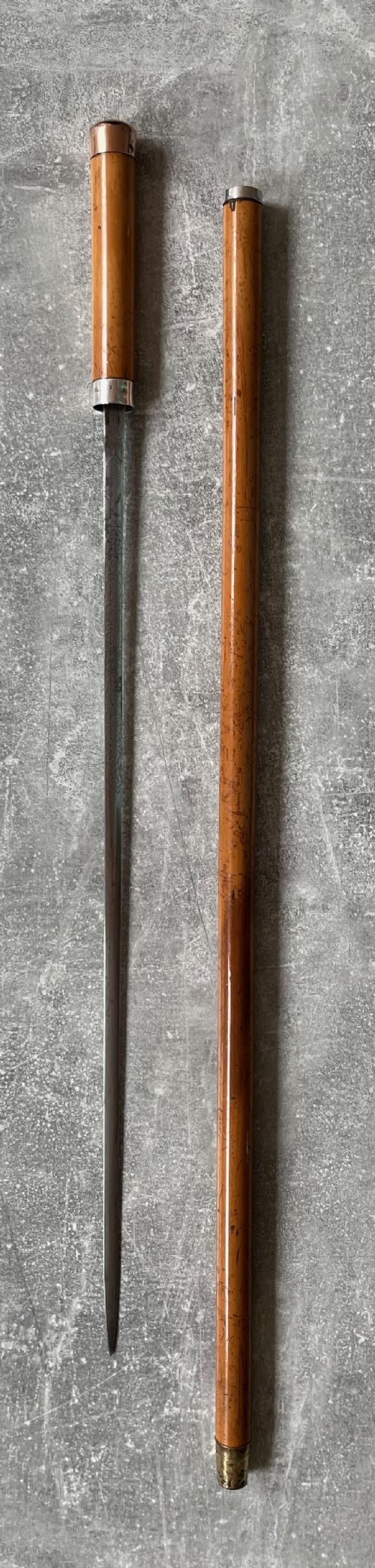
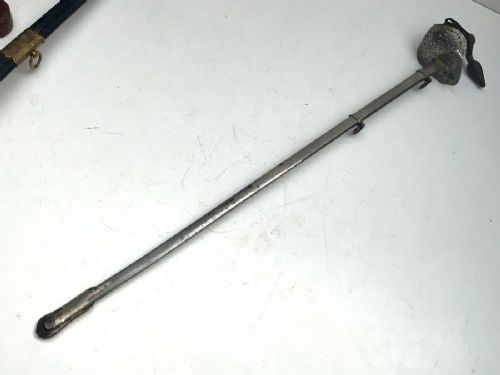
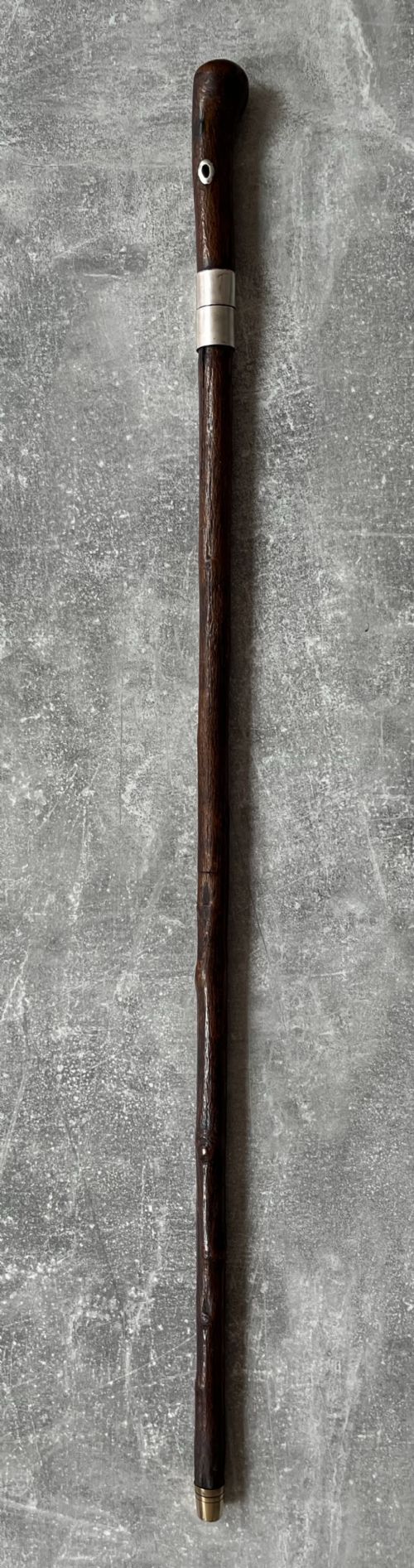
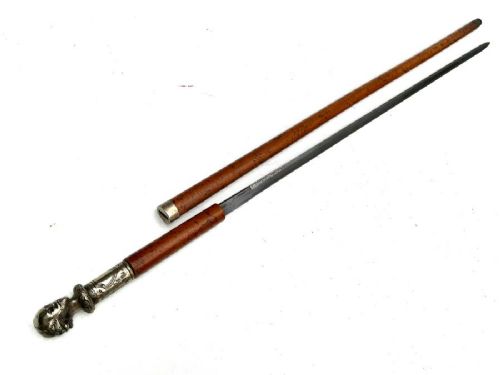
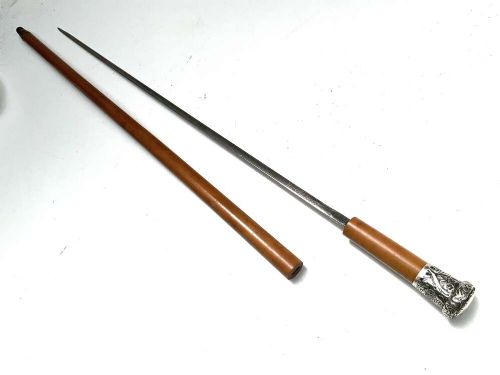
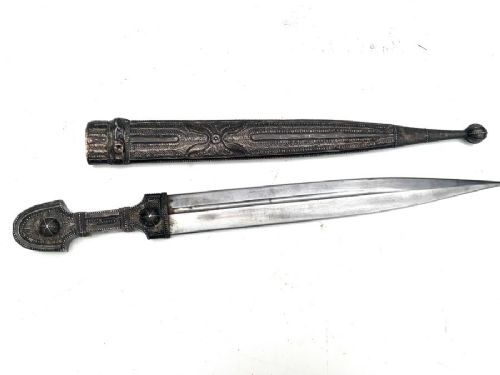
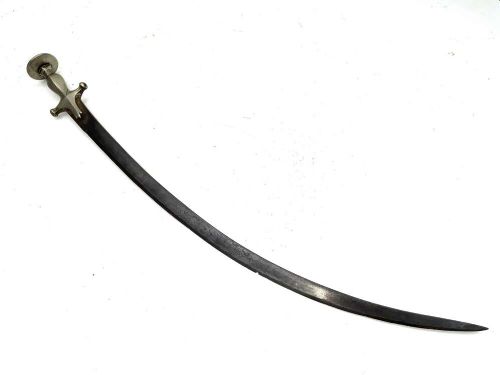
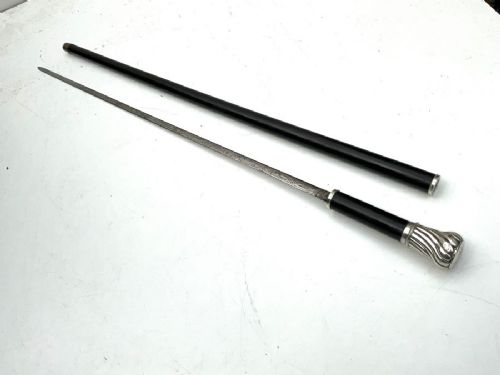
When you search for an antique silver sword, you encounter a fascinating category of edged weapons and civilian accessories that bridge the gap between personal defence and gentlemanly fashion. The most common form on this page is the sword stick or cane, where a steel blade hides securely within a wooden shaft beneath a decorative silver pommel or collar.
Beyond concealed walking sticks, the category extends to smaller desk items and personal effects fashioned in the shape of blades. You find miniature silver letter openers, page turners, and bookmarks designed to resemble military broadswords, smallswords, or kilt pins from the Victorian and Edwardian eras.
Origins span British workshops, continental Europe, and Indo-Persian trading routes, reflecting a global Victorian appetite for functional curiosities. These pieces served as symbols of status and discreet protection for the urban gentleman navigating nineteenth and early twentieth century streets.
How they were made
Makers combined forged steel blades with natural shaft materials such as malacca cane, bamboo, hazel wood, and ebonised timber. The upper portion typically featured a cast or repoussé silver handle, collar, or knop, secured to the internal metal core with pins or adhesives.
Blade construction often involved specialist smithing techniques, with some pieces housing high-grade steel from renowned makers or Toledo workshops. The silver mounts frequently bear assay office hallmarks and date letters that pinpoint the exact year and city of manufacture.
Listings feature items spanning the eighteenth, nineteenth, and twentieth centuries, incorporating materials like silver, steel, malacca cane, horn, and bone.
What varies in quality
Quality rests primarily on the integrity of the hidden mechanism and the substance of the materials used. A superior sword stick locks firmly into its wooden scabbard without rattling, maintaining a seamless exterior line when closed.
The artistry of the silver mount and the pedigree of the steel blade further distinguish standard civilian pieces from exceptional workshop examples. Heavy gauge silver with detailed repoussé work and fully signed blades command greater appreciation than plain, unmarked mounts.
Brigg·Wilkinson Blade·Crisford & Norris·Charles Horner·E.H. Stockwell
The Antique Silver Sword Glossary
- Sword stick
- A concealed blade housed entirely within the shaft of a walking cane. It allowed Victorian and Edwardian gentlemen to carry personal protection disguised as an everyday accessory.
- Malacca cane
- A mottled brown rattan imported from Southeast Asia, prized for its flexibility and strength. It served as the preferred shaft material for high-end walking sticks.
- Repoussé
- A metalworking technique where the silver is hammered or pushed from the reverse side to form a raised design. This method appears frequently on decorative handle knops and collars.
- Knop
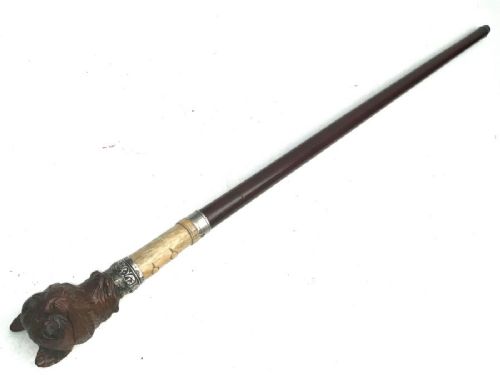
- The rounded or ornamental knob forming the handle at the top of a cane or stick. In this category, knops are commonly fashioned from solid silver, horn, bone, or carved wood.
- Hallmark
- An official stamp applied to precious metals indicating the standard of purity, the maker, and the assay office. British pieces often display these marks clearly on the silver collar.
Antique Silver Sword: Frequently Asked Questions
What is a sword stick?
A sword stick is a functional walking cane with a concealed steel blade hidden inside the shaft. The user pulls the handle to release the locking mechanism and draw the blade.
These pieces were popular among gentlemen in the Victorian and Edwardian periods for fashion and self-defence.
How do you open a sword stick?
Most sword sticks rely on a friction fit, a screw thread, or a small release button located near the silver collar. Pulling the handle straight up disengages the blade from the wooden scabbard.
Care is required when drawing older pieces to avoid damaging the internal wooden channels.
Were these carried legally?
Carrying regulations varied by region and era during the nineteenth and early twentieth centuries. Gentlemen utilised them openly in urban environments as standard accessories of daily attire.
Today, ownership laws govern the possession and display of concealed weapons differently across jurisdictions.
How do I identify the date?
Dating relies primarily on the assay hallmarks stamped onto the silver collars and mounts. British silver bears leopard heads, lion passants, and specific date letters corresponding to London, Birmingham, or other offices.
Stylistic cues in the handle carving and the type of wood or cane also help narrow down the period.