
Antique Silver Sugar
Antique silver sugar implements and vessels span Georgian tea services through to Art Deco casters, offering practical elegance for the modern table.
Antique Silver Sugar
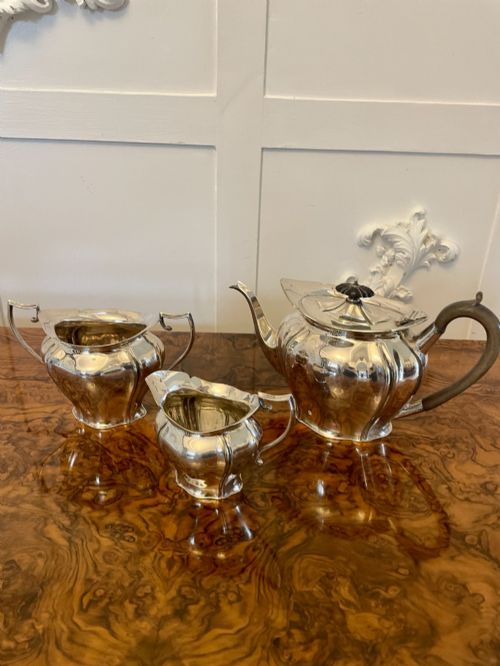
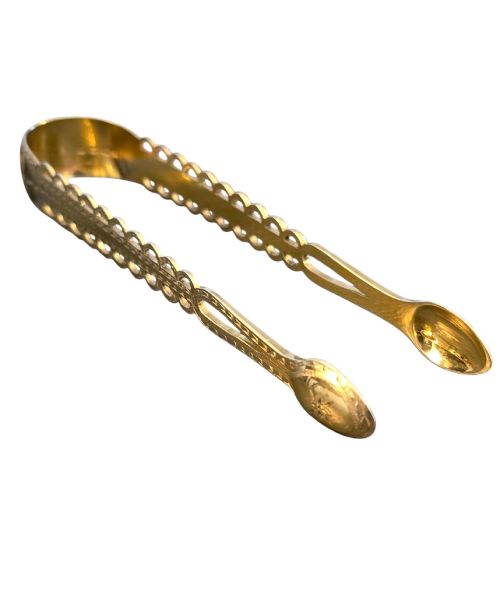
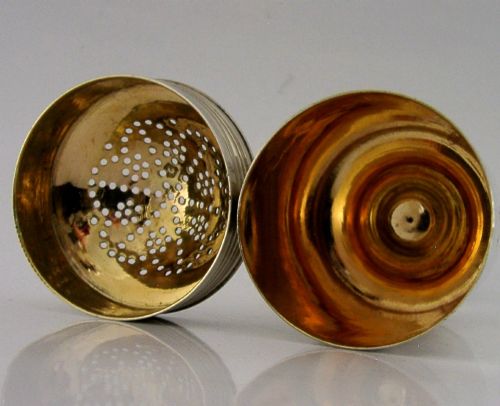
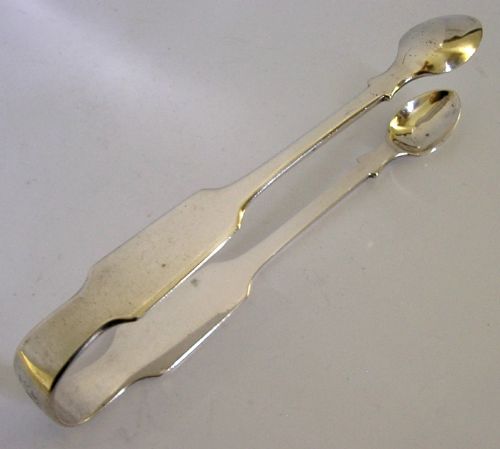
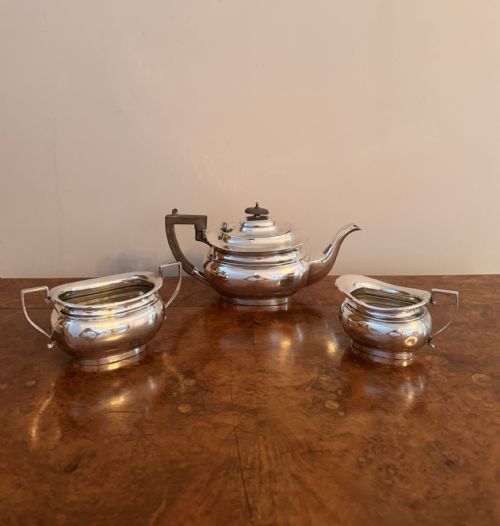
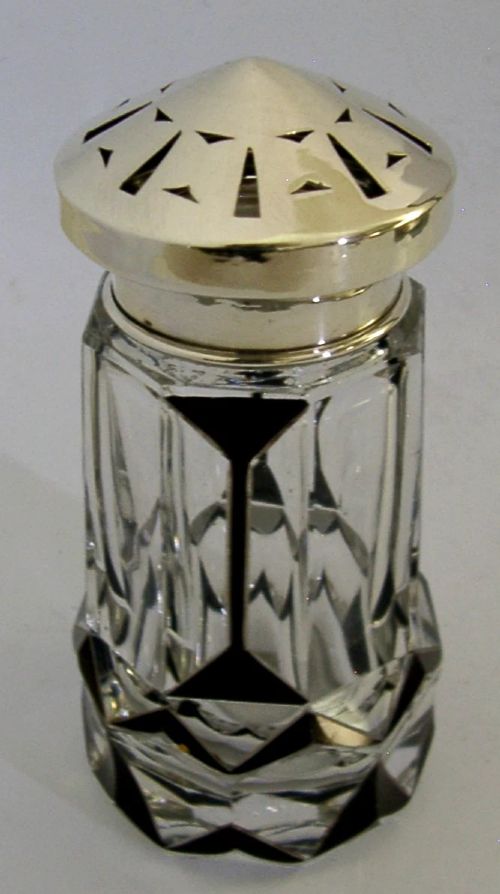
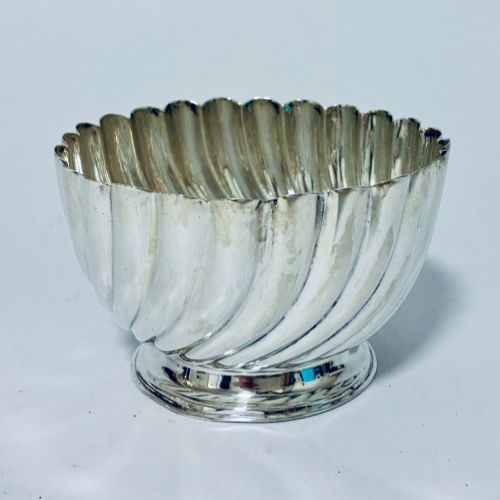
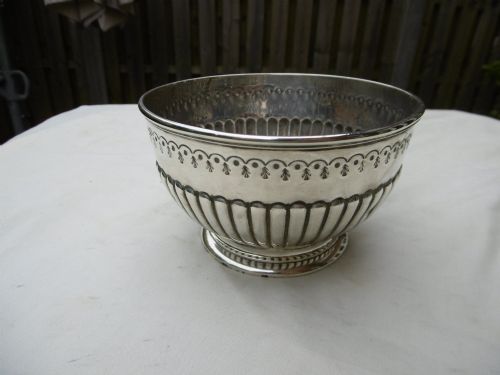
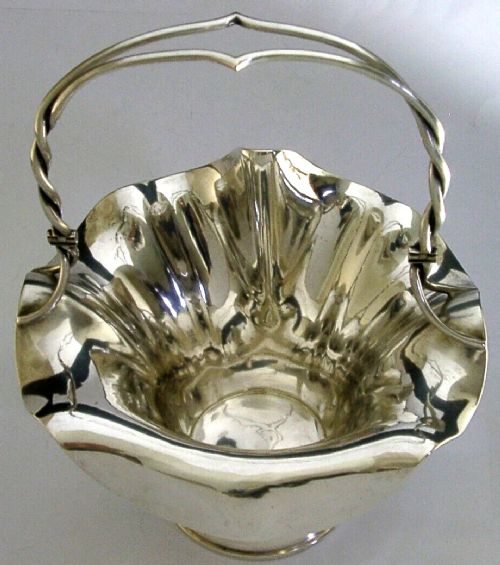
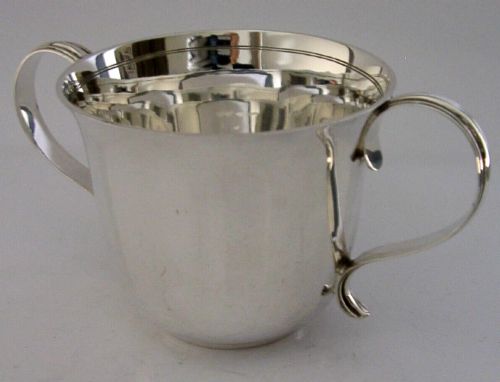
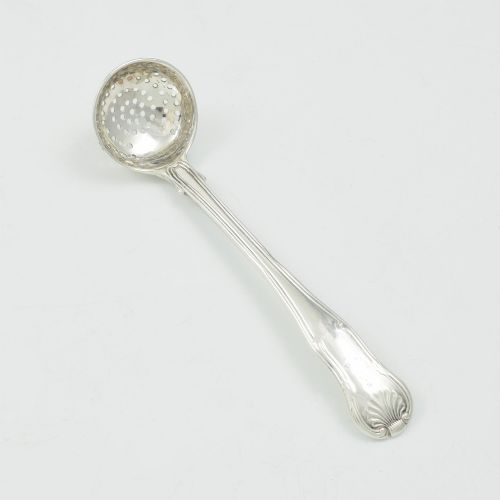
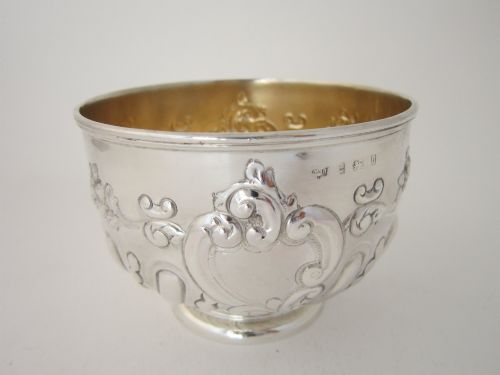
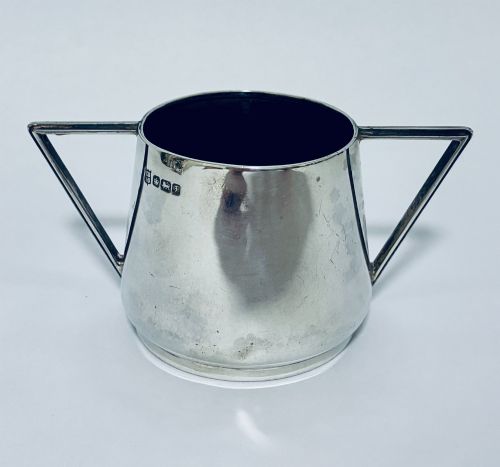
When searching for antique silver sugar, collectors encounter a diverse array of functional vessels and utensils designed for sweetening beverages and desserts. The most common forms on this page include tongs, sifters, casters, bowls, and swing-handled baskets.
These pieces originate across multiple periods, with strong representations from Georgian, Victorian, and Edwardian eras, alongside later Art Deco designs. Pieces range from simple domestic tableware to ornate presentation baskets and tea sets.
Geographic origins vary from English provincial and metropolitan workshops to Irish, Scottish, American, Russian, and Indian makers. This wide scope allows buyers to select items that match specific historical dining traditions.
Materials and Techniques
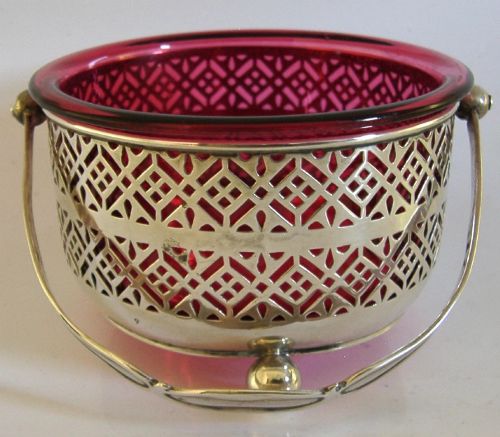
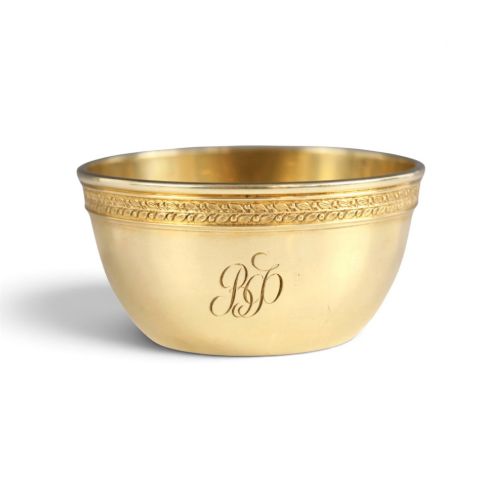
Makers utilised sterling silver, solid silver, and silver plate as primary metals, frequently pairing them with glass liners made of cranberry glass. Some pieces incorporate interior gilding known as silver-gilt, adding a rich contrast to the polished exterior.
Manufacturing methods rely on traditional silversmithing techniques such as piercing, casting, and hand-raising, often supplemented by fine engraving and applied crests. Handles and decorative elements incorporate materials like wood, velvet, and leatherette for presentation cases.
Craftsmanship and Distinction
Quality in these items rests on the precision of the silversmith's hand, particularly in pierced decorative pierced work, crisp cast details, and balanced weight. Superior examples display clear, legible hallmarks and harmonious proportions that elevate utilitarian items into decorative art.
Maker reputation and the survival of original components, such as matching glass liners or fitted cases, significantly elevate an object's standing. Pieces bearing the marks of renowned silversmith families command deeper appreciation for their historical execution.
George William Adams·Peter and William Bateman·Joseph Rodgers & Sons·Stephan Wekeva·John Walton
The Antique Silver Sugar Glossary
- Sterling silver
- A silver alloy containing 92.5 percent pure silver and 7.5 percent other metals, usually copper, ensuring durability for tableware. This standard has served as the baseline for quality British silver for centuries.
- Silver-gilt
- Silver objects that have been coated with a thin layer of gold on their surfaces, often used for the interior of bowls and casters. This technique protected the silver from corrosive food acids.
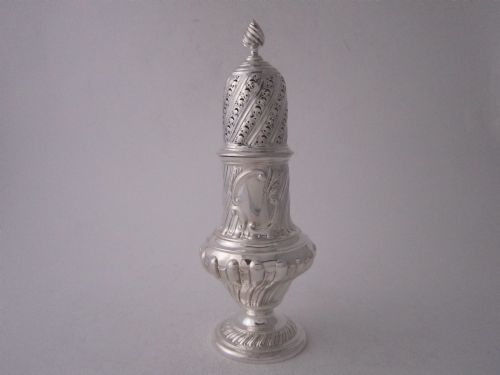
- Caster
- A small perforated vessel used for sprinkling sugar or spices over food and beverages. They typically feature a push-on or screw-on pierced lid.
- Porringer
- A small, shallow, one or two-handled bowl used historically for porridge, liquids, or sugar service. Their sturdy handles and deep wells make them distinct domestic artefacts.
- Sifter
- A spoon or ladle with a pierced bowl designed to dust powdered sugar or sift spices onto dishes. They frequently feature elaborate floral or geometric piercing.
Antique Silver Sugar: Frequently Asked Questions
What is a muffineer caster?
A muffineer is a specialised caster used for sprinkling sugar or salt onto hot muffins and baked goods. These tall, narrow vessels ensured even distribution during grand breakfast and tea meals.
Georgian examples often feature pierced tops and weighted bases for stability on the table. They represent the refined domestic habits of eighteenth-century dining.
How do I care for silver bowls?
Silver vessels require gentle washing in warm, soapy water followed by immediate drying with a soft cloth. Avoiding abrasive cleaners preserves the delicate hand-engraved details and antique patination.
Storing pieces in tarnish-resistant cloths or fitted cases prevents oxidation from airborne pollutants. Regular, gentle maintenance keeps the metal bright without wearing down the original hallmarks.
What are glass liners used for?
Glass liners protected pierced silver baskets and bowls from acidic jams, fruit preserves, and moist sugar. Coloured glass, particularly cranberry glass, provided a striking visual contrast against the surrounding metalwork.
Finding an antique basket with its original glass liner intact adds historical completeness to the piece. These liners lift out easily for cleaning after use.