
Antique Silver Stand
An antique silver stand brings refined utility to a dining table or desk, offering a purposeful base for teapots, bottles, and place cards.
Antique Silver Stand
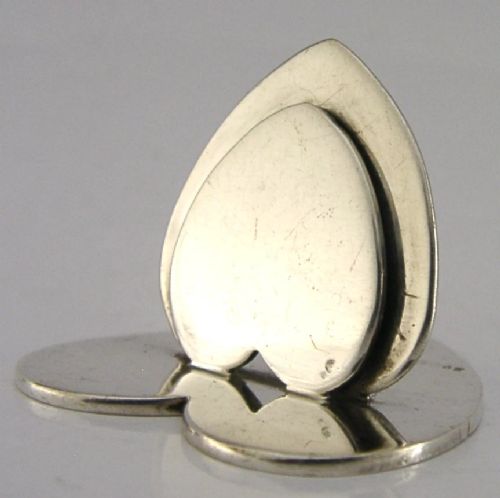
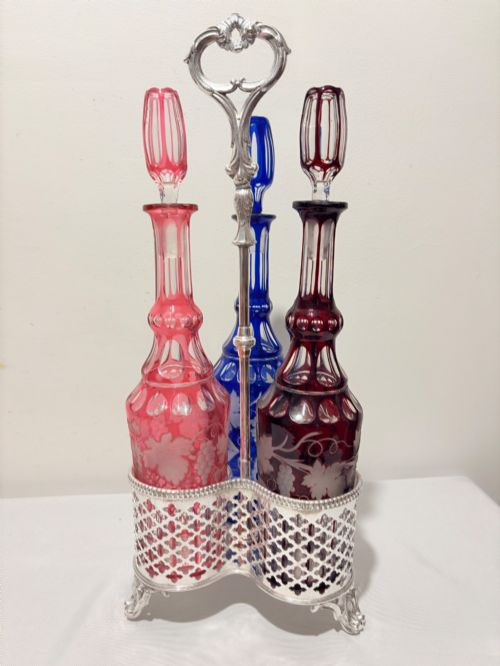
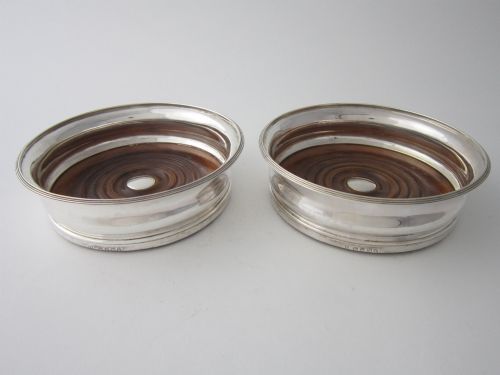
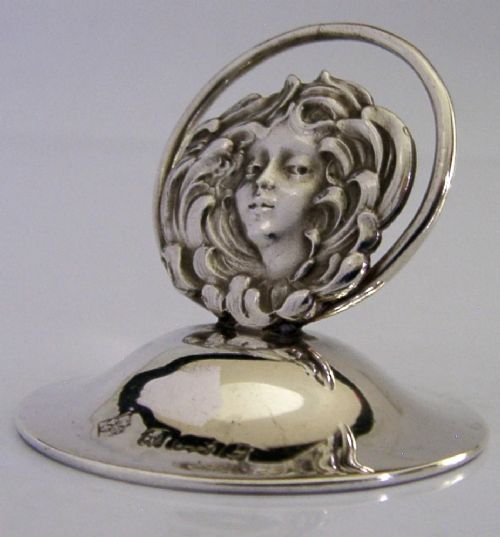
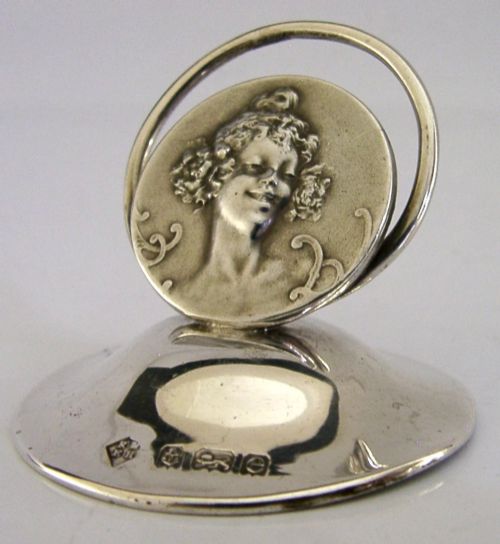
When searching for an antique silver stand, buyers encounter a diverse selection of functional table items spanning the Victorian, Edwardian, and George V periods. The inventory includes dedicated teapot stands, decanter bases, wine coasters, and menu or place card holders.
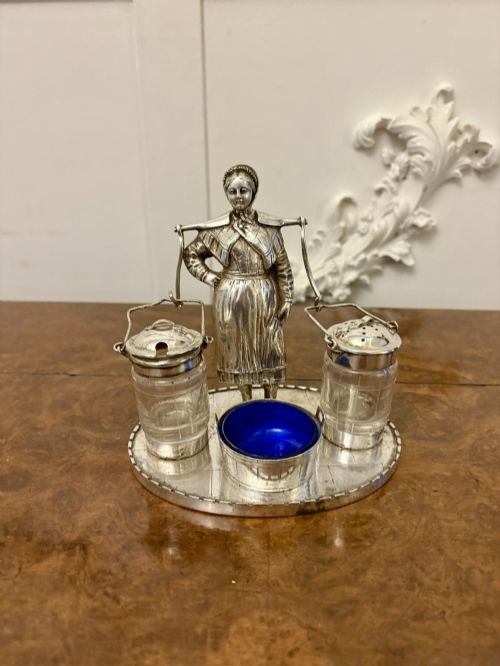
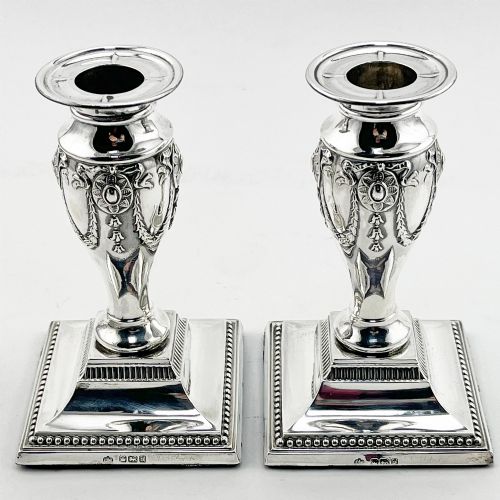
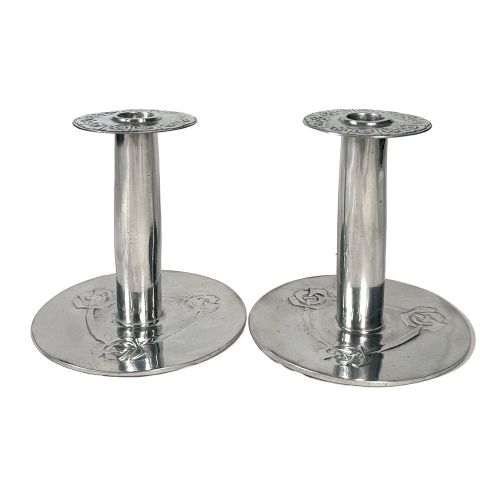
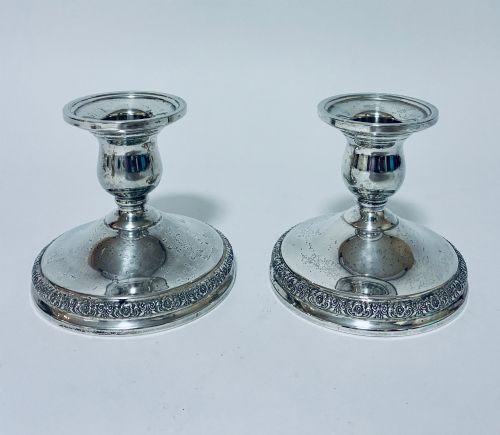
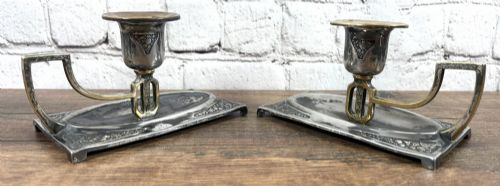
Candlesticks and cruet sets also appear frequently, often fashioned from sterling silver or silver plate. These pieces originate primarily from British workshops, though continental and Asian examples occasionally surface with distinct regional characteristics.
Materials and Technique
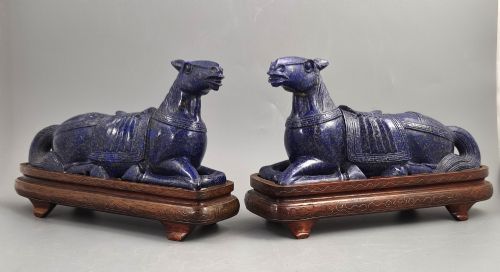
Silversmiths utilised sterling silver and silver plate over base metals, frequently combining metalwork with cut glass, wood, brass, or pewter. Certain items incorporate carved elements or semi-precious stones such as lapis lazuli.
Manufacturing methods involve casting, repoussé work, and silver inlay, particularly evident in pieces shaped during the Art Nouveau and Arts and Crafts movements.
Listings feature items from the Georgian, Victorian, and Edwardian eras, combining sterling silver, cut glass, and pewter.
Craftsmanship and Design
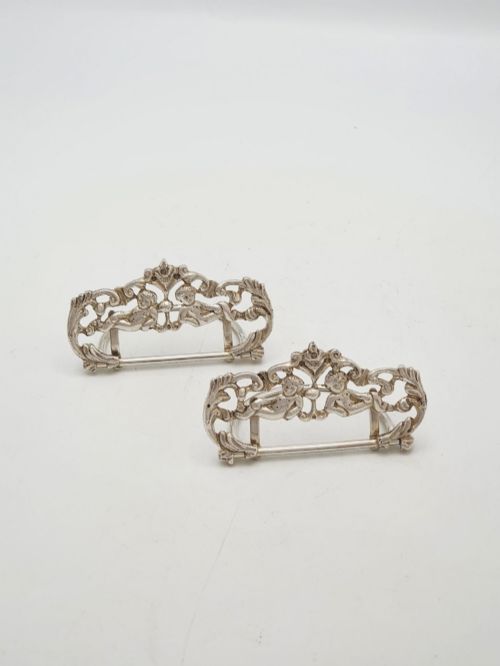
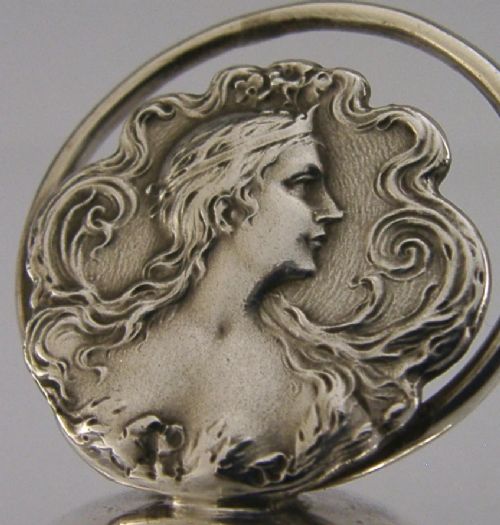
Quality rests upon the crispness of chased or cast details, such as figurative motifs on menu holders or floral patterns on teapot stands. Substantial weight and balanced proportions distinguish superior examples from lighter, mass-produced items.
The integrity of hallmarks, the preservation of original silver plating, and the seamless integration of secondary materials like glass or wood further separate ordinary utilitarian items from exceptional decorative pieces.
Hammond Turner and Sons·Sampson Mordan·Elkington and Co·Archibald Knox for Liberty and Co·Harrods Ltd·Mappin and Webb·Levi and Salaman
The Antique Silver Stand Glossary
- Sterling silver
- A silver alloy containing 92.5 percent pure silver and 7.5 percent other metals, usually copper, ensuring durability for tableware.
- Silver plate
- A thin layer of silver applied to a base metal core, such as copper or nickel, providing the appearance of solid silver at a lower cost.
- Cruet set
- A matched collection of glass bottles or jars mounted in a metal stand, designed to hold condiments like oil, vinegar, salt, and pepper.
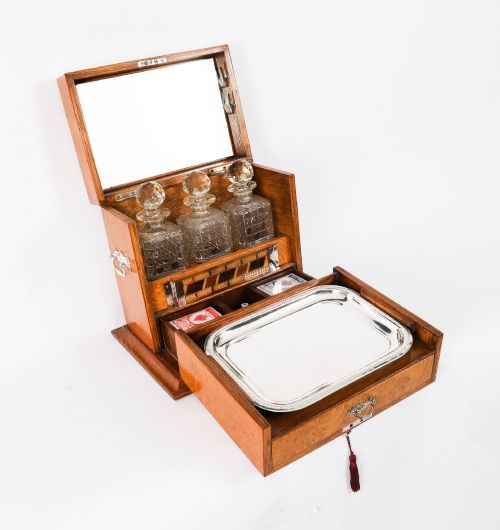
- Tantalus
- A locking wooden or metal cabinet fitted with decanters, designed to display the contents while preventing unauthorized access.
- Hallmark
- An official stamp applied by an assay office to indicate the metal purity, place of origin, and year of manufacture.
Antique Silver Stand: Frequently Asked Questions
What is a silver teapot stand used for?
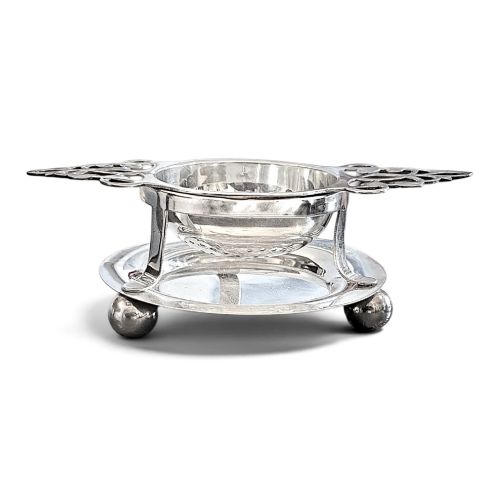
A teapot stand protects polished wooden tables and tablecloths from the heat and moisture transferred by the base of a hot teapot.
These compact trays often feature raised borders and small feet to elevate the vessel safely above the furniture surface.
How do I clean an antique silver stand?
Clean sterling silver and silver plate gently using a soft cloth and a specialised silver polish formulated to remove tarnish without abrading the metal surface.
Avoid harsh scrubbing, particularly around engraved details or hallmarks, and wash away chemical residue with warm soapy water before drying thoroughly.
What is the difference between sterling silver and silver plate?
Sterling silver consists of solid precious metal throughout, marked with official stamps indicating its fineness, while silver plate applies a thin coating over a base metal like copper or nickel.
Over decades of heavy polishing, plated items may show the underlying base metal through thin spots, whereas solid silver retains its composition uniformly.
Where were most of these stands made?
The majority of these pieces originate from British silversmithing hubs such as Birmingham, Sheffield, and London during the nineteenth and early twentieth centuries.
Continental workshops in France and Germany also produced notable decorative examples in styles ranging from Art Nouveau to Art Deco.