


Antique Silver Spirit Label
These antique silver spirit label pieces identify your decanters with distinct Georgian, Victorian, and Edwardian character.
Decanter Labels
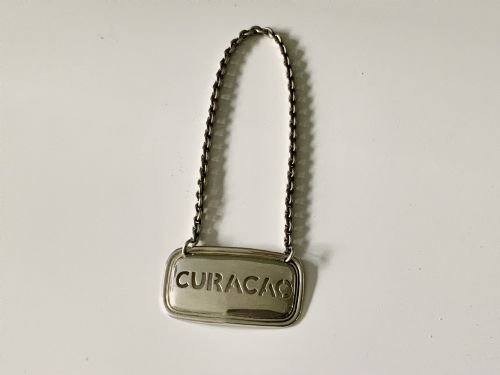
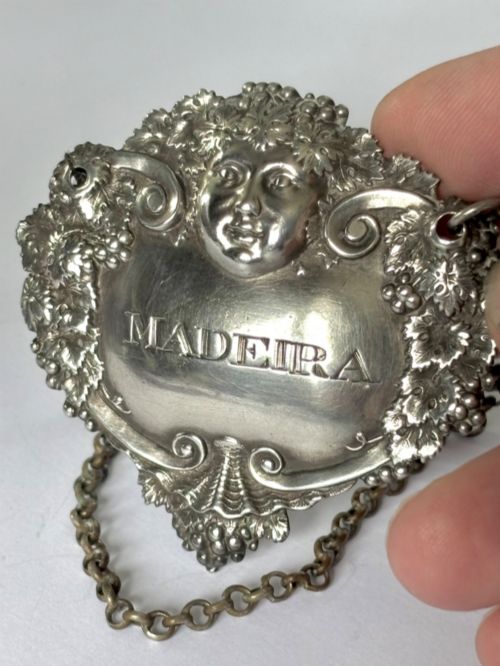
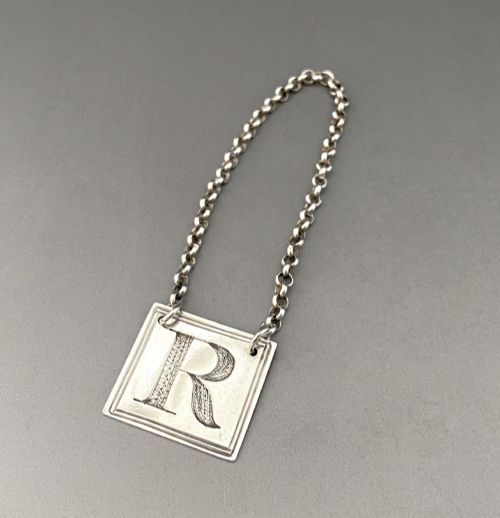
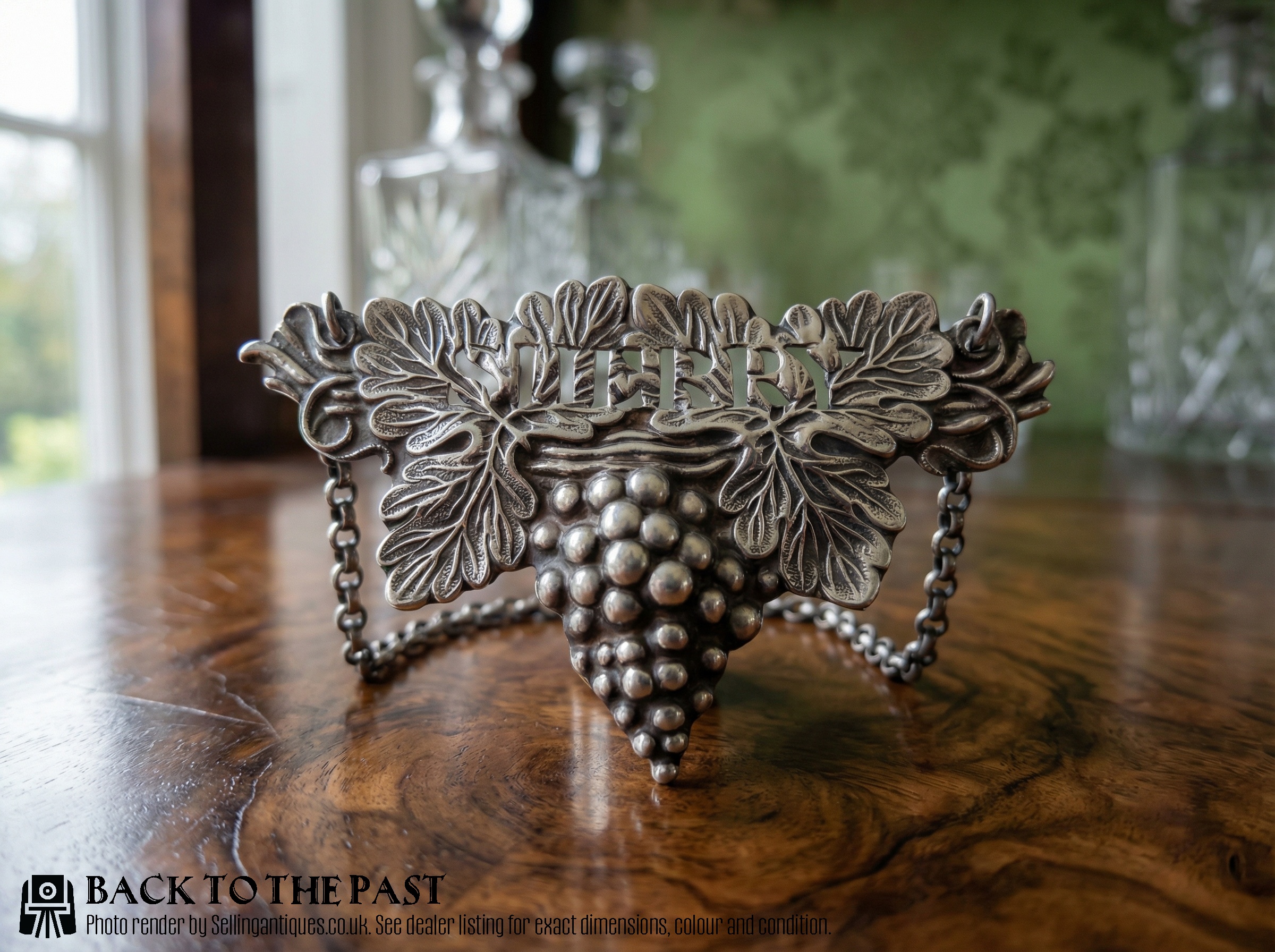
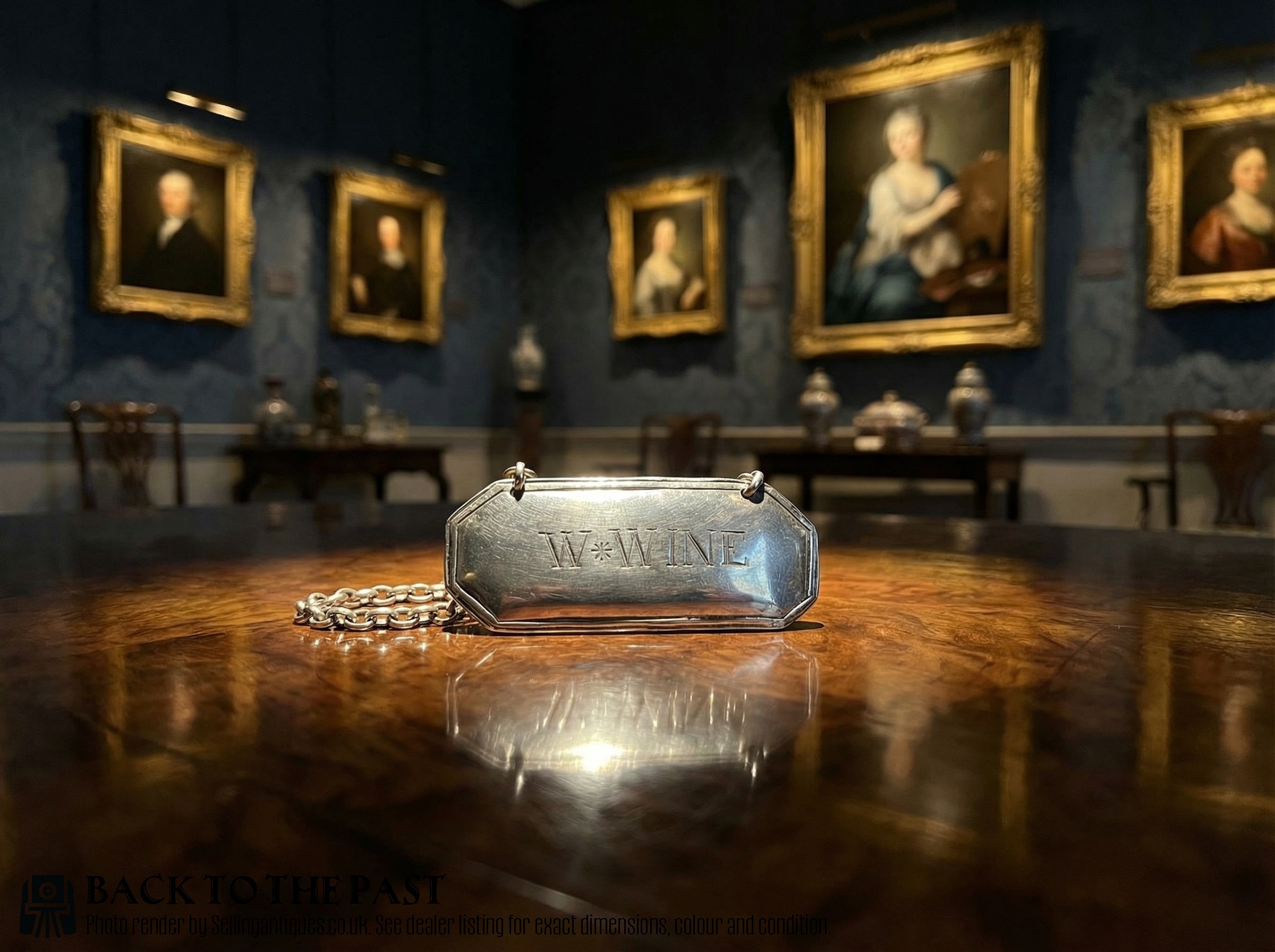
An antique silver spirit label sits around the neck of a decanter or wine jug to name the contents within. The items seen on this page span the Georgian, Victorian, and Edwardian periods, taking forms such as standalone decanter labels and silver mounts on whisky jugs.
Makers identified in the evidence include Digby Scott and Benjamin Smith, alongside provincial silversmiths from Peterhead and firms like Tiffany. These small silver tags vary from simple geometric plates to ornate chased designs bearing names like Madeira, Sherry, and Whisky.
Materials and Construction
These items are fashioned from sterling silver, silver, and Scottish provincial silver, often paired with glass in the case of complete jugs. Silversmiths utilised traditional techniques of piercing, stamping, and engraving to shape the metal and inscribe the names of spirits.
The construction ranges from delicate early nineteenth century plates to heavier twentieth century mounts. Each piece demonstrates the metalworking standards of its respective period, from London workshops to regional Scottish silversmiths.
Retail Price Guide 2026
Typical UK retail prices for silver spirit label, calculated from the Sellingantiques database of over a million retail prices indexed since 2003. This retail price guide relies exclusively on Sellingantiques data; no external sources or auction records are used, so the figures do not describe the wider market.
Listings feature items from the Georgian, Victorian, and Edwardian eras, made from sterling silver, silver, and glass.
Judging Quality
Quality in these pieces rests upon the crispness of the engraved lettering, the clarity of the hallmarks, and the weight of the metal. Early nineteenth century examples by noted makers display superior chasing and hand-cut script compared to later mass-produced alternatives.
The integration between the silver label and its suspension chain or collar also dictates the overall standard. Superior items retain their original fittings and sharp edges, showing minimal wear across the surface decoration.
Digby Scott Benjamin Smith·Tiffany
The Antique Silver Spirit Label Glossary
- Sterling Silver
- An alloy comprising ninety-two point five percent silver by mass, with the remainder being other metals usually copper. This standard alloy provides durability while maintaining a bright appearance.
- Hallmark
- An official stamp applied by an assay office to indicate the purity of the metal, the maker, and the year of production. British silver typically carries a leopard head, a lion passant, and a date letter.
- Provincial Silver
- Items manufactured outside the main assay towns such as London, Birmingham, or Sheffield. Scottish provincial pieces often bear maker marks specific to towns like Peterhead rather than standard office assay marks.
- Decanter Label
- A small silver or metal tag hung by a chain around the neck of a wine bottle or decanter. They prevent mix-ups by identifying specific beverages like Madeira or Sherry.
Frequently Asked Questions
What is an antique silver spirit label?
It is a small piece of silverware designed to hang around the neck of a decanter to name the beverage inside. These items help identify drinks such as sherry, madeira, or whisky.
The listings show examples produced across the Georgian, Victorian, and Edwardian eras in various silver standards.
How do I date an antique silver label?
Dating relies upon examining the hallmarks stamped into the metal by an assay office. These marks indicate the year of manufacture and the silversmith responsible.
Stylistic details such as the shape of the shield and the style of engraving also provide clues to the period.
What materials are used in these pieces?
The pieces are primarily fashioned from sterling silver or provincial silver. Some listings also include glass components where the label is part of a complete jug assembly.
Silversmiths used these materials to ensure durability while allowing for intricate piercing and engraving.
Where were these spirit labels made?
They were produced by makers and workshops across Britain, including London firms and Scottish provincial towns like Peterhead. International houses such as Tiffany also produced them.
Regional silversmiths often used local marks alongside their maker initials.