



Antique Silver Smoking Case
An antique silver smoking case holds personal tobacco gear, bringing tactile craft from Georgian, Victorian, and Art Deco periods straight to your pocket.
Antique Silver Smoking Case
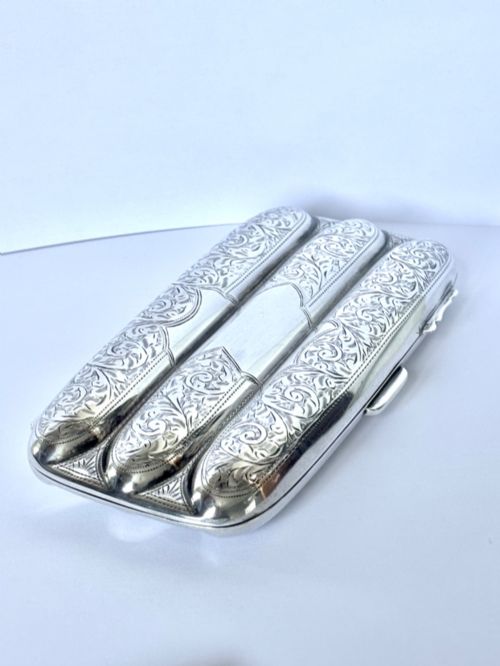
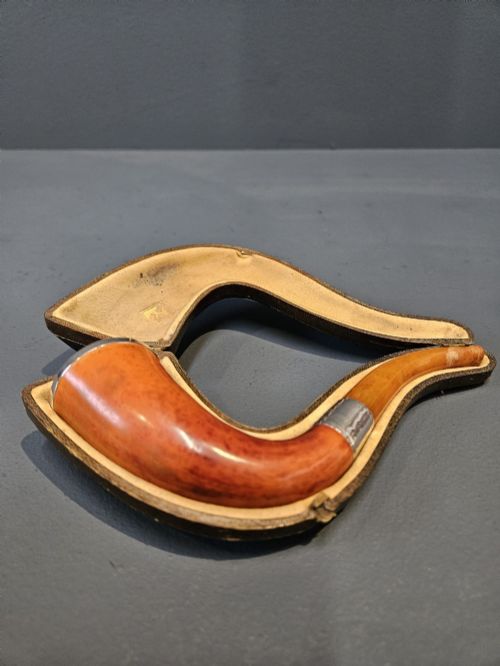
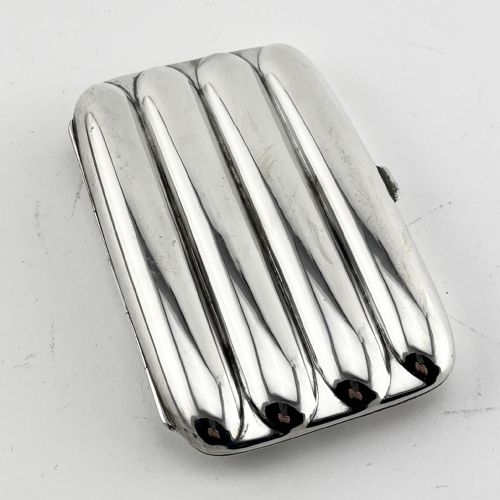
When searching for an antique silver smoking case, collectors encounter diverse tobacciana forms designed to hold cigarettes, cigars, cheroots, or matches safely. The selection spans flat pocket cigarette cases, rigid cigar tubes, and curved cheroot holders paired with tailored silver enclosures.
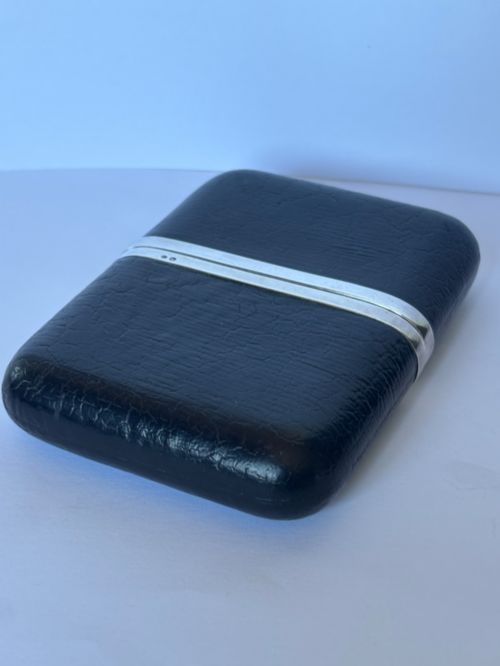
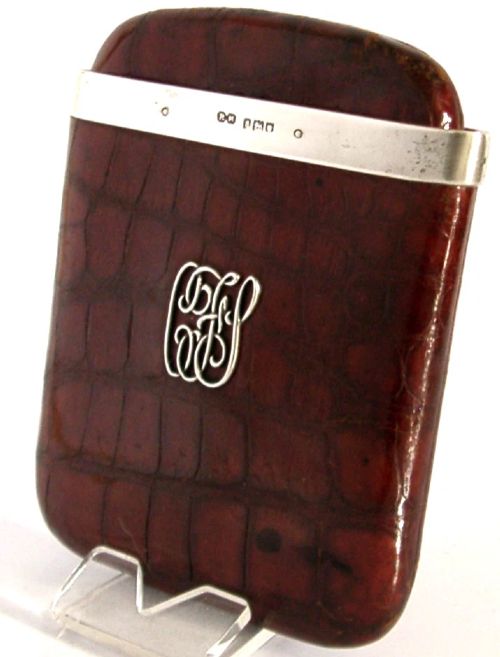
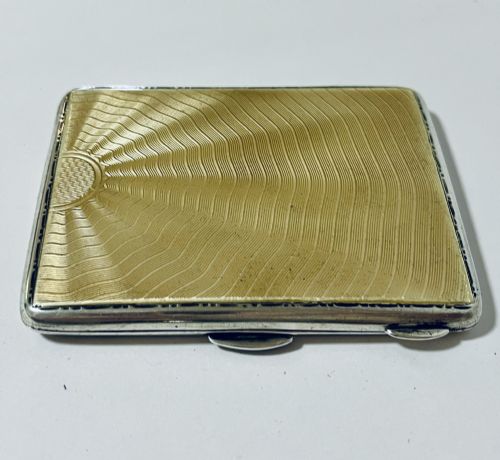
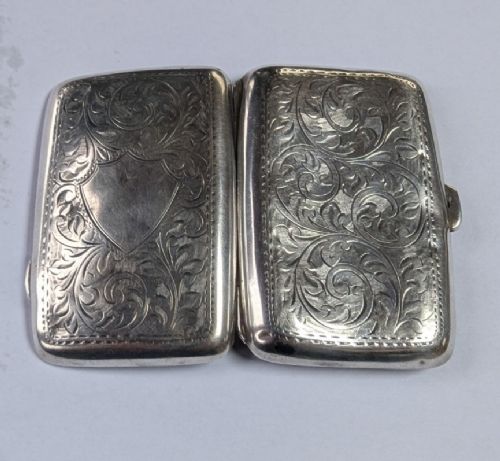
Victorian and Edwardian examples dominate the offerings, frequently showing dense leaf and scroll engraving alongside heavy sterling construction. Art Deco pieces introduce geometric engine turning, enamel accents, and exotic coverings like shagreen or crocodile leather.
Beyond standard pocket containers, the groupings include novelty vesta cases shaped as animals, table lighters, and comprehensive smoking compendiums. Each object reflects the social rituals of tobacco use across the nineteenth and twentieth centuries.
Materials and construction methods
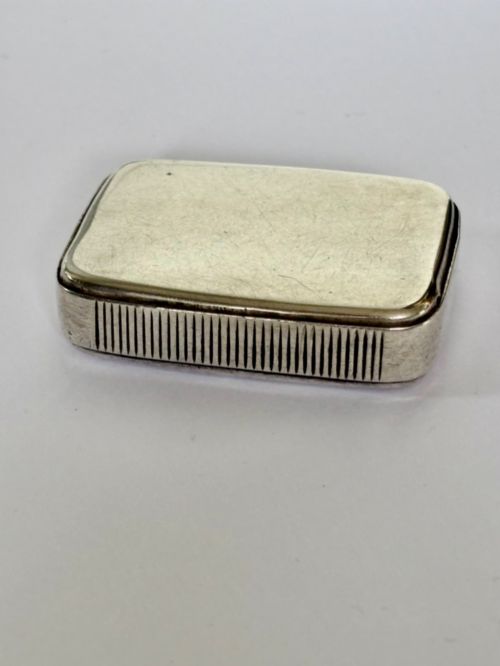
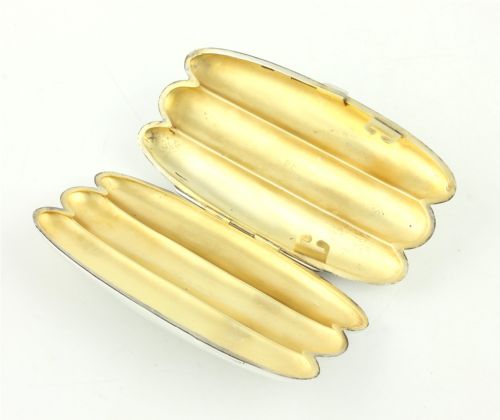
Makers utilised solid sterling silver and silver gilt as the primary structural foundations, often shaping them via press forming, hand beating, or casting. Internal elements frequently incorporate gilt washes to prevent tarnishing from tobacco oils.
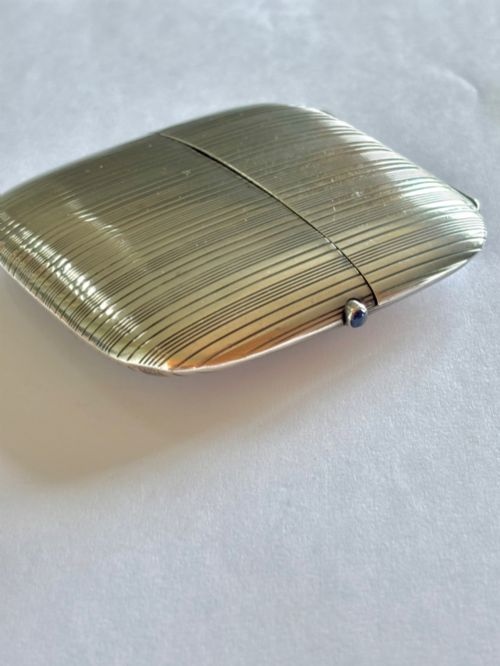
Surface decoration relies heavily on engine turning, hand engraving, and applied enamel, alongside mounts in nine-carat gold. Organic materials such as amber, briar wood, crocodile skin, shagreen, onyx, and lapis lazuli provide contrasting textures.
Antique Silver Smoking Case Retail Price Guide 2026
Typical asking prices for silver smoking case among the pieces listed under this phrase on Sellingantiques today, from the lower quarter to the upper quarter. They describe what is for sale here now, not the wider market.
Listings span periods from Georgian and Victorian eras through Edwardian, Art Deco, and Mid-Century Modern designs.
Judging quality and execution
Quality rests upon the crispness of hallmarks, the weight of the silver gauge, and the precision of mechanical elements like hinges, springs, and opening mechanisms. Pieces with complex internal configurations or unusual opening actions demand higher levels of metalsmithing skill.
The integration of secondary materials defines the upper tier of production. Seamlessly fitted exotic leathers, flawless enamel panels, and intricate hand-engraved scrolls separate standard utilitarian pieces from exceptional workshop creations.
A & J Zimmerman·Sampson Mordan·Edward Edwards·Hermes Paris·George Betjemann·Blumfeld
The Antique Silver Smoking Case Glossary
- Vesta case
- A small portable box designed to hold wax matches, featuring a striated base for striking them. These matchsafes often mirror the decorative motifs of contemporary cigarette cases.
- Engine turned
- A surface pattern of geometric lines and patterns mechanically cut into metal using a rose engine lathe. This technique provides both visual texture and resistance to minor scratches.
- Silver gilt
- Sterling silver that has been coated with a thin layer of gold on its interior or exterior surfaces. This finish enhances richness and protects the base metal from corrosion.
- Cheroot holder
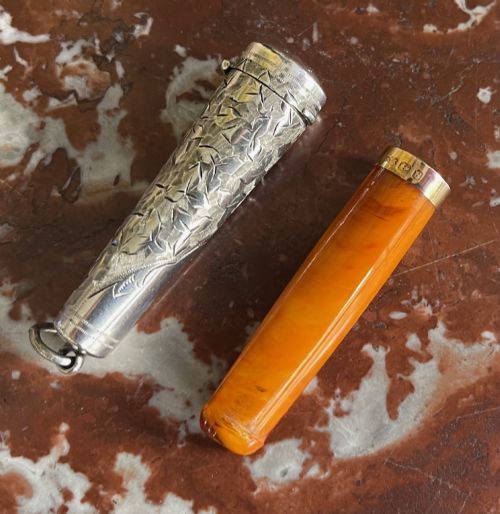
- A small mouthpiece made of amber or briar wood, fitted with a precious metal mount, designed to hold a truncated cigar. They often survive inside custom-shaped silver cases.
- Shagreen
- Untanned leather prepared from the skin of a shark or ray, characterised by a distinctive granular surface texture. It appears on luxury table lighters and boxes from the Art Deco period.
Antique Silver Smoking Case: Frequently Asked Questions
What fits inside these cases?
Pocket containers accommodate hand-rolled cigarettes, slim cigars, or individual cheroots depending on their internal depth and length. Specialised tubes hold multiple cigars in rigid alignment.
Larger boxes and compendiums stay on tables to serve multiple smokers with matches, lighters, and loose tobacco reserves.
How do opening mechanisms differ?
Simple spring-loaded lids snap open via a thumbpiece, while sliding trays and unusual pivot actions require deliberate manipulation. Novelty designs conceal release catches within sculptural forms.
Internal retaining clips or silk elastic straps secure the contents tightly against movement while carried in pockets.
Can I use an antique case daily?
Solid sterling silver withstands regular pocket use provided hinges and clasps remain in sound alignment. Modern cigarette sizes may exceed the dimensions of historical compartments.
Delicate enamel work and exotic leather coverings require gentle handling to prevent surface abrasion during transport.
How do I spot an Edwardian piece?
Edwardian items often display refined restraint, featuring lighter scroll engraving and simpler geometric profiles than heavy Victorian work. Assay office hallmarks and date letters confirm the exact decade of manufacture.
Briar wood and amber combinations frequently date from this refined transitional period.