


Antique Silver Rim Jug
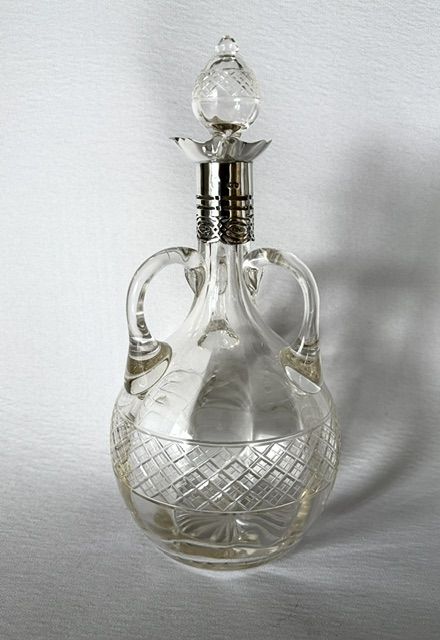
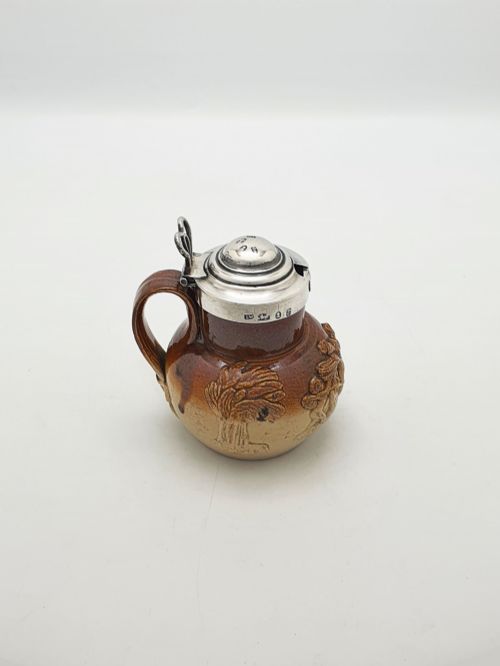
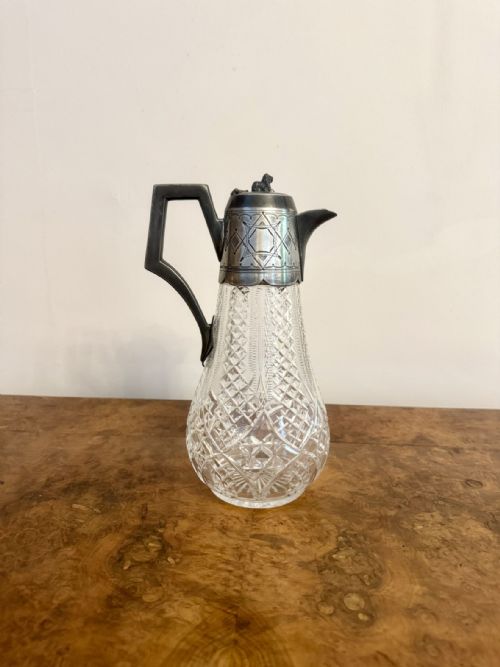
An antique silver rim jug pairs heavy glass, salt glaze stoneware or pottery with precious metal collars, mounts and hinged lids.
Antique Silver Rim Jug
An antique silver rim jug combines a functional vessel body formed from glass, stoneware or ceramic with precious metal hardware at the top. These pieces span the nineteenth and early twentieth centuries, drawing on Georgian, Victorian, Edwardian, Art Nouveau and Art Deco design styles.
Many items pair cut or ribbed glass bodies with sterling silver mounts, whilst others utilise salt glaze or lead glaze stoneware fitted with heavy metal collars and hinged lids. Certain larger examples take the form of harvest cups or heavy ceramic pitchers intended for communal table use.
Materials and construction methods
Makers formed the bodies of these vessels using either blown and cut glass or traditional earthenware and stoneware techniques. Glass vessels often feature deep wheel-cutting, ribbing or smooth moulded profiles designed to catch the light, while ceramic bodies utilise salt glaze or lead glaze finishes.
Metalwork components consist of sterling silver, silver plate or unmarked silver mounts secured directly to the rim and handle. Hinged lids, collars and spouts were cast and soldered before being fitted firmly to the neck of the glass or stoneware body.
Materials recorded across the inventory include sterling silver, silver plate, cut glass, lead glazed earthenware and salt glaze stoneware.
Distinguishing quality across the range
The distinction between standard utility vessels and superior examples lies in the weight of the metal and the precision of the glass cutting or ceramic throwing. Heavier gauge silver collars and crisp, deep facets on cut glass demonstrate finer craftsmanship.
The reputation of the silversmithing firm or pottery workshop also shapes the standing of a piece, with documented makers commanding greater attention. Additionally, the secure integration of the hinged lid and the overall balance of metal against glass or stoneware indicate the original standard of production.
Elkington & Co·Tiffany·Hukin & Heath·Doulton Lambeth·Asprey & Co
The Antique Silver Rim Jug Glossary
- Sterling silver
- A silver alloy containing 92.5 percent pure silver by mass, frequently used for the collars, rims and hinged lids of these vessels.
- Silver plate
- A base metal substrate covered with a thin layer of silver, often found on larger lemonade and pimm's jugs produced by commercial manufacturers.
- Salt glaze
- A vitreous glaze created by throwing common salt into the kiln during high-temperature firing, producing a textured, pebbled finish on stoneware jugs.
- Claret jug
- A specialised pouring vessel designed specifically for serving red wine, typically featuring a glass body with an elaborate silver mount and handle.
- Harvest jug
- A traditional ceramic or stoneware pitcher, often decorated in relief and fitted with a silver rim, historically used during agricultural festivities.
Antique Silver Rim Jug: Frequently Asked Questions
What are antique silver rim jugs made of?
These vessels combine bodies of cut glass, ribbed glass, lead glaze or salt glaze stoneware with collars, mounts and hinged lids made from sterling silver or silver plate. The materials reflect the domestic dining and serving habits of the nineteenth and early twentieth centuries.
Makers selected glass for clarity and sparkle on the dining table, whilst stoneware provided robust durability for hearty beverages. The metal components served both a structural purpose in reinforcing the rim and an aesthetic one through polished ornamentation.
How do I care for an antique silver rim jug?
Care requires gentle hand washing with warm water and mild detergent, keeping moisture away from any internal cement or historical adhesives that secure the metal collar to the glass. Dry the metal components promptly to prevent tarnishing and water spotting.
Avoid soaking the entire piece in water, particularly if the collar is sealed with historic mastics. Polish the silver portions sparingly with a soft cloth and a dedicated metal cleaner, taking care not to rub cleaning agents onto the glass or stoneware body.
Were these jugs used for wine or water?
Usage varied widely depending on the specific form, with slender glass examples serving claret or cordials and larger stoneware pieces holding beer, cider or water. Specific designs such as claret jugs catered to formal dining room service.
Other larger forms functioned as lemonade or pimm's pitchers for drawing rooms and summer gatherings. Heavy ceramic harvest jugs fulfilled practical roles during seasonal agricultural celebrations.
How can I tell a Victorian jug from an Edwardian one?
Victorian examples often display heavier, more ornate ornamentation reflecting nineteenth-century revival styles, whilst Edwardian pieces tend to lean towards lighter proportions and cleaner Edwardian aesthetics. Examining the registered marks, hallmarks and overall design silhouette helps clarify the era of production.
Design motifs also offer clues, with elaborate floral chasing typical of the later nineteenth century and restrained geometric or classical lines emerging into the twentieth century. Hallmarks stamped into the silver mounts provide definitive date letters where legible.