

Antique Silver Portrait Holder
An antique silver portrait holder keeps a cherished face close, taking the form of picture frames and vestas crafted across the Victorian, Edwardian and Art Deco decades.
Antique Silver Portrait Holder
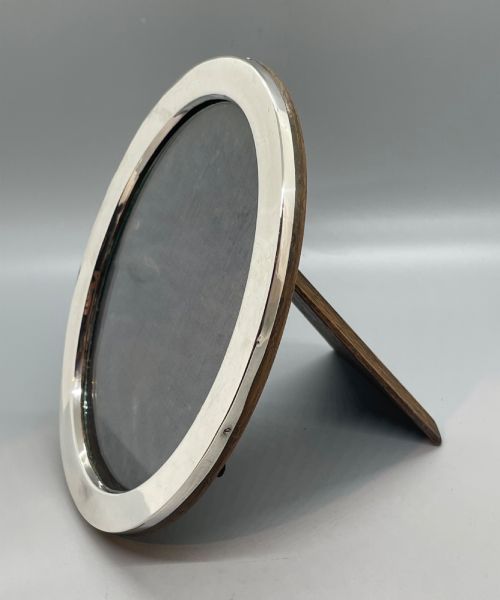
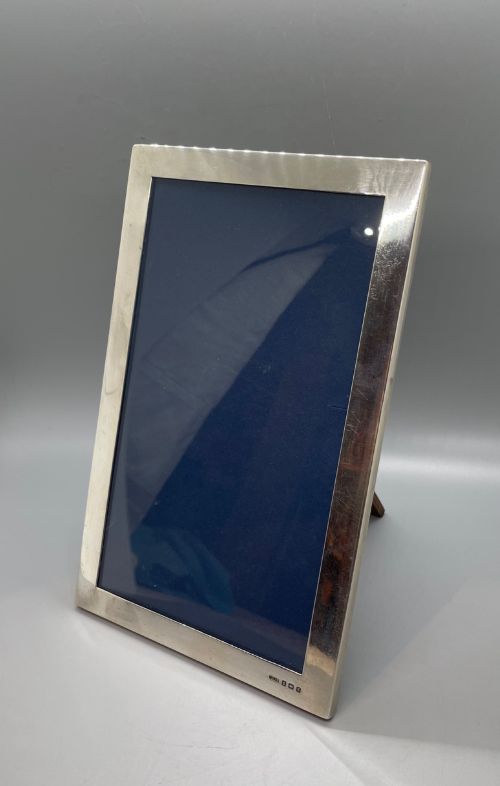
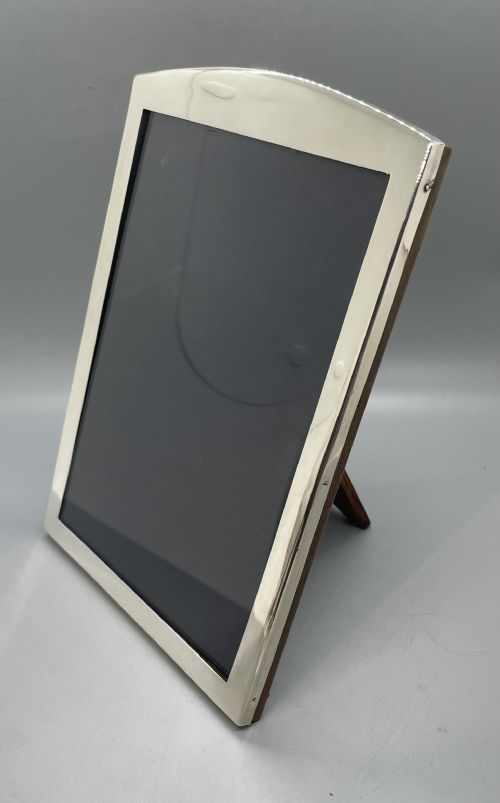
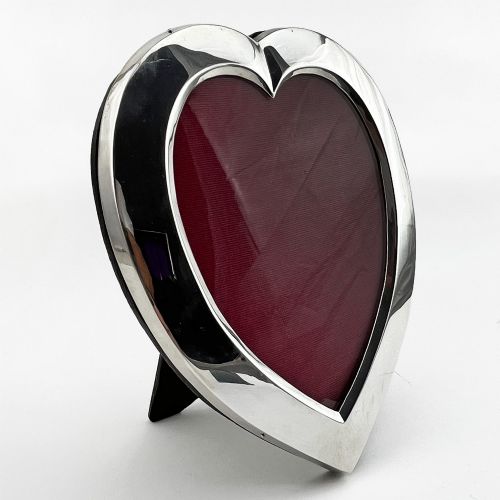
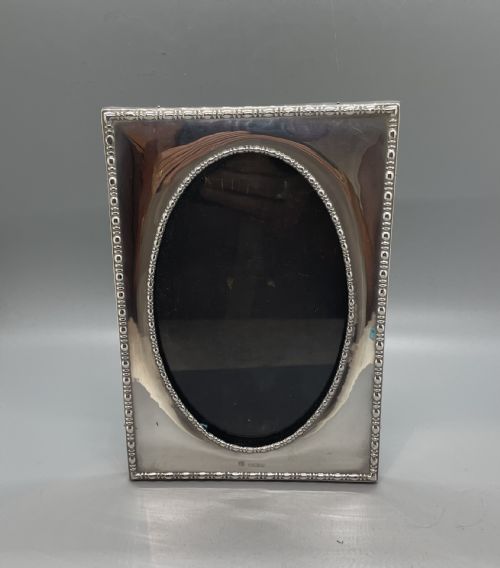
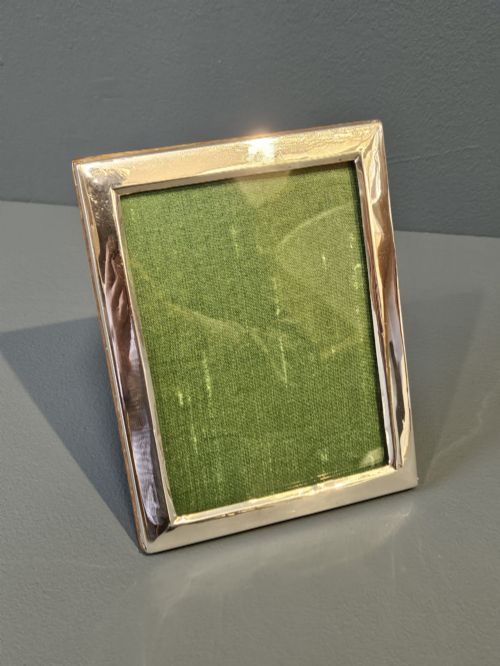
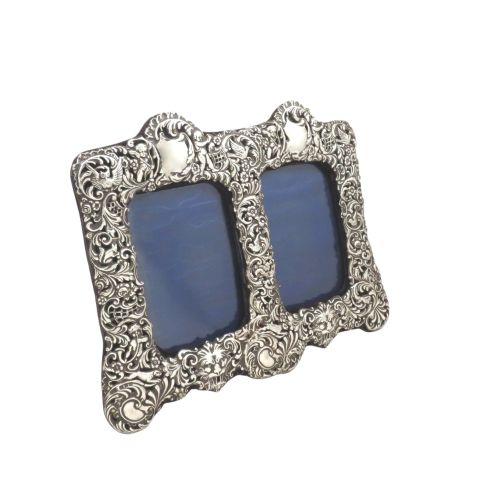
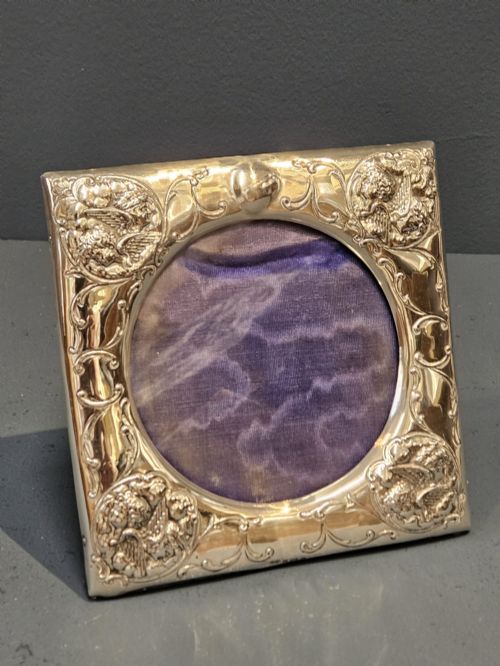
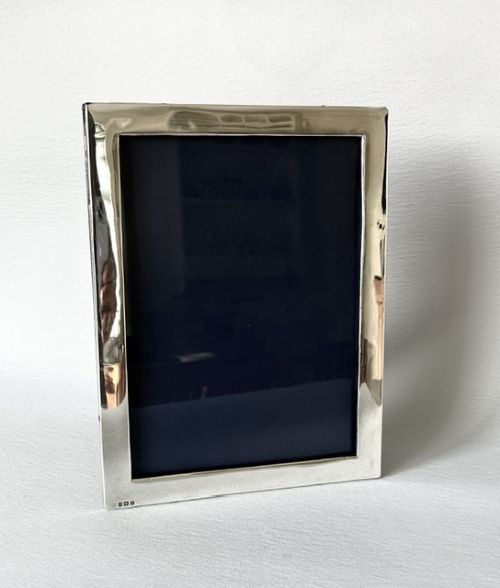
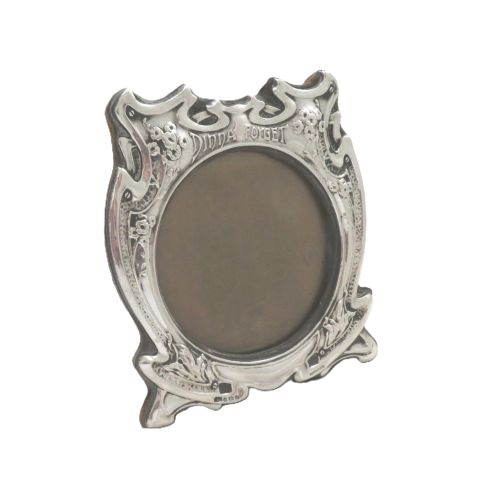
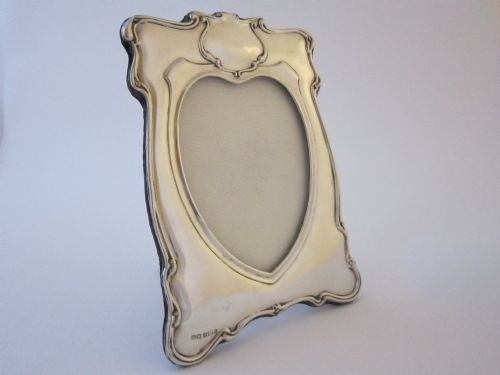
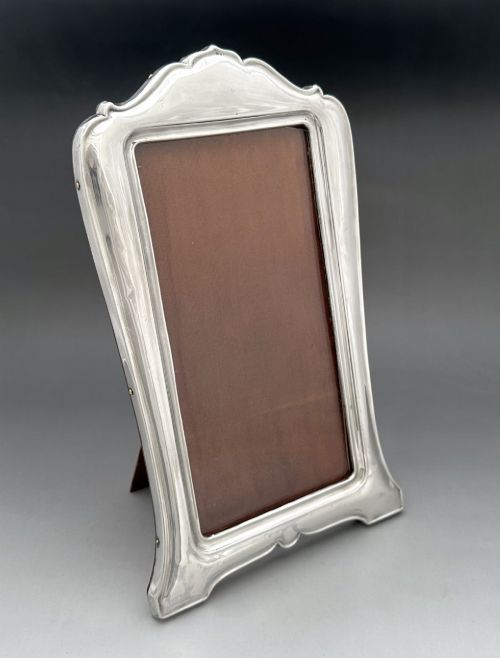
An antique silver portrait holder most commonly presents as a photograph frame designed for tabletop display, originating from Victorian, Edwardian and later periods. These pieces range from small heart-shaped keepsakes to large rectangular borders intended for domestic interiors.
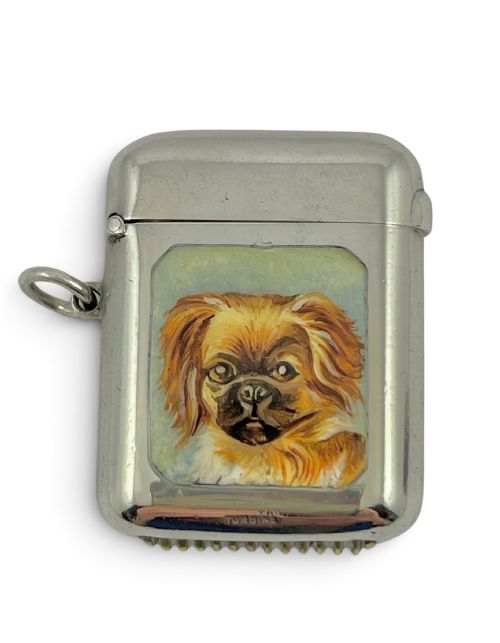
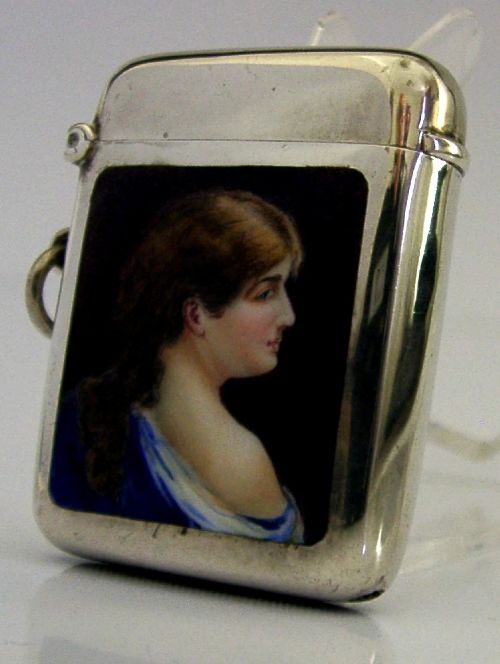
The category also encompasses smaller pocket items such as vesta cases that incorporate portrait miniatures, enamel panels or photographic likenesses. Makers utilised sterling silver, nickel plating and glass to protect and present these images.
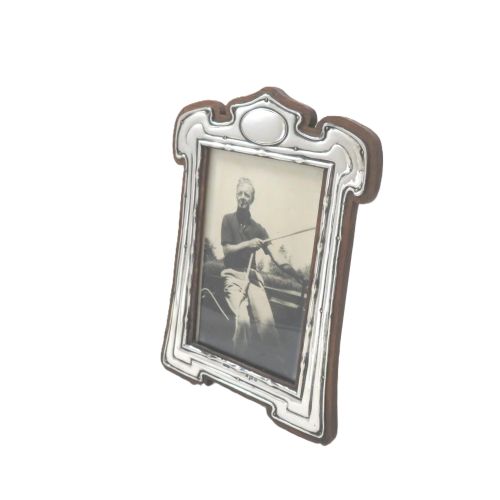
Examples span several design movements, including flowing Art Nouveau plant motifs, geometric Art Deco lines and traditional plain borders. English assay offices in Birmingham, Sheffield and Chester stamped many of these surviving items.
Materials and Construction
Silversmiths constructed these frames and holders using sterling silver sheet, often supported by wooden backs lined with velvet, fabric or leather. Easel struts attached to the reverse allowed the pieces to stand upright on desks and mantelpieces.
Decoration relied on techniques such as embossing, chasing, engine-turning and planishing to texture the metal surfaces. Enamel work and hand-painted details frequently adorned both the photographic frames and the novelty vesta cases.
Interior structures integrated glass panels to shield paper photographs from dust and handling. Chrome and nickel plating appeared in later twentieth-century variants alongside traditional silver alloys.
The selection includes pieces spanning from the late Victorian era through the Edwardian period and into the mid-twentieth century, utilising sterling silver, glass and chrome.
Assessing Craftsmanship
Quality rests upon the crispness of the metalwork and the depth of the repoussé or embossed decoration. Sharply defined motifs on floral borders or figurative scenes indicate superior maker skill.
The integrity of the structural backing matters greatly, particularly the survival of the original wooden support, structural easel mechanism and textile lining. Pieces retaining clear hallmarks from recognised silversmiths demonstrate verified provenance.
William Comyns·Syner & Beddoes·Henry Matthews·Hardy Brothers·Deakin & Francis
The Antique Silver Portrait Holder Glossary
- Vesta case
- A small pocket container originally designed to hold wax matches. These items often doubled as portrait holders through applied enamel or photographic inserts.
- Hallmark
- An official stamp applied by an assay office indicating metal purity, the maker's mark and the year of manufacture. British pieces carry distinct town marks such as anchors for Birmingham or crowns for Sheffield.
- Engine-turning
- A mechanical decoration technique that cuts intricate geometric patterns into metal surfaces. This method creates a precise textured background on silver frames.
- Planished
- A metal surface finish achieved by hammering with a polished tool, leaving subtle, flat facets across the silver. This technique imparts a hand-wrought texture popular in Arts and Crafts design.
- Easel back
- A hinged support strut attached to the reverse of a frame. It permits the portrait holder to stand upright on a flat surface.
Antique Silver Portrait Holder: Frequently Asked Questions
Can I replace the glass in a vintage frame?
Original glass panes are preferred by collectors, but cracked or broken glass requires replacement to protect the photograph inside. A local glazier can cut thin float glass to match the exact dimensions of the rebate.
Retain the original glass shards if possible, as thickness and tint contribute to the period authenticity of the piece. Secure the new glass carefully using the existing metal tabs without bending them excessively.
How do I date a silver portrait holder?
Examine the hallmarks stamped on the silver border or easel mount, which include a date letter corresponding to the assay office records of cities like Birmingham or Sheffield. Stylistic clues such as Art Nouveau whiplash lines or Art Deco geometry also point to specific decades.
Makers' marks provide further confirmation when cross-referenced against historical silversmith registries. Combining the assay office symbols yields a precise year of creation for British pieces.
Were these frames meant for wall hanging?
Most antique portrait holders were engineered for tabletop display using folding easel struts attached to the reverse. Some larger examples featured suspension loops alongside the stand to allow alternative wall placement.
Examining the structural spine reveals whether the item was intended primarily for horizontal placement on a desk or vertical hanging. Tabletops remained the standard domestic setting for displaying family likenesses.