
Antique Silver Plating
Antique silver plating brings the brilliance of silver to domestic dining and lighting through applied metal on copper and base metals.
Antique Silver Plating
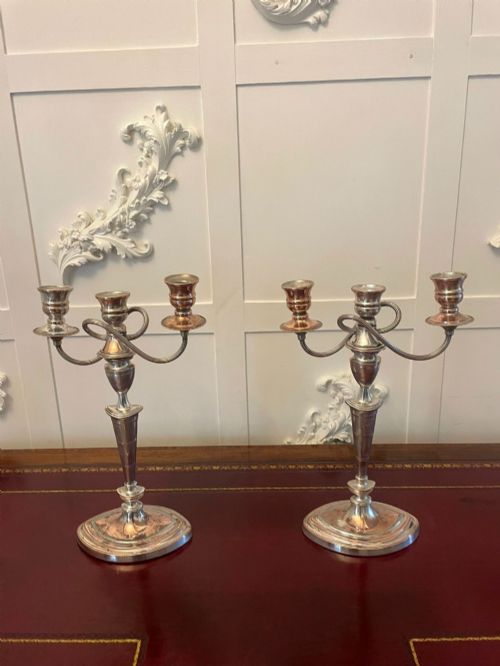
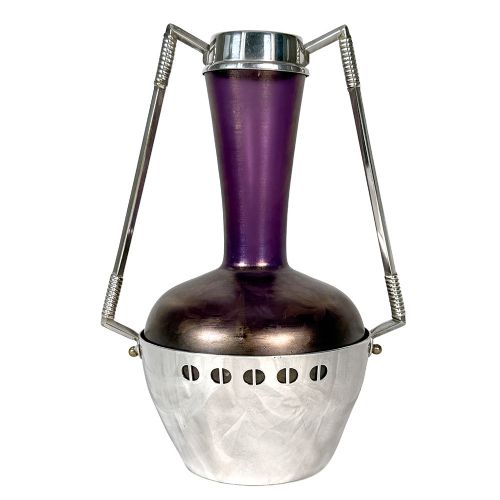
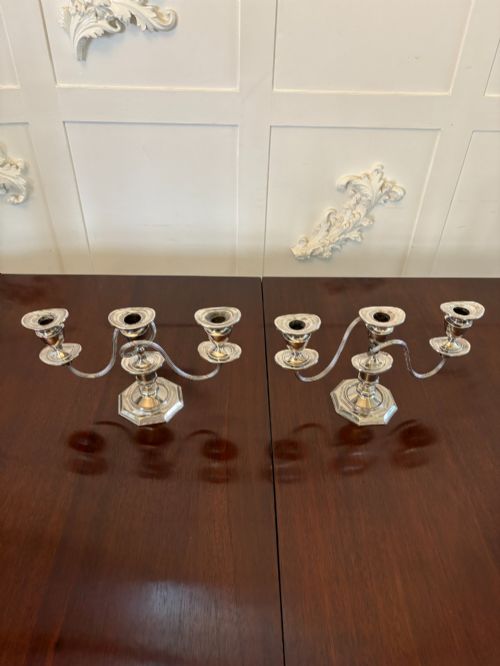
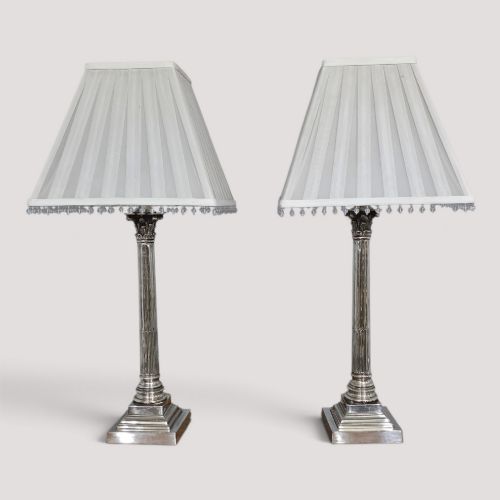
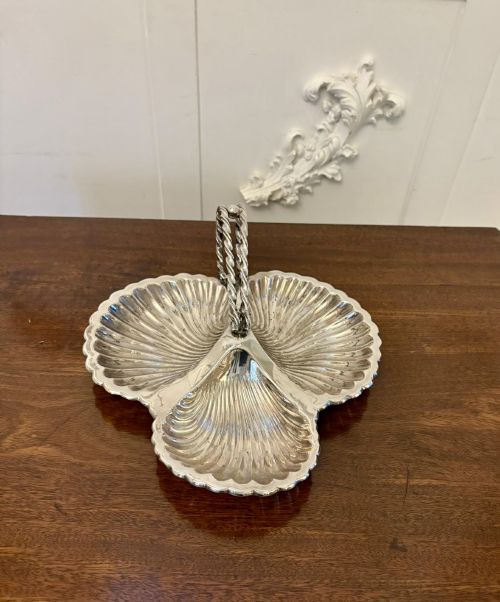
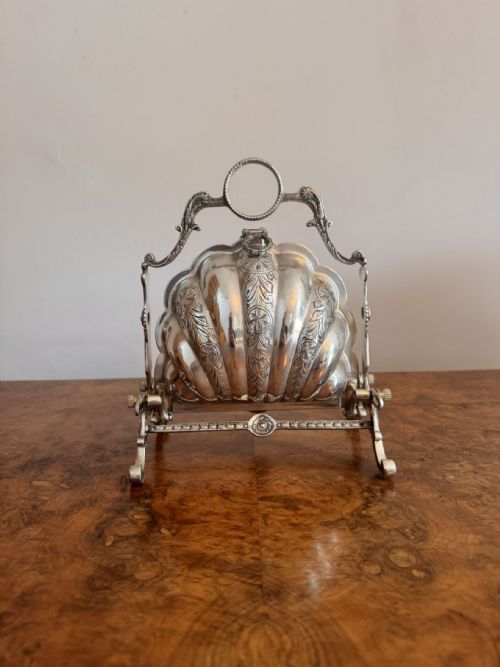
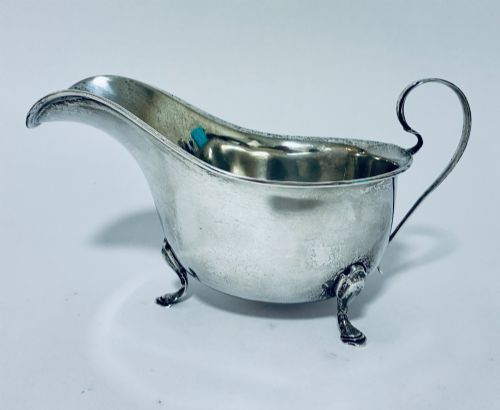
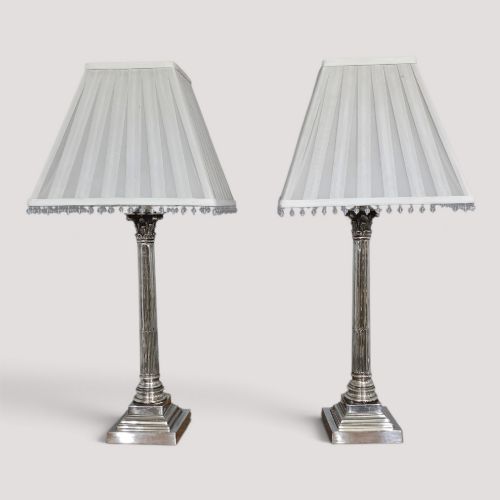
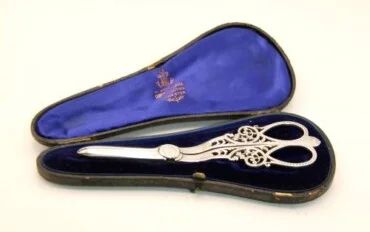
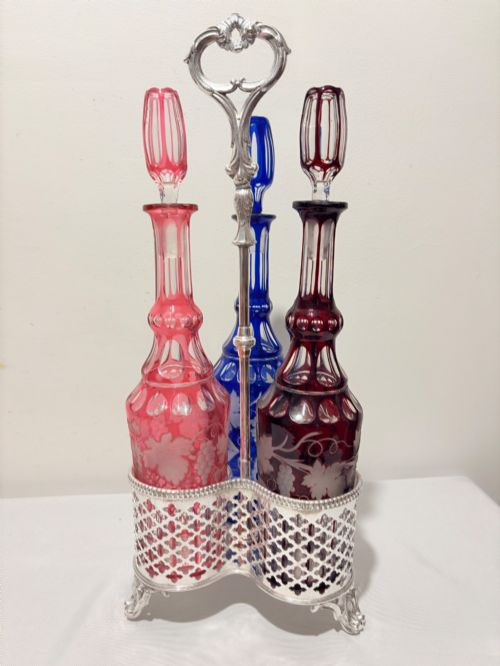
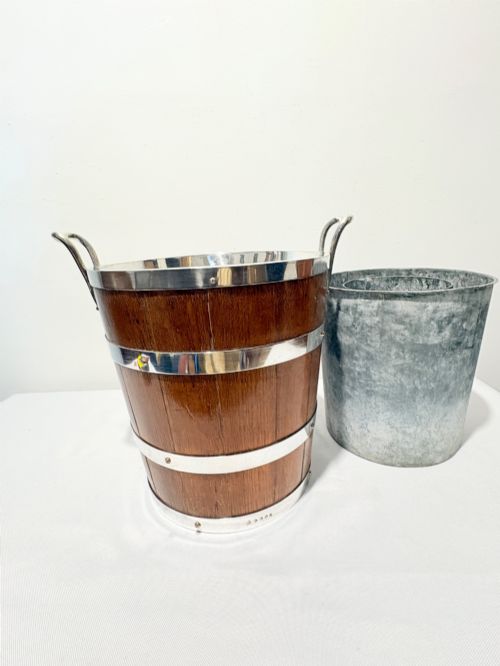
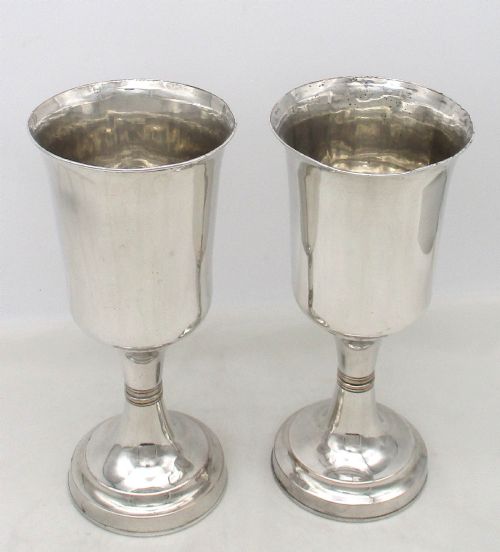
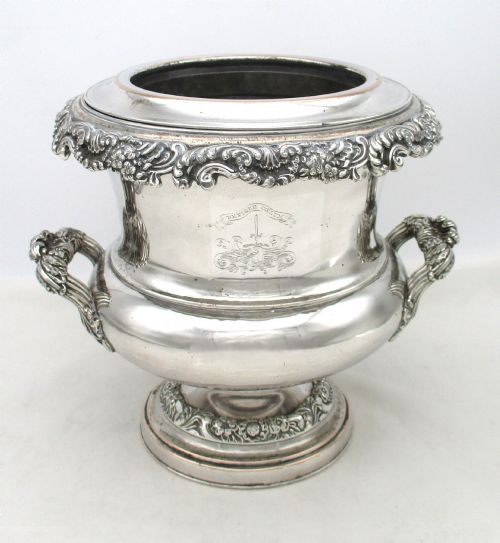
When you search for antique silver plating, you encounter functional domestic objects and dining wares designed to mimic solid silver at a lower cost. These pieces span the nineteenth and twentieth centuries, taking forms such as candelabras, wine coolers, trays, and table lamps.
Victorian and Edwardian examples dominate the selection, alongside earlier Old Sheffield Plate pieces from the nineteenth century. These items served dining rooms, drawing rooms, and institutional settings with durable metallic lustre.
Materials and Construction Methods
Makers utilised base metals like copper, brass, and nickel silver as the core structure for these items. Old Sheffield Plate involves fusing a thin sheet of silver to a thicker copper ingot through heat and pressure, leaving the cut edges visible.
Later nineteenth and twentieth century production shifted towards electroplated nickel silver, applying a silver coating via an electrical current. Artisans embellished these surfaces with engraving, chasing, and parcel gilding to create decorative depth.
Listings feature items spanning the 18th century through the 1930s, incorporating silver plate, copper, glass, and fabric.
Factors Distinguishing Quality
The thickness and durability of the applied silver layer determine the longevity of the piece under regular polishing. Heavier copper foundations in Old Sheffield Plate show greater structural integrity and subtle hints of the underlying metal through wear.
Mastery of form and crispness of cast or chased ornamentation separate standard utilitarian items from the work of prominent makers. Details such as applied crests, cast handles, and balanced proportions elevate the execution.
Deakin & Francis·Mappin & Webb·James Deakin·Hutton Sheffield·Keith Murray
The Antique Silver Plating Glossary
- Old Sheffield Plate
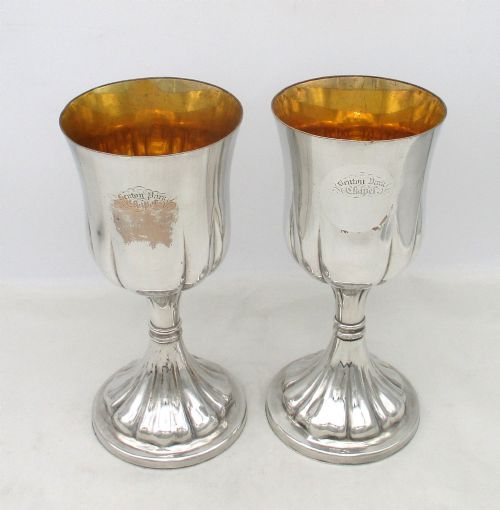
- A method of fusing silver and copper together before shaping the metal into items like tankards and chalices. This predates the invention of electroplating.
- Electroplated Nickel Silver
- A base alloy of copper, nickel, and zinc coated with a layer of pure silver through electrolysis. This technique became standard in the later nineteenth century.
- Parcel Gilt
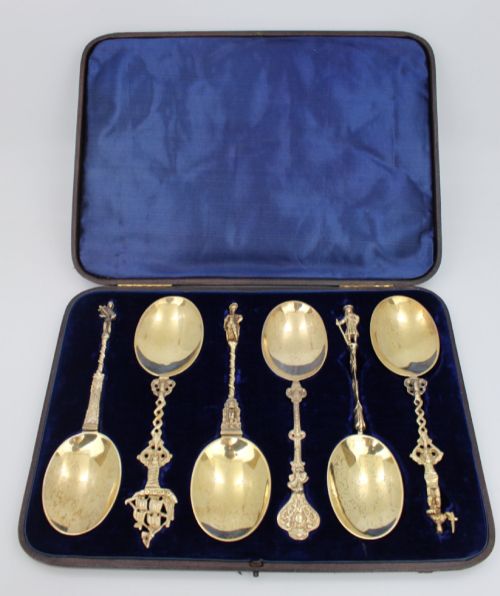
- A decorative treatment where selected areas of an object receive a coating of gold while the rest remains silver plated. This creates contrast on items such as spoons and lamps.
- Salver
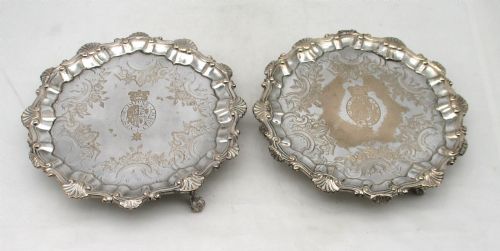
- A flat tray used for serving drinks or presenting items, often standing on small feet. These feature chased borders and engraved centres in silver plate.
Antique Silver Plating: Frequently Asked Questions
How do I clean antique silver plating?
Clean these items gently using a specialised silver cloth or mild non-abrasive polish to preserve the thin metallic layer.
Avoid aggressive scrubbing that wears through the plating to expose the underlying copper or base metal.
What is Old Sheffield Plate?
Old Sheffield Plate is an early composite material made by fusing a thin sheet of silver onto a copper core.
Items created with this technique often reveal thin lines of copper along unplated edges or wear points.
How do I display candelabras safely?
Place candelabras on stable dining tables or sideboards away from drafts to ensure even burning of candles.
Ensure drip catchers are utilised to protect the silver plated surface from hardening wax.
Can I use wine coolers for dining?
Wine coolers function well for chilling bottles at the table or serving as decorative centrepieces filled with floral arrangements.
Dry the interior thoroughly after use to prevent moisture damage to the plated surface.