



Antique Silver Novelty Bird
These antique silver novelty bird pieces combine clever utility with naturalistic form, offering collectors miniature fowl crafted for the desk, table, and dressing vanity.
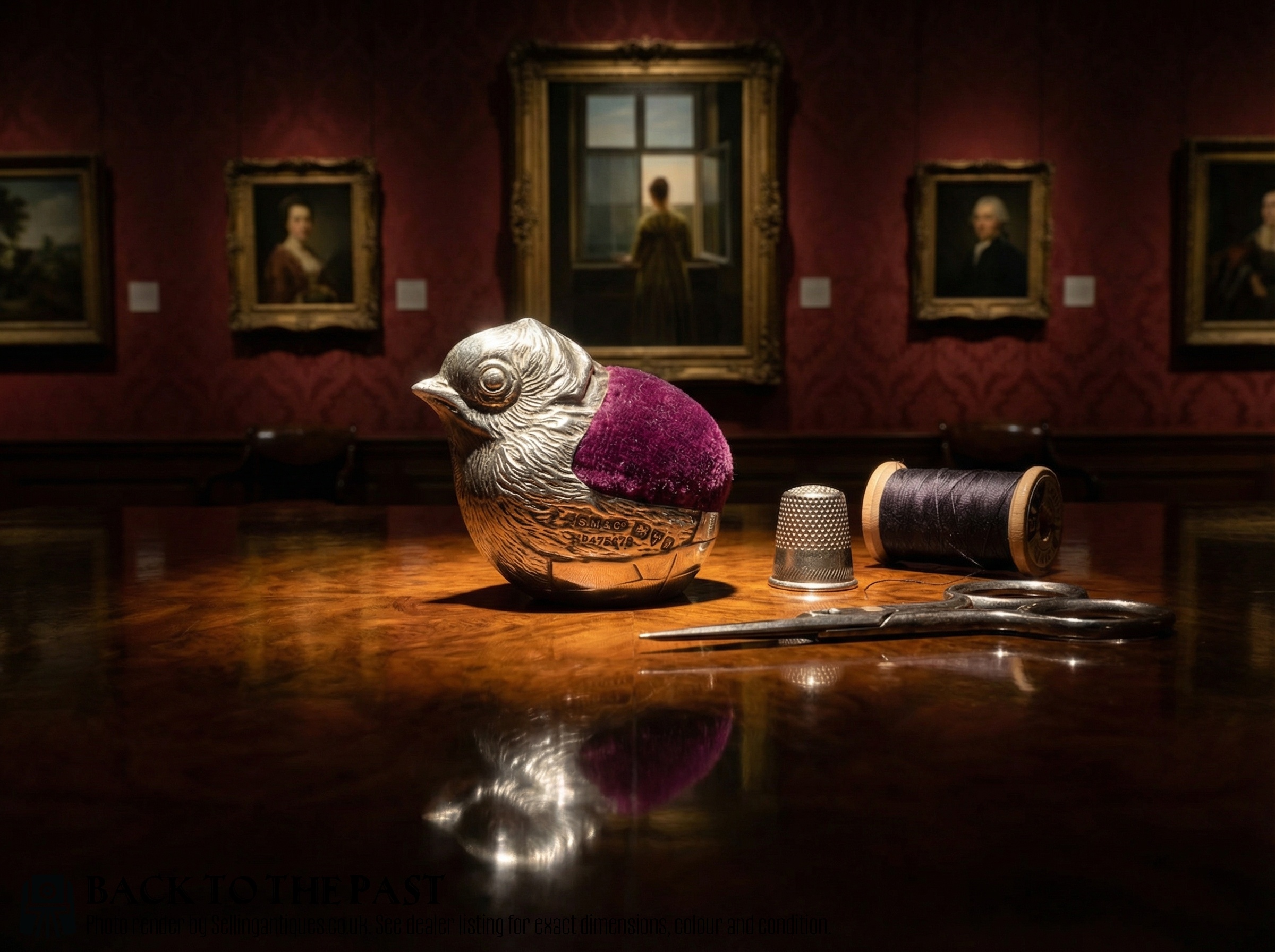
Antique Silver Novelty Bird
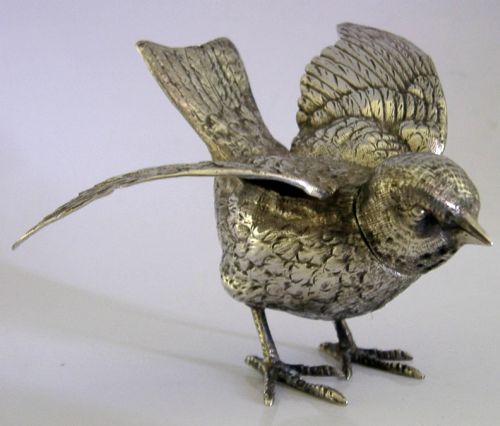
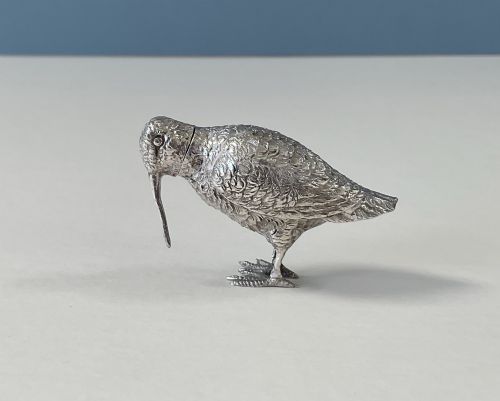
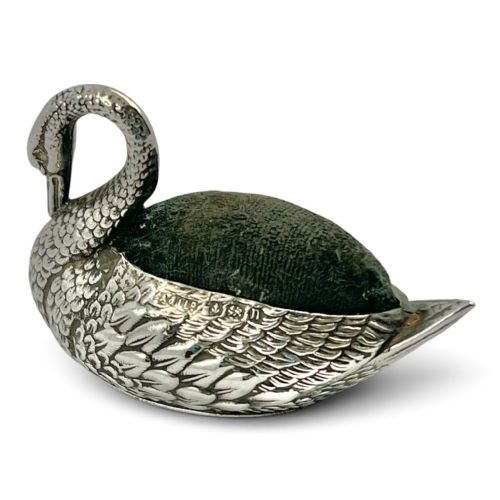
An antique silver novelty bird takes the form of a fowl, functioning as a pin cushion, pepper pot, scent bottle, or pill box rather than standing as a static ornament. These objects emerge predominantly from the Victorian and Edwardian periods, stretching from the late nineteenth century through to the interwar decades of the 1930s.
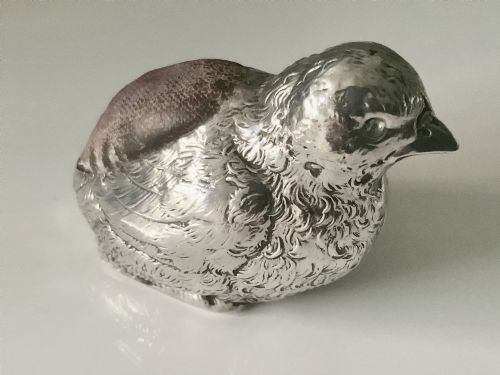
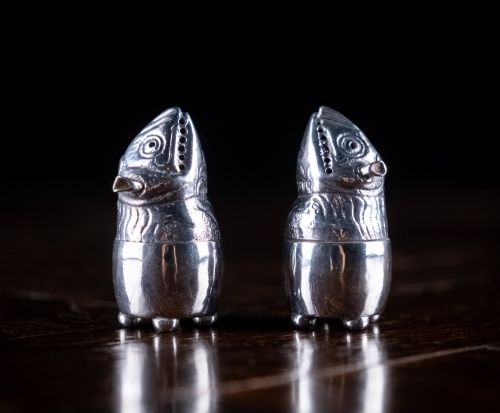
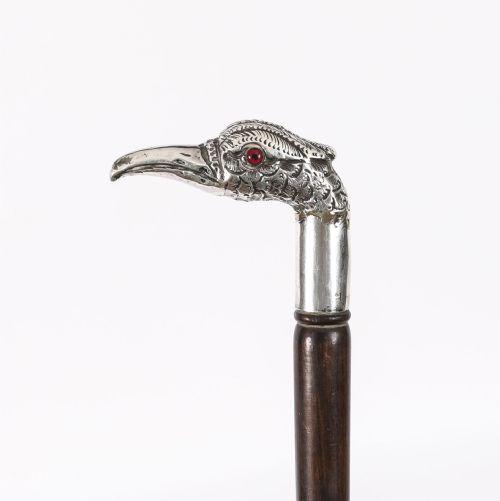
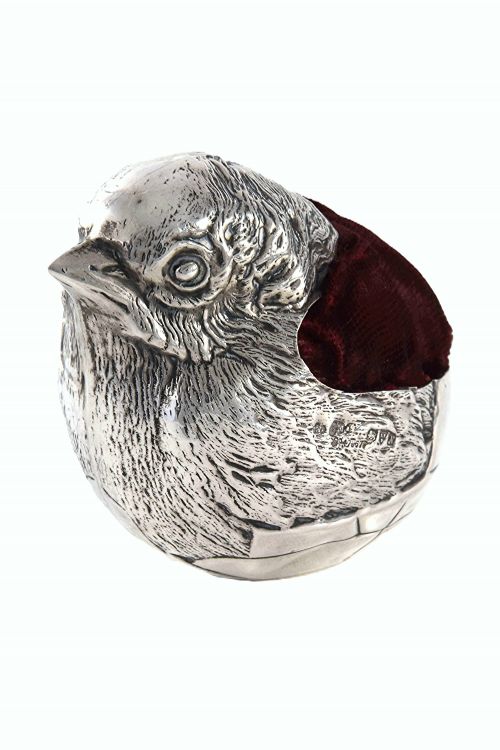
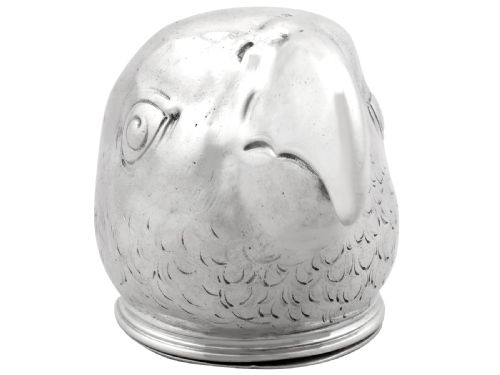
The most common iterations on this page are diminutive chicks and adult birds such as swans, pheasants, owls, and ducks. Makers utilise sterling silver and German silver, frequently pairing the metal with velvet cushions, ceramic eggs, or cut glass bodies to create functional desktop and dressing table accessories.
How They Were Made
Makers integrate secondary materials such as velvet pads for pins, ceramic inserts for scent bottles, and glass bodies for decanters. Hallmarks stamped into the silver record the assay office, city, and year of production, linking individual birds to workshops in London, Birmingham, Chester, and continental centres like Hanau.
Listings feature items from the Victorian and Edwardian eras, incorporating materials such as sterling silver, velvet, ceramic, and cut glass.
What Varies in Quality
The degree of anatomical realism separates standard production from exceptional work, particularly in how finely individual feathers and textural details are chased into the metal. The sharpness of the cast and the crispness of hallmarks dictate the standing of a piece.
Utility and complexity drive distinction among comparable examples, such as articulated moving parts, fully fitted interior compartments, or the successful integration of delicate secondary materials like ceramic egg bodies and coloured glass.
Frederick Brasted·Sampson Mordan·Boaz Moses·Henry Stuart Brown·Berthold Muller
The Antique Silver Novelty Bird Glossary
- Pin Cushion
- A small domestic accessory designed to hold sewing pins, often formed here as a silver bird with a velvet insert beneath the body. These functional items sit upon dressing tables and desks.
- Pepper Pot
- A small tabletop container perforated for dispensing ground pepper, frequently modelled in these collections as standing birds like owls, chicks, and pheasants. The base or head removes for refilling.
- German Silver
- An alloy of copper, nickel, and zinc that resembles silver in appearance, utilised by continental European makers for figural animal boxes and table ornaments. It offers a bright finish distinct from sterling.
- Hallmark
- A series of official marks stamped onto precious metal items to indicate the standard of purity, the maker, the assay office, and the year of manufacture. These stamps provide the primary evidence for dating an antique.
- Repoussé
- A metalworking technique where the silversmith hammers the metal from the reverse side to form a raised design in relief. This method shapes the curved contours of wings and bodies on hollowware.
Antique Silver Novelty Bird: Frequently Asked Questions
What were silver bird pin cushions used for?
Victorians and Edwardians kept these figural pin cushions on sewing tables, dressing desks, and writing surfaces to hold pins and needles close at hand. The velvet insert nested within the silver body provided a soft, secure pad for sewing implements while adding an amusing decorative touch to the room.
Over time, these domestic accessories shifted from everyday sewing tools to collectable cabinet pieces. Collectors prize them for their sculptural qualities and the variety of avian species represented by different silversmiths.
How do I date an antique silver bird?
Dating relies primarily upon the hallmarks stamped directly into the silver metal. These tiny struck marks reveal the assay office, the specific date letter corresponding to a year, and the maker's mark.
Stylistic cues such as the heavy ornamentation of the Victorian era or the cleaner lines of Edwardian and Art Deco production offer secondary clues. Comparing the form against known registry numbers and maker signatures confirms the period.
Are silver bird pepper pots functional?
These pepper pots and condiment shakers retain their original hollow construction, removable heads or threaded bases, and pierced shaker holes. Many remain entirely suitable for table use.
Collectors often balance practical utility against preservation, choosing whether to display them as miniature sculptures or utilise them during dining. The secure fit of the base cap ensures the contents remain contained.
What is the difference between English and German silver birds?
English pieces typically consist of sterling silver stamped with clear assay office town marks, date letters, and maker initials such as Sampson Mordan. They focus heavily on practical desk and dressing table forms like pin cushions and scent bottles.
German silver items, frequently originating from manufacturing hubs like Hanau, often utilise alternative metal alloys or continental silver standards. Their designs lean towards elaborate tabletop ornaments, sugar boxes, and figural animal models with distinct export marks.