



Antique Silver Needlework Tools
Antique silver needlework tools are pocket-sized implements and containers crafted to aid sewing, prized for their fine metalwork and domestic utility.
Antique Silver Needlework Tools
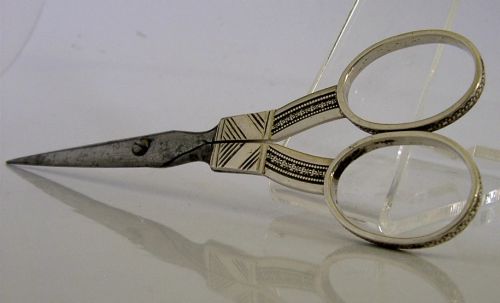
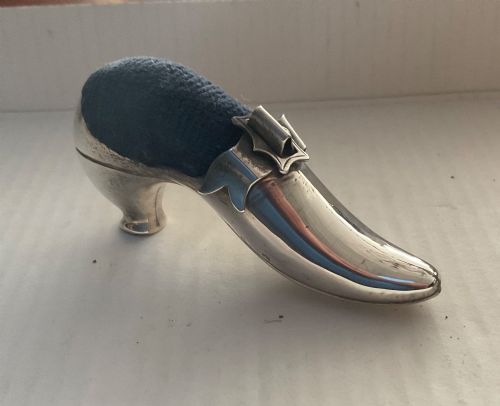
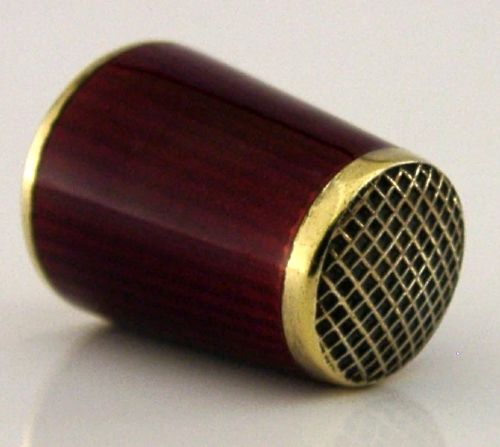
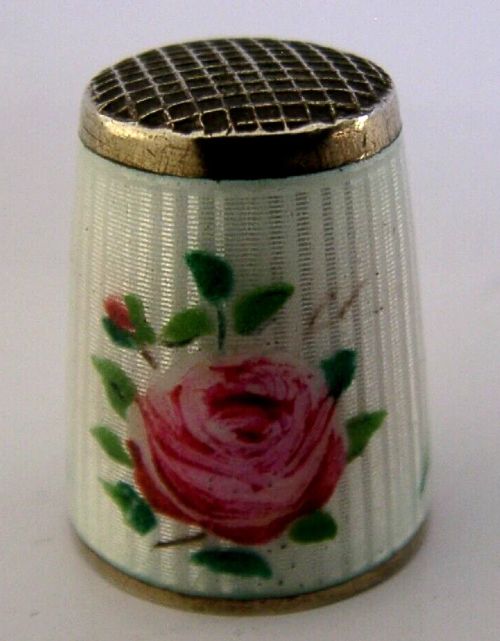
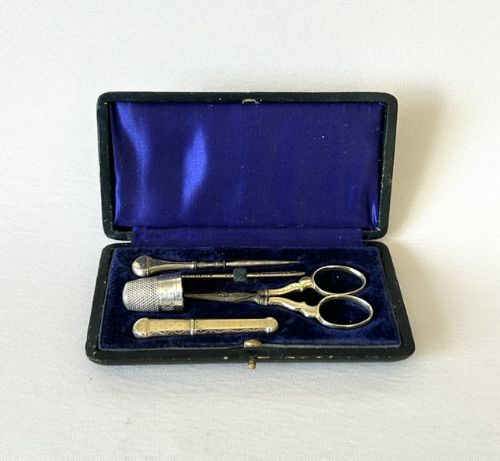
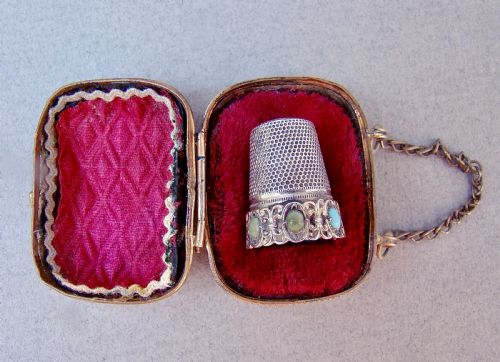
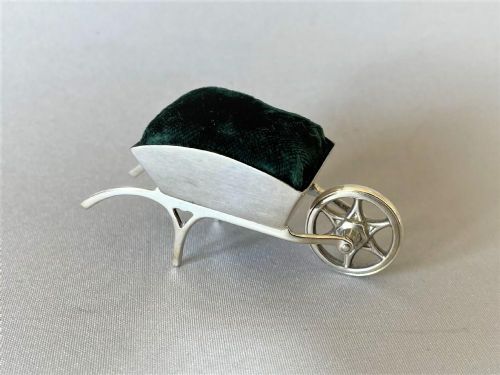
Most pieces take the form of thimbles, pin cushions, scissors, and compact cases designed to hold them. Novelty pin cushions shaped as shoes, wheelbarrows, baskets, goldfish, and sledges appear frequently among the listings.
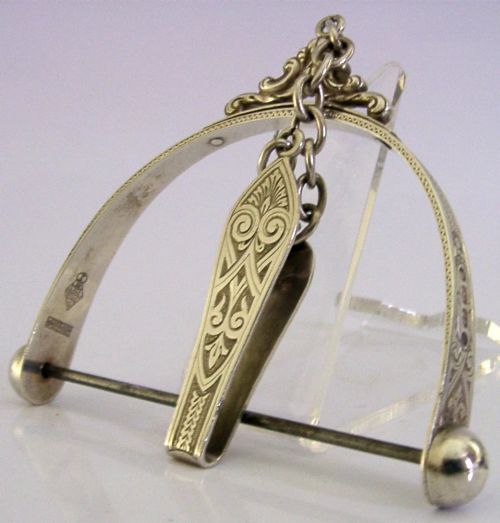
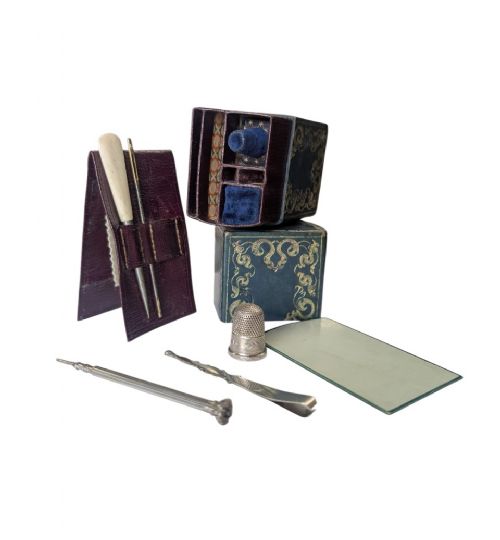
Completsets and boxes also emerge, including French etuis and compendiums alongside chatelaine accessories. These items combine solid silver or silver gilt with materials like velvet, bone, leather, and silk.
How they were made
Makers shaped solid silver and sterling silver through casting, stamping, and detailed chasing to create textured surfaces and figurative forms. Silver gilt and ormolu finishes added rich surface colour to thimble cases and compendiums.
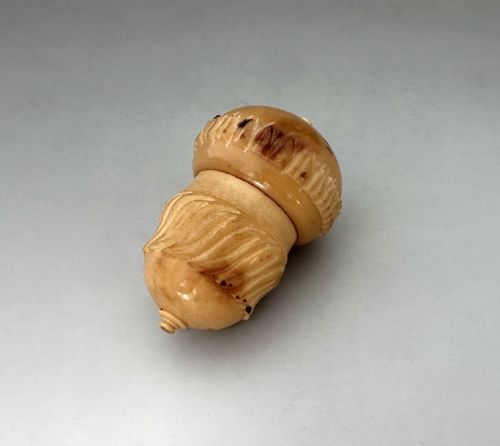
Many items incorporate contrasting elements such as steel for scissor blades, bone, corozo nut, and tortoiseshell for structural cases. Velvet, silk, and leather lined the interior of sewing boxes and fitted compartments.
Enamel work appears on select pieces, adding coloured decoration to sterling silver thimbles through high-temperature firing.
Sewing gear took delightfully surreal turns, from wheelbarrows to swimming goldfish acting as pin cushions.
What varies in quality
The standard of workmanship in chasing and casting dictates the refinement of a piece, particularly in novelty forms like animal and object pin cushions. Crisp detailing on the silver surface separates standard production items from master-worked objects.
The integration of mixed materials alters the overall character, where well-preserved textiles, tortoiseshell, and intact enamel elevate the piece. Maker attribution, such as marked work by known silversmiths, adds distinct provenance to the item.
Adie & Lovekin·David Andersen·Charles Horner
The Antique Silver Needlework Tools Glossary
- Etui
- A small ornamental box or case used for holding needles, cosmetics, or other small articles. These portable containers often featured fitted interiors for specific sewing tools.
- Chatelaine
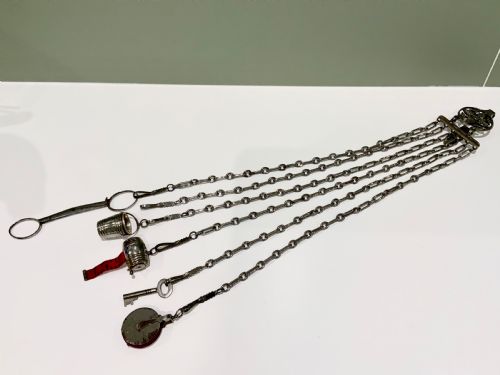
- A decorative belt hook worn with a series of suspended chains carrying household implements such as scissors, thimble cases, and keys. They combined practical utility with ornamental display.
- Silver gilt
- Silver that has been coated with a thin layer of gold, providing the warm tone of gold while utilising silver as the base metal.
- Corozo nut
- The hard, durable seed of the tagua palm, frequently carved into small containers and thimble cases due to its dense texture resembling ivory.
- Pin cushion
- A small stuffed pad or novelty form designed to hold pins safely at hand during sewing work, often modelled in whimsical shapes.
Antique Silver Needlework Tools: Frequently Asked Questions
What are antique silver needlework tools?
These items are small implements and containers created for sewing and embroidery tasks, fashioned from silver alongside materials like steel, bone, and velvet.
They range from individual thimbles and scissors to elaborate pin cushions and fitted boxes designed for personal use.
How were silver sewing accessories used?
Owners utilised them during domestic needlework, keeping specialised tools close at hand either in sewing boxes or suspended from chatelaines at the waist.
Novelty pin cushions and thimble cases served both a practical purpose and a decorative function within the Victorian parlour.
How do I identify Victorian pieces?
Victorian examples often display hallmarks indicating the assay office and date, alongside stylistic traits typical of the nineteenth century.
Makers such as Charles Horner left specific marks that help date silver thimbles and related sewing gear accurately.
How should I display sewing boxes?
Place fitted boxes and etuis on stable surfaces away from direct sunlight to protect internal silk, velvet, and leather linings.
Keep novelty pin cushions and thimble cases in dry environments to preserve the condition of both the silver and the secondary materials.