

Antique Silver Marker
An antique silver marker covers small table accessories and reading tools, offering tactile charm and refined craftsmanship for desk and dining settings.
Antique Silver Marker
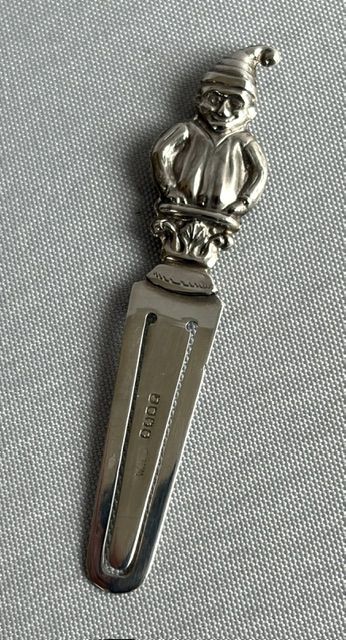
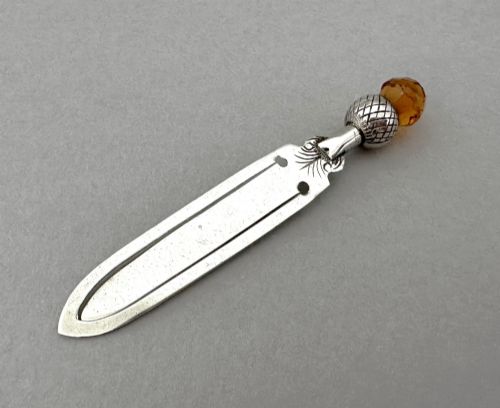
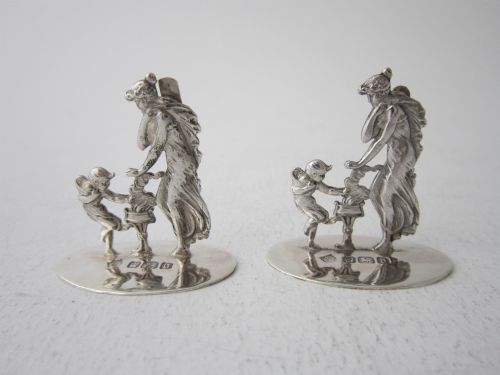
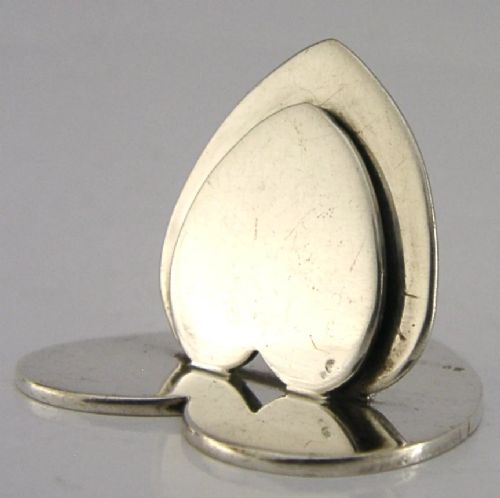
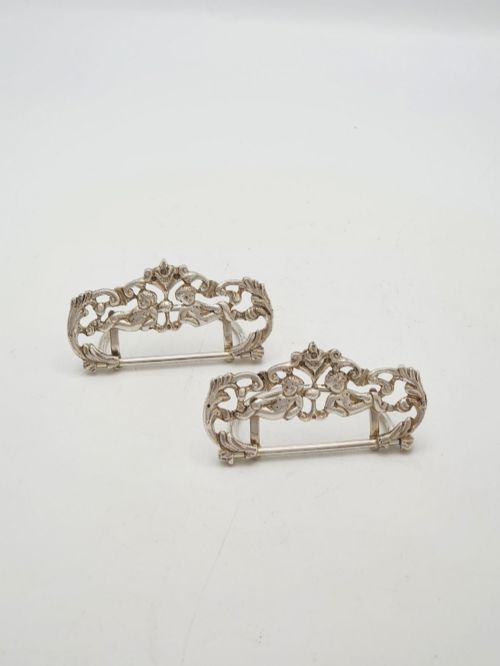
When you search for an antique silver marker, you encounter functional items designed for dining tables and writing desks during the late Victorian and Edwardian eras. These objects include menu holders, place card holders, and decorative bookmarks that served polite society.
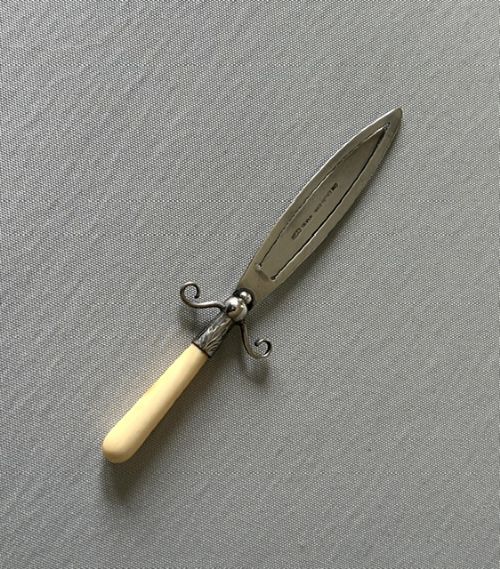
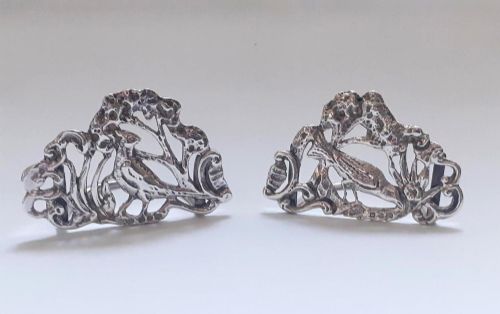
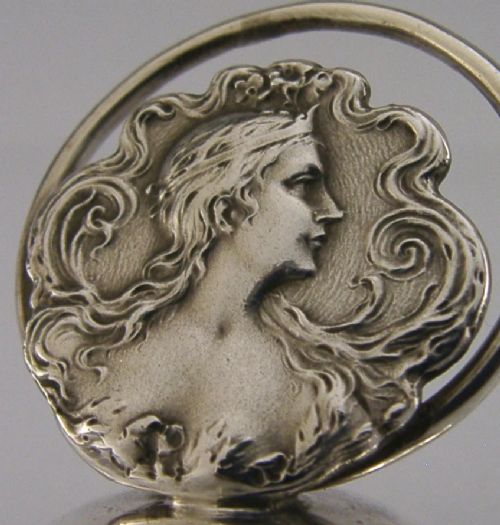
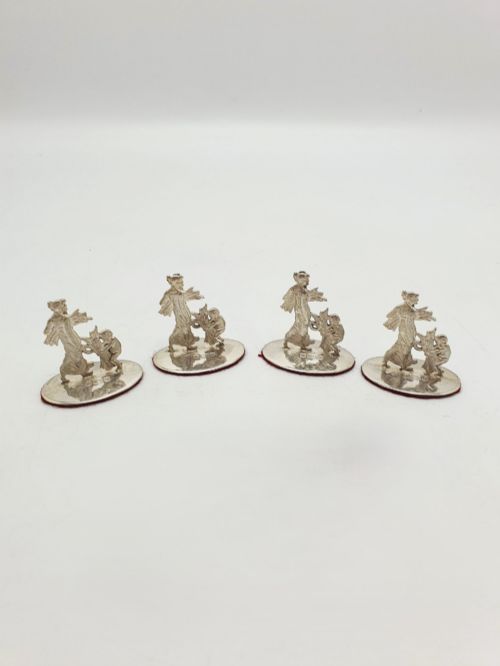
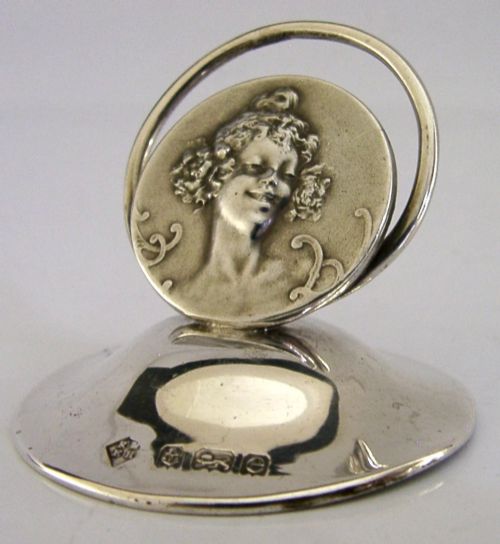
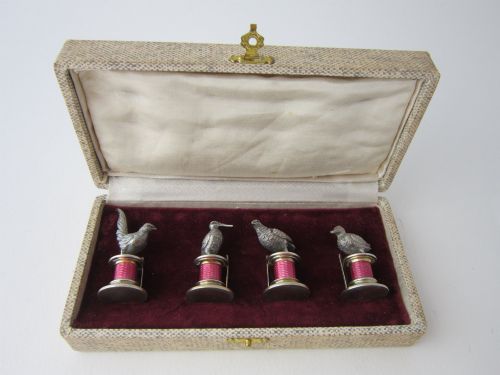
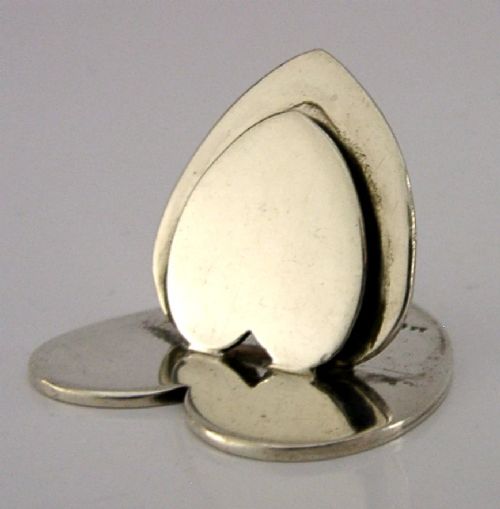
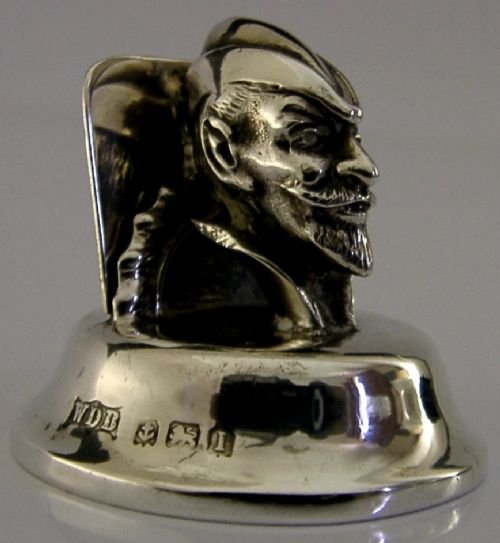
The pieces on this page span several distinct forms, most frequently appearing as figural or novelty menu holders alongside trowel and dagger shaped bookmarks. Makers applied significant sculptural effort to small items, rendering animals, maidens, and architectural motifs in miniature.
Origins stretch from the late nineteenth century through to the interwar period, with heavy representation from Edwardian workshops. You find items produced in regional assay offices across England and Scotland, reflecting varied local tastes.
Materials and construction
Silversmiths utilised sterling silver and silver plate as primary structural elements, often combining them with contrasting materials like mother of pearl, enamel, and banded agate. Handles on bookmarks frequently feature carved mother of pearl or polished stone blades secured to silver mounts.
Techniques relied on casting for figural elements such as owls, cherubs, and horses heads, paired with hand engraving and piercing for flat bookmark blades. Enamel work added colour to select menu holders, fused directly to the silver base by skilled artisans.
Antique Silver Marker Retail Price Guide 2026
Typical asking prices for silver marker among the pieces listed under this phrase on Sellingantiques today, from the lower quarter to the upper quarter. They describe what is for sale here now, not the wider market.
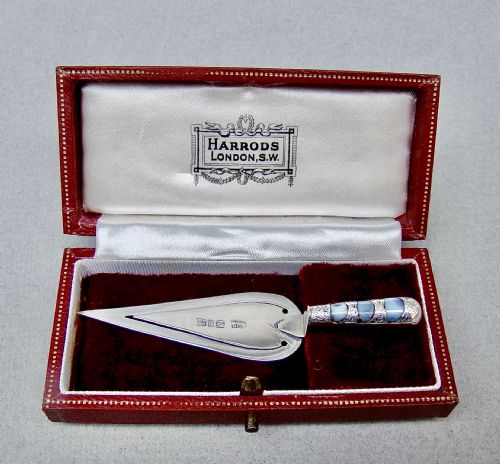
Victorian makers turned mundane masonry tools into elegant reading accessories by crafting miniature trowel bookmarks out of polished silver and banded agate.
Assessing craftsmanship and execution
Quality in these small pieces rests on the crispness of the casting and the depth of hand chasing. Superior items display sharp details on animal feathers and facial expressions, whereas lesser examples show smoothed contours from worn dies.
The structural integrity of hinges on folding menu holders and the secure seating of inserts like enamel or mother of pearl distinguish workshop standards. Maker attribution also influences standing, as established firms maintained stricter tolerances for finishing and assay marking.
Sampson Mordan·Crisford and Norris·Adie and Lovekin·Liberty
The Antique Silver Marker Glossary
- Assay mark
- A stamp indicating the standard of silver purity and the office of testing. These marks provide official verification of metal content and year of manufacture.
- Trowel bookmark
- A flat reading accessory shaped like a miniature builder's trowel. This specific novelty form enjoyed popularity during the Victorian and Edwardian periods.
- Menu holder
- A small upright frame designed to display dinner menus or guest names on a dining table. They frequently take figural or architectural shapes.
- Sterling silver
- An alloy consisting of ninety-two point five percent silver and seven point five percent other metals, usually copper. British pieces carry the lion passant mark to signify this standard.
- Chasing
- A metalworking technique where the artisan hammers the front of the metal to raise a design in relief. This creates texture and dimension on small silver surfaces.
Antique Silver Marker: Frequently Asked Questions
What is an antique silver marker used for?
These pieces served practical roles in formal dining and reading routines. Menu and place card holders organised seating arrangements and food selections at dinner parties.
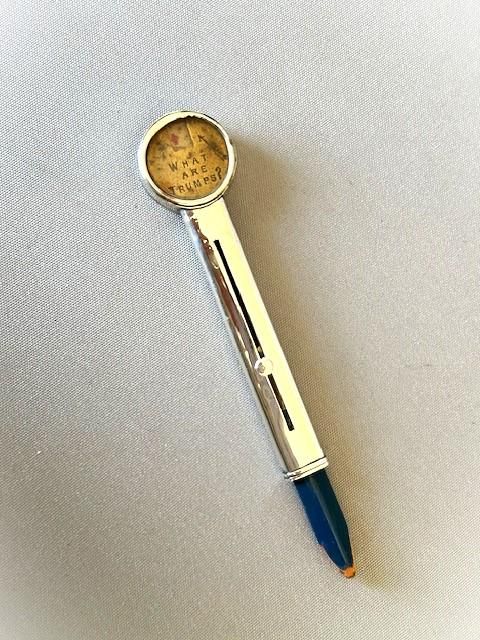
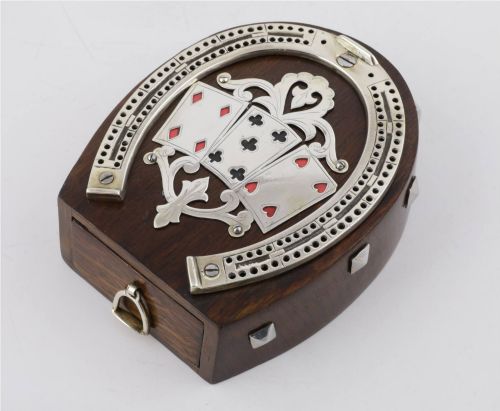
Bookmarks held pages in books, while specialised items like trump markers kept score during card games. Today, they function as decorative desktop objects or table accessories.
How do I date an antique silver marker?
Dating relies primarily on the hallmarks stamped into the metal by official assay offices. These include date letters, maker's marks, and standard purity symbols.
Stylistic cues also help, as Art Nouveau curves indicate the early nineteen hundreds while geometric lines point toward the nineteen twenties and thirties.
Are these silver markers made of solid silver?
Many items feature solid sterling silver construction, evidenced by standard British hallmarks like the lion passant. Other pieces utilise silver plate over a base metal core.
Descriptions specify the material, distinguishing solid sterling pieces from plated or mixed media examples.
How should I clean antique silver markers?
Maintenance requires gentle cleaning with a soft cloth designed for silver to preserve delicate details and hallmarks. Avoid harsh chemical dips, especially on pieces incorporating enamel, mother of pearl, or velvet.
Regular light dusting prevents tarnish build-up without wearing down the raised portions of chased designs.