






Antique Silver Lid Pot
An antique silver lid pot brings substance to a dressing table or desk, pairing solid metal with glass, crystal or ceramic.
Antique Silver Lid Pot
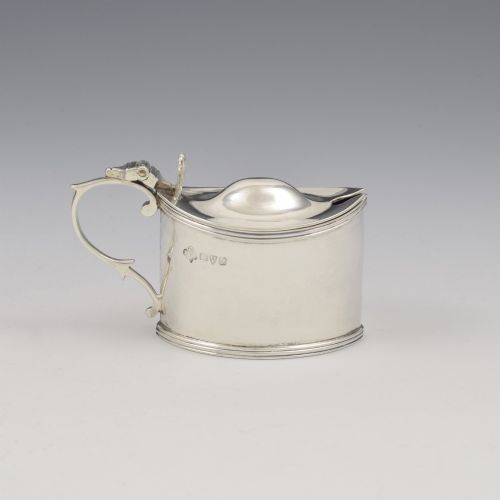
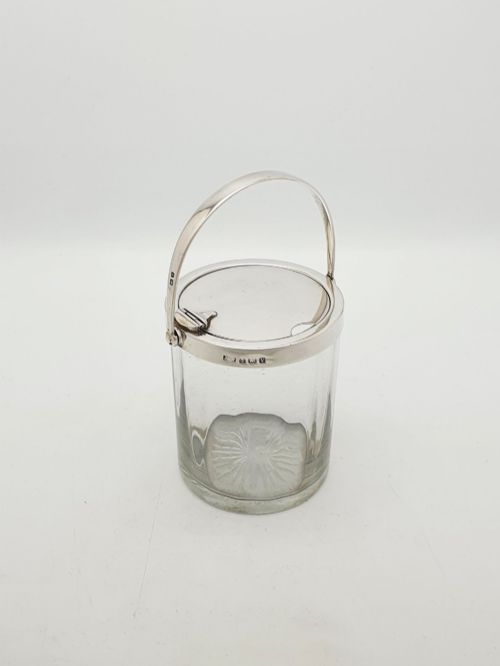
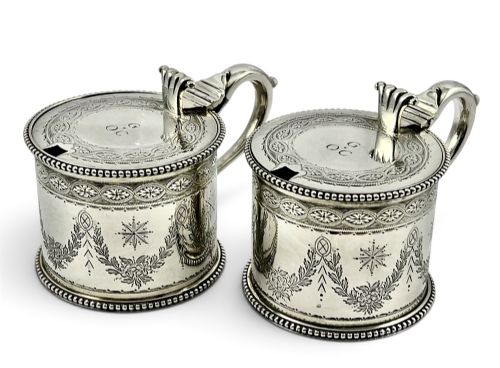
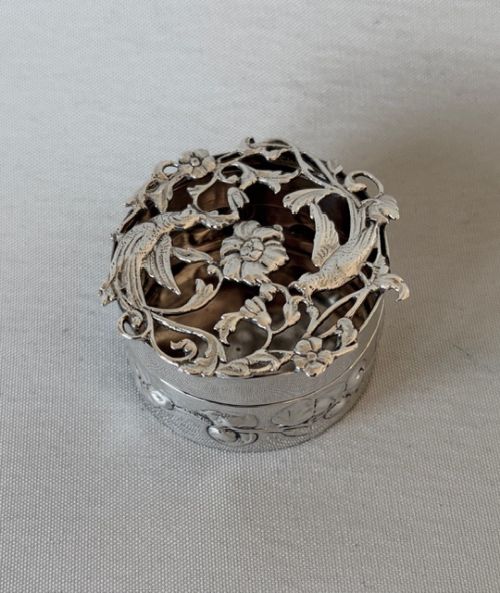
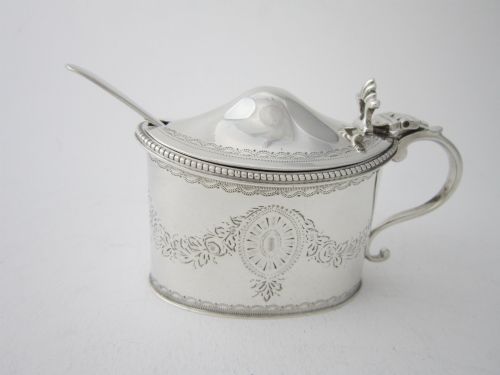
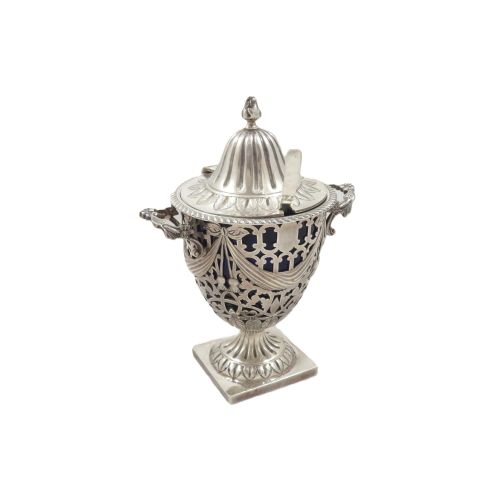
When you search for an antique silver lid pot, you encounter an array of small vessels designed for the dressing table, desk and dining table. The selection spans trinket boxes, vanity jars, inkwells, mustard pots and biscuit barrels.
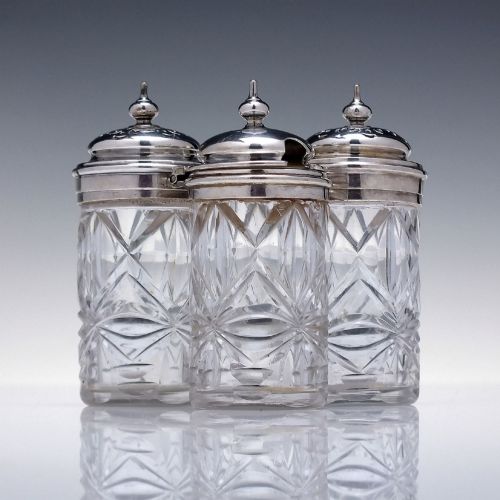
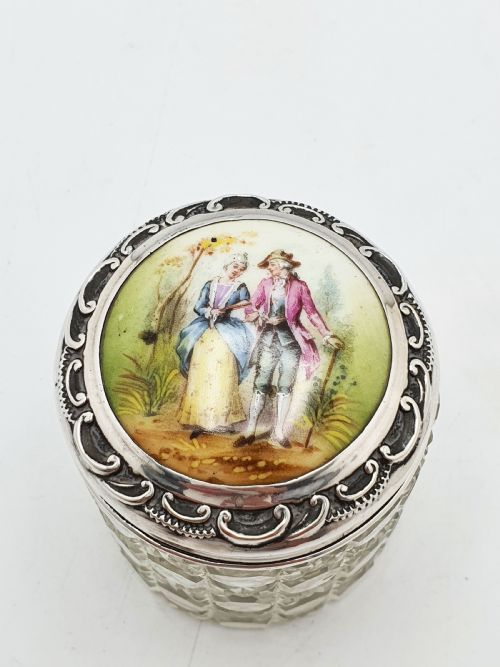
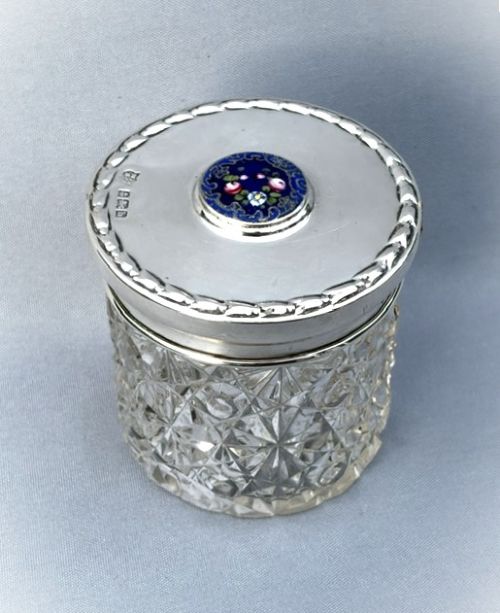
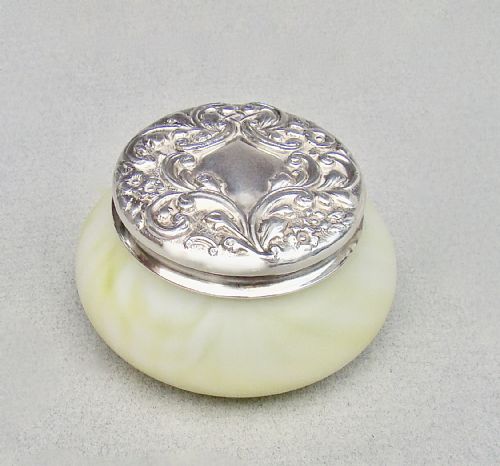
The pieces on this page originate predominantly from the Victorian, Edwardian and Georgian periods, alongside Art Deco and Art Nouveau examples. You will frequently find glass or crystal bodies fitted with sterling silver or silver-plated mounts and hinged lids.
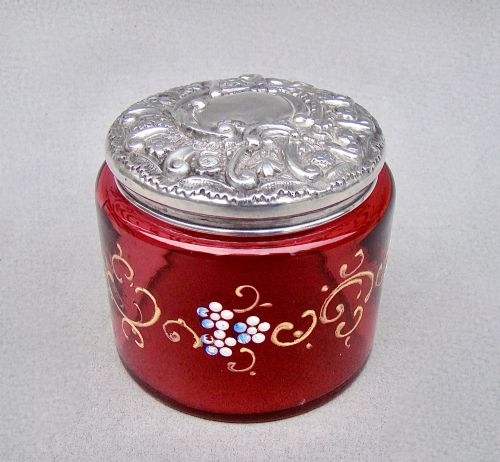
Beyond standard glass and crystal, makers utilised coloured materials such as cranberry glass, satin glass, amethyst glass and ceramic bodies including stoneware and porcelain. Some items feature hand-painted plaques, enamel work or tortoiseshell insets set into the silver covers.
How They Were Made
The construction of these pots combines metalsmithing with glassblowing, cutting or ceramic production. Silversmiths hammered, spun or cast sterling silver and silver plate to form collars, mounts and hinged lids, applying hallmarks to attest to metal purity and origin.
Glass bodies were blown into moulds or free-blown, then finished with wheel-cutting, facet-cutting or overlay techniques. Ceramic and stoneware bodies were thrown or moulded, glazed, and occasionally paired with hand-engraved floral designs or woven handles.
Antique Silver Lid Pot Retail Price Guide 2026
Typical asking prices for silver lid pot among the pieces listed under this phrase on Sellingantiques today, from the lower quarter to the upper quarter. They describe what is for sale here now, not the wider market.
Listings feature items spanning the Georgian, Victorian and Edwardian eras, executed in sterling silver, cut glass, enamel and ceramic.
What Varies in Quality
Quality reveals itself in the weight and thickness of the silver lid and its mount, as well as the crispness of the hallmarks and hand-engraving. Thicker silver resists denting and maintains a tight fit on the hinge over decades of use.
The clarity and depth of the glass or crystal body separate standard items from superior works. Deep wheel-cutting, heavy lead crystal, high-grade enamel work, and specialised glass types such as Kralik or cranberry glass elevate the standing of a piece.
A. J. Pepper & Co·A. Bromet & Co·Charles & George Fox·Robert Hennell I·Asprey
The Antique Silver Lid Pot Glossary
- Hallmark
- Official marks stamped into silver that indicate the maker, assay office, standard of purity and year of manufacture. These symbols provide a reliable method for dating British pieces.
- Trinket box
- A small container with a lid, historically used on dressing tables for jewellery or small personal accessories. They often feature glass or crystal bodies with sterling silver mounts.
- Cranberry glass
- A rich red glass coloured with gold chloride during the manufacturing process, popular in Victorian and Edwardian tablewares and vanity items. It creates a distinctive deep pink or ruby hue.
- Mount
- The metal rim, collar or band fitted to the neck or opening of a glass or ceramic pot to secure the hinged lid. Mounts are typically made from sterling silver or silver plate.
- Pot pourri basket
- An open-work or pierced metal vessel designed to hold dried fragrant plant materials. The pierced lid allows scents to diffuse into a room while keeping contents contained.
Antique Silver Lid Pot: Frequently Asked Questions
How do I date a silver lidded pot?
Dating relies primarily on the hallmarks stamped into the silver components by the assay office. These marks include date letters and maker's marks that pinpoint the exact year and workshop.
Style also provides guidance, as Georgian pieces tend toward classical simplicity, Victorian items display ornate decoration, and Edwardian or Art Deco pots show lighter forms or geometric lines.
Were these pots used for cosmetics?
Many vanity jars, rouge pots and dressing table containers held powders, creams, unguents and perfumes. The tight-fitting silver lids helped preserve the contents and protected them from dust.
Other vessels served different domestic functions, such as inkwells for writing desks, mustard pots for dining tables, and biscuit barrels for entertaining.
How should I clean silver mounts on glass?
Clean the silver mounts using a soft cloth and a specialised silver polish, taking care to avoid getting polish onto the glass, enamel or ceramic surfaces. Gentle application prevents damage to surrounding materials.
Wash the glass or crystal body separately in warm, soapy water and dry thoroughly with a lint-free cloth to restore clarity without stressing the metal hinge.
What is the difference between sterling and plate?
Sterling silver contains a guaranteed minimum proportion of pure silver alloyed with other metals for strength, usually marked with a lion passant on British pieces. It holds intrinsic value and develops a deep patina over time.
Silver plate consists of a base metal, such as copper or brass, coated with a thin layer of pure silver. Plated items offer the appearance of solid silver at a different level of manufacture.