

Antique Silver Keepsakes
These antique silver keepsakes are small, personal treasures spanning Victorian, Edwardian, and Georgian periods, offering tangible history and lasting craftsmanship for collectors.
Antique Silver Keepsakes
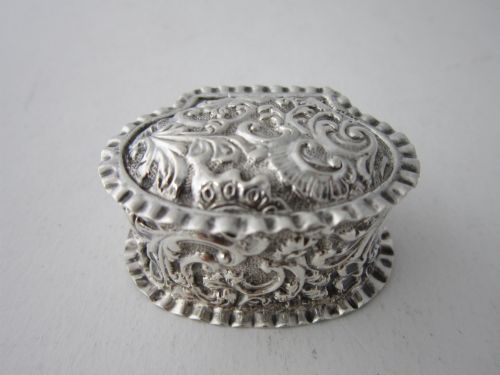
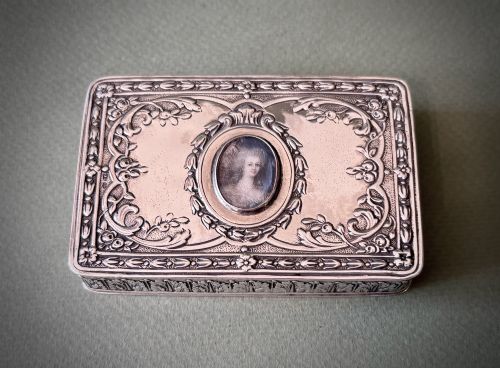
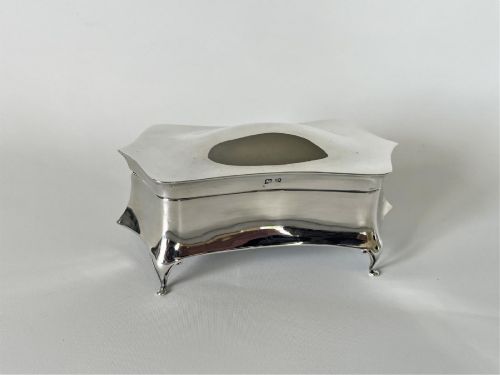
When searching for antique silver keepsakes, buyers examine an array of small personal containers and wearable items including trinket boxes, pill boxes, snuff boxes, and lockets. These objects served functional purposes in past centuries, from holding tobacco and medicinal pills to preserving locks of hair and miniature portraits.
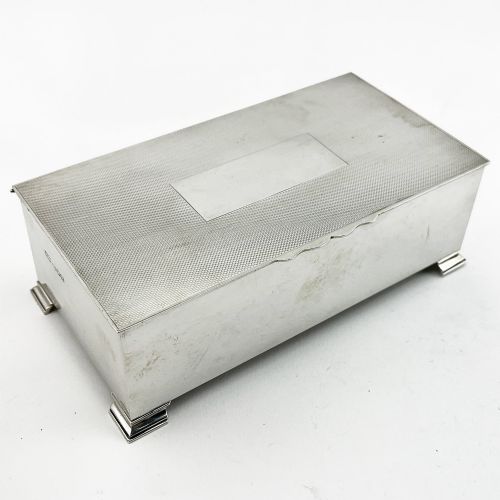
The pieces available span multiple eras, with Victorian and Edwardian examples appearing most frequently alongside Georgian and mid-century items. Forms range from simple engraved silver cases to larger fitted jewellery and cigar boxes incorporating wood, glass, and tortoiseshell.
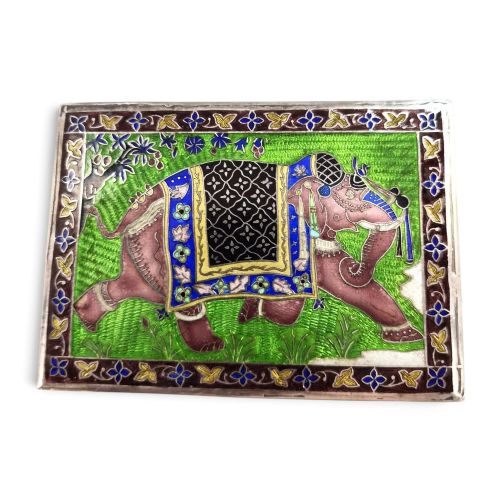
Origin and design styles vary considerably across the selection, featuring British sterling pieces alongside continental European silverwork and occasional Indian enamel items. Stylistic influences include Rococo Revival, Art Nouveau, Arts and Crafts, and Art Deco, reflecting the changing tastes of their original owners.
Materials and Methods
Makers utilised sterling silver and solid silver as the primary structural and decorative medium, often shaping the metal through pressing, casting, and hand engraving. Many boxes and lockets combine this silver with organic materials such as tortoiseshell, oak, and glass to create textured, contrasting surfaces.
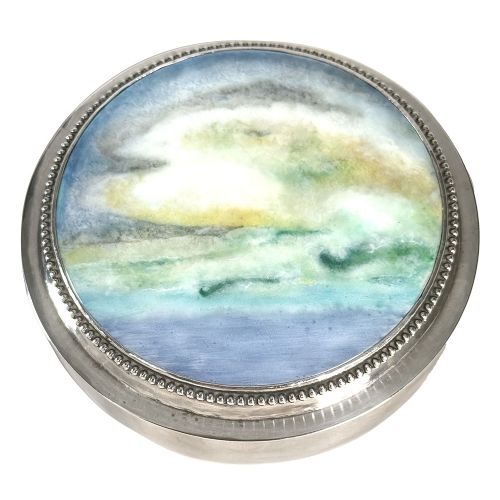
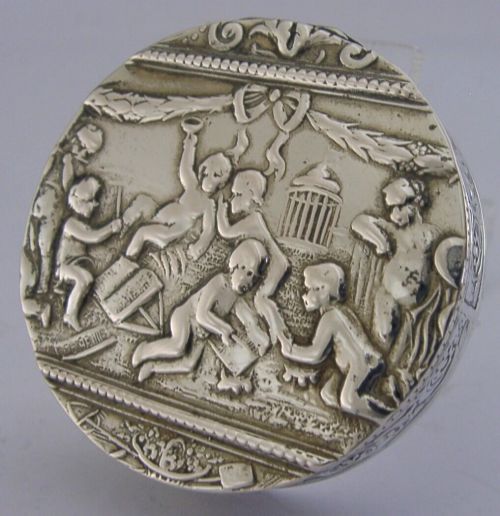
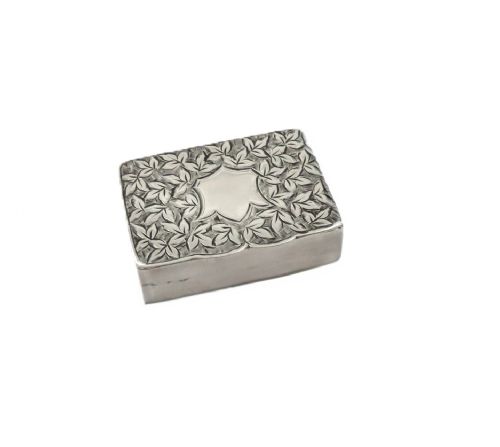
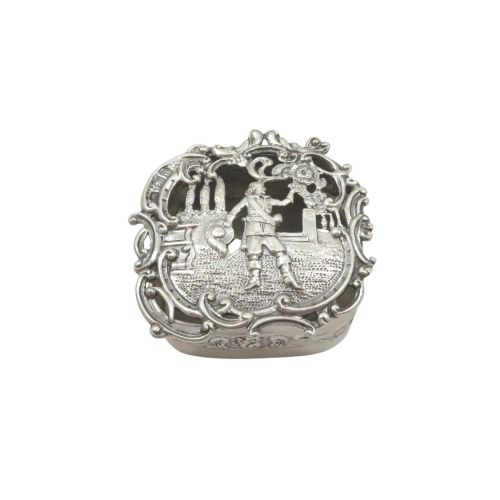
Surface ornamentation involved specialised techniques like piercing, chasing, and enamelling, as seen in colourful cloisonné work and delicate pictorial scenes. Functional elements such as hinges, bezels, and screw mechanisms required precise metalworking to ensure secure closures for small keepsakes.
Listings feature items from Victorian, Edwardian, and Georgian periods, incorporating sterling silver, tortoiseshell, oak, and enamel.
Distinctions in Quality
Quality in these pieces rests upon the crispness of the original chasing and engraving, where deeper, hand-cut lines retain their definition better than worn or shallow stampings. The thickness of the silver gauge also dictates durability, separating robust table boxes from thin, easily dented novelty items.
Interior execution marks the difference between standard production and superior workshop output, particularly in fitted velvet linings, secure tortoiseshell inlays, and well-fitted hinges that close with a precise click. Maker marks and clear hallmarks provide further indication of origin and standard.
Mappin & Webb·Edward Smith·Sigvard Bernadotte·Georg Jensen
The Antique Silver Keepsakes Glossary
- Vinaigrette
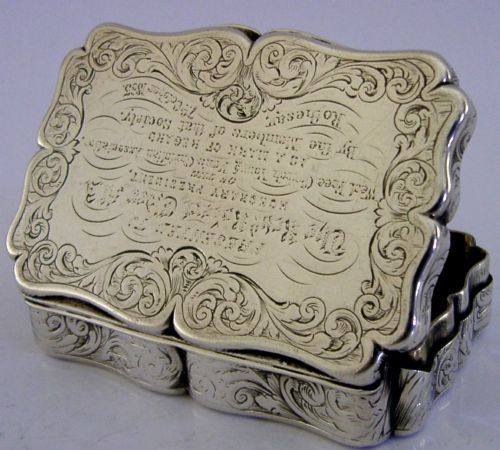
- A small ornamental box containing a perforated grille, used to hold a sponge soaked in aromatic vinegar. These Georgian and Victorian pieces were carried in pockets or handbags to mask unpleasant odours.
- Snuff box
- A small, tightly sealed container designed to hold ground tobacco for nasal ingestion. They often feature hinged lids and gilt interiors to prevent corrosion from the tobacco.
- Locket
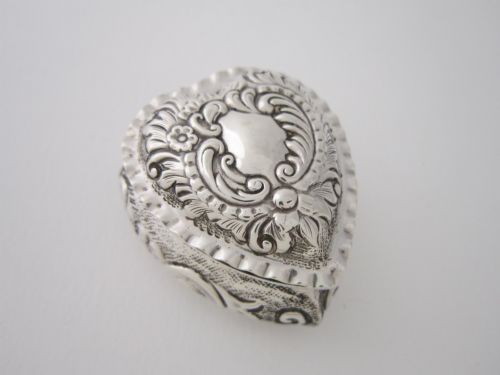
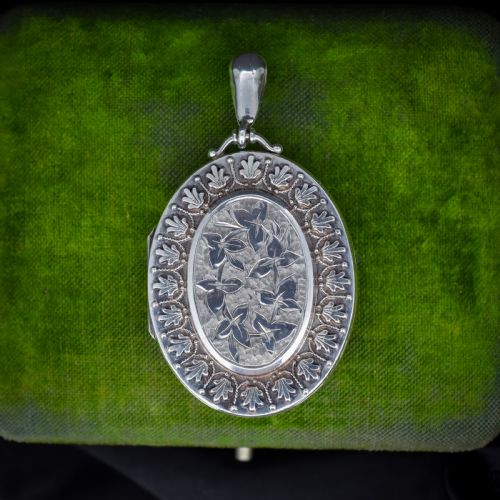
- A small hinged pendant designed to open and reveal space for photographs, hair, or tiny mementos. They appear in oval, heart, and cross shapes across the Victorian and Edwardian periods.
- Cartouche
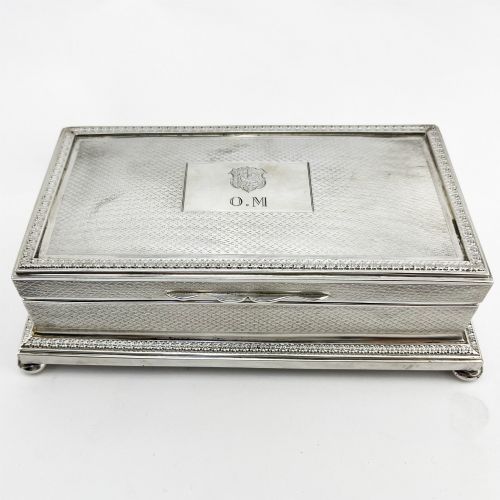
- An ornate framed panel, often circular or oval, left blank or engraved with initials and crests on the lids of boxes. This decorative device provides a focal point on otherwise plain silver surfaces.
- Tortoiseshell
- The mottled brown and amber shell of the hawksbill turtle, utilised as an overlay on wooden boxes and jewellery caskets. It is frequently paired with silver pique work and mounts.
Antique Silver Keepsakes: Frequently Asked Questions
What were antique silver pill boxes used for?
These small containers held medicinal pills, lozenges, or breath fresheners that owners carried discreetly in pockets or reticules during the Georgian and Victorian eras.
Their secure hinged lids prevented delicate pills from crushing, while silver construction offered a hygienic and portable storage solution for daily remedies.
How do I date an antique silver keepsake?
Dating relies primarily on hallmarks stamped into the silver, which record the assay office, standard mark, and date letter assigned by the guild. Stylistic clues such as Art Nouveau curves or Victorian engraving also help narrow the production era.
Matching the construction techniques, such as hand-riveted frames or machine-stamped panels, provides additional confirmation of the period.
How should I clean antique silver boxes?
Careful dusting with a soft, lint-free cloth removes surface grime without wearing down delicate engravings or thin silver plating. Avoid harsh liquid dips, particularly on pieces that combine silver with tortoiseshell, wood, or fabric linings.
Store items away from direct sunlight and damp environments to protect organic components like amber-toned shell and velvet interiors.
What is the difference between a trinket box and a jewellery box?
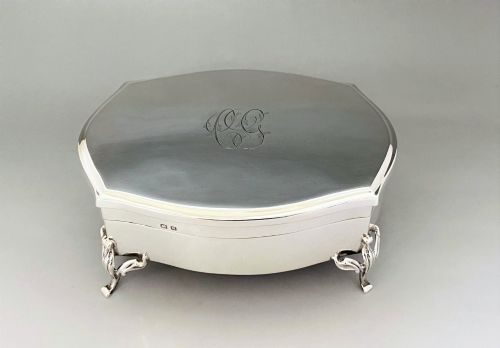
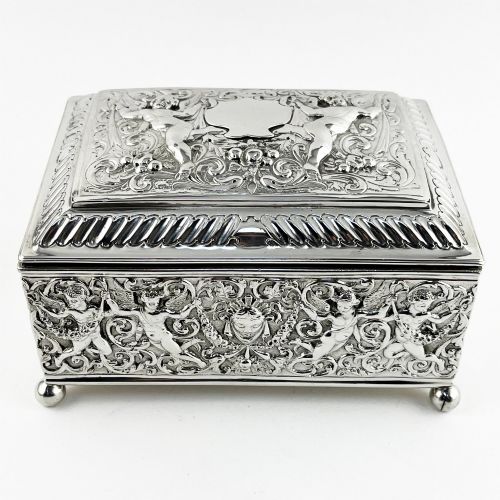
Trinket boxes are typically smaller vessels designed to hold loose coins, stamps, or small personal items on a dressing table. Jewellery boxes are larger, often fitted with internal compartments and velvet or silk trays specifically for rings, necklaces, and brooches.
Many larger examples incorporate materials like oak and tortoiseshell to provide greater structural rigidity for heavier ornaments.