


Antique Silver Keepsake
An antique silver keepsake is a small, portable repository for personal mementos, offering a tangible connection to past eras through precious metal and careful craft.
Antique Silver Keepsake
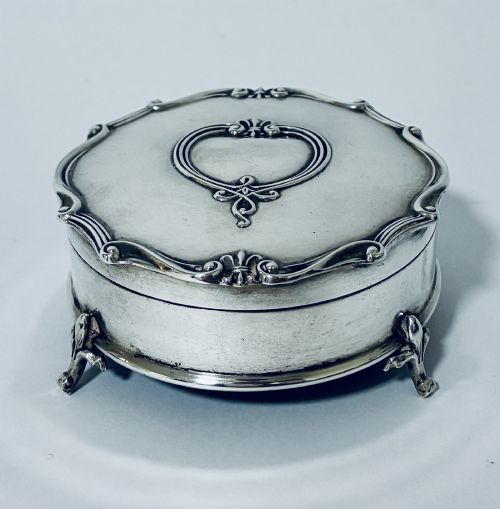
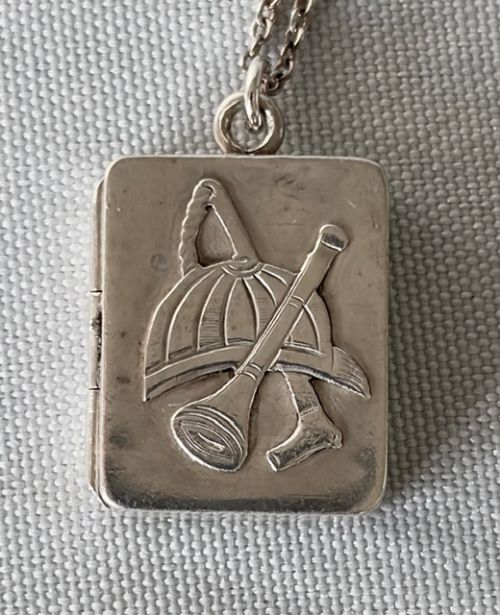
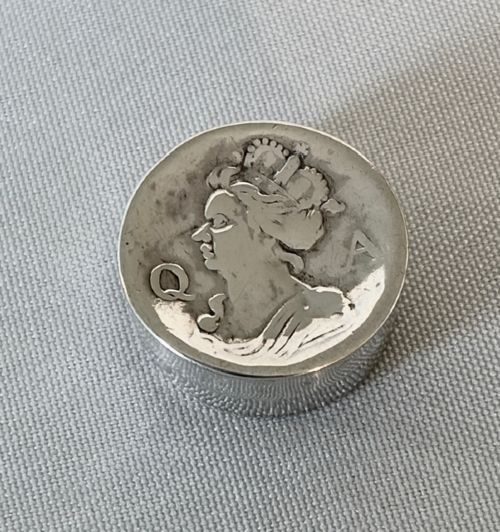
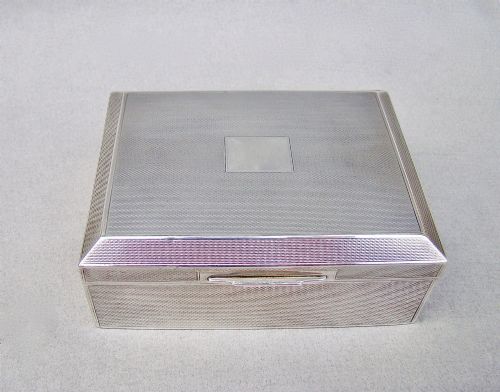
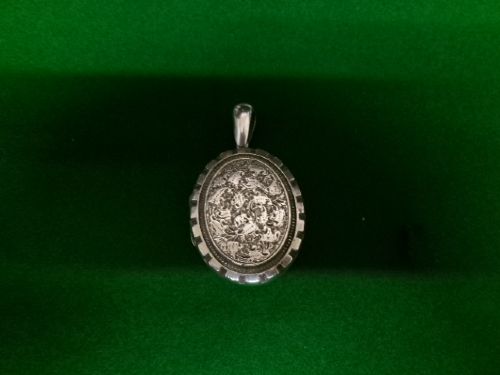
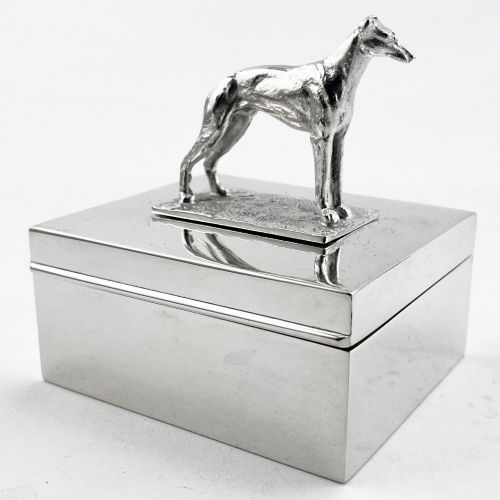
An antique silver keepsake encompasses a variety of small containers and personal items designed to hold valuables, such as trinket boxes, pill boxes, snuff boxes, and lockets. These objects originate from several distinct periods, with Victorian and Edwardian examples appearing frequently alongside Georgian, Art Deco, and Arts & Crafts pieces.
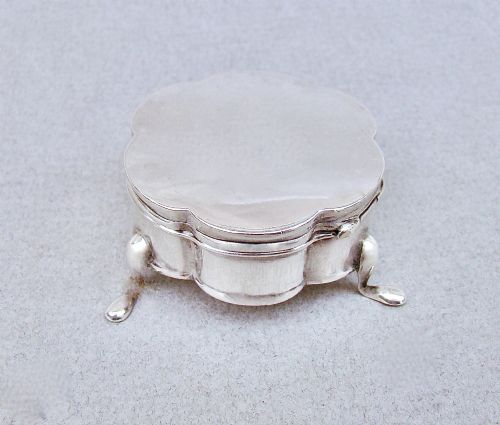
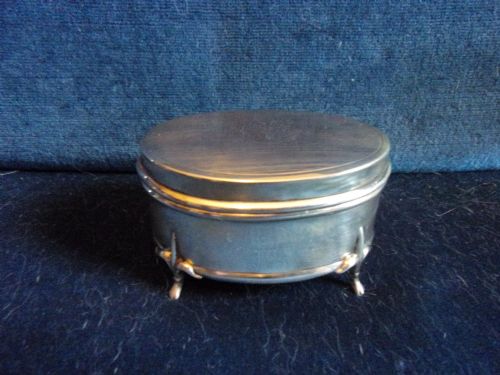
The functional forms range from table boxes and fitted jewellery boxes to pocket-sized pill boxes and pendant lockets worn close to the body. Makers utilised sterling silver and solid silver predominantly, often combining the metal with glass, wood, or enamel to create utilitarian yet decorative items.
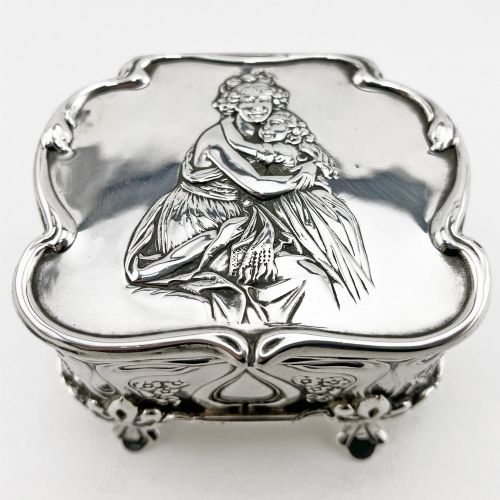
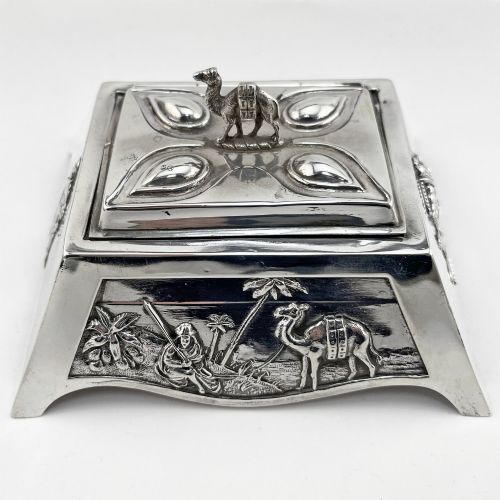
Buyers will encounter items shaped as hearts, ovals, and cartouches, alongside figural scenes and pierced designs. Each object reflects the prevailing aesthetic of its decade of manufacture, shifting from ornate Victorian engraving to clean Art Deco lines.
Materials and Technique
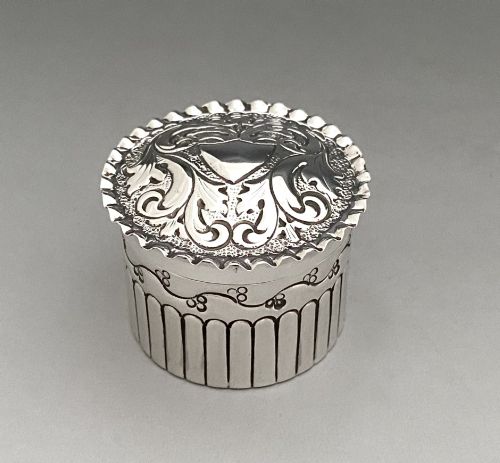
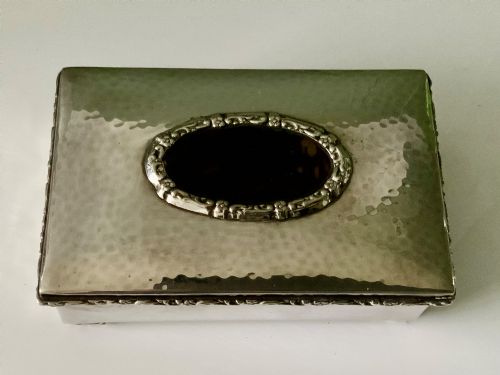
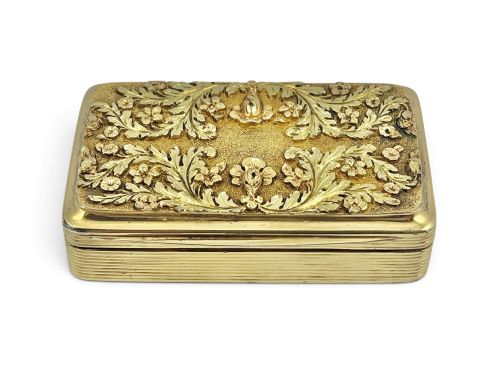
Silversmiths constructed these keepsakes using sterling silver and solid silver, shaping the metal through hammering, casting, and piercing techniques. Many pieces feature detailed hand engraving, repoussé work, or applied mounts that demonstrate the manual skill of the maker.
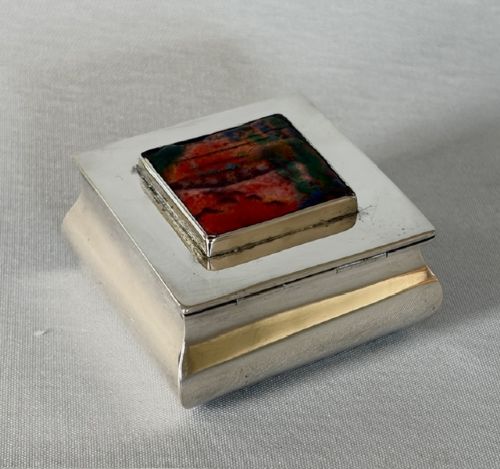
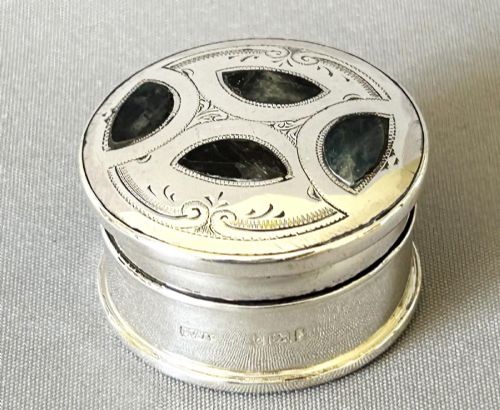
Makers frequently combined silver with organic and mineral materials such as tortoiseshell, oak, glass, and colourful enamel plaques. These contrasting elements were fitted into or onto the silver framework using rivets, hinges, and bezels.
Internal elements often included fitted velvet or silk linings for jewellery boxes, while smaller patch and pill boxes relied on precise friction fits and tight hinges to secure their contents.
Antique Silver Keepsake Retail Price Guide 2026
Typical asking prices for silver keepsake among the pieces listed under this phrase on Sellingantiques today, from the lower quarter to the upper quarter. They describe what is for sale here now, not the wider market.
The Measure of Quality
Quality in these pieces rests upon the crispness of the original chasing and engraving, and the structural integrity of hinges and closures. Superior examples exhibit deep, clear hallmarks and retain the precise alignment intended by the silversmith.
The integration of secondary materials also dictates the standard of a piece, separating basic production items from works involving meticulous enamel work or carefully selected tortoiseshell panels.
Guild of Handicrafts·Mappin & Webb·Edward Smith·Georg Jensen
The Antique Silver Keepsake Glossary
- Sterling silver
- An alloy of silver containing 92.5 percent pure silver and 7.5 percent other metals, usually copper, ensuring durability for small portable items.
- Hallmark
- A series of official marks stamped on items to show the metal standard, the assay office, and the date letter corresponding to the year of manufacture.
- Vinaigrette
- A small ornamental box featuring an internal pierced grille, designed to hold a sponge soaked in aromatic vinegar.
- Repoussé
- A metalworking technique where the smith pushes the silver design out from the reverse side using hammers and punches.
- Cartouche
- An ornamental tablet or oval frame design, often left blank or engraved with initials on the lid of a box.
Antique Silver Keepsake: Frequently Asked Questions
What did people keep inside an antique silver keepsake?
These small containers held personal valuables such as folded love letters, locks of hair, medicinal pills, and dry snuff. Lockets worn around the neck specifically served to keep photographic portraits or miniature paintings close to the heart.
Larger table boxes accommodated rings, loose cufflinks, and delicate lace handkerchiefs. The internal layout usually reflected the specific intended cargo, from velvet ring rolls to open compartments.
How do I identify the date of a silver keepsake?
The most reliable method is reading the stamped hallmarks, which typically include a maker's mark, a standard mark for sterling, an assay office symbol, and a specific date letter. Comparing the overall style, such as the curved motifs of Art Nouveau or the geometric lines of Art Deco, also helps narrow down the decade.
Examining the construction methods, such as the type of hinge or the style of engraving, provides additional contextual clues regarding the period of production.
How should I clean silver keepsakes with enamel or tortoiseshell?
Keepers containing delicate inserts like enamel, tortoiseshell, or wood require much more care than plain metal pieces. You should avoid submerging them in liquid cleaning solutions, as moisture can damage the internal linings or loosen adhesives.
Instead, use a soft, dry microfibre cloth to gently polish the silver areas, taking care to avoid abrasive polishes that might scratch softer organic materials or delicate glass components.
Why do some silver boxes feature pierced designs?
Pierced decoration, often seen in late Victorian trinket boxes, served a primarily decorative purpose to lighten the visual weight of the silver. These openwork patterns allowed coloured silk or velvet linings placed underneath to show through.
This technique required considerable skill from the silversmith, who had to pierce the metal cleanly by hand before filing the edges smooth.