






Antique Silver Jewellery Dish
An antique silver jewellery dish is a small vessel for holding precious ornaments, combining practical storage with the decorative arts of the Victorian and Edwardian periods.
Antique Silver Jewellery Dish
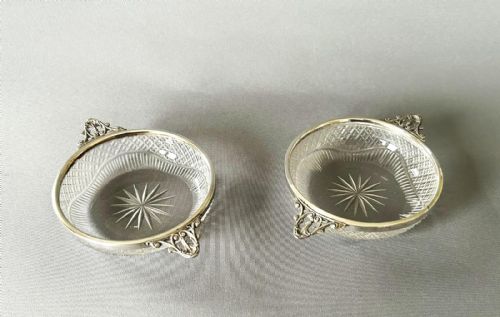
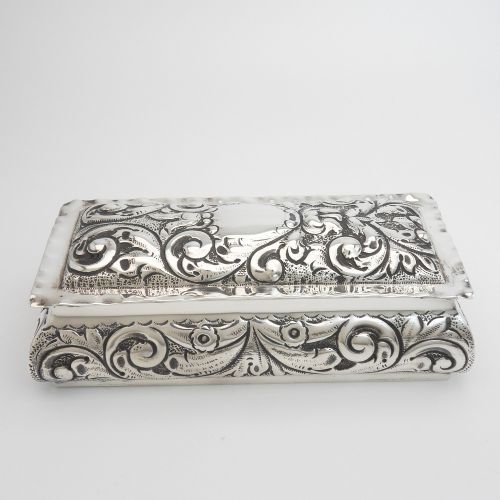
When you search for an antique silver jewellery dish, you encounter a variety of small receptacles designed for dressing tables and boudoirs. These range from open silver bowls and ring trees to lidded boxes, caskets, and cut glass vessels mounted in sterling silver.
The pieces appearing on this page originate predominantly from the late nineteenth century through to the early decades of the twentieth century, encompassing Victorian, Edwardian, and George V periods.
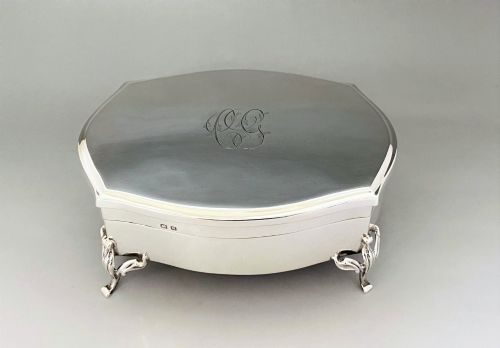
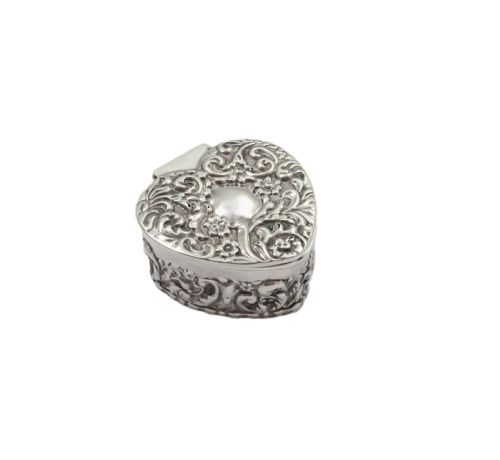
Forms include heart-shaped trinket boxes, oval containers with relief ornament, and fitted boxes lined for the safekeeping of rings and brooches.
Materials and construction
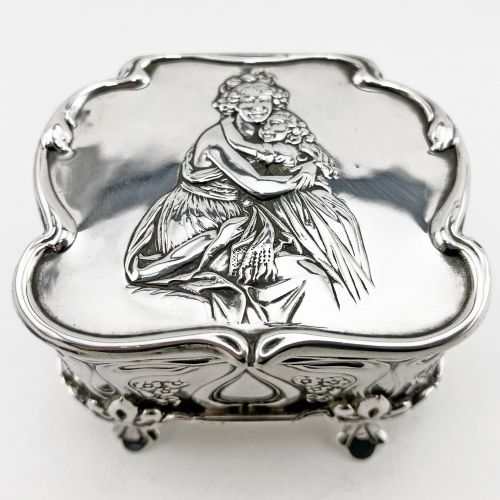
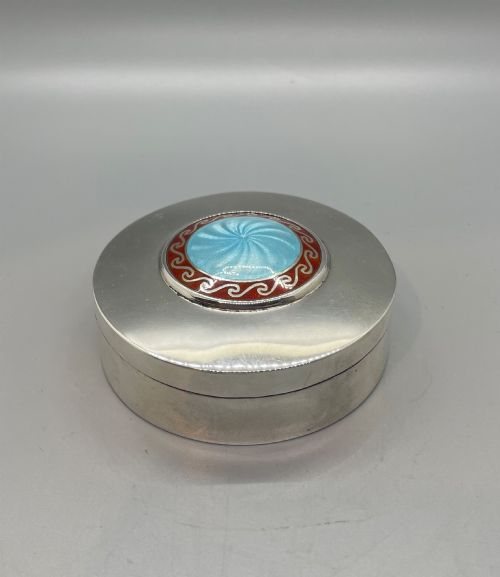
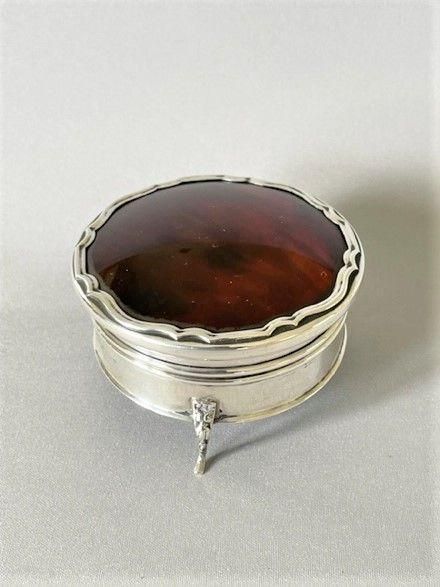
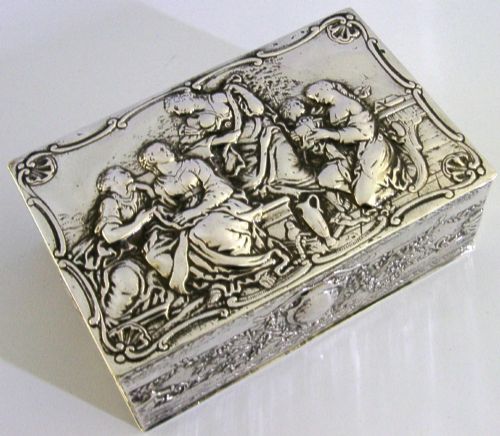
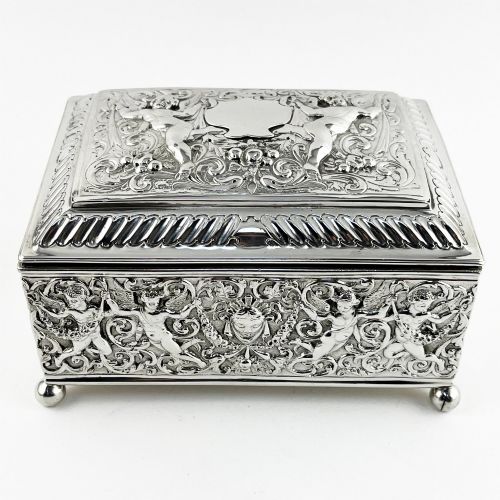
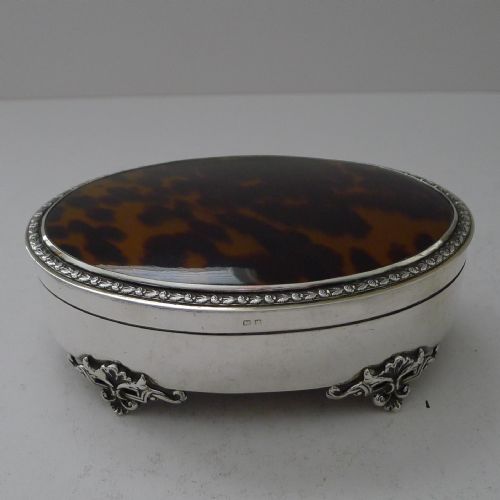
Silversmiths combined solid sterling silver and silver plate with contrasting elements such as tortoiseshell, cut glass, and vitreous or porcelain enamel. Many containers feature hinged lids, gilt interiors, and detailed repoussé work or cherub reliefs stamped into the metal.
Regional workshops utilised hallmarks to designate metal purity and assay offices in cities such as London, Birmingham, Sheffield, and Edinburgh, alongside continental European centres like Hanau and Frankfurt.
Antique Silver Jewellery Dish Retail Price Guide 2026
Typical asking prices for silver jewellery dish among the pieces listed under this phrase on Sellingantiques today, from the lower quarter to the upper quarter. They describe what is for sale here now, not the wider market.
Several boxes feature embossed cherubs lounging among chased clouds, keeping a watchful eye over discarded Victorian hatpins and Sunday rings.
Assessing craftsmanship and condition
Quality rests in the crispness of the chased or embossed detail on the silver surface and the precise fitting of secondary materials like tortoiseshell and enamel. Pieces with intact gilt linings and undamaged glass bodies demonstrate superior preservation.
Substantial weight in the silver and clear, legible hallmarks from recognised makers distinguish finer examples from standard production items.
A & J Zimmerman Ltd·Posen of Frankfurt and Berlin·Wang Hing and Company·William Neale and Sons·Henry Williamson Ltd·John Deakin
The Antique Silver Jewellery Dish Glossary
- Hallmark
- Official marks stamped on precious metals to indicate standard of purity, assay office, and year of manufacture. These stamps provide a reliable method for dating British items.
- Repoussé
- Metalworking technique where the silver is hammered from the reverse side to form a raised design in relief on the front. This method creates decorative panels depicting figures, flowers, and scrollwork.
- Guilloche
- Decorative engineering technique producing precise, intricate patterns engraved beneath a translucent layer of enamel. It appears frequently on Edwardian vanity items.
- Ring Tree
- A small vertical spindle mounted on a base designed to hold rings securely on a dressing table. They often feature weighted silver bases.
- Tortoiseshell
- The mottled brown and amber shell of the hawksbill turtle, utilised by silversmiths as an overlay on wooden or metal box lids. It provides a glossy, dark contrast to bright sterling silver mounts.
Antique Silver Jewellery Dish: Frequently Asked Questions
How do I date an antique silver box?
Dating relies primarily on the system of hallmarks stamped into the silver by British assay offices. A specific combination of maker marks, standard marks, and date letters reveals the exact year and location of manufacture.
Stylistic indicators such as enamel work or neoclassical revival motifs also help assign pieces to periods like the Edwardian era or late nineteenth century.
Were these items used for jewellery?
These vessels were created specifically for the boudoir to hold rings, brooches, pins, and small personal valuables. Fitted interiors often included velvet or silk linings to protect delicate gems from scratching.
Larger caskets accommodated multiple compartments for necklaces and larger ornaments, while smaller dishes held items removed before sleep.
How should I clean antique silver and enamel?
Silver requires gentle polishing with a soft cloth and proprietary silver cleaner designed to avoid abrasive damage to hallmarks and fine details. Enamel and tortoiseshell surfaces demand extra care, requiring only a dry or slightly damp cloth without chemical immersion.
Harsh dips can ruin the delicate bonds between silver mounts and organic inlays like tortoiseshell.