
Antique Silver Handle Dish
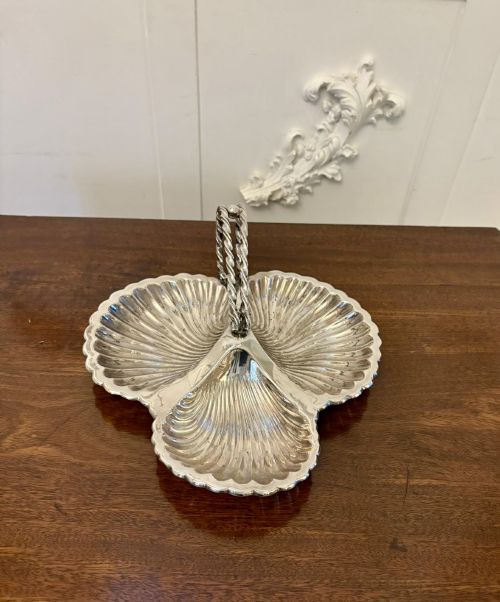
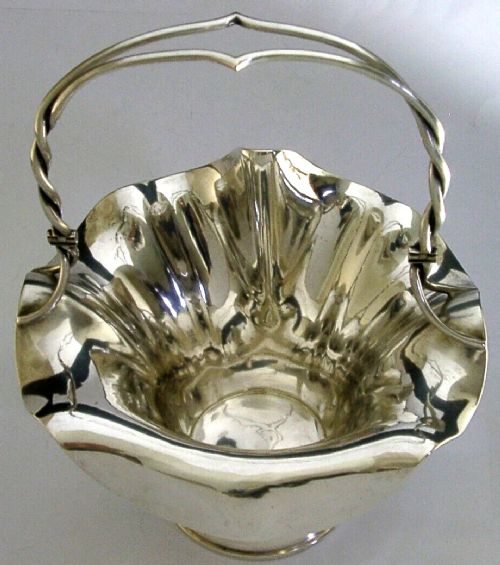
An antique silver handle dish brings centuries of tactile service to the table, combining solid metal and glass liners in forms designed for passing and presenting.
Antique Silver Handle Dish
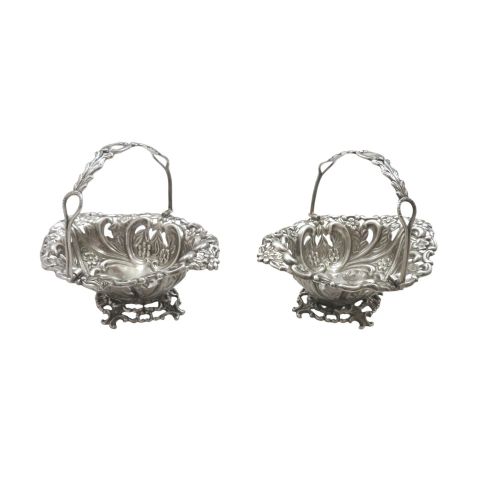
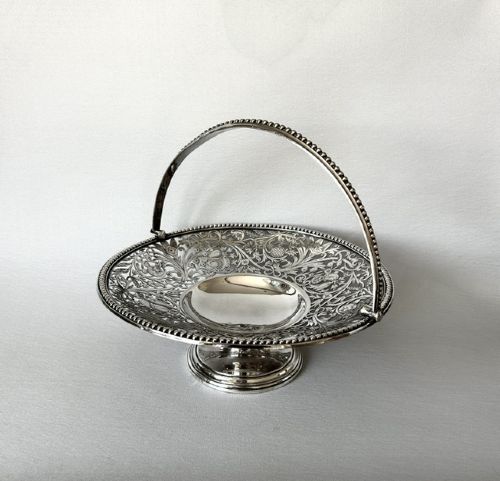
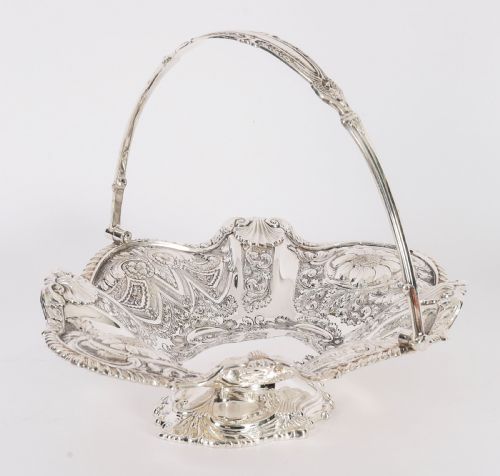
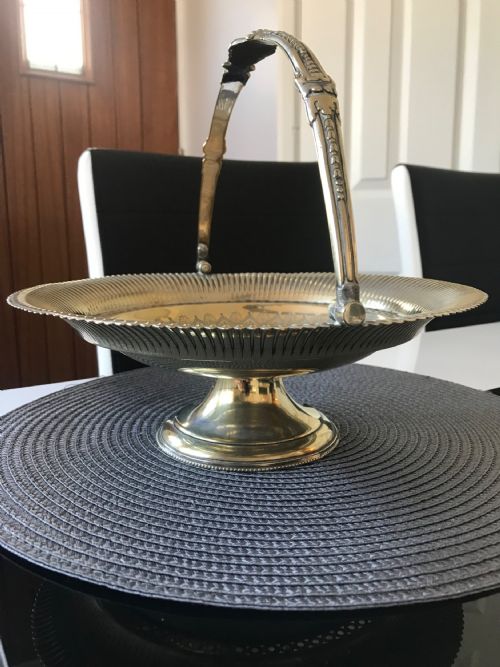
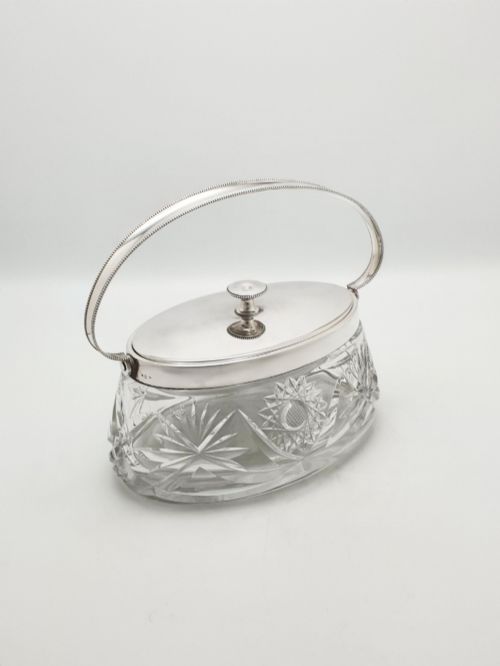
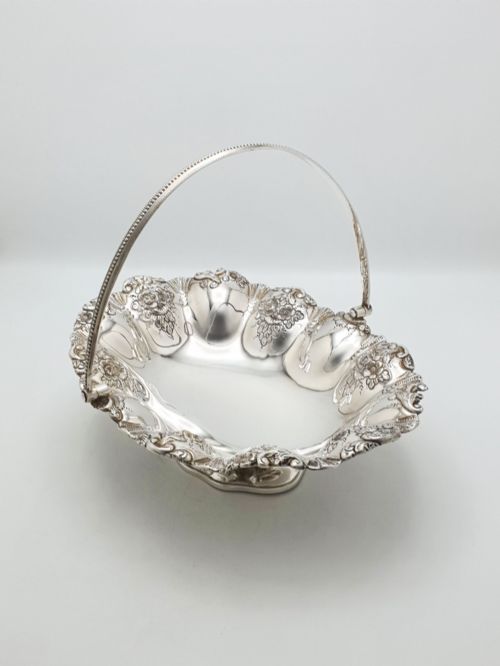
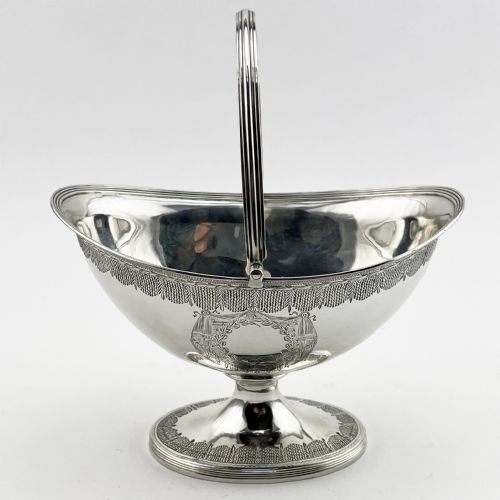
When you search for an antique silver handle dish, you encounter a varied group of serving vessels designed primarily for sugar, fruit, bread, and sweets. The items range from small swing-handled sugar baskets to large Victorian and Edwardian fruit bowls.
Most pieces met on this page date from the Victorian, Edwardian, and Georgian periods, spanning sterling silver, Old Sheffield plate, and silver-plated metal. Forms frequently feature fixed loop handles, delicate swing handles, or stylized side grips.
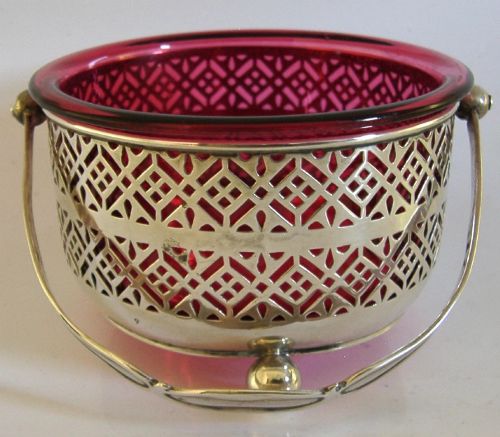
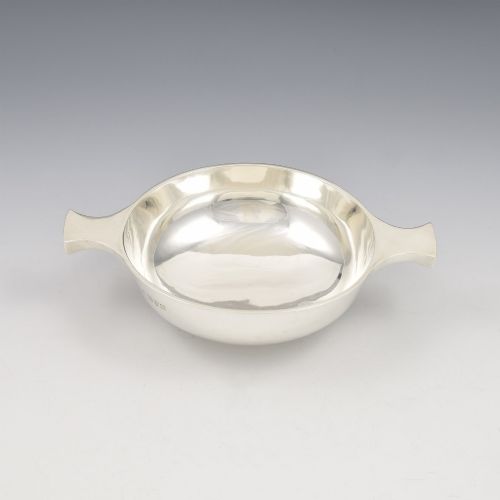
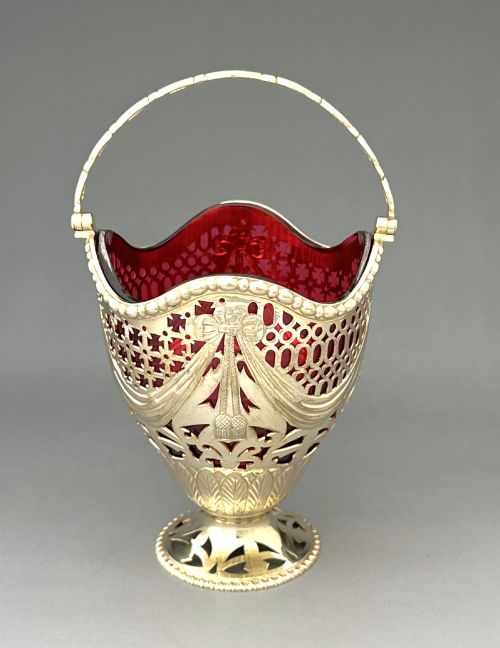
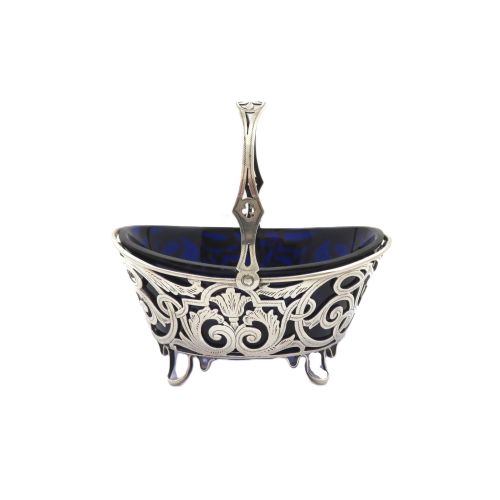
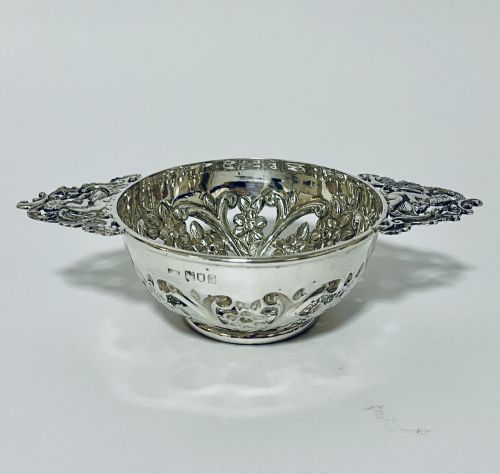
The assortment includes specialised forms such as quaichs, sweetmeat baskets, and dishes fitted with ruby or cranberry glass liners. These vessels served domestic rituals from formal dining to afternoon tea.
How they were made
Makers shaped sterling silver and silver plate through techniques like piercing, repoussé, and casting to create intricate rims and handles. Pierced openwork lightened large fruit baskets while showcasing coloured glass liners beneath.
Early pieces often relied on Old Sheffield plate, fusing a thin layer of silver onto a copper base, whilst later items utilised electroplated nickel silver or solid sterling. Glass components were frequently blown, moulded, or cut to fit specific metal frames.
Listings span sterling silver, silver plate, copper, brass, and cranberry glass across Victorian, Edwardian, and Georgian periods.
What varies in quality
The distinction between ordinary and exceptional pieces lies in the crispness of the chased or pierced decoration and the substantial weight of the metal. Heavier gauge silver retains structural integrity in slender swing handles and delicate rims over generations of use.
Harmonious proportions between the glass liner and the metal basket elevate a piece, especially when the coloured glass is original to the mount. Fine craftsmanship shows in the smooth articulation of handle hinges and the neatness of maker marks.
Nathan and Hayes·Roberts Cadman·George W. Scott and Sons Ltd·Henry Chawner·Hukin and Heath·Thomas Bradbury·John Hunt
The Antique Silver Handle Dish Glossary
- Swing handle
- A movable bail handle attached to pivots on opposite sides of a basket or dish, allowing it to drop flat against the rim.
- Old Sheffield plate
- An early composite material made by fusing silver to a copper core, often identifiable by subtle copper seams at the edges.
- Quaich
- A shallow two-handled drinking vessel or small bowl of Scottish origin, adapted in silver for domestic table use.
- Repoussé
- A metalworking technique where the design is hammered into relief from the reverse side of the object.
- Sweetmeat basket
- A small decorative container intended for serving small confections, nuts, or dried fruits.
Antique Silver Handle Dish: Frequently Asked Questions
What were antique silver handle dishes used for?
These vessels served various functions at the dining table, holding sugar lumps, dried fruits, biscuits, or small confections during formal meals and tea service.
Many featured glass inserts to safely contain acidic foods or sticky preserves without tarnishing the metal framework beneath.
How do I care for antique silver handle dishes?
Gentle washing with warm soapy water and a soft cloth preserves the metal and any delicate glass liners. Avoid harsh abrasive dips that strip away desirable patination.
Store pieces in dry conditions away from direct sunlight to minimise the rate of natural tarnishing on the silver surfaces.
Are glass liners usually original to the dishes?
Many surviving pieces retain their original cranberry, ruby, or cut-glass liners, which were custom-blown to fit the specific contours of the metal basket. Replacement liners do occur frequently due to accidental breakages over a century of domestic service.
How can I tell a Georgian dish from a Victorian one?
Georgian examples often display restrained neoclassical symmetry, simpler piercing, and heavier Old Sheffield plate construction. Victorian and Edwardian pieces tend towards exuberant floral repoussé, naturalism, and varied coloured glass combinations.