

Antique Silver Etching
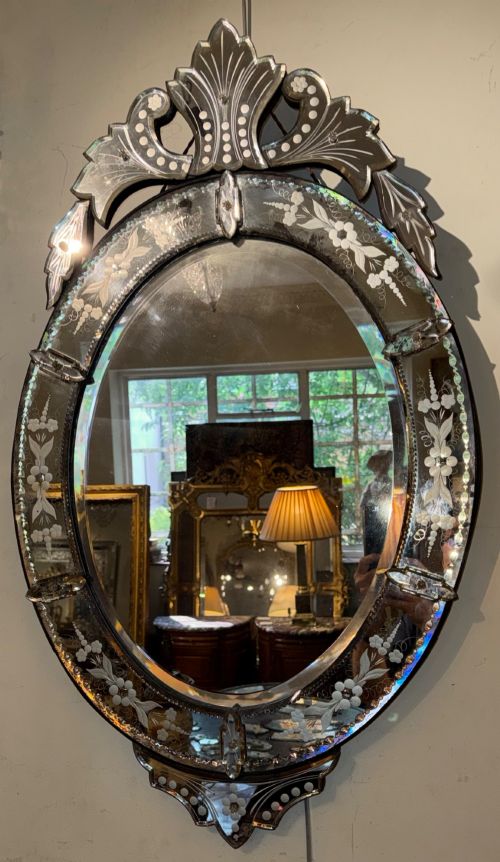
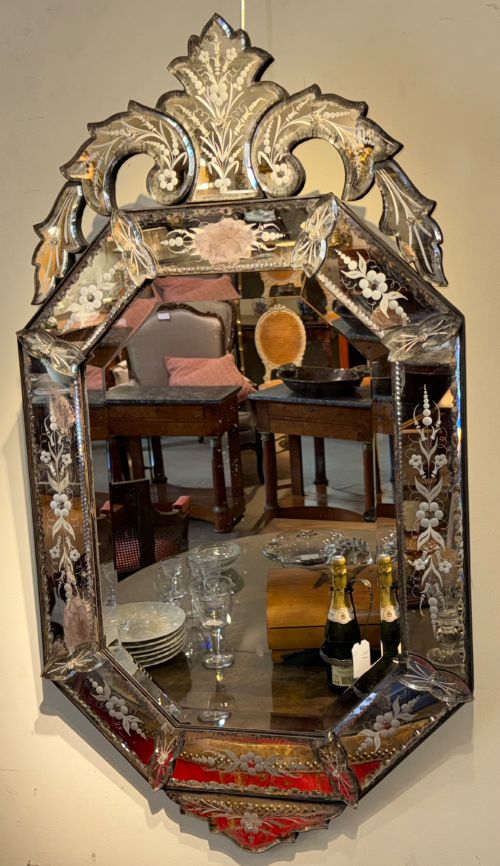
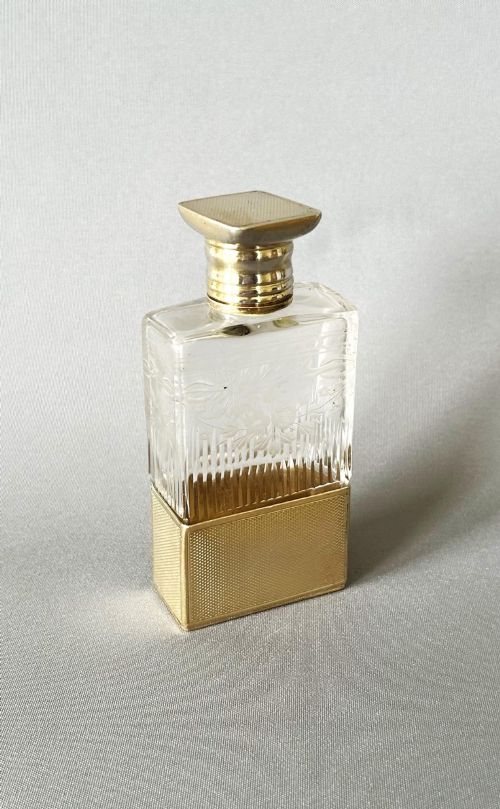
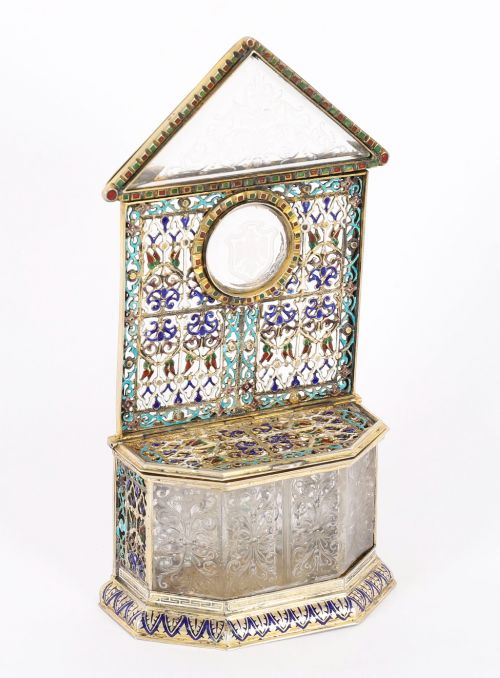
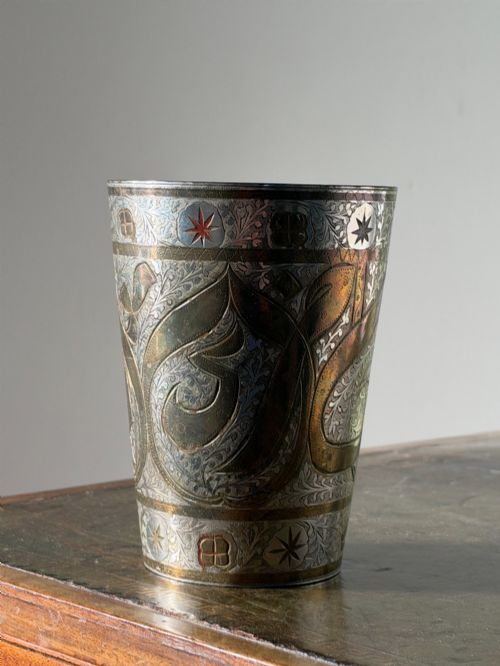
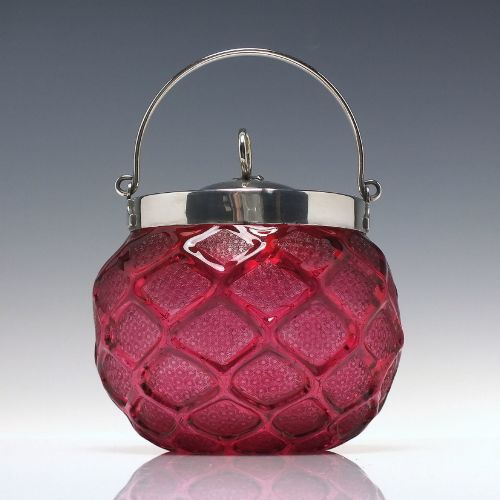
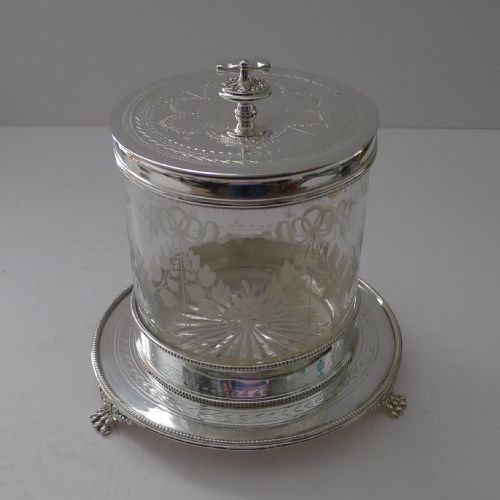
These pieces of antique silver etching combine bright metal mounts with decorated glass and mirrored plates to catch the light.
Antique Silver Etching
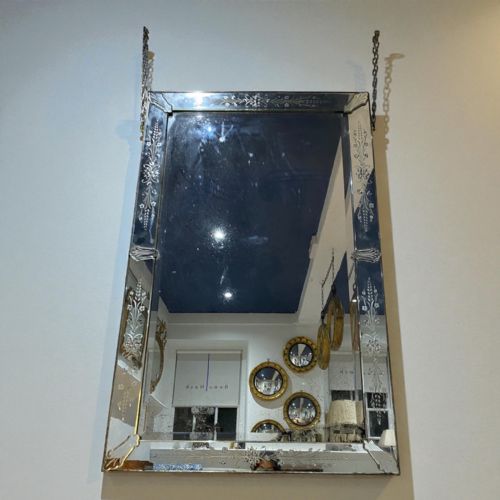
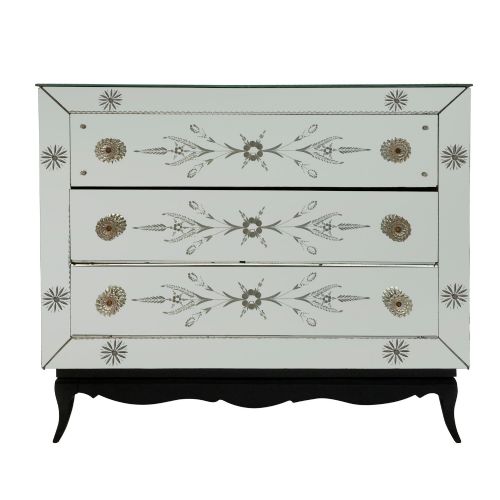
When you search for antique silver etching, you encounter items where silver work meets decorated glass, mirrors and vessels. The selection spans domestic table service and decorative furnishings from the nineteenth century into the twentieth.
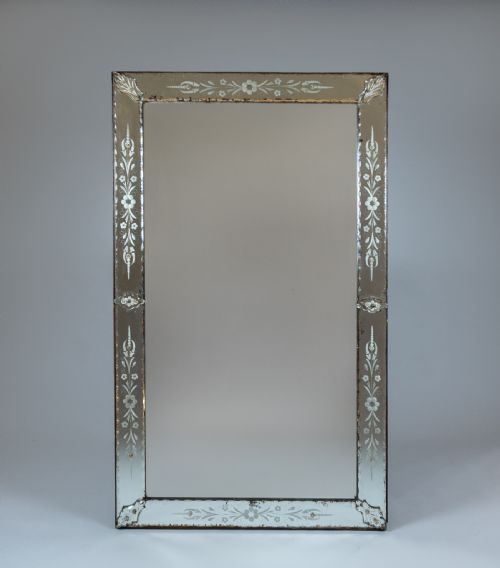
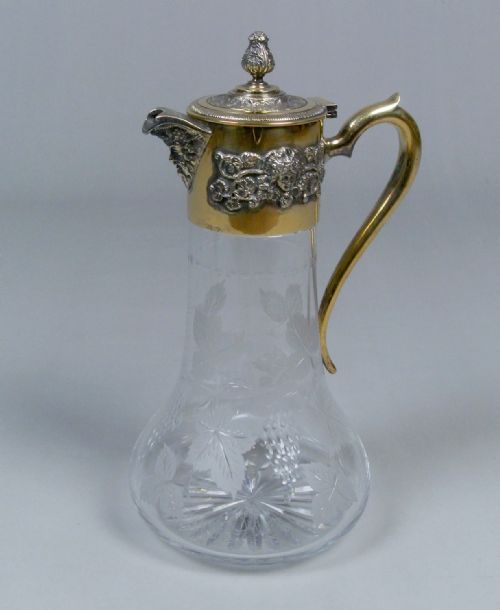
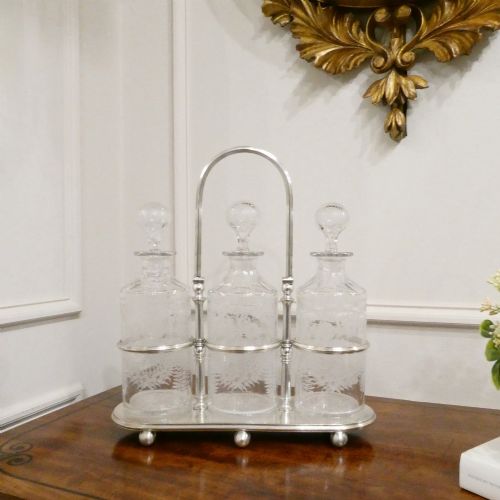
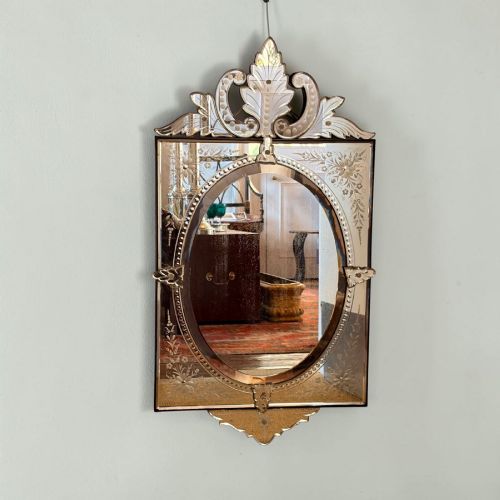
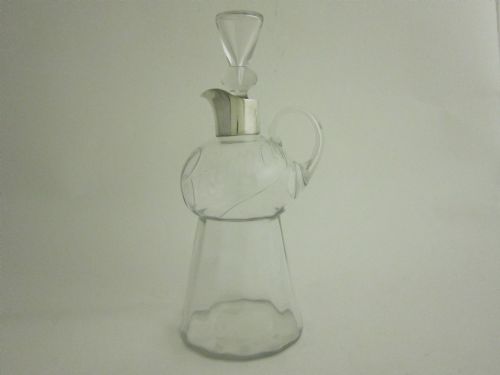
The most frequent forms on this page include Venetian mirrors, glass decanters and claret jugs fitted with silver collars, mounts or handles. You also find scent bottles, jars, and walking sticks incorporating silver detail.
Periods represented stretch from the Victorian era through Edwardian times and into Art Nouveau and Art Deco designs. These objects served functional roles in homes, from pouring wine to checking reflections.
Materials and technique
The objects rely on combinations of sterling silver, silver plate, or silver gilt paired with cut, engraved, or etched glass and mirrored plates. Wood, leather, and malacca appear on supportive elements like walking sticks and furniture.
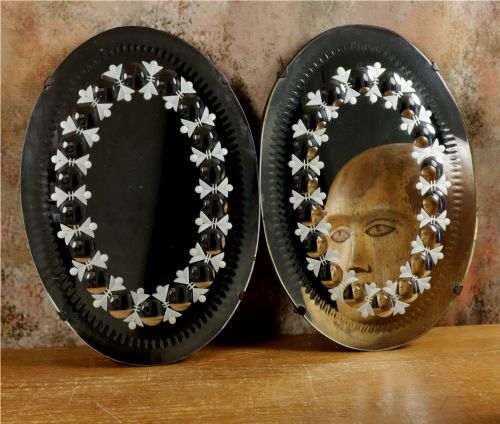
Glass decoration involves wheel carving, acid etching, or surface engraving to create floral and geometric motifs. Silver components are cast, chased, or engraved by hand before attachment to the glass or wooden bodies.
Antique Silver Etching Retail Price Guide 2026
Typical asking prices for silver etching among the pieces listed under this phrase on Sellingantiques today, from the lower quarter to the upper quarter. They describe what is for sale here now, not the wider market.
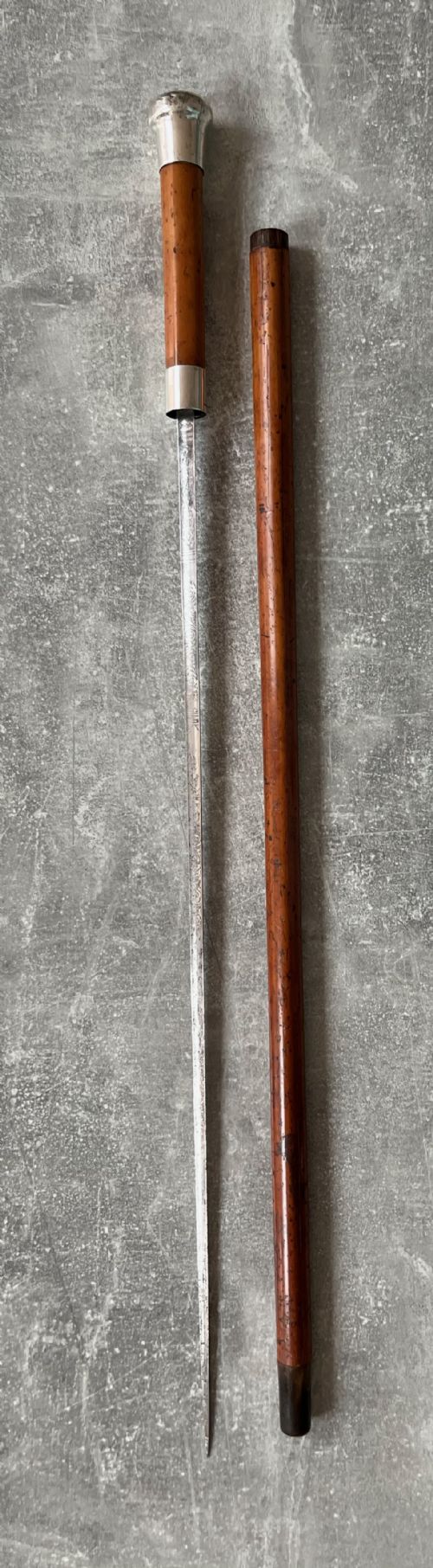
Several walking sticks double as hidden sword blades, offering a discreet way to handle unexpected urban strolls in the nineteen-twenties.
Evaluating the standard
The distinction between tiers rests on the crispness of the glass decoration and the weight of the metal mounts. Hand-cut and deeply etched designs show greater definition than superficial surface marking.
Makers' marks on the silver portions indicate formal assay standards and workshop origins, adding historical weight. The integrity of the silver fittings relative to the glass body determines the overall structural success.
Georg Adam Scheid·Asprey and Co Ltd·Karl Palda·Walker and Hall·Elkington
The Antique Silver Etching Glossary
- Claret jug
- A pouring vessel for wine featuring a glass body and silver handle, collar, and lid. These containers often display cut or etched patterns across the bulbous or tapering glass.
- Cushion mirror
- A wall looking-glass with a convex, sloping frame section that curves toward the central plate. This form appears frequently in Venetian pieces from the nineteenth and early twentieth centuries.
- Guilloché
- A decorative technique where a precise, intricate repeating pattern is mechanically engraved into a metal surface. Enamel is frequently applied over this worked metal on items like perfume bottles.
- Silver plate
- A base metal foundation coated with a thin layer of pure silver. Many nineteenth-century table vessels utilise this method to achieve the appearance of solid sterling at a lower weight and cost.
Antique Silver Etching: Frequently Asked Questions
How do I clean etched glass and silver?
Use a soft cloth and warm soapy water for the glass surfaces, avoiding harsh abrasives that scratch the etched motifs. Polish the silver components separately with a dedicated cloth to keep the metal clear of the glass.
Take care around glued or mounted joins so moisture does not seep beneath the silver collars. Gentle maintenance preserves both the clarity of the etching and the lustre of the metal.
Were Venetian mirrors used on walls?
Most Venetian mirrors in these selections function as wall-hanging looking-glasses or overmantle centrepieces. Their bevelled plates and decorated glass frames were designed to bounce light around period rooms.
Smaller iterations occasionally serve as decorative table trays for decanters and glassware. Each piece relies on a wooden backing board to support the heavy glass plate.
What is the difference between sterling and plate?
Sterling silver contains a legally defined high purity of silver throughout the entire object, marked by traditional assay stamps. Silver plate consists of a base metal core covered by a thin outer layer of silver.
Pieces with plated mounts still carry maker marks specific to the plating firm, such as Elkington or Walker and Hall. Both variations appear commonly on nineteenth-century dining vessels.
How do I date an etched decanter?
Examine the style of the silver mounts, the shape of the stopper, and any stamped hallmarks on the collar. Art Deco decanters favour geometric lines, while Victorian examples often display naturalistic floral engraving.
The manufacturing technique of the glass body also offers clues, as pontil marks and hand-cut facets differ from twentieth-century machine production.