
Antique Silver Dress Watch
An antique silver dress watch brings together precision engineering and wearable style from eras spanning the early twentieth century through the mid-century.
Antique Silver Dress Watch
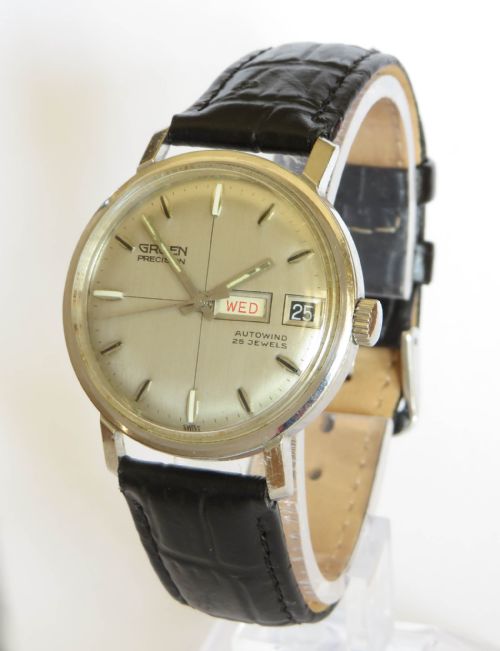
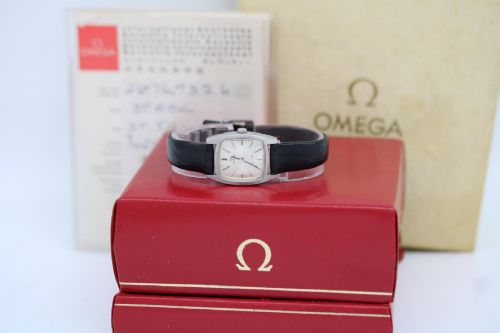
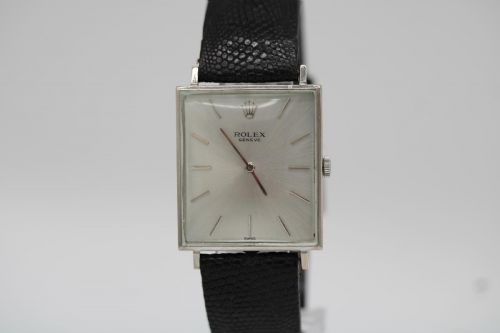
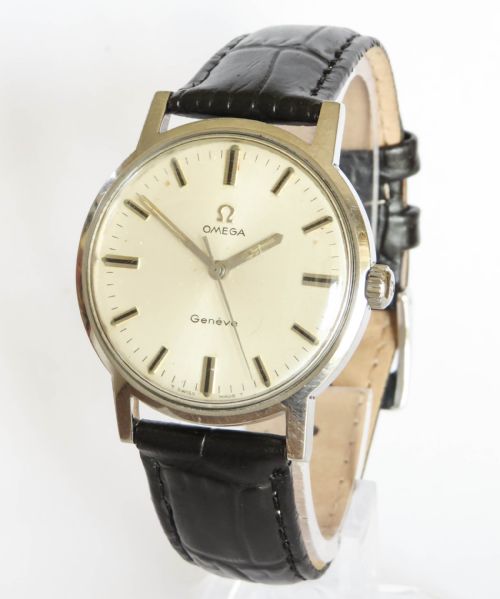
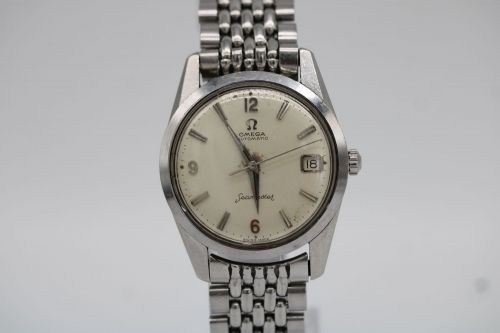
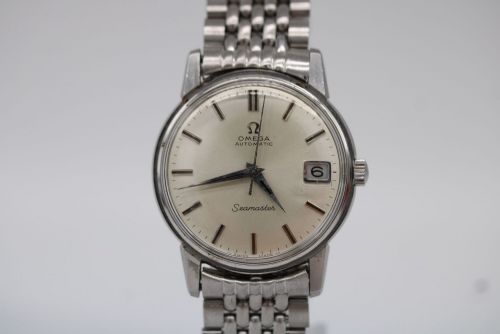
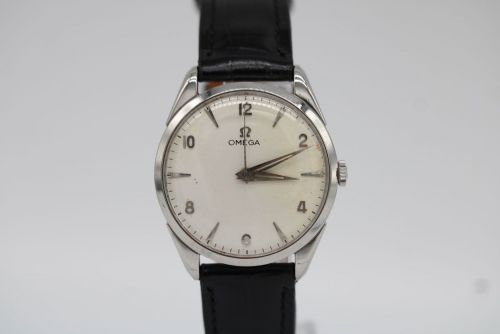
An antique silver dress watch encompasses a range of timepieces designed for formal wear, featuring both pocket watches and wristwatches alongside related items such as chatelaines and walking sticks. The selection spans the Edwardian period through the Art Deco era and into mid-century modern designs, reflecting shifts in personal accessories.
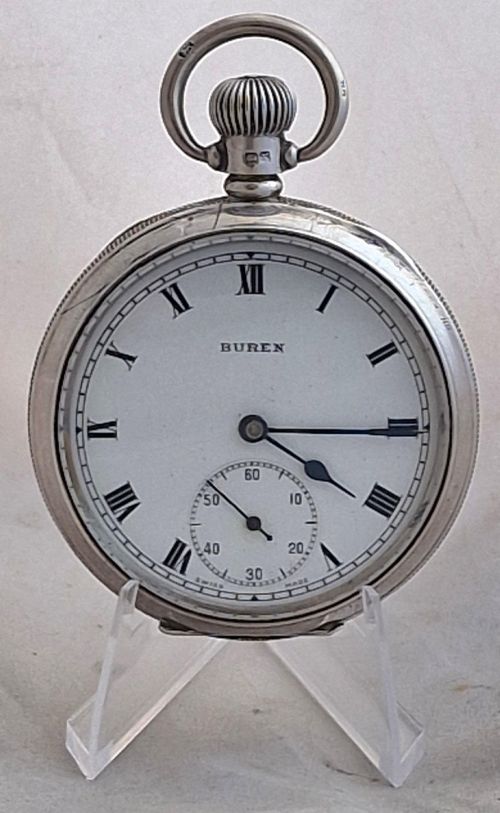
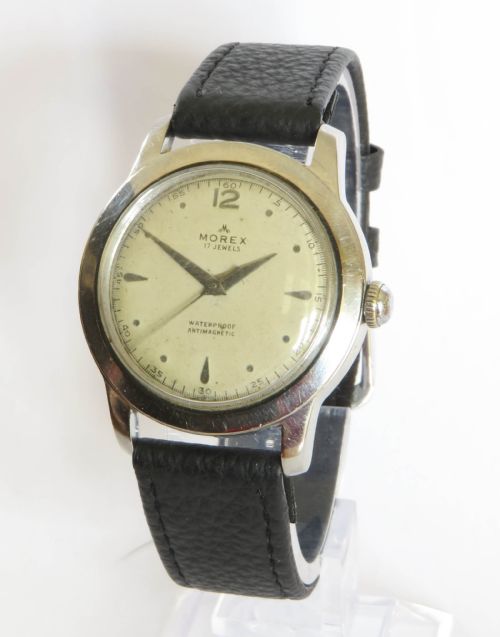
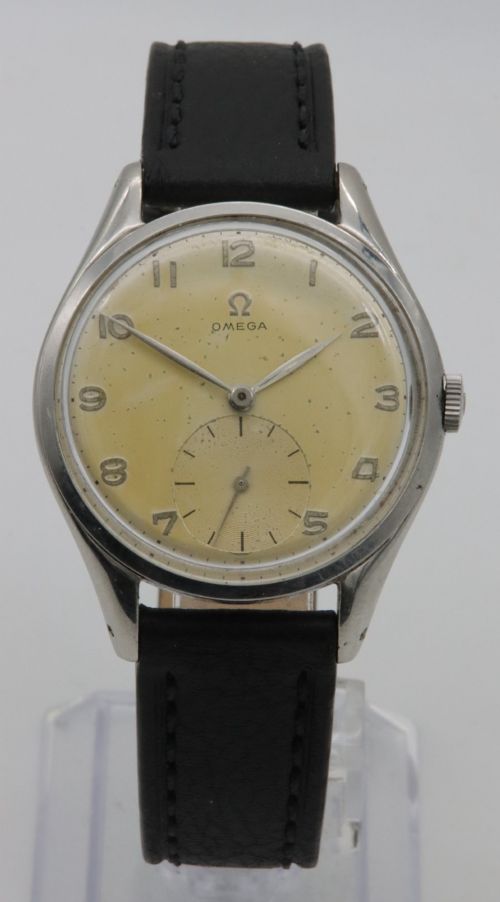
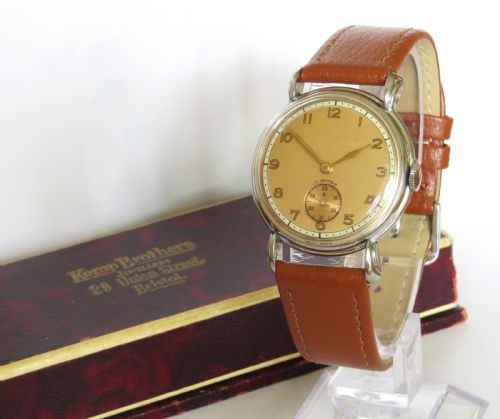
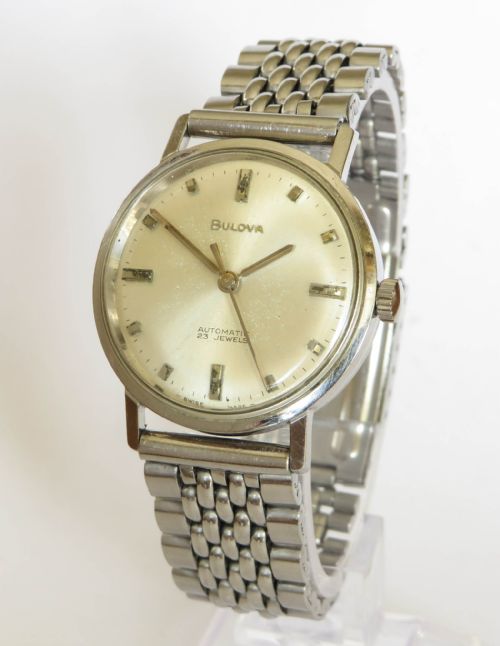
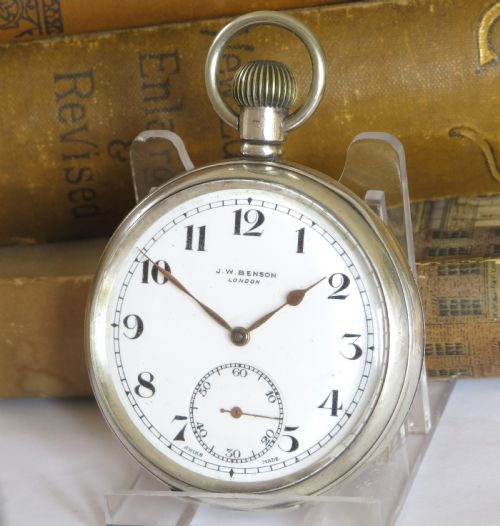
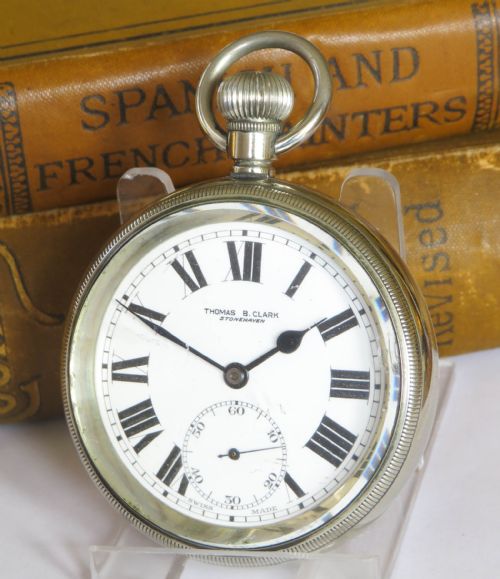
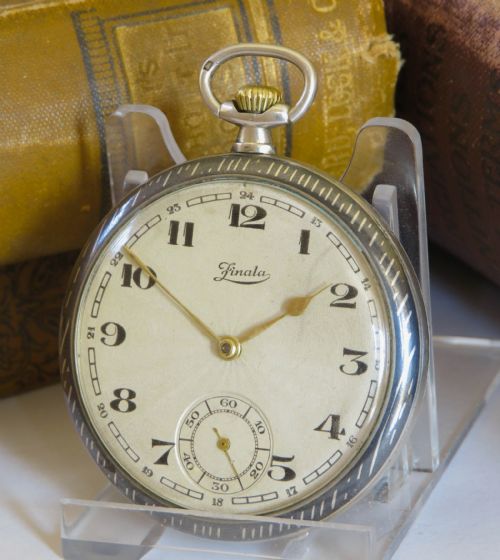
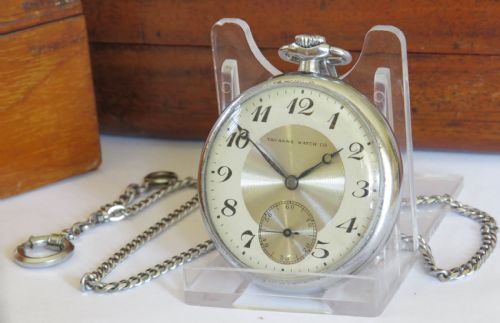
Pocket watches from makers like Buren, Cyma, and Tavannes represent the earlier decades, often paired with silver cases and detailed dials. Wristwatches emerge strongly in the nineteen-forties and nineteen-fifties, offering mechanical movements in compact formats for daily use.
Specialised items such as cocktail watches set with diamonds in platinum or white gold sit alongside utilitarian silver pocket watches. Buyers encounter pieces originating from Swiss workshops, British makers, and French designers.
How they were made
Makers utilised solid silver for pocket watch cases, sometimes combining it with enamel details like niello work to create contrasting geometric or floral patterns. Glass protects the dial on most examples, while internal components rely on brass, steel, and jewelled mechanical movements.
Higher-end dress pieces incorporate precious metals such as platinum and eighteen-carat white gold, frequently housing pavé-set diamonds around the watch face. Leather straps or metal bracelets complete the construction of wrist-worn variations, while walking sticks integrate functional timepieces into snakewood shafts.
Listings feature mechanical movements across multiple decades, spanning early twentieth-century pocket watches to nineteen-sixties automatic wristwatches.
What varies in quality
The degree of hand-finishing on the movement and the complexity of the case design dictate the tier of a timepiece. Simpler mechanical calibres found in standard gentleman's wristwatches contrast with high-jewellery cocktail watches featuring platinum settings and substantial diamond weights.
Case materials also differentiate the range, moving from standard silver and chrome housings to solid gold and platinum constructions by firms like Asprey and Vertex. Preservation of the original dial, whether patinated or pristine, influences the character of the piece.
Buren·Montilier·Omega·Bulova·Cyma·J W Benson·Revue·Silvana·Gruen·Tavannes·Longines·Vertex·Smiths·Bravingtons·Kered·Havila·Rotary·Lanco·Doxa·Waltham·Marvin·Eterna·Girard Perregaux·Zenith·Asprey
The Antique Silver Dress Watch Glossary
- Calibre
- The specific internal movement designation used by a watchmaker. This identifies the particular mechanical design and dimensions of the gear train and escapement.
- Niello
- A black metallic alloy of sulphur, silver, lead, and copper used as an inlay on engraved metal. It creates striking dark contrasts against polished silver surfaces.
- Chatelaine
- A decorative belt hook worn from the waist with suspended accessories. These historical fixtures often held pocket watches, keys, or sewing tools.
- Manual wind
- A mechanical watch movement powered by manually turning the crown. This system requires regular winding to tension the mainspring.
- Art Deco
- A design style prevalent during the nineteen-twenties and nineteen-thirties characterised by geometric symmetry and stylised motifs. Timepieces from this movement favour rectangular or square cases.
Antique Silver Dress Watch: Frequently Asked Questions
How do I wind a vintage mechanical watch?
Turn the crown clockwise gently between your thumb and forefinger until you feel resistance. Stop immediately to avoid damaging the mainspring.
Most manual wind pieces require this action daily to maintain accurate timekeeping throughout wear.
Can I wear an antique silver dress watch daily?
Many solid silver pocket watches and wristwatches from the mid-century handle regular wear well if handled with care. However, delicate cocktail pieces with platinum and diamond settings suit formal occasions better.
Protecting mechanical movements from moisture and hard impacts ensures longevity during regular use.
What is the difference between a pocket watch and a cocktail watch?
Pocket watches feature larger cases designed to be carried in a waistcoat pocket, often secured with a chain. Cocktail watches function as wearable jewellery, created for evening wear with small dials and precious metal bracelets.
Both utilise mechanical movements but serve entirely different stylistic purposes.
How do I identify the production era of a watch?
Stylistic cues such as case shape, numeral fonts, and dial layouts point directly to specific decades like the nineteen-twenties Art Deco period or nineteen-fifties mid-century era. Movement serial numbers engraved inside the case back offer precise chronological data when checked against maker archives.
Examining these internal and external details clarifies the exact timeframe of manufacture.