

Antique Silver Dress Box
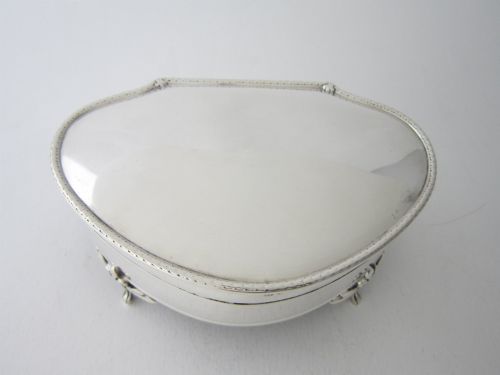
An antique silver dress box sits on the dressing table to hold rings, pins, and small personal treasures.
Antique Silver Dress Box
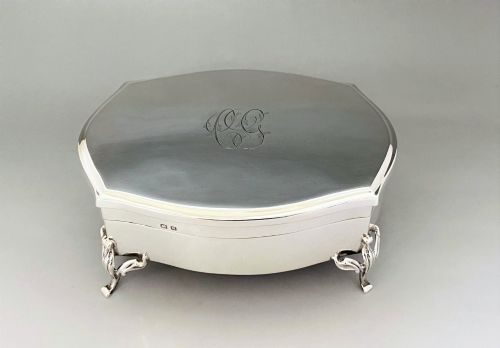
When searching for an antique silver dress box, collectors encounter various forms including trinket boxes, jewellery boxes, vanity jars, and dressing table pots. These containers emerge frequently from Victorian, Edwardian, and George V periods, reflecting the domestic habits of the nineteenth and early twentieth centuries.
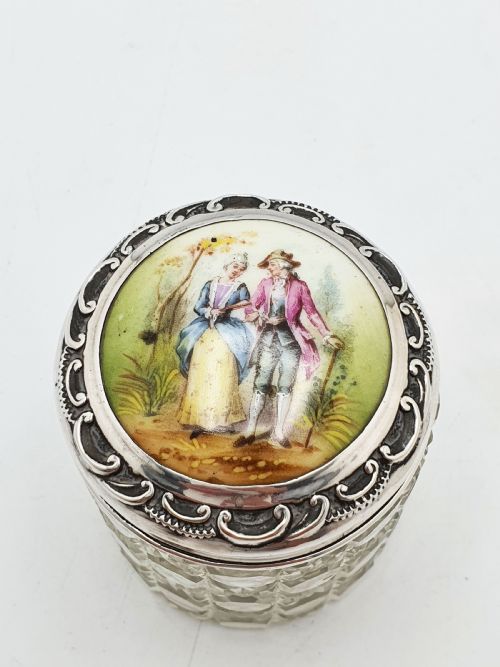
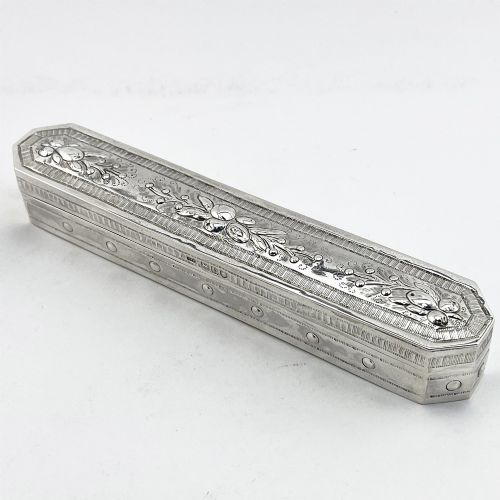
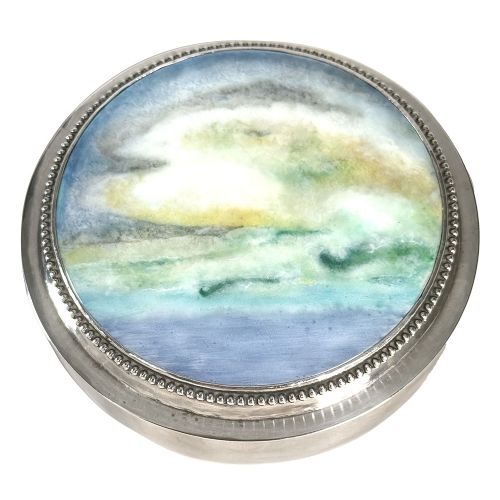
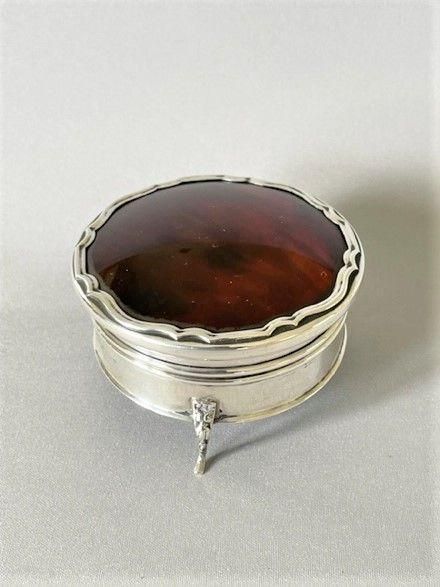
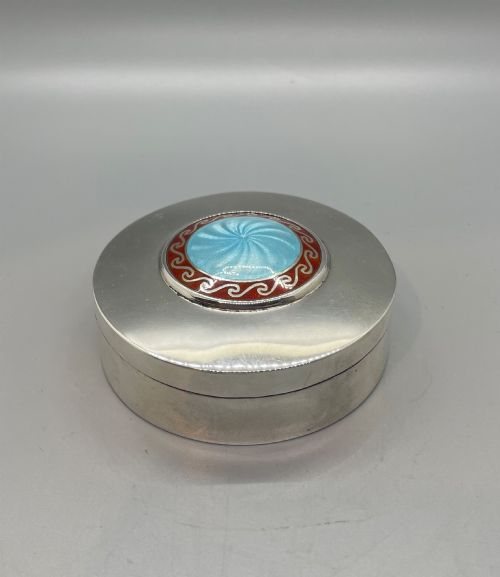
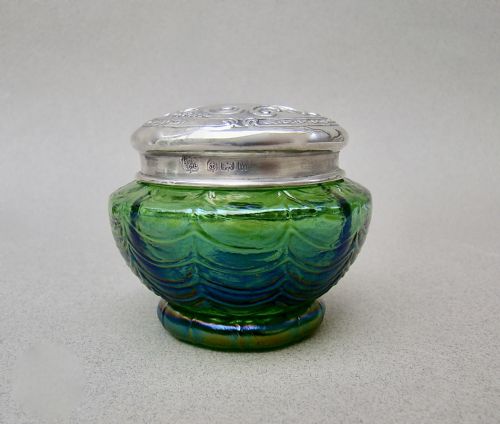
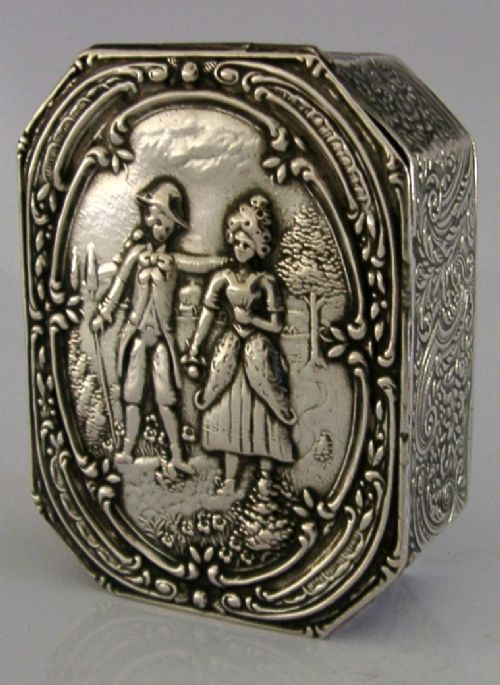
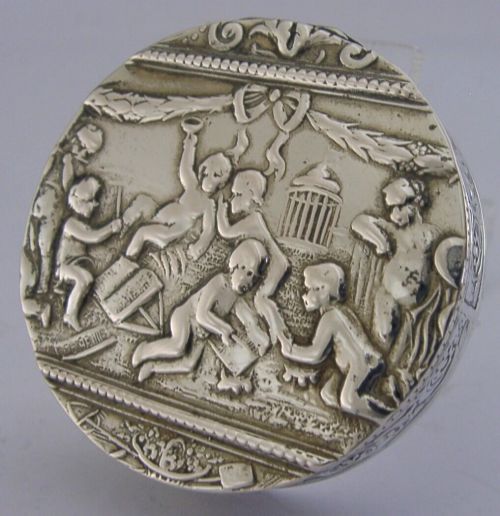
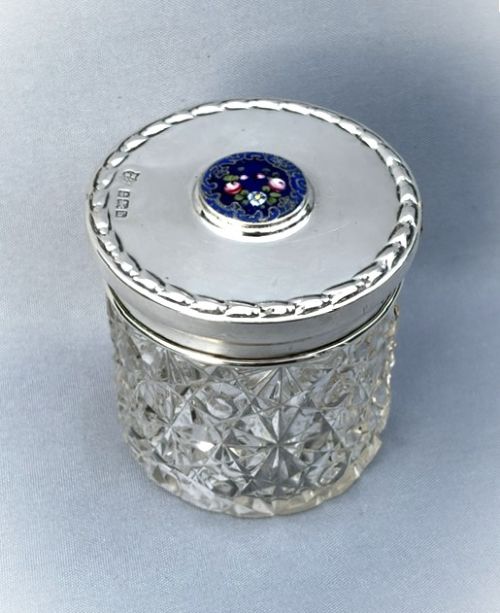
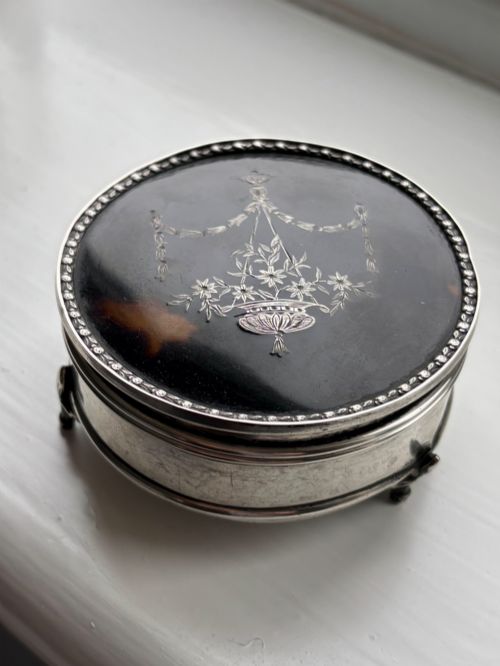
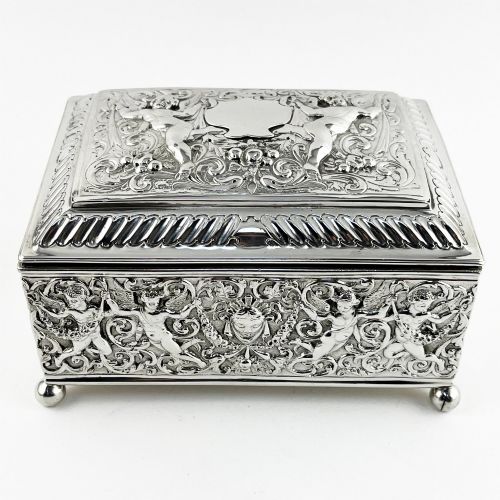
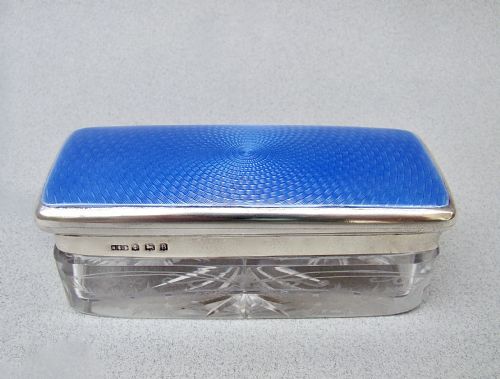
Many examples combine sterling silver mounts or lids with bodies made from cut glass, crystal, satin glass, or tortoiseshell. Others appear as solid silver table boxes, sometimes featuring repousse decoration, figural cherub scenes, or enamel work in Art Nouveau and Art Deco styles.
How they were made
Silversmiths utilised sterling silver and solid silver for frames, hinges, and lids, often shaping the metal through casting, piercing, and repousse ornamentation. Workshops applied hallmarks to stamp the metal standard, manufacturing year, and assay office.
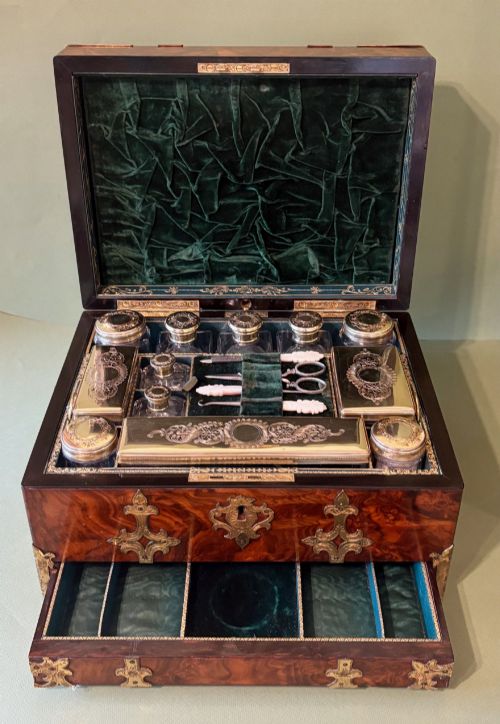
Makers combined silver elements with blown, moulded, or cut glass containers and fitted interiors with velvet linings. Artisans also incorporated organic materials like tortoiseshell and applied guilloche enamel decoration to metal surfaces.
Listings feature items from the Victorian, Edwardian, and Art Deco periods, utilising sterling silver, glass, enamel, and tortoiseshell.
What varies in quality
The standard of an antique silver dress box depends upon the weight of the metal and the crispness of the chased or repousse detailing on the silver mount. Heavy solid silver castings and substantial gauge sterling silver demonstrate superior construction compared to lighter alternatives.
The integration of materials dictates distinction, visible in the precision of fitted tortoiseshell panels, hand-applied enamel work, and the clarity of cut glass bodies. Recognised makers and clear assay office hallmarks add notable provenance to individual pieces.
A. J. Pepper & Co·Henry Clifford Davis·Goldsmiths and Silversmiths Company·A. Bromet & Co·Paul Storr·Asprey & Co·William Comyns·Mappin & Webb
The Antique Silver Dress Box Glossary
- Hallmark
- Official stamps applied to precious metals indicating the metal standard, assay office, and year of manufacture. These small stamped symbols provide exact historical data for dating the container.
- Repousse
- A metalworking technique where the silversmith hammers the design from the reverse side to form raised relief patterns on the surface. This method creates decorative floral, scroll, or figural scenes on the lid.
- Guilloche
- An ornamental engraving technique producing intricate geometric patterns beneath a translucent layer of enamel. This decorative surface appears frequently on Art Deco dressing table items.
- Trinket box
- A small container designed for holding rings, pins, and small personal ornaments on a dressing table. These boxes often feature lined interiors of velvet.
- Sterling silver
- An alloy consisting of silver and other metals, typically copper, meeting a specific purity standard of fineness. Most British boxes on this page utilise this metal grade.
Antique Silver Dress Box: Frequently Asked Questions
What is a dress box used for?
These boxes served to hold small personal items, rings, and pins on dressing tables and desks during the Victorian and Edwardian eras. Women and men utilised them to keep daily accessories organised and protected.
Over time, their function shifted from active daily utility to decorative display pieces. Collectors today place them on dressing tables or sideboards to house modern jewellery.
How do I clean antique silver?
Silver components require gentle cleaning with a specialised non-abrasive silver cloth to remove tarnish without harming the metal surface. Avoid exposing glass bodies, velvet linings, and tortoiseshell panels to liquid cleaning solutions.
Harsh chemical dips damage enamel work and organic materials like tortoiseshell and pique. Careful manual polishing preserves the aged patina and the stamped hallmarks.
How do I identify the date?
Assay office hallmarks stamped onto the silver components provide the exact year of manufacture and the town where the piece was tested. Date letters correspond to specific assay office registry cycles.
Stylistic indicators such as Art Deco geometric lines or Victorian floral repousse also help determine the period. Comparing the maker marks against historical records confirms the production era.
Are glass and silver boxes fragile?
The combination of cut glass bodies and sterling silver mounts requires careful handling during movement and cleaning. Glass sections can chip or crack if impacted against hard surfaces.
Hinged lids and delicate silver feet also benefit from gentle treatment to prevent structural strain. Proper placement on stable furniture ensures these pieces remain secure.