



Antique Silver Dog Novelty
These antique silver dog novelty pieces are witty, functional smallwares shaped as hounds and terriers, offering a charming touch of Victorian and Edwardian humour.
Antique Silver Dog Novelty
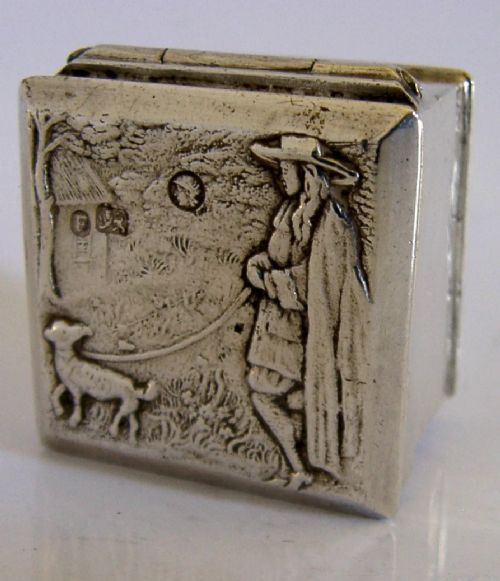
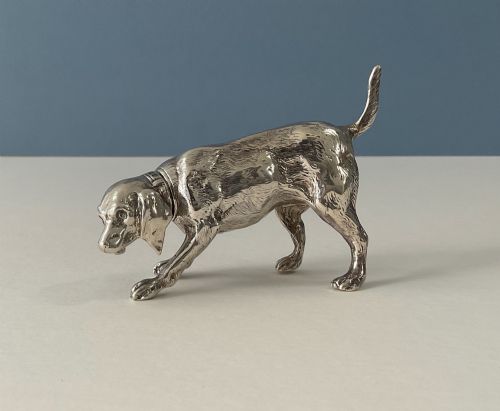
An antique silver dog novelty collection comprises miniature containers, walking cane handles, and desk accessories cast or formed into the likeness of pugs, bulldogs, greyhounds, and terriers. These pieces served practical household and personal functions while indulging a distinct taste for playful animal forms during the nineteenth and early twentieth centuries.
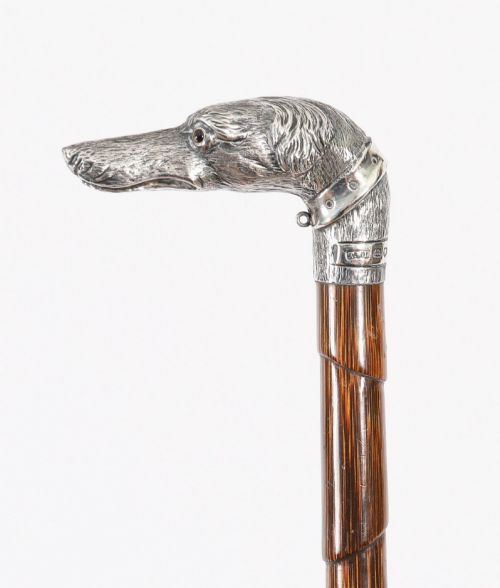
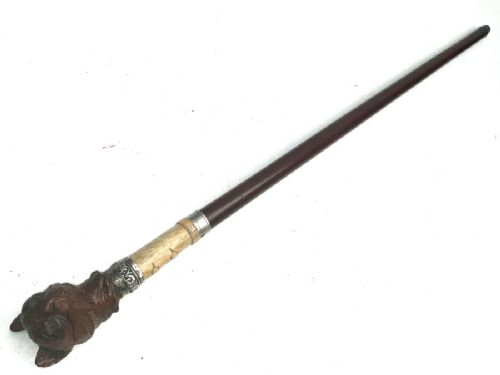
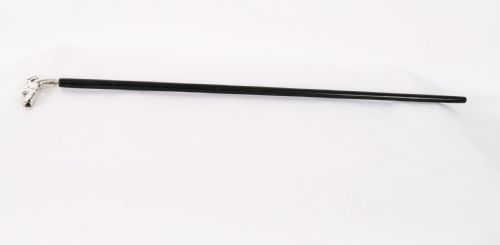
The versions most commonly encountered on this page include Edwardian pin cushions modelled as pugs and bulldogs, alongside pepper pots and pill boxes from the Victorian and later twentieth-century periods. Walking sticks featuring greyhound and hound heads also appear frequently among the listings.
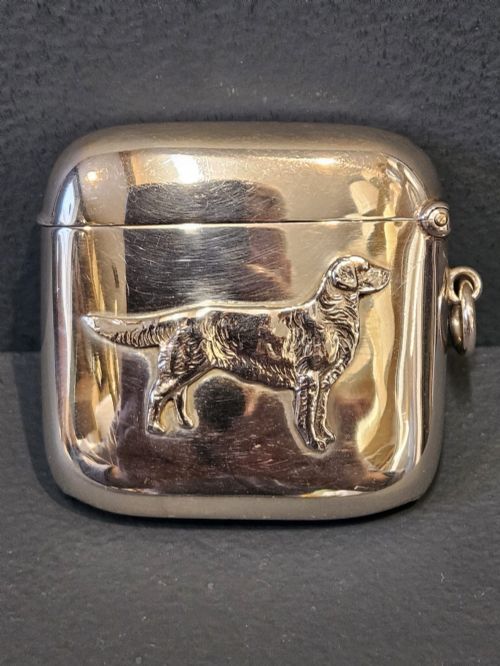
The category spans diverse functional objects, ranging from nutmeg graters and baby rattles to vesta cases and letter openers. Each item combines utilitarian purpose with sculptural canine detail, reflecting the era's fondness for whimsy in everyday metalwork.
Materials and construction
Makers primarily utilised sterling silver, solid silver, and silver plate to shape these figural pieces, often combining the metal with materials such as mother of pearl, velvet, wood, bone, and glass. Canes frequently paired silver handles with wooden shafts, while pin cushions incorporated velvet pads to secure sewing pins.
Antique Silver Dog Novelty Retail Price Guide 2026
Typical asking prices for silver dog novelty among the pieces listed under this phrase on Sellingantiques today, from the lower quarter to the upper quarter. They describe what is for sale here now, not the wider market.
Mr Punch's faithful dog Toby occasionally joins the kennel, appearing as a cast silver pepper pot from the nineteenth century.
Quality and execution
The finest examples display crisp casting and sensitive hand-chasing that capture the distinct anatomy and expression of individual dog breeds rather than generic animal shapes. Superior pieces maintain clear hallmarks and retain their original functional elements, such as working hinges on pill boxes or intact velvet on pin cushions.
Weight and balance also distinguish the range, particularly in figural peppers and cane handles where substantial silver gauge prevents denting. The integration of secondary materials like mother of pearl on rattles or enamel on vestas reveals greater ambition in the original commission.
W Comyns·Reid and Summers
The Antique Silver Dog Novelty Glossary
- Sterling silver
- A silver alloy containing 92.5 percent pure silver by mass and 7.5 percent other metals, usually copper. This standard composition provides the durability required for detailed casting in small objects.
- Vesta case
- A small pocket container designed to hold matches and keep them dry. Many incorporate spring-loaded lids and figural decoration.
- Pin cushion
- A small household accessory filled with stuffing and covered in fabric, frequently formed here as a recumbent pug or bulldog. These sat on dressing tables or sewing desks.
- Pepper pot
- A small tabletop container with a perforated lid for sprinkling ground pepper. Novelty versions often depict animals where the condiment shakes from the head or base.
- Nutmeg grater
- A pocket-sized container housing a small steel grating file and a compartment for storing a whole nutmeg. Wealthy diners carried their own spice graters to tavern meals.
Antique Silver Dog Novelty: Frequently Asked Questions
What were antique silver dog novelties used for?
These pieces served everyday practical purposes while doubling as decorative conversation pieces in the Victorian and Edwardian home. Items ranged from desk accessories like letter openers and stamp boxes to personal items such as pill boxes, whistles, and vesta cases.
Other examples functioned at the dining table as pepper pots and nutmeg graters, or assisted with tailoring tasks as pin cushions. Their clever animal forms transformed mundane household implements into items of amusement and display.
How do I identify an Edwardian piece?
Edwardian items typically date from the reign of King Edward VII between 1901 and 1910, often displaying hallmarks specific to assay offices in London, Birmingham, or Chester from this decade. Stylistically, the era produced many of the most popular figural pin cushions modelled as pugs and bulldogs.
Makers during this period frequently utilised cast silver to create tactile, humorous representations of popular pets. Examining the date letter within the official hallmark provides the exact year of manufacture.
Are walking sticks with dog heads authentic?
Walking canes featuring silver dog heads were popular gentleman's accessories in the nineteenth century, often depicting greyhounds or hound breeds. Genuine examples combine a solid silver or silver-plated handle with a tapered wooden shaft and sometimes an original ferrule at the base.
The mounts frequently bear partial hallmarks or makers' marks near the collar where the metal joins the wood. Evaluating the wear on the wooden tip and the patination of the silver helps confirm period authenticity.
How should I clean antique silver novelties?
Antique silver requires gentle maintenance to preserve its age patination and avoid damaging delicate chased details or integrated materials like velvet and enamel. Use a soft microfibre cloth and a mild, non-abrasive silver cleaner only when necessary, keeping polish away from fabric inserts.
Store pieces in dry environments away from direct sunlight and humidity to protect organic components such as bone, mother of pearl, and wood. Regular dusting with a dry cloth is usually sufficient for pieces on display.