


Antique Silver Dining Plates
Antique silver dining plates and related table wares bring formal nineteenth-century dining traditions directly into the modern interior.
Antique Silver Dining Plates
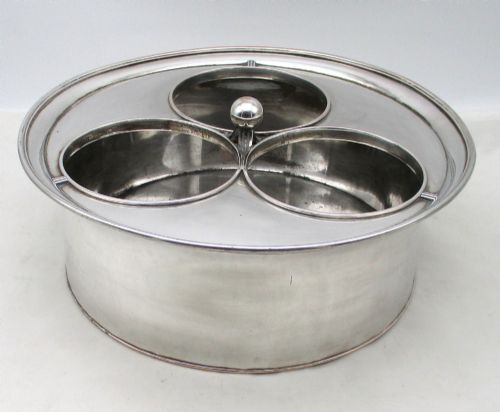
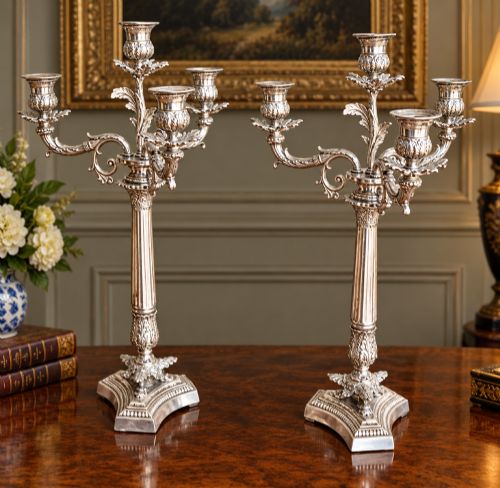
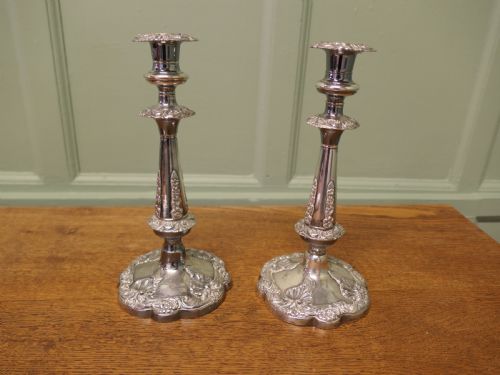
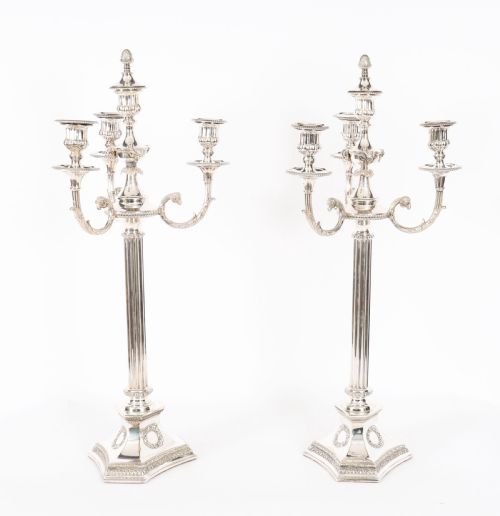
Antique silver dining plates and related table accessories encompass a range of dining room objects made primarily in silver plate during the Victorian, Edwardian, and Georgian periods. These pieces include serving dishes, meat domes, cutlery sets, and associated table centrepieces designed for formal meals.
The items most frequently encountered in this category demonstrate the heavy reliance on silver plate, Old Sheffield plate, and EPNS during the nineteenth and early twentieth centuries. Buyers often select these functional vessels and decorative items to complement traditional table settings or to provide historical interest to a dining space.
How they were made
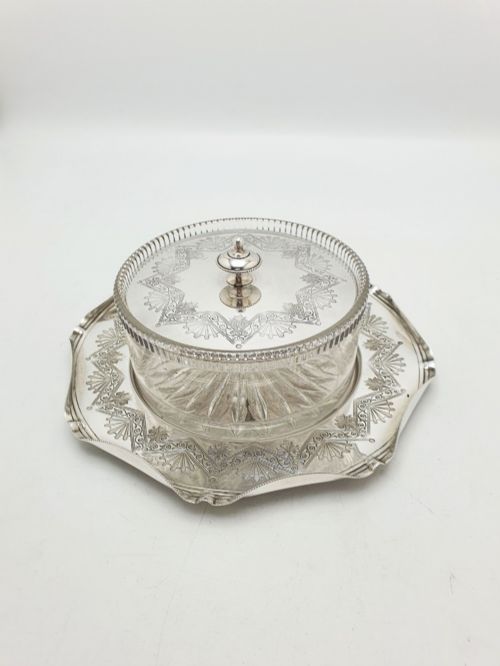
Makers utilised silver plate over copper, nickel silver, and pewter bases, often employing Old Sheffield plating techniques for earlier items. Many pieces combine these metallic surfaces with cut glass liners, oak barrels, and steel components.
Manufacturing methods involved striking, casting, and soldering metal elements together, frequently incorporating ornate applied borders, chased decoration, and engraved family crests. Skilled artisans combined metalworking with glass-cutting to produce complex items like cruet sets and claret jugs.
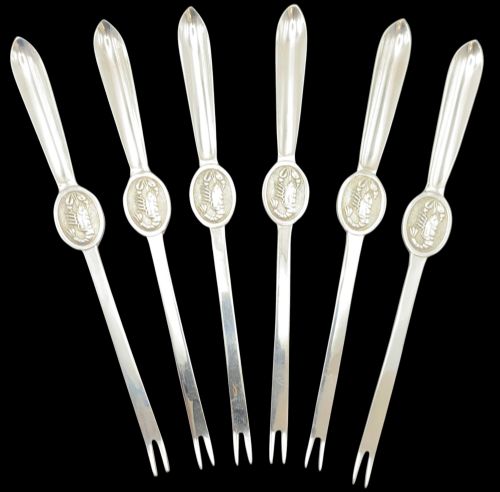
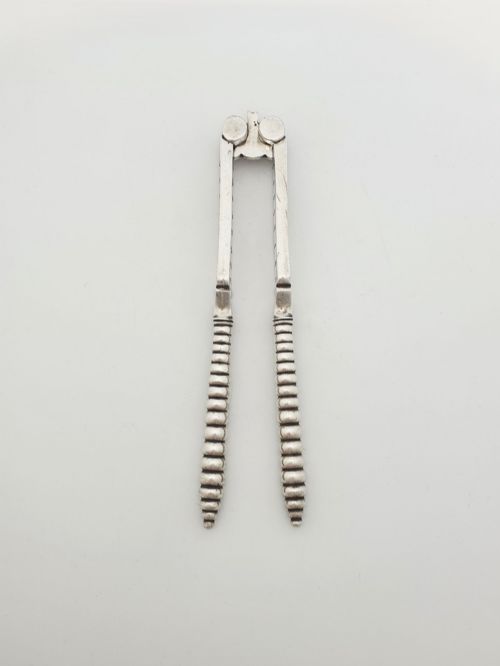
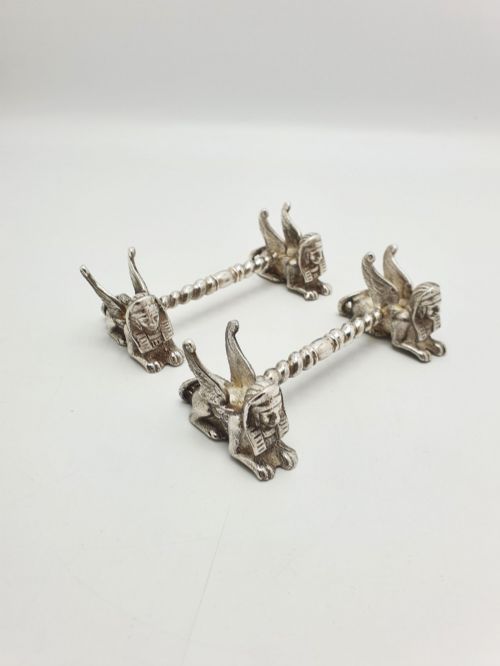
Victorian dining tables often included silver-plated animal models such as pheasants and lobster crackers shaped like crustacean claws.
What varies in quality
Quality separates through the crispness of chased and cast ornamentation, the weight and gauge of the underlying metal, and the evenness of the silver plating. Superior examples retain their original gilding inside vessels and show precise detailing on figural mounts.
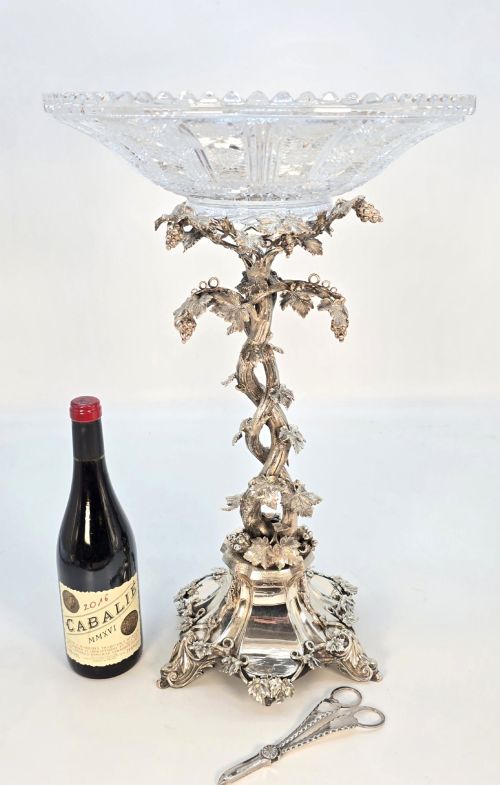
The integration of secondary materials such as cut glass liners and wooden mounts dictates the overall standard of a piece. Finer items exhibit robust construction where joints remain hidden and functional elements operate smoothly.
Roberts Cadman·Garrard and Co·Christofle Gallia·James Spackman
The Antique Silver Dining Plates Glossary
- Old Sheffield plate
- A method of fusing a thin sheet of silver to a thicker copper base by heat and pressure. This technique produced durable wares before electroplating became common.
- EPNS
- Electroplated Nickel Silver. A common base metal composition coated with a layer of pure silver using an electrical current.
- Meat dome
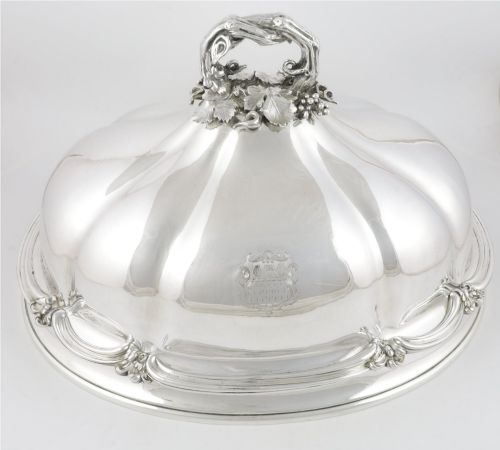
- A large domed cover placed over a platter to keep roast joints warm at the table. These often feature heavy handles and engraved crests.
- Cruet set
- A matched group of bottles or containers holding condiments like oil, vinegar, and sauces, held in a structured metal frame.
- Spoon warmer
- A specialised Victorian vessel designed to hold hot water for warming spoons before serving course dishes.
Antique Silver Dining Plates: Frequently Asked Questions
How do I clean antique silver plate?
Clean these items using a soft cloth and a specialised silver cream designed for plated items. Avoid harsh abrasives that wear through the thin silver layer to the base metal underneath.
Wash pieces in warm soapy water and dry them thoroughly immediately after cleaning to prevent spotting or tarnishing on the surface.
Can I use these items for dining?
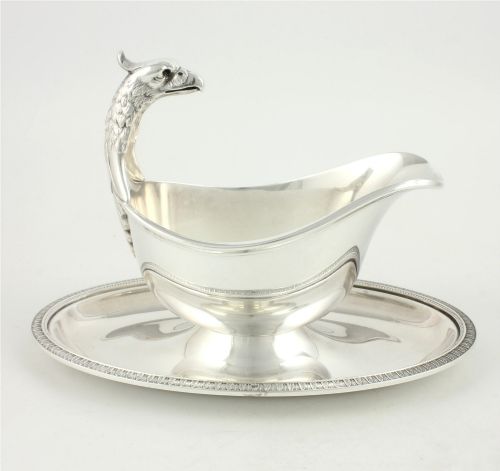
Many of these pieces, such as cutlery sets and sauce boats, remain entirely suitable for contemporary dining use. Care should be taken with items featuring delicate glass inserts or historical plating.
Hand washing is essential for all plated items to preserve their finish. Dishwashers will damage the metallic surfaces and any associated wooden or glass components.
What is Old Sheffield Plate?
Old Sheffield Plate is an early form of plating created by fusing silver to a copper core. This technique was largely superseded by electroplating methods in the nineteenth century.
Pieces made this way often reveal thin lines of copper where the silver layer has worn away along high points and edges over decades of use.
How do I date these objects?
Dating relies on stylistic clues, manufacturing techniques, and any stamped maker marks or registry numbers found on the base. Victorian and Edwardian pieces often incorporate specific revival styles that indicate their era of production.
Comparing the weight, fastening methods, and accompanying materials like cut glass helps place an item within the nineteenth or early twentieth century.